The Best Scratching Posts for Cats in 2025
The Best Scratching Posts for Cats in 2025
Table of Contents
Are your furniture and carpets becoming casualties of your feline friend’s natural scratching behavior? Finding best scratching posts for cats isn’t just about saving your couch—it’s essential for your cat’s physical and mental well-being. Scratching helps cats stretch their bodies, maintain claw health, mark territory, and relieve stress. In 2025, the market offers innovative cat scratching solutions that cater to different feline preferences while complementing your home décor. This guide will help you choose the perfect scratching post that your cat will actually use!
Materials & Supplies The Best Scratching Posts for Cats in 2025

Before selecting a scratching post, consider these essential factors:
Scratching Material: Sisal rope or fabric offers excellent resistance that cats love. Cardboard provides a satisfying texture, while carpet may confuse cats that shouldn’t scratch household carpeting.
Structure: Look for sturdy, heavyweight bases that won’t tip when cats scratch vigorously. Wood bases typically provide better stability than plastic.
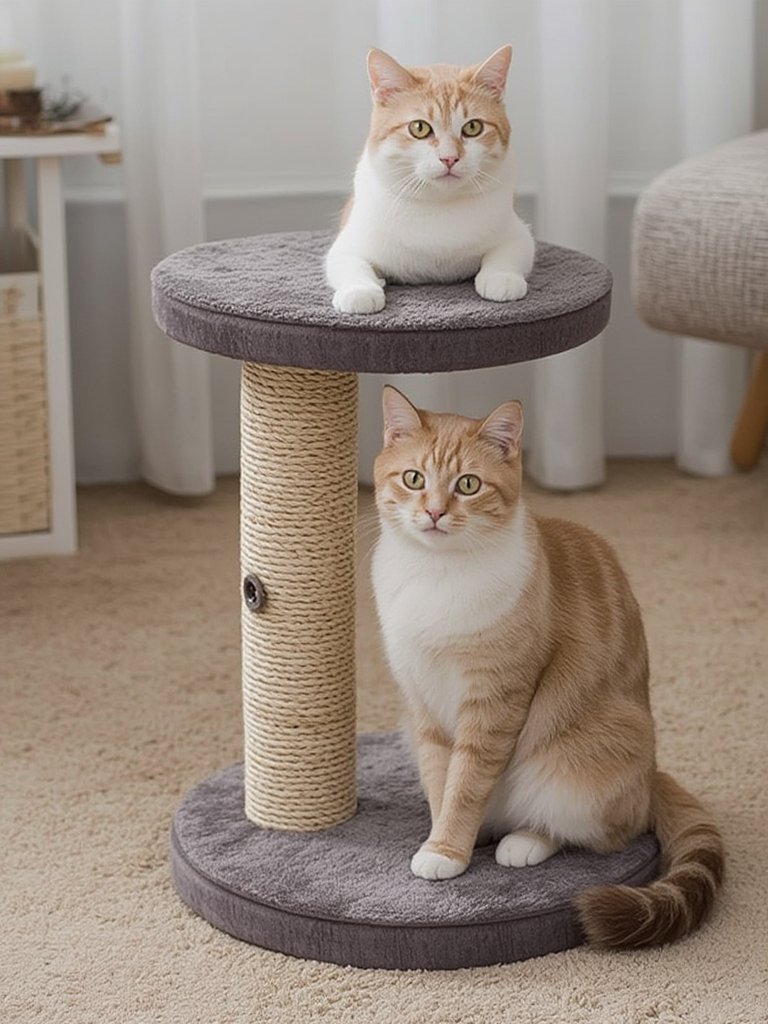
Height: Tall posts (at least 31 inches) allow cats to fully stretch their bodies during scratching.
Style: Options include vertical posts, horizontal scratchers, angled ramps, wall-mounted units, and cat trees with integrated scratching surfaces.
Accessories: Some models include catnip packets, interactive toys, or perches to increase attraction.
Timing / Selection Schedule
Consider these timeframes when introducing a new scratching post:
- Initial Acceptance: Allow 1-2 weeks for your cat to investigate and begin using a new post.
- Full Integration: Most cats fully adopt preferred scratching surfaces within 3-4 weeks with positive reinforcement.
- Replacement Schedule: Depending on materials and usage, expect to replace or refurbish scratching surfaces every 6-12 months as they wear down.
Step-by-Step Instructions
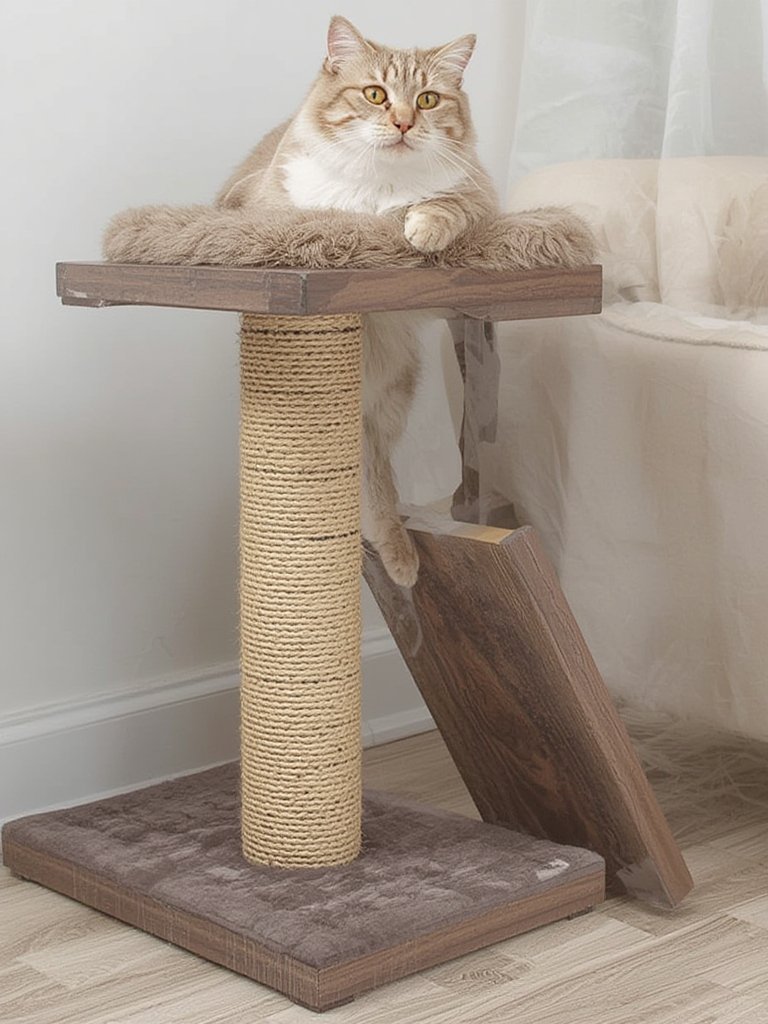
Observe Your Cat’s Preferences: Note whether your cat prefers scratching horizontally, vertically, or at an angle. Watch what materials they’re drawn to in your home.
Strategic Placement: Position the new scratching post near your cat’s favorite resting areas or where inappropriate scratching occurs. Cats often scratch after waking from naps.
Make It Attractive: Apply catnip to the scratching surface or use interactive toys to draw attention. Try the “fishing rod” technique by dangling toys around the post.
Demonstrate Usage: Gently take your cat’s paws and mimic a scratching motion on the post. Use gentle praise when they show interest.
Positive Reinforcement: Reward with treats, praise, or play whenever your cat uses the post correctly.
Benefits & Advantages
- Physical Exercise: Scratching posts provide essential stretching that maintains muscle tone and flexibility.
- Claw Health: Regular scratching helps shed old claw sheaths, keeping nails healthy and reducing the need for trimming.
- Stress Relief: Scratching is a natural stress reliever for cats, reducing anxiety and preventing behavior problems.
- Territory Marking: Posts give cats appropriate places to leave both visual marks and scent from paw glands.
- Furniture Protection: A well-used scratching post significantly reduces damage to valuable household items.
Tips & Alternative Methods
- Multi-Surface Solution: Provide variety with both horizontal and vertical scratching options.
- DIY Options: Create custom scratching posts using sisal rope wrapped around wooden posts or carpet remnants secured to stable bases.
- Space-Saving Alternatives: Wall-mounted scratchers work well in small apartments.
- Eco-Friendly Choices: Look for sustainable materials like bamboo or recycled cardboard.
- Aesthetic Integration: Modern scratching furniture blends with home décor rather than standing out as pet equipment.
Common Mistakes to Avoid
- Unstable Posts: Lightweight posts that wobble or tip create negative associations.
- Inconsistent Training: Scolding without providing alternatives confuses cats.
- Poor Placement: Putting posts in low-traffic areas where cats rarely go.
- Insufficient Height: Short posts that don’t allow full stretching frustrate cats.
- Material Confusion: Using carpet on posts when you don’t want cats scratching household carpets.
Maintenance Tips
- Regular Cleaning: Vacuum sisal posts weekly to remove loose fibers and dander.
- Rotation: Move scratchers periodically to maintain interest.
- Refurbishment: Replace worn sisal rope or cardboard inserts rather than the entire structure.
- Safety Checks: Periodically inspect for loose parts, especially if your cat is vigorous.
Conclusion
Investing in high-quality scratching posts tailored to your cat’s preferences is essential for a harmonious home environment. The perfect post satisfies your cat’s natural scratching needs while preserving your furniture and strengthening your bond. Start with observation, select appropriate materials, and use positive reinforcement to guide your cat toward their designated scratching areas. Your patience will be rewarded with a happier cat and intact furniture!
FAQs
How many scratching posts should I have for multiple cats?
Provide at least one post per cat plus one extra, placed in different areas of your home to prevent resource guarding.
Why won’t my cat use the scratching post I bought?
Your cat may dislike the material, height, or location. Try different textures, styles, and positions until you find what appeals to them.
Can senior cats benefit from scratching posts?
Absolutely! Senior cats still need to scratch, though they may prefer horizontal or angled surfaces that require less climbing.
How do I transition my cat from scratching furniture to using a post?
Place the post near furniture they’re scratching, apply deterrents to furniture, and reward any interaction with the post until it becomes their preferred scratching surface.