Signs Your Cat Is Bored at Home in 2026
Signs Your Cat Is Bored at Home in 2026
Table of Contents
Signs Your Cat Is Bored at Home
Introduction
Did you know that indoor cats spend up to 16 hours per day sleeping, yet many veterinarians report that chronic boredom contributes to behavioral problems in nearly 60% of house cats? While your feline friend may appear content lounging around, understanding the signs your cat is bored at home can make the difference between a happy, healthy pet and one suffering from stress-related health issues. Indoor cats lack the natural stimulation of hunting, exploring, and socializing that outdoor environments provide, making mental and physical enrichment absolutely essential. Recognizing when your cat needs more engagement isn’t just about preventing destructive behavior—it’s about ensuring their overall wellbeing and quality of life.
Cat Supplies & Essentials
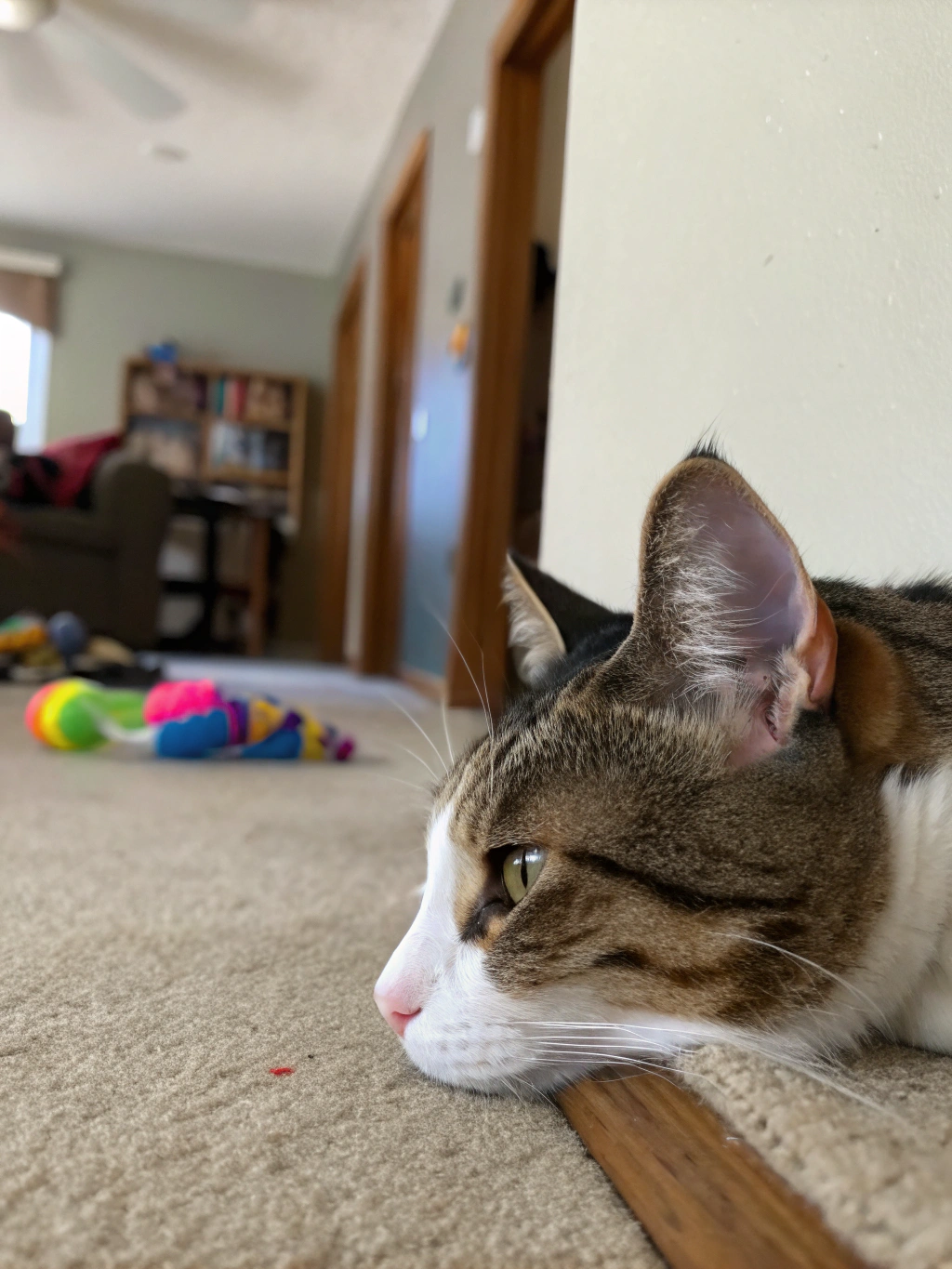
Creating a stimulating environment for your indoor cat requires the right supplies and tools. Here’s what every cat owner should have to combat boredom and promote healthy behaviors:
Interactive Toys: Puzzle feeders, treat-dispensing balls, and electronic motion toys provide mental stimulation and mimic hunting behaviors. These toys engage your cat’s natural predatory instincts and can occupy them for extended periods.
Scratching Posts and Cat Trees: Multi-level cat trees with scratching surfaces, hiding spots, and perches offer vertical territory exploration. Scratching posts prevent furniture damage while allowing cats to mark territory and stretch muscles naturally.
Window Perches: Cats love observing outdoor activity. Window-mounted perches or cat shelves provide entertainment through “cat TV”—watching birds, squirrels, and neighborhood activity stimulates their hunting instincts without the risks of outdoor exposure.
Rotating Toy Collection: Keep 10-15 different toys and rotate them weekly. Feather wands, crinkle balls, laser pointers, and catnip mice maintain novelty and prevent toy fatigue.
Cat Tunnel Systems: Collapsible tunnels create exploration opportunities and hiding spots that satisfy your cat’s instinct to stalk and pounce.
Quality Litter Boxes: Maintain one litter box per cat plus one extra. Clean boxes reduce stress and prevent behavioral issues related to elimination problems.
Premium Cat Food: High-protein, species-appropriate nutrition supports energy levels and overall health. Consider both wet and dry food options for variety.
Water Fountains: Running water fountains encourage hydration and provide auditory and visual stimulation that many cats find engaging.
Grooming Tools: Brushes, nail clippers, and grooming gloves help maintain coat health while providing bonding opportunities and tactile stimulation.
Optional Enrichment Items: Consider cat grass for safe nibbling, calming pheromone diffusers for anxious cats, and automated laser toys for independent play sessions.
Timeline / Progress Expectations
Understanding the timeline for behavioral changes helps set realistic expectations when addressing feline boredom:
Week 1-2: Initial introduction of new enrichment activities. Most cats show curiosity toward new toys and environmental changes. You may notice increased activity levels and exploratory behaviors during this adjustment period.
Week 3-4: Behavioral patterns begin stabilizing. Cats typically establish preferences for certain toys or activities. Destructive behaviors like excessive scratching or aggressive play should decrease by approximately 30-40% if proper enrichment is provided.
Month 2-3: Significant improvements in overall demeanor become evident. Cats engaged in regular interactive play sessions (15-20 minutes twice daily) show reduced stress indicators and improved sleep quality. Litter box consistency improves, and attention-seeking behaviors normalize.
Long-term (3+ months): With consistent enrichment routines, cats develop healthy activity patterns. Cognitive function remains sharper in mentally stimulated cats, particularly important for senior felines. Veterinary studies show that enriched environments can reduce obesity risk by up to 25% in indoor cats.
Daily Routine Recommendations: Morning interactive play (10-15 minutes), midday independent toy rotation, evening hunting-style play session (15-20 minutes), and overnight access to puzzle feeders or treat-dispensing toys.
Seasonal Adjustments: During winter months when outdoor wildlife activity decreases, increase indoor enrichment by 20-30%. Summer months may require additional cooling spots and water play opportunities.
Step-by-Step Instructions
Step 1: Conduct a Boredom Assessment
Observe your cat’s behavior over 3-5 days. Document sleeping hours, activity levels, eating patterns, and any destructive or attention-seeking behaviors. Note whether your cat shows interest in environmental stimuli or appears lethargic beyond normal resting periods.
Step 2: Identify Specific Boredom Indicators
Look for bored indoor cat signs such as excessive meowing, destructive scratching, aggression toward people or other pets, overeating or food disinterest, excessive grooming leading to bald spots, and compulsive behaviors like pacing or tail-chasing.
Step 3: Create an Enrichment Schedule
Develop a daily routine incorporating morning and evening interactive play sessions. Schedule varies activities throughout the week: Monday and Thursday for puzzle feeders, Tuesday and Friday for hunting games, Wednesday for new toy introduction, and weekends for special enrichment activities.
Step 4: Implement Environmental Modifications
Rearrange furniture to create vertical spaces and climbing opportunities. Install window perches at different heights. Create hiding spots using boxes or cat tents. Rotate these environmental features monthly to maintain novelty.
Step 5: Introduce Food Puzzle Activities
Transition from bowl feeding to puzzle feeders gradually. Start with simple puzzles and increase difficulty as your cat masters each level. This mimics natural foraging behaviors and extends meal times from seconds to 10-15 minutes.
Step 6: Establish Interactive Play Protocols
Use wand toys to simulate prey movements. Allow your cat to “catch” the toy periodically to prevent frustration. End sessions with a successful catch followed by a small treat to satisfy the hunt-catch-eat sequence.
Step 7: Monitor and Adjust
Track behavioral changes weekly. Note which enrichment activities generate the most engagement. Eliminate ineffective strategies and double down on successful ones. Adjust difficulty levels and introduce new challenges as your cat’s skills develop.
Health Benefits / Cat Advantages
Addressing boredom in indoor cats provides substantial health advantages backed by veterinary research:
Mental Stimulation: Regular enrichment activities maintain cognitive function and can delay age-related mental decline by up to 35% in senior cats. Problem-solving through puzzle feeders activates neural pathways similar to hunting behaviors.
Weight Management: Active play sessions burn calories and build muscle mass. Studies show that cats engaging in twice-daily interactive play maintain healthier body weights, reducing obesity-related conditions like diabetes and arthritis by approximately 28%.
Stress Reduction: Proper environmental enrichment lowers cortisol levels, reducing stress-related behaviors and strengthening immune system function. Cats with adequate stimulation show 40% fewer stress-related veterinary visits.
Behavioral Improvement: Enriched environments reduce destructive behaviors by satisfying natural instincts appropriately. Aggression decreases by an average of 45% when cats receive adequate mental and physical stimulation.
Enhanced Bond: Interactive play strengthens the human-animal bond, increasing trust and affection. Cats who regularly play with their owners show more social behaviors and reduced anxiety.
Improved Sleep Quality: Properly exercised cats sleep more soundly during appropriate hours rather than disrupting households with nighttime activity. Their circadian rhythms align better with human schedules.
Dental and Physical Health: Chewing appropriate toys maintains dental health, while active play supports cardiovascular health, joint flexibility, and muscle tone throughout the cat’s life.
Alternative Methods & Tips
Every home and cat is different, requiring tailored approaches to combat boredom:
Small Living Spaces: Maximize vertical territory with wall-mounted shelves and cat trees. Use door-mounted toys and create multi-functional spaces where furniture serves dual purposes for both humans and cats.
Budget-Friendly Options: DIY enrichment includes cardboard box mazes, paper bag hideaways, toilet paper roll puzzles, and homemade treat dispensers from plastic bottles. Rotate household items like paper bags and boxes for free enrichment.
Multi-Cat Households: Ensure adequate resources to prevent competition. Provide multiple play areas, feeding stations, and resting spots. Facilitate group play sessions while maintaining individual attention time for each cat.
Senior Cats: Lower physical demands but maintain mental challenges. Use ground-level puzzle feeders, heated perches for arthritic joints, and gentler interactive toys. Senior cats still need engagement but at modified intensity levels.
High-Energy Breeds: Bengals, Abyssinians, and Siamese cats require 40-50% more stimulation than average cats. Consider cat wheel exercise, leash training for supervised outdoor exploration, and more complex puzzle toys.
Outdoor Transition: For cats transitioning from outdoor to indoor life, provide cat grass, outdoor enclosed “catios,” or leash training for supervised outdoor time. Gradually introduce indoor enrichment while maintaining safe outdoor elements.
Climate Considerations: In hot climates, provide cooling mats and water play opportunities. Cold climates benefit from sunny window perches and cozy heated beds that encourage daytime activity observation.
Common Mistakes to Avoid
Cat owners frequently make these errors when addressing boredom:
Inconsistent Play Schedules: Sporadic interaction confuses cats and prevents routine establishment. Solution: Set phone reminders for daily play sessions at consistent times.
Leaving All Toys Available: Constant access reduces novelty and interest. Solution: Rotate toys weekly, keeping only 3-4 available at any time while storing others.
Punishment for Boredom Behaviors: Yelling at cats for destructive behavior doesn’t address the underlying problem. Solution: Redirect energy toward appropriate outlets and reward positive behaviors.
Insufficient Play Duration: Five-minute play sessions don’t adequately tire cats. Solution: Aim for 15-20 minute sessions twice daily, continuing until your cat shows clear disengagement signs.
Overlooking Vertical Space: Cats are three-dimensional creatures requiring vertical territory. Solution: Install shelves, cat trees, or wall-mounted perches at varying heights.
Automatic Feeders Without Enrichment: Free-feeding removes foraging challenges. Solution: Use puzzle feeders or hide small food portions around the home for discovery.
Ignoring Individual Preferences: Not all cats enjoy the same activities. Solution: Experiment with various enrichment types and observe which generates genuine engagement rather than forcing preferred activities.
Laser Pointer Frustration: Never allowing cats to “catch” prey causes psychological stress. Solution: End laser play by directing the light to a physical toy the cat can capture.
Storage & Maintenance Tips
Proper maintenance ensures enrichment tools remain safe and effective:
Toy Hygiene: Wash fabric toys monthly in hot water. Disinfect hard plastic toys weekly with pet-safe cleaners. Inspect toys for damage that could create choking hazards or sharp edges.
Food Storage: Keep dry cat food in airtight containers in cool, dark locations. Use opened wet food within 48 hours when refrigerated. Clean food puzzles after each use to prevent bacterial growth.
Litter Box Maintenance: Scoop daily and completely change litter weekly. Deep clean litter boxes monthly with enzymatic cleaners. Replace boxes annually as plastic degrades and retains odors.
Scratching Post Care: Vacuum or brush posts weekly to remove loose material. Replace worn scratching surfaces when effectiveness diminishes. Reapply catnip monthly to maintain interest.
Rotating Storage System: Label storage bins by toy type and rotation week. Store unused toys in sealed containers with catnip sachets to maintain freshness and scent appeal.
Seasonal Deep Clean: Quarterly, thoroughly clean all cat areas including climbing structures, perches, and hiding spots. Check for wear on elevated structures to prevent accidents.
Water Fountain Maintenance: Clean fountains every 3-5 days, replacing filters according to manufacturer specifications. Descale monthly to prevent mineral buildup affecting water flow.
Conclusion
Recognizing and addressing the signs your cat is bored at home transforms their quality of life while preventing behavioral and health problems. By implementing proper enrichment strategies, maintaining consistent play schedules, and providing species-appropriate stimulation, you create an environment where indoor cats thrive mentally and physically. Remember that each cat is unique—what engages one may not interest another, so remain flexible and observant. Start with small changes today: introduce one new toy, schedule a 15-minute play session, or create a simple puzzle feeder. Your cat’s increased vitality, improved behavior, and stronger bond with you will prove these efforts worthwhile.
FAQs
Q: How can I tell if my cat is bored or just naturally lazy?
A: While cats sleep 12-16 hours daily, truly bored cats display behavioral changes like excessive vocalization, destructive scratching, aggression, or compulsive grooming. A “lazy” cat remains content, eats normally, and shows interest during interactive opportunities. If your cat ignores toys and stimulation attempts while exhibiting problem behaviors, boredom is likely the cause. Veterinary examination rules out underlying health conditions causing lethargy.
Q: How long should I play with my cat each day to prevent boredom?
A: Most cats require two 15-20 minute interactive play sessions daily—morning and evening align best with their natural hunting rhythms. High-energy breeds may need 30-40 minutes total. Quality matters more than quantity; engaged, active play that mimics hunting provides better stimulation than prolonged passive interaction. Observe your cat’s engagement level; they’ll show disinterest when adequately exercised.
Q: Are expensive toys necessary to keep my cat entertained?
A: Absolutely not. Many cats prefer simple items like cardboard boxes, paper bags, and homemade puzzle feeders over costly commercial products. The key is novelty and engagement rather than price. Rotate inexpensive items weekly, create DIY enrichment from household materials, and focus on interactive play with basic wand toys. Save premium purchases for specific needs like durable scratching posts or quality food puzzles.
Q: Can a second cat solve my cat’s boredom problem?
A: Not necessarily. While some cats benefit from feline companionship, others become stressed by territory sharing. Consider your cat’s personality—social, playful cats may enjoy a companion, while territorial or senior cats may not. Introducing a second cat requires proper integration protocols and doubles resource needs. Never adopt another cat solely to address boredom without assessing compatibility and commitment to both animals.
Q: My cat only seems active at night. How can I shift this behavior?
A: Cats are naturally crepuscular (most active at dawn and dusk), but you can encourage better sleep alignment. Increase daytime stimulation with puzzle feeders and environmental enrichment. Schedule intensive play sessions 1-2 hours before your bedtime to tire your cat. Feed the largest meal after evening play. Ignore nighttime attention-seeking behaviors completely. Most cats adjust within 2-4 weeks of consistent routine changes.