Redirecting Cat Aggression: Safe Techniques
Redirecting Cat Aggression: Safe Techniques
Table of Contents
Introduction
Did you know that nearly 70% of cat owners will experience some form of feline aggression during their pet’s lifetime? Whether it’s sudden swatting, biting during play, or territorial disputes, aggressive behavior in cats can be both alarming and dangerous. The good news is that Redirecting cat aggression is entirely possible with the right techniques and consistent application.
Cat Supplies & Essentials
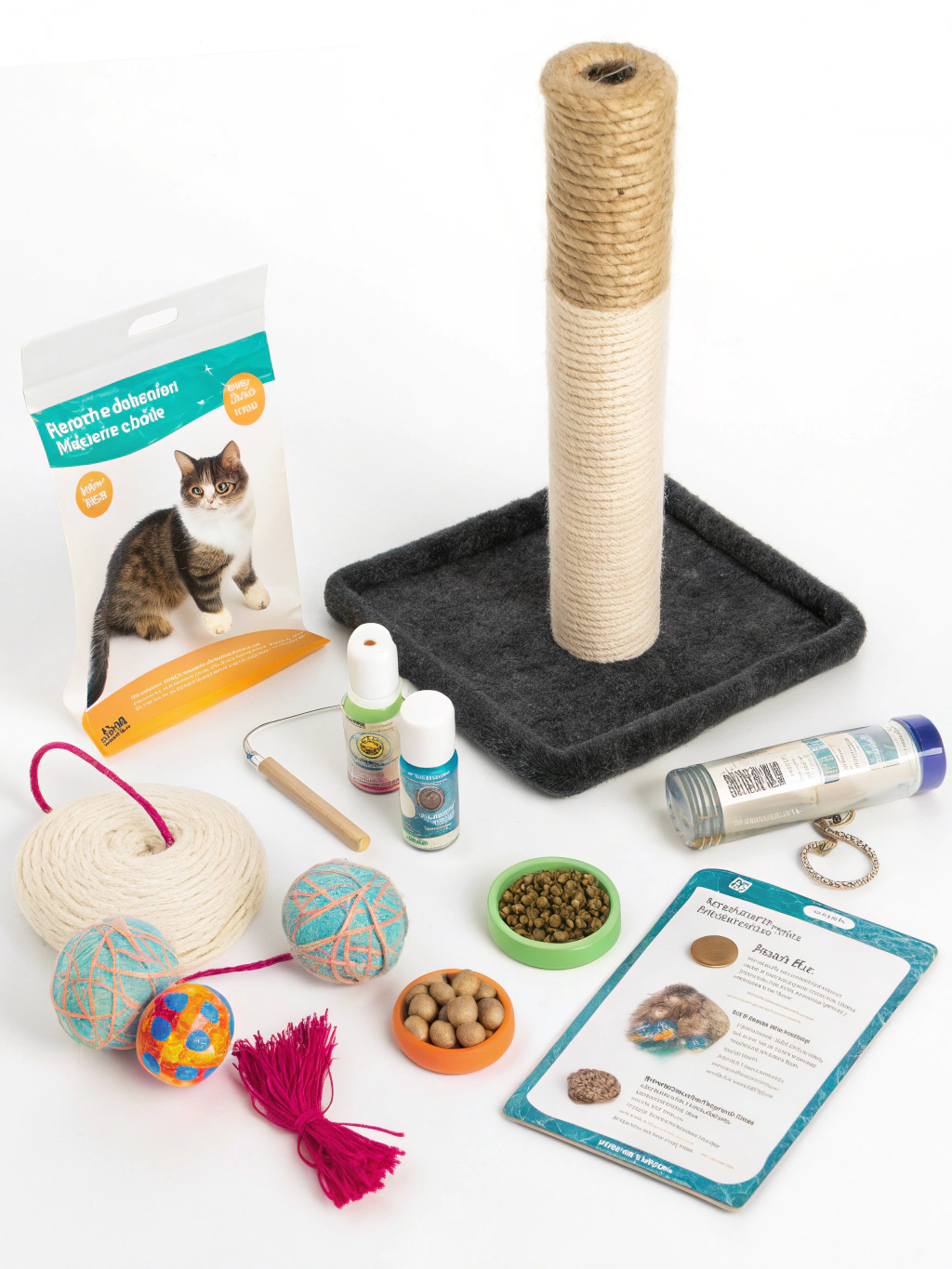
When managing feline aggression, having the right supplies can make all the difference in creating a calm environment and providing appropriate outlets for your cat’s energy:
Interactive Toys: Wand toys, laser pointers, and feather teasers help channel hunting instincts safely. These allow your cat to express natural predatory behaviors without targeting human hands or feet.
Scratching Posts: Tall, sturdy posts covered in sisal or cardboard provide essential outlets for territorial marking and physical energy release. Position them near areas where aggression typically occurs.
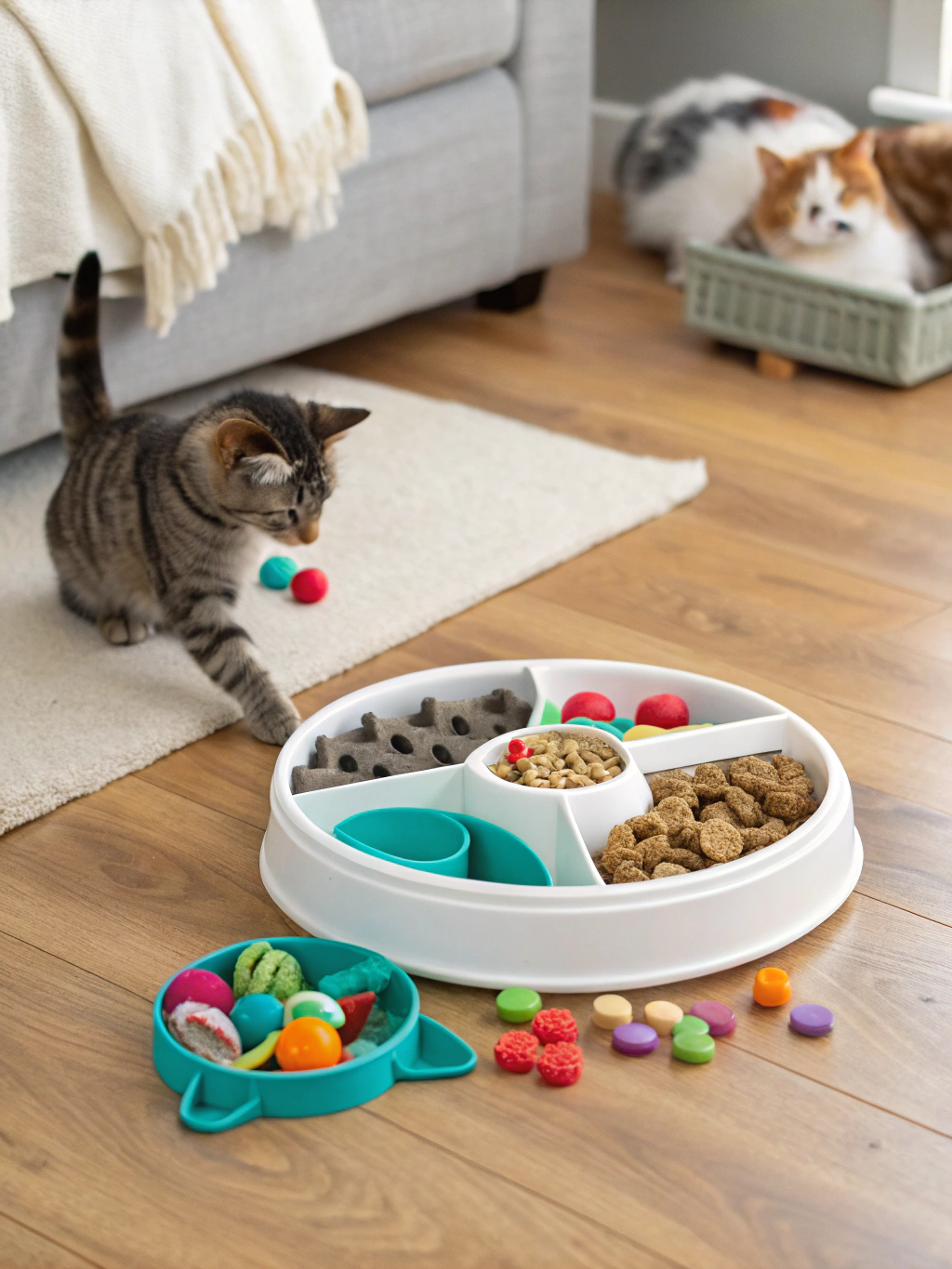
Puzzle Feeders: Slow-feed bowls and treat-dispensing toys reduce boredom and anxiety by engaging your cat’s problem-solving abilities while slowing down meal times.
Calming Products: Pheromone diffusers like Feliway create a reassuring environment, reducing stress-related aggression. Consider calming collars or sprays for targeted situations.
Safe Hiding Spaces: Cat trees, enclosed beds, or cardboard boxes provide retreat options when your cat feels overwhelmed or overstimulated.
Grooming Tools: Regular brushing with appropriate combs reduces discomfort from matted fur, which can contribute to irritability and aggressive reactions.
Carrier and Containment: A comfortable carrier allows for safe separation during aggressive episodes and facilitates stress-free vet visits.
High-Quality Food: Premium nutrition supports overall health and stable mood, reducing irritability caused by dietary deficiencies or digestive discomfort.
Timeline / Progress Expectations
Understanding realistic timelines helps set proper expectations when working to Redirect aggression in cats:
Week 1-2: Initial observation and documentation phase. Track triggers, frequency, and intensity of aggressive episodes. Begin implementing environmental modifications and introducing calming products. Most cats will show some curiosity about new toys and spaces.
Week 3-4: Start active redirection training with consistent responses to aggressive behaviors. Many cats begin associating toys with appropriate play outlets. Expect gradual reduction in intensity, though frequency may remain similar.
Month 2-3: Noticeable behavioral improvements emerge for most cats. Aggressive episodes typically decrease by 40-60% with consistent application of techniques. Cats start self-selecting appropriate play objects more frequently.
Month 4-6: Significant progress becomes evident with proper consistency. Most cats demonstrate well-established positive behaviors, with aggressive incidents reduced by 70-80%. Some challenging cases may require extended timelines.
Ongoing Maintenance: Even after successful redirection, continue daily play sessions (15-20 minutes twice daily), maintain environmental enrichment, and stay vigilant for trigger situations.
Seasonal Considerations: Indoor cats may show increased restlessness during spring and fall, requiring additional enrichment. Adjust play schedules accordingly during these peak activity periods.
Step-by-Step Instructions for Redirecting Aggression
Identify Triggers and Patterns
Begin by keeping a detailed aggression journal for at least one week. Note the time of day, location, preceding events, body language, and intensity of each incident. Common triggers include overstimulation during petting, redirected frustration from seeing outdoor cats, territorial disputes, or play aggression. Photograph or video episodes when safe to do so, as this helps identify subtle warning signs you might miss in the moment.
Establish Clear Boundaries and Consistency
Never use your hands or feet as play objects, even with kittens. This creates dangerous associations that intensify with age. Ensure all household members follow identical rules—inconsistency confuses cats and undermines training efforts. When aggression occurs, use a consistent verbal cue like “no” or “gentle” in a firm but calm tone, avoiding shouting which escalates tension.
Implement Immediate Redirection Techniques
The moment you notice pre-aggression signals (dilated pupils, twitching tail, flattened ears, tense posture), immediately redirect attention to an appropriate toy. Keep interactive toys readily accessible in every room. Toss a small ball, activate a feather wand, or deploy a treat-dispensing toy to interrupt the aggressive thought pattern before it manifests physically.
Create Strategic Environmental Modifications
Arrange furniture to provide elevated escape routes and observation points, reducing territorial stress. Block visual access to outdoor cats using window film or rearranging furniture. Create separate resource zones (food, water, litter) for multi-cat households to minimize competition. Install cat shelves or trees near windows for safe outdoor viewing opportunities.
Practice Scheduled Interactive Play Sessions
Dedicate two 15-20 minute play sessions daily, preferably before mealtimes when hunting instincts peak. Use wand toys to simulate prey movement—quick, unpredictable motions followed by hiding. Allow your cat to “catch” the prey periodically to prevent frustration. End sessions with a successful capture followed by a small treat, mimicking the hunt-catch-eat cycle.
Apply Positive Reinforcement Consistently
Reward calm, appropriate behavior immediately with treats, praise, or brief petting (if your cat enjoys it). Catch your cat being good—reinforcing relaxed body language and gentle play strengthens these behaviors. Use high-value treats reserved exclusively for training to maximize motivation and create strong positive associations.
Know When to Disengage Safely
If aggression escalates despite redirection attempts, calmly leave the room without punishment or dramatic reactions. Close a door between you and your cat if necessary, allowing a 10-15 minute cooling-off period. Never punish aggressive behavior after the fact, as cats cannot connect delayed consequences to past actions.
Health Benefits / Cat Advantages
Properly managing and redirecting feline aggression provides numerous health and behavioral benefits:
Reduced Stress Levels: Cats living in environments where their needs are understood and met show significantly lower cortisol levels, contributing to better immune function and longer lifespans.
Enhanced Mental Stimulation: Regular interactive play and problem-solving activities prevent cognitive decline, particularly important for indoor cats lacking natural hunting opportunities.
Improved Human-Animal Bond: Successfully addressing aggression strengthens trust and attachment between cats and owners, leading to more affectionate relationships and better cooperation during necessary care activities.
Physical Health Benefits: Increased exercise through redirected play maintains healthy weight, improves cardiovascular function, and reduces obesity-related conditions like diabetes and joint problems.
Decreased Behavioral Problems: Addressing aggression holistically often resolves secondary issues like inappropriate elimination, destructive scratching, and excessive vocalization, as these frequently stem from the same underlying stress or boredom.
Better Socialization: Cats learning appropriate interaction boundaries become more comfortable around visitors and other pets, reducing household stress and increasing adoption success for shelter animals.
Alternative Methods & Tips
Small Space Solutions: Utilize vertical space with wall-mounted shelves, rotating toy selection to maintain novelty, and schedule play sessions during peak activity times to maximize energy expenditure in limited square footage.
Multi-Cat Household Strategies: Provide separate resources (1.5x the number of cats), create multiple pathways through rooms to prevent ambush opportunities, and conduct individual play sessions to ensure each cat receives adequate attention.
Budget-Friendly Options: Create DIY toys from paper bags, cardboard boxes, and toilet paper rolls. Dried catnip grown at home provides inexpensive enrichment. Rotate existing toys weekly to renew interest without purchasing new items.
Age-Specific Approaches: Kittens require shorter, more frequent play sessions (5-10 minutes, 3-4 times daily) while senior cats benefit from gentler, slower-paced activities focusing on mental stimulation rather than intense physical exercise.
Personality-Based Customization: Shy cats need gradual desensitization with patient, low-pressure interactions, while highly energetic cats require intensive exercise outlets like cat wheels or leash training for supervised outdoor time.
Climate Considerations: In hot climates, schedule play during cooler morning and evening hours. Cold-weather regions may require additional indoor enrichment as outdoor access decreases during harsh conditions.
Common Mistakes to Avoid
Inconsistent Responses: Allowing aggressive behavior sometimes but not others confuses cats and slows progress. Maintain consistent reactions from all household members to establish clear expectations.
Using Physical Punishment: Hitting, scruffing, or spraying cats with water increases fear-based aggression and damages trust. These outdated methods create more problems than they solve.
Reinforcing Aggression Accidentally: Providing attention (even negative) immediately after aggressive behavior can inadvertently reward it. Wait until your cat calms before offering any interaction.
Insufficient Play Opportunities: Many aggression cases stem from simple boredom and pent-up energy. Two brief play sessions daily represent the absolute minimum for most adult cats.
Ignoring Medical Causes: Pain from dental disease, arthritis, or other conditions frequently manifests as aggression. Always rule out health issues with a veterinary examination before assuming behavioral causes.
Overstimulation During Petting: Learn your cat’s individual tolerance—many cats become aggressive when petted too long or in sensitive areas. Watch for warning signs like skin rippling or tail swishing.
Poor Litter Box Management: Inadequate cleaning or insufficient boxes (1 per cat plus one extra) creates stress that manifests as aggression. Scoop daily and deep-clean weekly.
Skipping Environmental Enrichment: Without appropriate mental stimulation, cats create their own entertainment, often through inappropriate outlets like aggressive play.
Storage & Maintenance Tips
Toy Rotation System: Keep three sets of toys, rotating weekly to maintain novelty. Store unused sets in sealed containers with fresh catnip to preserve appeal and keep them scent-interesting.
Food Storage Best Practices: Store dry food in airtight containers in cool, dry locations, using within six weeks of opening. Refrigerate opened wet food, using within 2-3 days. Proper storage prevents spoilage that could cause digestive issues contributing to irritability.
Litter Box Hygiene: Scoop at least once daily, more frequently in multi-cat homes. Completely empty, scrub with mild soap, and refill weekly. Replace boxes annually as scratches harbor bacteria and odors that may stress cats.
Cleaning Play Areas: Vacuum cat trees and furniture weekly to remove shed fur and dander. Wash fabric toys monthly in unscented detergent. Disinfect hard toys with pet-safe cleaners, rinsing thoroughly.
Seasonal Deep Cleaning: Quarterly, wash all cat bedding, vacuum behind furniture where toys accumulate, and inspect scratching posts for stability and wear. Replace worn items promptly to maintain safety and appeal.
Pheromone Product Maintenance: Replace diffuser refills monthly and plug-in units every six months for continued effectiveness. Clean diffuser outlets quarterly to prevent buildup.
Conclusion
Successfully redirecting cat aggression requires patience, consistency, and a commitment to understanding your feline companion’s unique needs and triggers. By implementing the safe techniques outlined in this guide—from providing appropriate environmental enrichment and establishing clear boundaries to maintaining consistent redirection practices—you can transform aggressive behaviors into healthy, positive interactions. Remember that progress occurs gradually, with most cats showing significant improvement within 2-3 months of dedicated effort. The investment you make in understanding and addressing your cat’s aggression pays dividends in a stronger bond, a calmer household, and a happier, healthier feline friend. Start implementing these strategies today, track your progress carefully, and don’t hesitate to consult with a veterinary behaviorist if challenges persist.
FAQs
Q: How can I tell the difference between play aggression and serious aggression in cats?
Play aggression typically involves softer bites without breaking skin, retracted claws, and an overall playful body posture with forward-facing ears and a relatively relaxed tail. Serious aggression includes harder bites, fully extended claws, flattened ears, dilated pupils, growling or hissing, and a puffed-up or rigid body. Play-aggressive cats usually stop momentarily when you cease interaction, while seriously aggressive cats may continue advancing.
Q: Is it ever too late to redirect aggressive behavior in adult cats?
It’s never too late, though older cats with long-established aggressive patterns require more time and patience. Cats can learn new behaviors at any age, though senior cats may need modified approaches accounting for physical limitations or cognitive changes. Expect longer timelines for adult cats (4-6 months versus 2-3 months for younger cats), but remain optimistic—significant improvements are possible with consistent application of proper techniques.
Q: Should I separate my cats if they’re fighting, and how do I reintroduce them safely?
Yes, immediately separate fighting cats to prevent injury and break the negative association cycle. Keep them apart for 24-48 hours with separate resources. Reintroduce gradually using scent swapping (exchanging bedding), feeding on opposite sides of a closed door, then brief supervised visual contact sessions, gradually increasing duration as they remain calm. This process may take several weeks for severe cases.
Q: Can diet changes really impact cat aggression levels?
Absolutely. Nutritional deficiencies, food allergies, or digestive discomfort from low-quality food can contribute to irritability and aggressive behavior. High-protein, grain-free diets better match cats’ carnivorous biology, providing stable energy without blood sugar spikes. Some cats show dramatic behavioral improvements within 3-4 weeks of switching to premium food, though always transition gradually over 7-10 days to prevent digestive upset.
Q: When should I seek professional help for cat aggression?
Consult a veterinarian immediately if aggression appears suddenly, involves serious injuries, occurs without identifiable triggers, or accompanies other behavioral changes like appetite loss or litter box problems. After ruling out medical causes, seek a certified cat behavior consultant or veterinary behaviorist if DIY techniques show no improvement after 6-8 weeks of consistent application, or if aggression escalates despite your efforts.