Preventing Litter Box Problems in Cats
Preventing Litter Box Problems in Cats
Table of Contents
Introduction
Did you know that approximately 10% of all cats will experience litter box issues at some point in their lives, making it one of the leading reasons cats are surrendered to shelters? This startling statistic highlights a critical but often misunderstood aspect of cat ownership. Preventing litter box problems isn’t just about maintaining a clean home—it’s about understanding your cat’s instinctive needs and creating an environment where they feel comfortable and secure. Whether you’re a new cat parent or have been caring for felines for years, mastering the fundamentals of litter box management can dramatically improve your relationship with your pet while ensuring their physical and emotional wellbeing.
Cat Supplies & Essentials
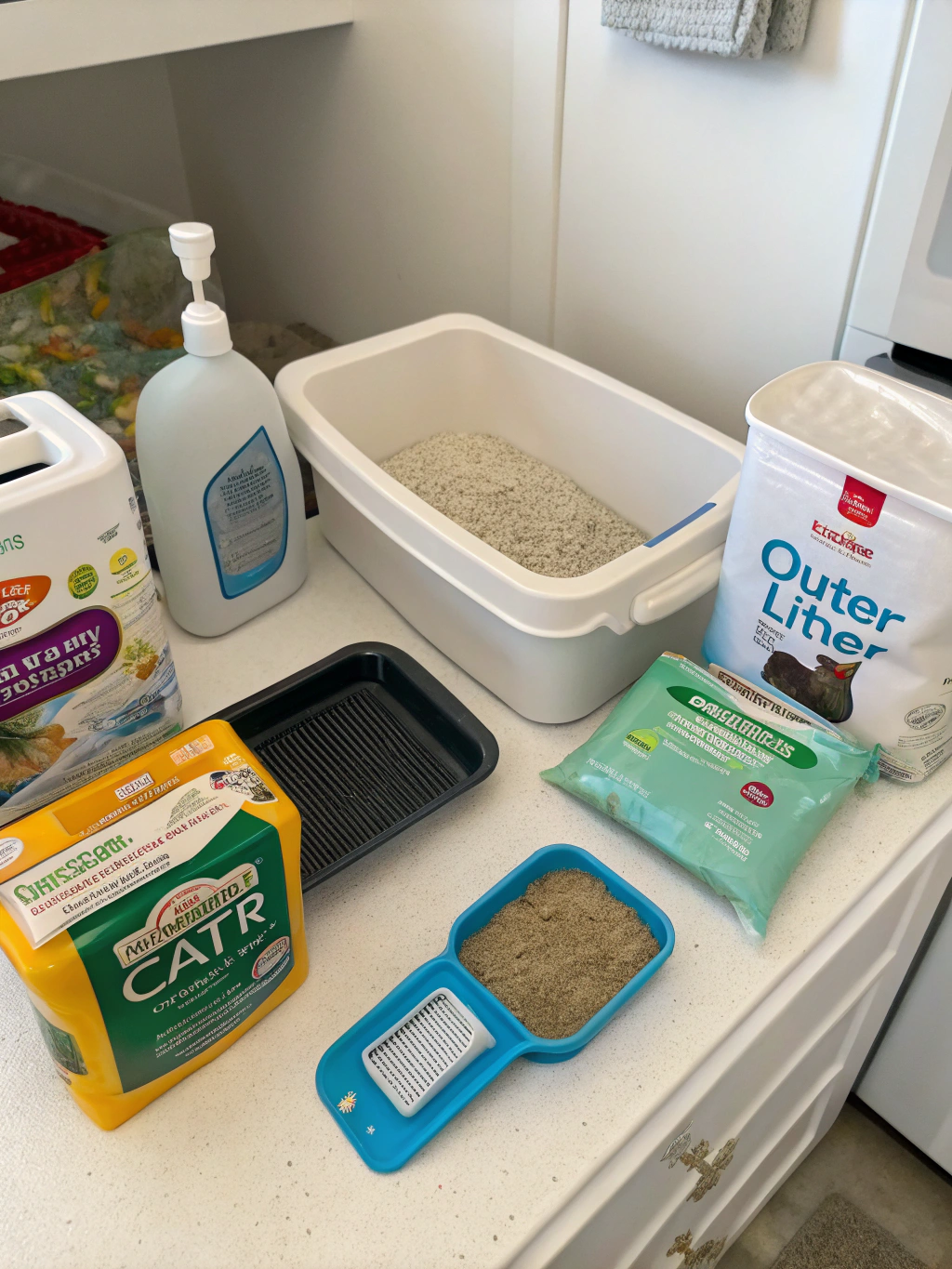
Ensuring your cat has the right supplies is the foundation of successful litter box habits. Here’s what every cat owner needs:
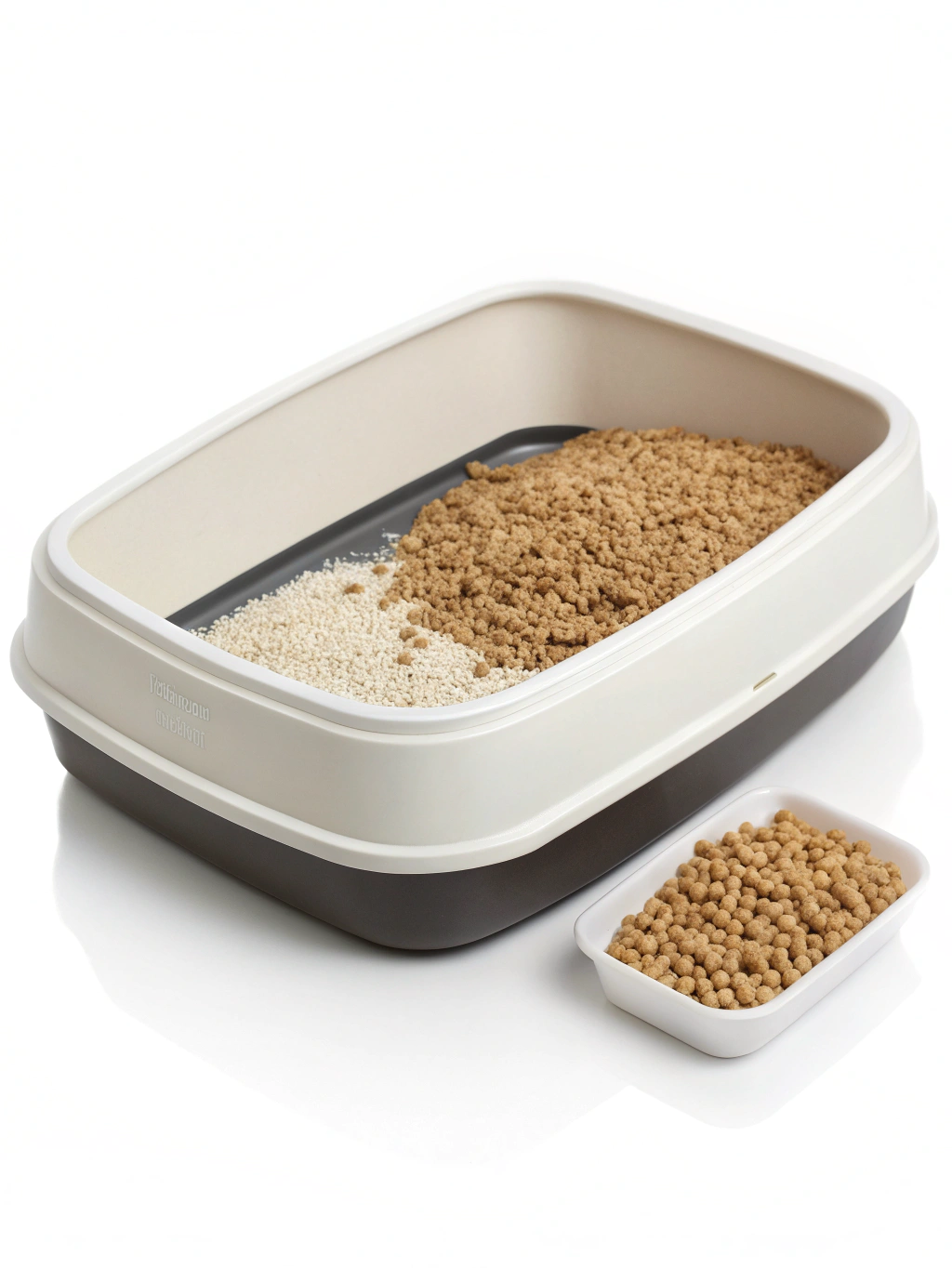
Litter Boxes: The golden rule is one box per cat, plus one extra. Choose boxes that are at least 1.5 times your cat’s body length. Covered boxes may trap odors and discourage use, so consider open-top designs for better ventilation.
Cat Litter: Unscented, clumping clay litter is preferred by most cats. Experiment with different textures if your cat seems reluctant to use their box. Keep 2-3 inches of depth for optimal digging and covering behavior.
Litter Scoops: Invest in a sturdy metal scoop with appropriate spacing to separate clumps efficiently. Daily scooping is non-negotiable for odor control and cat satisfaction.
Litter Mats: Place textured mats outside the box to capture tracked litter and keep surrounding areas clean.
Enzymatic Cleaners: Essential for neutralizing urine odors completely, preventing repeat accidents in unwanted areas.
Cat Food and Water Fountains: Quality nutrition and hydration affect urine concentration and frequency. Running water fountains encourage better hydration.
Scratching Posts and Toys: Mental stimulation reduces stress-related elimination issues. Provide vertical scratching surfaces and interactive toys.
Cat Carriers: Necessary for stress-free vet visits, which are crucial for ruling out medical causes of litter box avoidance.
Comfortable Beds: Cats need secure resting spaces away from their elimination areas to maintain proper bathroom habits.
Optional Items: Litter deodorizers (only unscented), automatic litter boxes for busy households, and pheromone diffusers to reduce environmental stress.
Timeline / Progress Expectations
Understanding the timeline for litter box habit development helps set realistic expectations:
Kittens (8-12 weeks): Most kittens instinctively use litter boxes within 2-3 days of introduction. Litter box training tips for young cats focus on accessibility and positive reinforcement.
Adult Cat Transitions (1-4 weeks): When changing litter types or box locations, expect 1-2 weeks of adjustment. Gradual transitions work best—mix 25% new litter with 75% old, increasing the ratio weekly.
Behavioral Issue Resolution (3-8 weeks): Stress-related litter box avoidance typically improves within 3-4 weeks of environmental modifications and consistent routine implementation.
Medical Issue Recovery (Variable): Urinary tract infections or other health problems require veterinary treatment. Once resolved, normal litter box habits usually resume within 1-2 weeks.
Daily Routine: Scoop boxes at least once daily, preferably twice. Completely change litter and wash boxes every 2-4 weeks depending on usage.
Weekly Maintenance: Deep clean the litter box area, vacuum surrounding floors, and inspect for any signs of avoidance behavior.
Seasonal Considerations: Winter months may require more frequent litter changes due to reduced ventilation. Summer heat can intensify odors, necessitating additional cleaning.
Step-by-Step Instructions
Step 1: Choose the Right Location
Place litter boxes in quiet, low-traffic areas away from food and water. Avoid basements or laundry rooms with loud appliances that might startle your cat mid-use. Ensure easy access—elderly or arthritic cats need boxes on every floor of multi-level homes.
Step 2: Select Appropriate Litter and Boxes
Start with unscented clumping litter and simple, open-top boxes. The box should be large enough for your cat to turn around comfortably. Avoid liners, which many cats dislike, and keep the litter depth consistent at 2-3 inches.
Step 3: Introduce Your Cat Properly
Gently place your cat in the litter box after meals and naps. Never force them to dig or stay—let them explore naturally. Praise calm investigation and reward first successful uses with gentle affection (not treats, which could create unwanted associations).
Step 4: Maintain Impeccable Cleanliness
Scoop all waste daily without exception. Cats have incredibly sensitive noses and will avoid dirty boxes. Wash boxes with mild, unscented soap monthly. Replace boxes entirely every 6-12 months as scratches harbor bacteria and odors.
Step 5: Monitor and Adjust
Watch for signs of dissatisfaction: scratching around the box rather than inside, perching on edges, or eliminating nearby. These indicate problems with litter type, box cleanliness, or location. Make one change at a time to identify the solution.
Step 6: Address Multi-Cat Dynamics
In multi-cat households, resource competition causes many litter box issues. Distribute boxes throughout your home—never line them up in one area, which cats perceive as a single large toilet. Dominant cats may guard boxes, so strategic placement prevents bullying.
Health Benefits / Cat Advantages
Proper litter box management directly impacts your cat’s physical and mental health:
Urinary Tract Health: Regular elimination prevents urine retention, which can lead to crystals, stones, and dangerous blockages. Studies show cats with consistent litter box access have 40% fewer urinary issues.
Stress Reduction: Clean, accessible boxes reduce anxiety-related behaviors. Chronic stress suppresses immune function, making cats vulnerable to illness.
Behavioral Stability: Meeting elimination needs prevents the frustration and confusion that lead to destructive behaviors like furniture scratching or aggression.
Early Disease Detection: Daily litter box monitoring helps you spot blood in urine, diarrhea, constipation, or frequency changes—early warning signs of serious health conditions.
Improved Human-Animal Bond: Eliminating litter box conflicts strengthens your relationship, reducing rehoming risk and ensuring cats receive lifelong care.
Hygiene and Cleanliness: Proper habits keep your home odor-free and sanitary, preventing parasite transmission and zoonotic diseases.
Alternative Methods & Tips
Small Living Spaces: Use furniture-style litter box enclosures that blend with décor. Top-entry boxes minimize litter tracking in compact areas.
Indoor/Outdoor Cats: Maintain indoor boxes even for cats with outdoor access. Weather, threats, or injury may prevent outdoor elimination.
Senior Cat Accommodations: Provide low-sided boxes or cut entrance openings in standard boxes. Place boxes near favorite resting spots to minimize travel distance.
Budget-Friendly Options: Large plastic storage containers make excellent inexpensive litter boxes. Baking soda (used sparingly) naturally controls odors without harsh chemicals.
Apartment Living: Invest in high-quality, dust-free litter to maintain air quality. Position boxes away from HVAC vents that spread odors.
Anxious Cats: Try Feliway diffusers near litter box areas. Create privacy with three-sided screens rather than covered boxes that trap odors.
Travel Considerations: Portable litter boxes and familiar litter help cats maintain routines during trips or relocations.
Common Mistakes to Avoid
Insufficient Boxes: The “one box per cat plus one” rule exists for good reason. Territorial conflicts and hygiene concerns make multiple boxes essential.
Infrequent Cleaning: Even one missed day of scooping can trigger avoidance. Set phone reminders to maintain consistency.
Scented Products: Perfumed litters, deodorizers, and nearby air fresheners overwhelm cats’ sensitive noses. What smells pleasant to you may repel your cat.
Punishing Accidents: Never scold or physically punish litter box mistakes. This creates fear and anxiety, worsening the problem. Clean accidents thoroughly with enzymatic cleaners and investigate underlying causes.
Ignoring Medical Issues: Always rule out health problems before assuming behavioral causes. Urinary tract infections, kidney disease, and diabetes commonly cause litter box avoidance.
Sudden Changes: Abrupt switches in litter type, box style, or location confuse cats. Gradual transitions prevent rejection.
Poor Box Placement: Boxes near noisy appliances, in high-traffic areas, or too close to food discourage use. Cats need privacy and peace during elimination.
Wrong Box Size: Kittens need shallow boxes, while large breeds require spacious options. Cramped quarters lead to accidents outside the box.
Storage & Maintenance Tips
Litter Storage: Keep litter in airtight containers to preserve freshness and prevent moisture absorption. Store in cool, dry locations away from strong odors that could transfer to the litter.
Cleaning Schedule: Establish a weekly routine—Mondays for complete box washing, daily scooping integrated into morning and evening routines.
Supply Organization: Dedicate a cleaning caddy to litter box supplies: enzymatic cleaner, paper towels, replacement litter, and gloves. Keep everything accessible for quick cleanups.
Seasonal Deep Cleaning: Quarterly, completely empty and sanitize the litter box area, including surrounding floors and walls. This prevents odor buildup and maintains hygiene.
Tool Maintenance: Wash scoops weekly with hot, soapy water. Replace scoops every 6 months as wear reduces effectiveness.
Waste Disposal: Use sealed containers or specialized litter disposal systems. Never flush clumping litter, which can damage plumbing and harm aquatic ecosystems.
Air Quality: Ventilate litter box areas regularly. Consider air purifiers with HEPA filters for enclosed spaces.
Record Keeping: Track litter box behaviors in a notebook or app. Document elimination frequency, consistency changes, and any avoidance behaviors to share with veterinarians if problems arise.
Conclusion
Mastering litter box management transforms your cat ownership experience from potentially frustrating to genuinely rewarding. By understanding your cat’s instinctive needs, maintaining impeccable cleanliness standards, and creating an environment that respects their territorial and privacy requirements, you eliminate one of the most common sources of conflict between cats and their humans. Remember that consistency, patience, and observation are your greatest tools. Whether you’re implementing these strategies with a new kitten or resolving issues with an adult cat, the investment of time and attention pays dividends in your cat’s health, happiness, and your home’s cleanliness.
FAQs
How many litter boxes do I really need for one cat?
Even single-cat households benefit from two litter boxes. This provides options if one box becomes soiled or if your cat prefers separate locations for urination and defecation—a common feline preference. For multiple cats, always follow the “one per cat plus one” formula.
What’s the best type of litter to prevent problems?
Most cats prefer fine-grained, unscented clumping clay litter that mimics natural sand or soil. However, individual preferences vary. If your cat rejects your choice, try alternatives like paper, wood, or silica-based litters through gradual introduction, mixing increasing amounts with their current litter over 7-10 days.
Why is my cat suddenly avoiding the litter box?
Sudden litter box avoidance almost always indicates either medical issues (urinary tract infections, kidney disease, arthritis making box entry painful) or environmental stressors (new pets, household changes, dirty boxes). Schedule a veterinary exam first to rule out health problems before addressing behavioral causes.
How often should I completely change the litter?
With daily scooping, completely change clumping litter every 2-4 weeks depending on use. Non-clumping litter requires more frequent changes—weekly for single cats. Always wash the box with mild soap during complete changes, as residual odors and bacteria accumulate in plastic scratches over time.
Can I train an outdoor cat to use a litter box?
Yes, though patience is essential. Place boxes near the cat’s preferred outdoor elimination spots initially. Bring in small amounts of soiled outdoor soil to create familiar scent cues. Gradually move boxes to desired indoor locations over several weeks, never forcing the issue. Most cats adapt within 3-6 weeks with consistent encouragement and pristine box conditions.