Nighttime Cat Behavior: How to Manage
Nighttime Cat Behavior: How to Manage
Table of Contents
Nighttime Cat Behavior: How to Manage
Introduction
Did you know that nearly 60% of cat owners report being awakened by their feline companions during the night? If you’ve ever been jolted from sleep by the sound of zooming paws, persistent meowing, or your cat pouncing on your feet at 3 AM, you’re not alone. Nighttime cat behavior can be one of the most challenging aspects of cat ownership, but understanding the root causes and implementing effective management strategies can transform your nights from restless to restful. Cats are crepuscular by nature, meaning they’re most active during dawn and dusk, which often translates to nocturnal disruptions in our homes. By learning about Nocturnal behavior in cats and applying proven techniques, you can help your cat adjust to a routine that works for both of you.
Cat Supplies & Essentials
Managing nighttime cat behavior effectively starts with having the right supplies on hand. These essentials not only address your cat’s physical needs but also provide mental stimulation that can tire them out before bedtime.
Litter Boxes: Every cat needs at least one clean litter box, plus one extra. Self-cleaning models or boxes with nightlights can reduce nighttime disturbances caused by litter box avoidance.
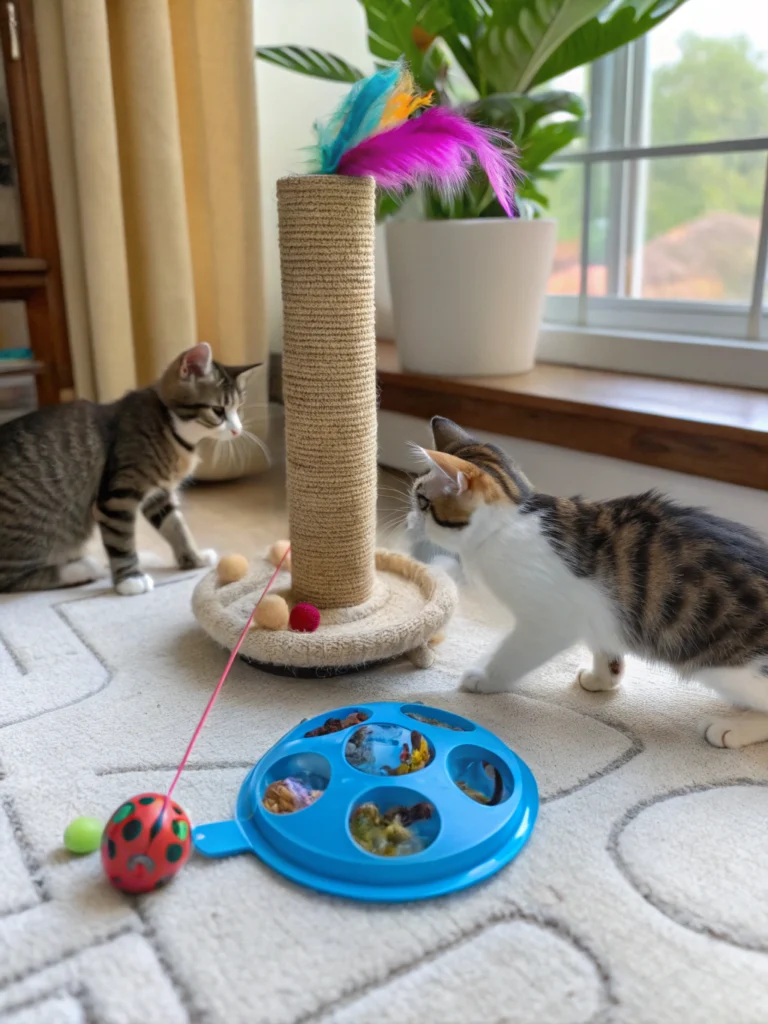
Interactive Toys: Puzzle feeders, feather wands, laser pointers, and motorized mice are crucial for expending energy. Rotating toys keeps engagement high and prevents boredom.
Scratching Posts: Tall, sturdy scratching posts satisfy natural instincts and prevent destructive nighttime scratching on furniture.
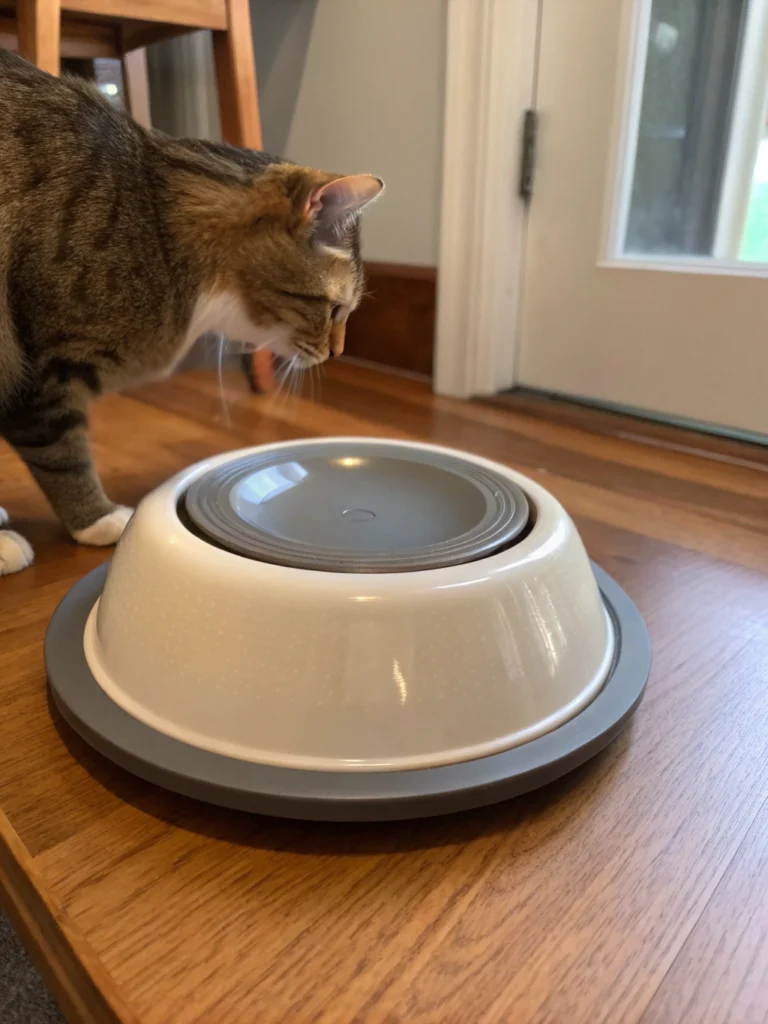
Automated Feeders: Timed feeders can distribute small meals throughout the night, reducing hunger-driven wake-up calls.
Cat Beds: Comfortable, warm beds placed in quiet areas encourage cats to settle down for longer sleep periods.
Water Fountains: Fresh, flowing water encourages hydration and can occupy cats who wake up thirsty.
Enrichment Items: Cat tunnels, window perches, and climbing trees provide daytime stimulation that promotes better nighttime rest.
Calming Aids: Pheromone diffusers, calming sprays, or special blankets can create a soothing environment conducive to sleep.
Timeline / Progress Expectations
Understanding the timeline for behavioral changes helps set realistic expectations when managing nighttime cat behavior.
Week 1-2: Initial adjustment period where you implement new routines. Your cat may resist changes, and disruptions might temporarily increase as they adapt to new feeding schedules, play sessions, and bedtime routines.
Week 3-4: Most cats begin showing noticeable improvements. Nighttime activity typically decreases by 30-40% as they adjust to increased daytime stimulation and consistent routines.
Week 5-8: Significant behavioral shifts occur. Cats generally settle into new patterns, with 60-70% of owners reporting substantially quieter nights.
Month 3+: Full adaptation. Most cats establish stable sleep-wake cycles aligned with household routines, though occasional disruptions may occur during seasonal changes or stressful periods.
Daily Routine: Consistency is critical. Plan for 20-30 minutes of active play before your bedtime, feed the final meal shortly after, and maintain this schedule within a 30-minute window each night.
Seasonal Considerations: During winter months with shorter daylight, cats may require additional daytime enrichment. Summer’s longer days often naturally align better with desired sleep patterns.
Step-by-Step Instructions to Manage Nighttime Cat Behavior
Step 1: Establish a Consistent Evening Play Routine
Schedule an intensive 15-20 minute interactive play session 30-60 minutes before your bedtime. Use wand toys to simulate hunting behaviors, allowing your cat to stalk, chase, pounce, and “catch” prey. Gradually wind down the activity, mimicking the natural hunt-eat-groom-sleep cycle.
Step 2: Implement Strategic Feeding Times
Feed your cat’s largest meal immediately after the evening play session. This mimics the natural pattern of eating after a successful hunt, triggering the grooming and sleeping phases. Consider splitting daily food into 3-4 smaller meals, with the last one right before bed.
Step 3: Create an Enriching Daytime Environment
While you’re away, provide puzzle feeders, hide treats around the house, leave window perches accessible for bird-watching, and rotate toys to maintain novelty. This prevents excessive daytime sleeping that leads to nighttime energy surges.
Step 4: Establish Bedroom Boundaries
Decide whether your cat sleeps in your bedroom. If yes, create a comfortable sleeping spot away from your bed. If no, establish this boundary consistently, ignoring nighttime requests for entry. Provide an attractive alternative sleeping area with a heated bed or soft blankets.
Step 5: Ignore Attention-Seeking Behaviors
When your cat wakes you for attention, resist responding. Any interaction—even negative—reinforces the behavior. Use earplugs if necessary and remain completely unresponsive until your normal wake time.
Step 6: Address Underlying Health Issues
Schedule a veterinary checkup to rule out medical causes like hyperthyroidism, cognitive dysfunction, or pain that might be causing nighttime restlessness, especially in senior cats.
Health Benefits / Cat Advantages
Properly managing nighttime cat behavior delivers substantial benefits for your feline’s overall wellbeing:
Improved Physical Health: Regular exercise through structured play sessions maintains healthy weight, builds muscle tone, and supports cardiovascular health. Studies show cats with consistent activity schedules have a 25% lower obesity risk.
Enhanced Mental Stimulation: Enrichment activities reduce stress and anxiety by 40%, decrease destructive behaviors, and provide cognitive engagement that keeps cats mentally sharp, particularly important for senior cats.
Better Sleep Quality: Cats sleeping through the night experience more restorative rest, which supports immune function and overall vitality. Well-rested cats show improved mood and social interactions.
Reduced Stress Behaviors: Consistent routines decrease anxiety-driven behaviors like excessive vocalization, inappropriate elimination, and aggression. Predictability creates security.
Strengthened Bond: Interactive play and consistent care routines deepen the human-cat connection, increasing trust and affection while reducing behavioral problems rooted in attention-seeking.
Alternative Methods & Tips
For Small Living Spaces: Utilize vertical space with wall-mounted shelves and tall cat trees. Rotating toys frequently prevents boredom without requiring storage space for numerous items simultaneously.
For Multi-Cat Households: Ensure adequate resources—multiple feeding stations, litter boxes, and sleeping areas—to reduce nighttime competition and territorial disputes that cause disturbances.
Budget-Friendly Enrichment: Create DIY puzzle feeders from cardboard boxes, use crumpled paper balls for chase games, and repurpose old t-shirts as snuggle toys. Window bird feeders provide free entertainment.
For Senior Cats: Install nightlights to help aging cats navigate safely. Provide orthopedic beds and ensure litter boxes have low entry points. Senior cats may need more frequent, smaller meals.
For High-Energy Breeds: Bengals, Abyssinians, and Siamese require extra stimulation. Consider clicker training, cat wheels, or leash training for additional energy outlets.
Climate Considerations: In hot climates, cats may be more active at night when temperatures cool. Ensure adequate cooling and hydration. In cold weather, provide extra warm sleeping spots.
Common Mistakes to Avoid
Inconsistent Schedules: Varying feeding and play times confuses cats and prevents establishing stable routines. Maintain consistency even on weekends.
Insufficient Daytime Stimulation: Allowing cats to sleep all day guarantees nighttime activity. Provide enrichment even when you’re not home.
Responding to Nighttime Demands: Feeding, playing, or even scolding your cat during the night reinforces wake-up behaviors. Complete non-response is essential.
Inadequate Exercise: A brief play session isn’t enough for most cats. Aim for at least two 15-minute high-intensity sessions daily.
Ignoring Medical Issues: Sudden behavioral changes, increased vocalization, or restlessness in previously calm cats may indicate pain, thyroid issues, or cognitive decline requiring veterinary attention.
Free-Feeding: Unlimited food access eliminates hunger-driven routines and contributes to obesity. Scheduled meals support natural rhythms.
Punishment: Scolding or punishing cats for natural behaviors creates anxiety without solving problems. Redirect energy through positive alternatives instead.
Storage & Maintenance Tips
Food Storage: Keep dry food in airtight containers in cool, dry locations to maintain freshness. Refrigerate opened wet food for maximum 3 days. Label containers with opening dates.
Litter Box Maintenance: Scoop at least twice daily, with one session right before bedtime to encourage nighttime use. Complete litter changes weekly for clumping litter, twice weekly for non-clumping varieties.
Toy Hygiene: Wash fabric toys weekly in hot water. Wipe hard toys with pet-safe disinfectant. Discard damaged toys that could pose choking hazards.
Feeding Station Cleanliness: Wash food and water bowls daily with hot, soapy water. Clean automated feeders weekly to prevent bacterial growth.
Bedding Care: Launder cat beds every 1-2 weeks in hot water to eliminate oils, dander, and potential parasites.
Seasonal Deep Cleaning: Quarterly, thoroughly clean all cat areas, wash window perches, vacuum cat trees, and sanitize carriers and litter box areas.
Conclusion
Managing nighttime cat behavior requires patience, consistency, and understanding of your cat’s natural instincts. By implementing structured play routines, strategic feeding schedules, and providing adequate daytime enrichment, you can transform disruptive nights into peaceful rest for both you and your feline companion. Remember that behavioral changes take time—typically 4-8 weeks—and consistency is the key to success. Start with one or two strategies tonight, and gradually build a comprehensive routine that works for your household. Your cat’s nighttime behavior is manageable and changeable with the right approach. Share your experiences in the comments below, and explore our other cat behavior guides for additional tips on creating a harmonious home with your feline friend.
FAQs
Why is my cat so active at night?
Cats are naturally crepuscular, meaning they’re most active during dawn and dusk. This instinct stems from their wild ancestors who hunted during these times. Insufficient daytime stimulation, irregular feeding schedules, and boredom can amplify nighttime activity. Implementing structured play sessions and consistent routines typically reduces this behavior significantly.
How long does it take to change my cat’s nighttime behavior?
Most cats show initial improvements within 2-3 weeks of consistent routine implementation, with significant changes occurring by week 6-8. However, complete adaptation may take 3 months. Success depends on consistency—deviating from established schedules can reset progress. Patience and persistence are essential.
Should I let my cat sleep in my bedroom?
This is a personal choice. If your cat sleeps quietly, bedroom access can strengthen your bond. However, if nighttime disturbances occur, establishing bedroom boundaries may be necessary. Provide an attractive alternative sleeping area and consistently enforce boundaries. Some cats adapt well to closed doors within 1-2 weeks.
Can medical issues cause increased nighttime activity?
Yes. Hyperthyroidism, cognitive dysfunction, arthritis pain, and urinary tract issues commonly cause nighttime restlessness, especially in senior cats. Sudden behavioral changes warrant veterinary evaluation. Rule out medical causes before attributing behavior solely to routine or environmental factors.
What’s the best way to tire out my cat before bedtime?
Interactive play sessions using wand toys that simulate prey movement are most effective. Engage your cat in 15-20 minutes of intensive chase, pounce, and capture activities, gradually winding down. Follow immediately with a meal to trigger the natural hunt-eat-groom-sleep cycle, maximizing the sleep-inducing effect.