Indoor Cat Exercise Routine: Keep Your Cat Active Daily
Indoor Cat Exercise Routine: Keep Your Cat Active Daily
Table of Contents
Introduction
Do you ever catch your indoor feline staring longingly out the window, tail twitching with pent-up energy? Indoor cats often struggle with getting enough physical activity, which can lead to obesity, behavioral issues, and health problems. Establishing a consistent cat exercise routine isn’t just beneficial—it’s essential for your pet’s physical and mental wellbeing. With limited space and natural hunting opportunities, our indoor feline friends rely on us to create engaging activities that satisfy their natural instincts while keeping them physically fit.
Materials & Supplies
To create an effective indoor cat workout regimen, you’ll need:
- Interactive wand toys (feathers, ribbons, or mouse attachments)
- Laser pointer (use cautiously and always provide a physical reward)
- Cat tree or climbing shelves (at least 5-6 feet tall)
- Puzzle feeders or treat-dispensing toys
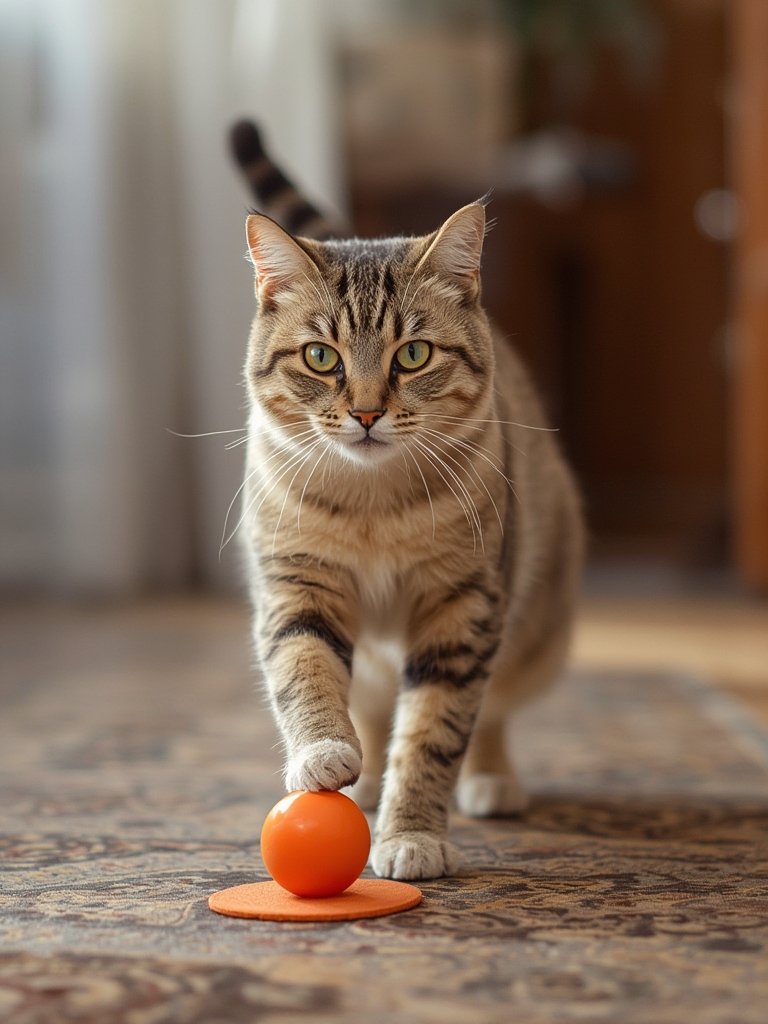
- Small balls or crinkle toys
- Cat tunnel or play tent
- Cardboard boxes (free alternative to commercial play structures)
- Catnip toys (if your cat responds to catnip)
- Cat wheel or exercise wheel (optional but highly effective)
Each item serves a different purpose in stimulating your cat’s hunting, climbing, and pouncing instincts.
Timing / Exercise Schedule
Cats naturally follow a hunt-eat-groom-sleep cycle. The optimal exercise schedule includes 2-3 play sessions daily, lasting 10-15 minutes each. Morning and evening sessions typically yield the best engagement as these align with cats’ natural active periods. Expect to see increased energy levels within 1-2 weeks of implementing a regular routine, with noticeable physical improvements within 4-6 weeks for overweight cats.
Step-by-Step Instructions
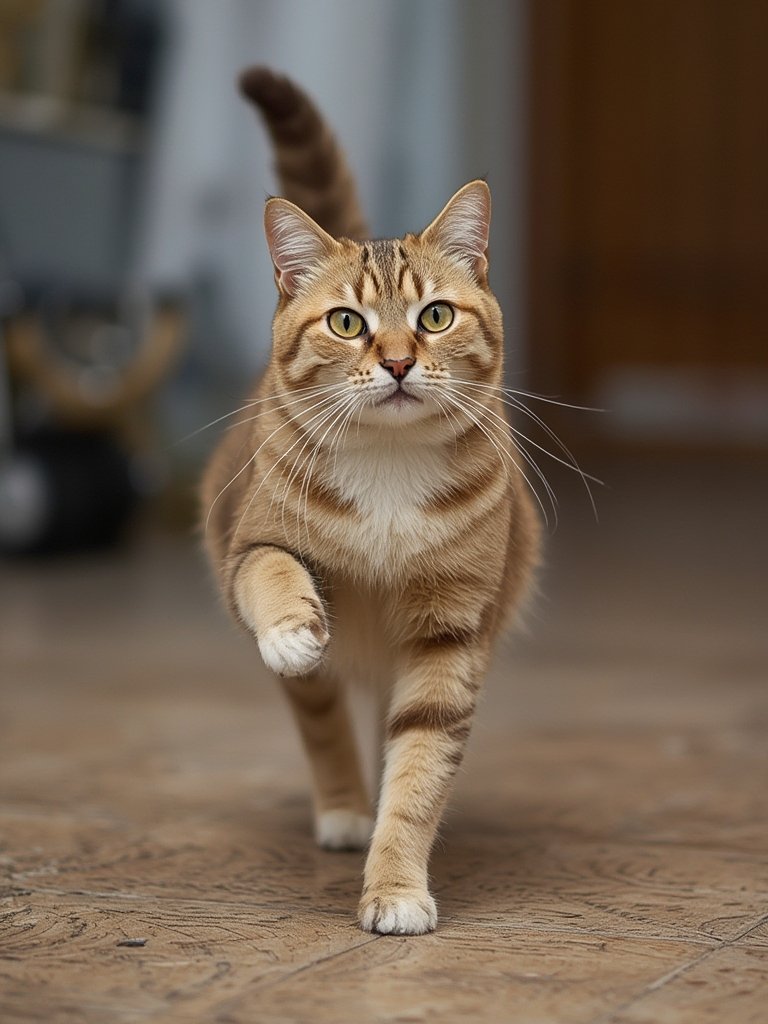
Start with observation: Monitor when your cat is naturally most active and schedule playtimes accordingly. Cats are crepuscular, meaning they’re most active at dawn and dusk.
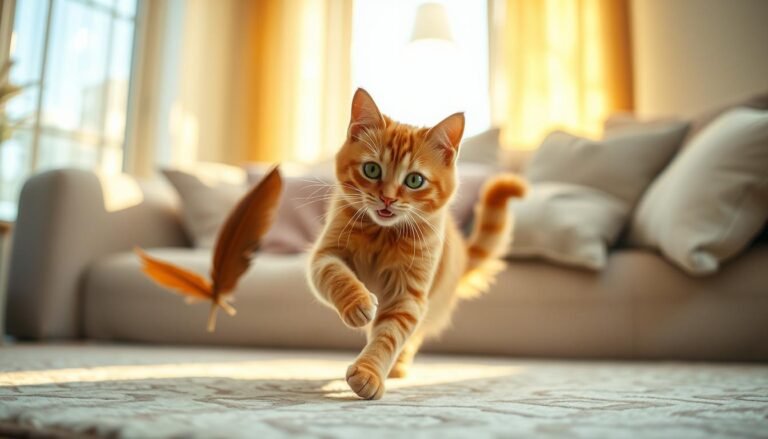
Warm-up with interactive play: Begin with gentle movement of wand toys, mimicking prey movement—low to the ground with erratic movements rather than wild waving.
Incorporate vertical exercise: Encourage climbing on cat trees or shelves by placing treats or toys at different heights. This engages different muscle groups and satisfies territorial needs.
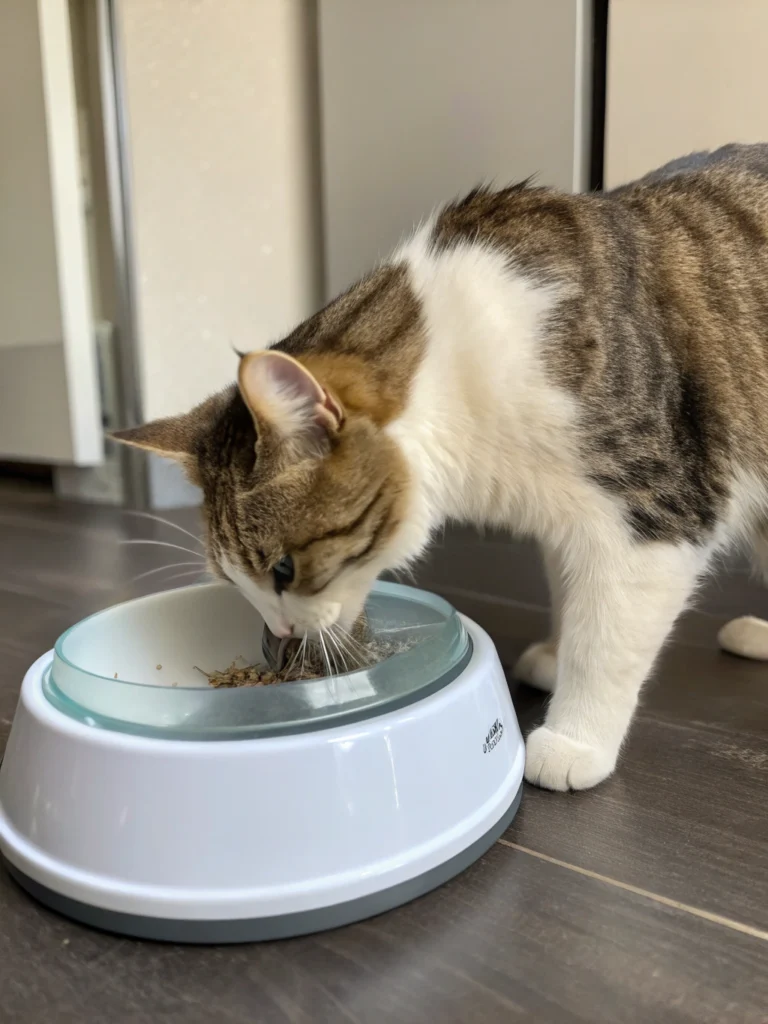
Add puzzle challenges: Use treat-dispensing toys during feeding time to combine mental stimulation with physical activity. Start with easier puzzles and gradually increase difficulty.
Create a circuit routine: Rotate between different toys and activities every 3-4 minutes to prevent boredom and engage various natural behaviors.
Cool down gradually: End sessions by slowing toy movements, allowing your cat to “capture” the prey for a satisfying conclusion.
Health Benefits
Regular exercise provides numerous benefits for indoor cats, including weight management, improved joint health, and reduced behavioral problems. Active cats experience better digestive health, enhanced immune function, and improved sleep quality. Exercise also decreases stress and anxiety, reducing problematic behaviors like excessive grooming or inappropriate elimination.
Tips and Alternative Methods
- Create “cat TV” by placing bird feeders outside windows
- Rotate toys weekly to maintain interest
- Use vertical space with wall-mounted shelves for climbing routes
- Consider clicker training for mental stimulation alongside physical activity
- For multi-cat households, provide both individual and group play options
- Use mealtime as exercise time with food puzzles or hiding kibble around the house
Common Mistakes to Avoid
- Overexerting senior cats: Adjust intensity based on age and health—shorter, gentler sessions for older cats
- Inconsistent scheduling: Cats thrive on routine; irregular play leads to disinterest
- Using hands as toys: This encourages aggressive play toward human body parts
- Abandoning toys mid-play: Always let your cat “catch” something to satisfy hunting instinct
- Relying solely on self-play toys: Interactive human-cat play creates bonding and ensures sufficient activity
Maintenance Tips
Sustain your cat’s interest by refreshing their exercise environment regularly. Store toys in catnip to renew appeal when rotated back into use. Clean fabric toys monthly to remove saliva buildup. Check climbing structures quarterly for stability. Track your cat’s activity level and weight monthly, adjusting the routine as needed for age and health changes.
Conclusion
Implementing a consistent cat exercise routine transforms your indoor cat’s life, providing essential physical activity and mental stimulation. With just 30-45 minutes of dedicated play daily, you can significantly improve your cat’s health, behavior, and happiness. Start small and gradually build up—your feline friend will thank you with improved mood, better health, and deeper bonding. What exercise will you try first with your indoor companion?
FAQs
How much exercise does my indoor cat need daily?
Most indoor cats need 30-45 minutes of active play daily, ideally divided into 2-3 sessions to match their natural activity cycles.
Can I exercise my senior cat the same way as a kitten?
No, senior cats need gentler, shorter sessions focusing on stretching and mental engagement rather than high-energy play. Consult your vet for age-appropriate exercises.
My cat ignores toys. How can I encourage play?
Try different toy types, use enticing movements mimicking prey, incorporate catnip if effective, and schedule play during natural active periods (dawn/dusk).
Is a laser pointer a good exercise tool for cats?
While engaging, laser pointers can cause frustration since cats can’t “catch” them. If using one, always end by directing the dot to a physical toy your cat can capture.
How do I exercise my overweight cat safely?
Start with very short, gentle sessions (3-5 minutes), gradually increasing duration rather than intensity. Combine with appropriate diet changes under veterinary guidance.