how to stop cat scratching Furniture
how to stop cat scratching
Table of Contents
how to stop cat scratching
Have you ever returned home to discover your beloved sofa has become your cat’s newest scratching post? You’re not alone! Feline scratching is a natural behavior, but it doesn’t have to destroy your home. how to stop cat scratching furniture requires understanding why cats scratch in the first place and implementing effective deterrents. This common issue affects nearly 80% of cat owners, but with the right approach, you can protect your stop scratching furniture while keeping your feline friend happy and healthy.
Materials & Supplies : how to stop cat scratching
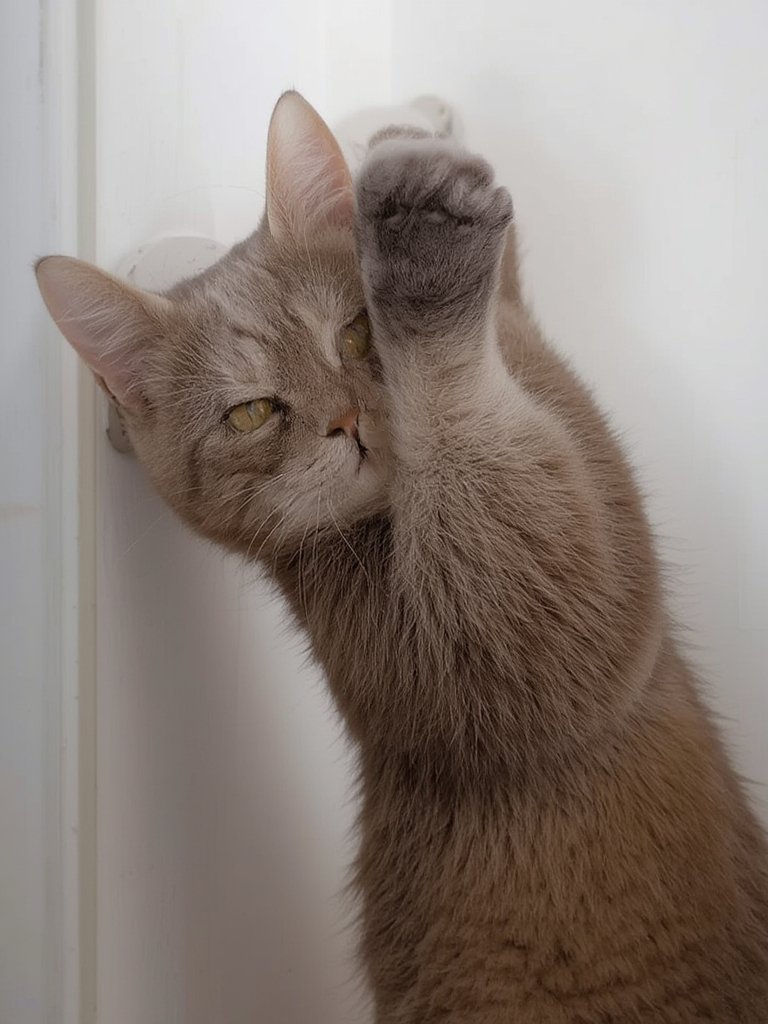
To effectively redirect your cat’s scratching behavior, you’ll need:
- Scratching posts (both vertical and horizontal options)
- Cat trees with sisal rope or carpet surfaces
- Double-sided tape or protective vinyl sheets
- Aluminum foil for temporary furniture protection
- Cat-friendly deterrent spray (citrus or herbal-based)
- Nail clippers or pet nail trimmer
- Soft nail caps (Soft Paws or similar brands)
- Cat toys for distraction and energy release
- Catnip or silvervine to attract cats to appropriate scratching surfaces
- Treats for positive reinforcement
Each item serves a specific purpose in your anti-scratching strategy, from providing alternatives to protecting furniture surfaces temporarily.
Timing / Training Schedule
Redirecting scratching behavior typically requires 2-4 weeks of consistent training. Most cats begin to show improved behavior within 7-10 days when deterrents and alternatives are consistently used. Compared to other behavioral modifications, scratching redirection is relatively quick—much faster than litter box retraining, which can take months. Plan for daily training sessions of 5-10 minutes, particularly after naps when cats naturally stretch and scratch.
Step-by-Step Instructions

Identify your cat’s preferences – Observe whether your cat prefers horizontal or vertical scratching surfaces and what materials they’re drawn to. This insight helps select appropriate alternatives.
Place scratching posts strategically – Position posts near furniture being scratched and in high-traffic areas. Pro tip: Place them near sleeping areas, as cats often scratch after waking up.
Make current scratching spots unattractive – Apply double-sided tape or aluminum foil to furniture edges your cat targets. Cats dislike these textures against their paws.
Introduce alternative scratching surfaces – Sprinkle catnip on new scratching posts or use toys to play around them, creating positive associations.
Maintain regular nail trimming – Trim your cat’s claws every 2-3 weeks to reduce damage, being careful to only cut the transparent tip.
Use positive reinforcement – Reward your cat with treats and praise when they use appropriate scratching surfaces.
Apply deterrent sprays if necessary – Use pet-safe citrus or herbal sprays on furniture, refreshing every few days until new habits form.
Benefits of Proper Scratching Management
Implementing proper scratching management benefits both you and your cat. It preserves your furniture’s condition while supporting your cat’s physical and psychological health. Scratching is essential for cats to remove dead outer nail sheaths, mark territory, and stretch muscles. Providing appropriate outlets reduces stress-related behaviors and can decrease overall household tension by 60%, according to veterinary behavioral studies.
Alternative Methods and Strategies
Consider these variations based on your situation:
- For multi-cat households: Provide at least one scratching post per cat plus one extra
- For small spaces: Wall-mounted scratching boards require minimal floor space
- For persistent scratchers: Temporary soft nail caps (replaced every 4-6 weeks)
- For elderly cats: Lower-height scratching posts that don’t require extensive climbing
Common Mistakes to Avoid
- Punishing scratching behavior – This creates anxiety and can worsen behavior. Instead, redirect to appropriate surfaces.
- Providing too few alternatives – Most households need 3-5 scratching options in different locations.
- Choosing unstable scratching posts – Wobbly posts scare cats away; ensure all posts are sturdy and tall enough for a full stretch.
- Inconsistent training – Everyone in the household must follow the same rules to avoid confusion.
- Declawing – This painful amputation procedure causes long-term physical and psychological harm and is increasingly banned worldwide.
Maintenance Tips
Maintain your anti-scratching system by refreshing scratching posts every 6-12 months as they wear down. Vacuum sisal surfaces weekly to remove loose fibers. Replace double-sided tape when it loses stickiness, typically every 2-3 weeks. Continue nail trimming sessions every 2-3 weeks even after scratching behavior improves, and refresh catnip on appropriate scratching surfaces monthly to maintain interest.
Conclusion
Successfully stopping cats from scratching furniture requires patience, consistency, and understanding of natural feline behavior. By providing attractive alternatives, making furniture less appealing, and using positive reinforcement, you can redirect your cat’s scratching instincts without conflict. Remember that scratching is vital for your cat’s physical and emotional well-being—your goal is redirection, not elimination of the behavior. Try these methods and share your success stories or questions in the comments below!
FAQs
How long does it take to retrain a cat’s scratching behavior?
Most cats show improvement within 1-2 weeks with consistent training, though complete habit change may take up to a month.
Can older cats learn to stop scratching furniture?
Yes! While it may take longer than with kittens, older cats can successfully learn new scratching habits with patience and appropriate alternatives.
Will neutering my cat reduce scratching behavior?
Neutering can reduce territorial marking through scratching by approximately 80% but won’t eliminate scratching entirely as it’s also used for nail maintenance.
Is it okay to use multiple deterrent methods simultaneously?
Yes, a multi-faceted approach using both deterrents and attractive alternatives typically works best for most cats.
How can I tell if my cat’s scratching is normal or excessive?
Normal scratching occurs several times daily, particularly after sleeping and during play. Excessive, obsessive scratching might indicate anxiety or medical issues and warrants veterinary consultation.