How to Reduce Cat Stress Naturally IN 2026
How to Reduce Cat Stress Naturally IN 2026
Table of Contents
How to Reduce Cat Stress Naturally
Introduction
Did you know that over 50% of household cats experience chronic stress, often without their owners realizing it? According to veterinary behaviorists, prolonged stress in cats can lead to serious health issues including urinary problems, digestive disorders, and behavioral challenges. The good news is that understanding how to reduce cat stress naturally can transform your feline friend’s quality of life without expensive medications or complicated interventions. In this comprehensive guide, you’ll discover science-backed, natural methods to create a calm, enriching environment that addresses the root causes of feline anxiety. Whether your cat is stressed from environmental changes, lack of stimulation, or health concerns, these practical strategies will help you restore peace and wellbeing to your furry companion’s daily routine.
Cat Supplies & Essentials
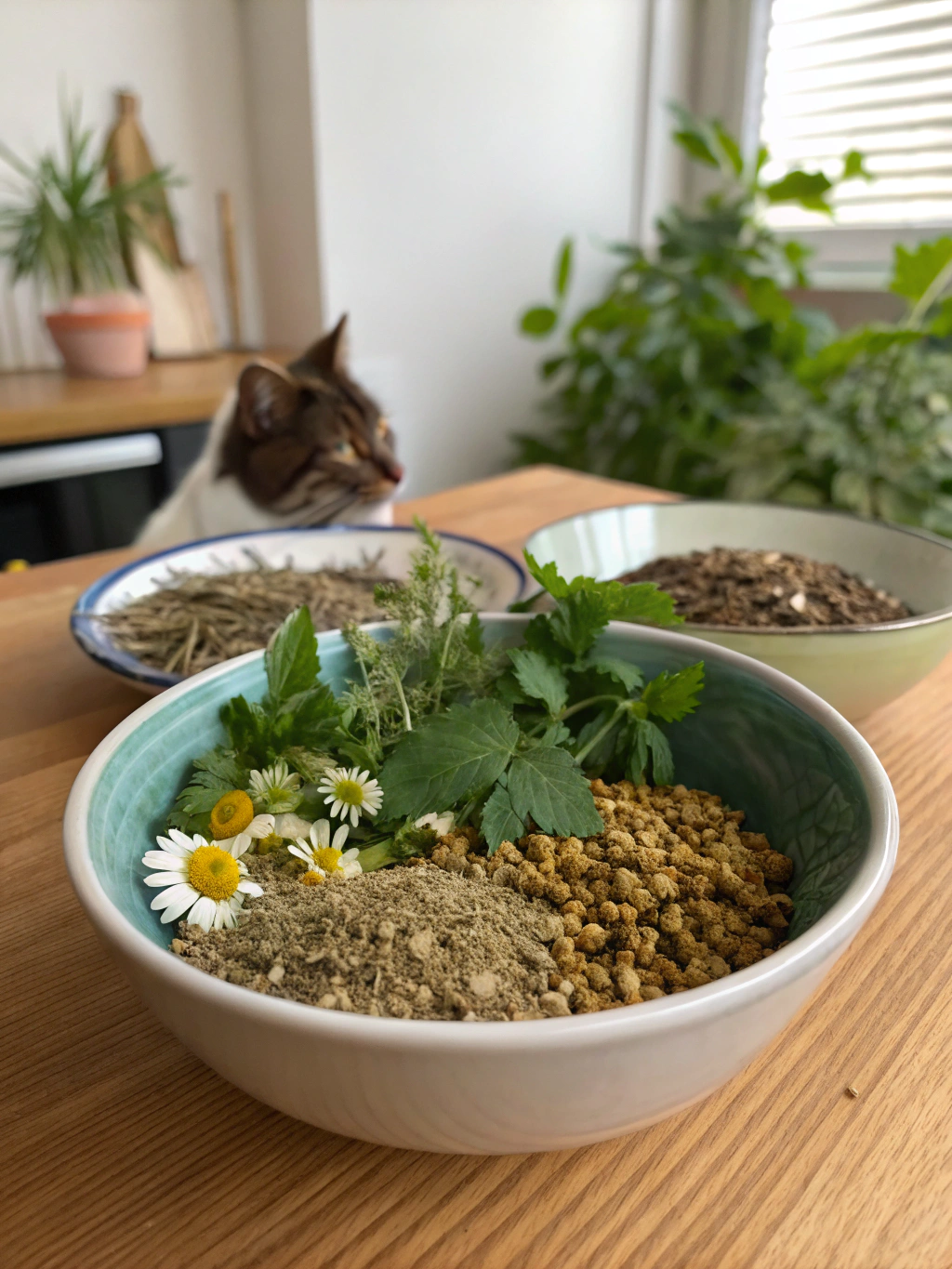
Creating a stress-free environment begins with the right supplies. Here’s what every cat owner needs to calm cats naturally:
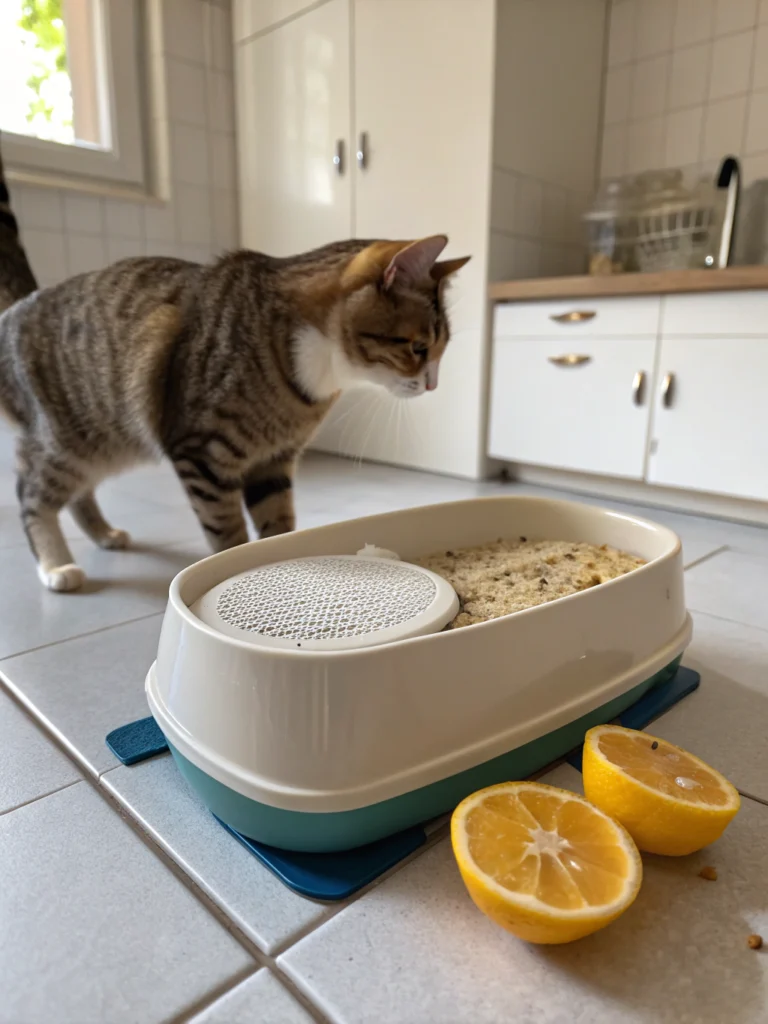
Litter Boxes: Provide one box per cat, plus one extra. Choose unscented litter and large, uncovered boxes to reduce anxiety around elimination. Proper litter box setup is critical for reducing territorial stress.
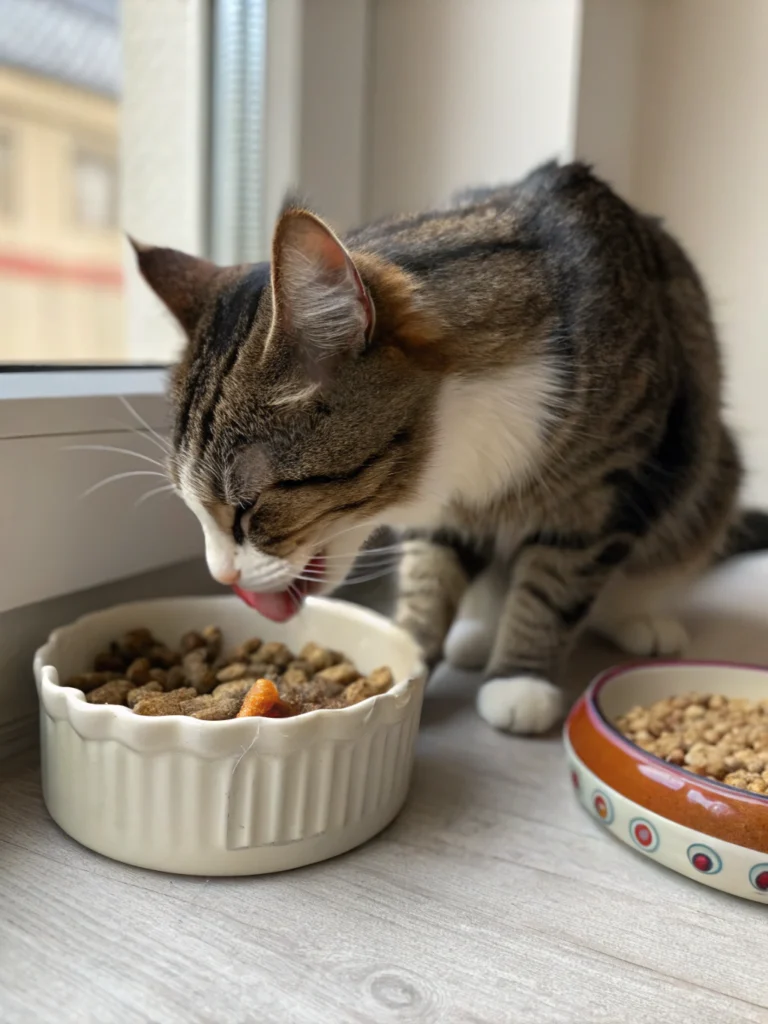
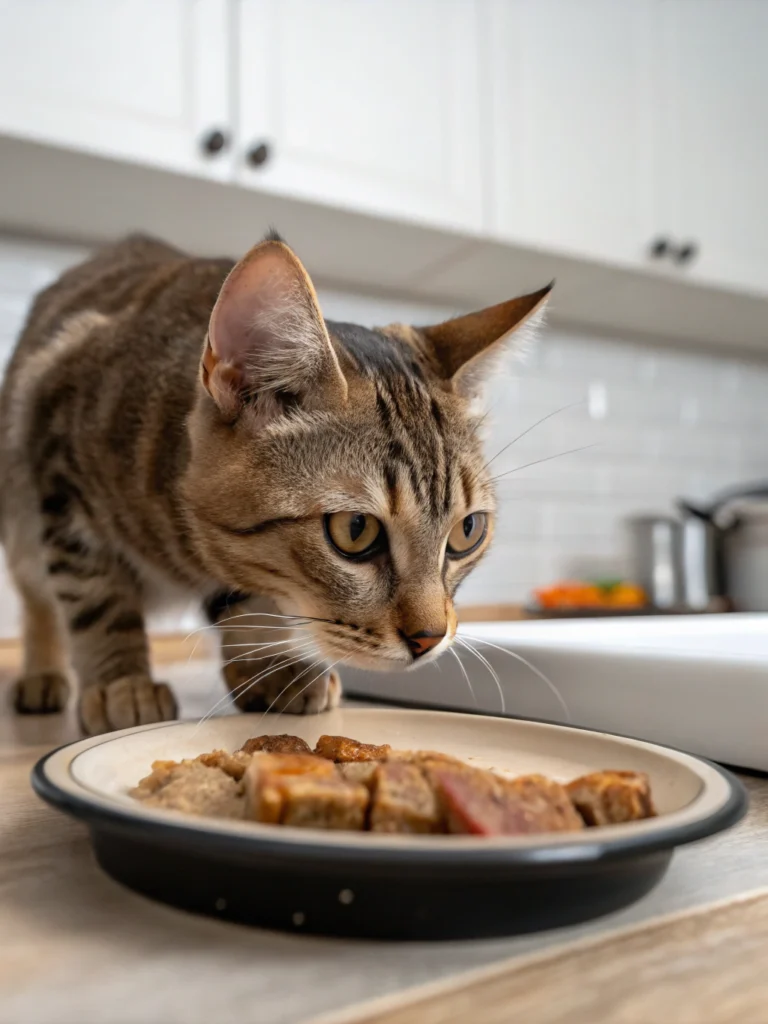
High-Quality Cat Food: Premium nutrition with adequate protein and minimal fillers supports brain health and mood regulation. Consider stress-relief formulas containing L-theanine or tryptophan.
Interactive Toys: Puzzle feeders, wand toys, and treat-dispensing balls provide mental stimulation and reduce boredom-related stress. Rotate toys weekly to maintain novelty.
Scratching Posts: Multiple sturdy posts positioned near sleeping areas and entry points give cats appropriate outlets for marking behavior and stress relief.
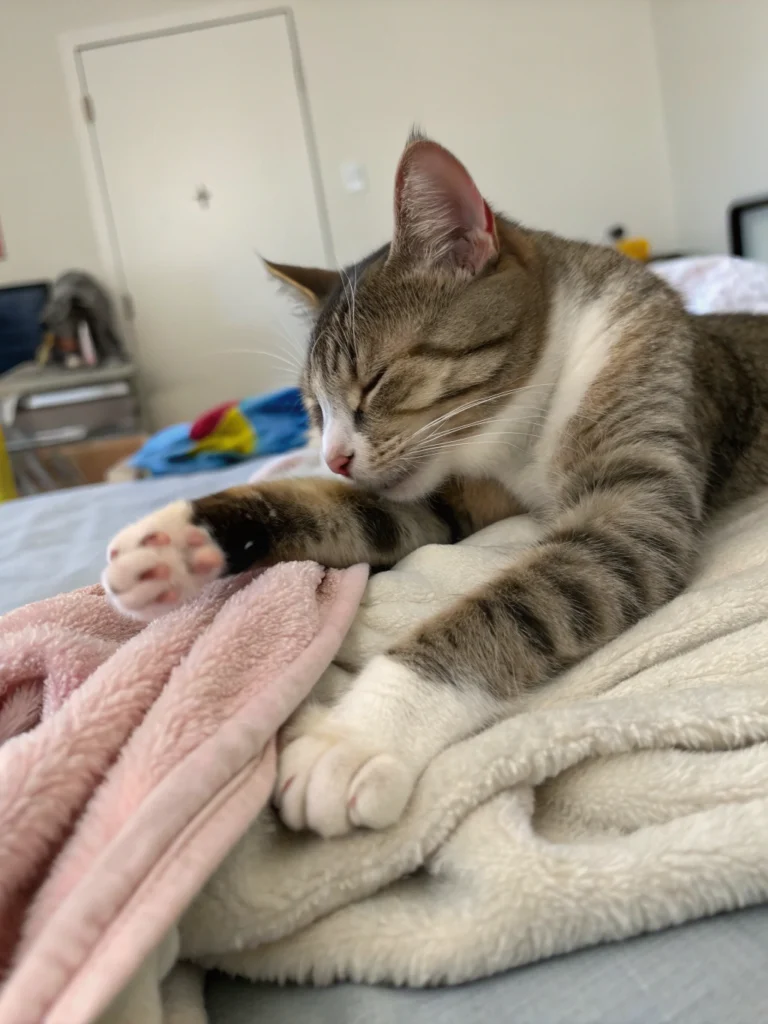
Comfortable Beds: Elevated perches, enclosed caves, and soft bedding in quiet locations provide essential safe spaces for anxious cats.
Pheromone Diffusers: Synthetic calming pheromones like Feliway mimic natural facial pheromones that signal safety and comfort.
Cat Carriers: A familiar, comfortable carrier reduces travel anxiety. Keep it accessible with soft bedding as an optional hiding spot.
Water Fountains: Running water encourages hydration, which supports overall health and stress resilience.
Optional Items: Catnip toys, cat grass, window perches, and calming music playlists designed specifically for feline relaxation.
Timeline / Progress Expectations
Understanding realistic timeframes helps manage expectations when implementing stress-reduction strategies:
Days 1-3: Initial introduction of pheromone diffusers and environmental modifications. Some cats show immediate curiosity; others may be cautious.
Week 1: Begin structured play sessions (10-15 minutes twice daily). Most cats start engaging with new toys and showing increased activity levels.
Weeks 2-3: Noticeable improvements in appetite, grooming habits, and social interaction. Stress-related behaviors like hiding or aggression typically decrease by 30-40%.
Weeks 4-6: Significant behavioral changes become evident. Cats establish new routines around play, feeding, and rest. Litter box consistency improves substantially.
Months 2-3: Long-term stress reduction solidifies. Cats display more confident body language, vocalize less anxiously, and show improved relationships with household members.
Ongoing Maintenance: Continue daily enrichment activities, weekly environmental rotations, and seasonal adjustments to maintain stress-free living. Some cats require 3-6 months for complete behavioral transformation, especially when recovering from traumatic experiences.
Step-by-Step Instructions
Step 1: Create Vertical Territory
Install cat trees, wall shelves, or window perches at varying heights. Vertical space reduces territorial conflicts in multi-cat households and provides observation points that make cats feel secure. Position perches near windows for environmental enrichment.
Step 2: Establish Consistent Routines
Feed at the same times daily, maintain regular play sessions, and keep litter box cleaning schedules consistent. Cats are creatures of habit; predictability significantly reduces anxiety and stress hormones.
Step 3: Implement Daily Play Therapy
Engage in two 10-15 minute interactive play sessions daily using wand toys that mimic prey movements. This provides physical exercise, mental stimulation, and helps discharge anxious energy naturally.
Step 4: Optimize Environmental Enrichment
Rotate toys weekly, introduce puzzle feeders, provide cat-safe plants like cat grass, and play nature sounds or calming music. Enrichment prevents boredom, a significant stress contributor for indoor cats.
Step 5: Create Safe Hiding Spaces
Ensure every cat has access to quiet, enclosed areas where they can retreat when overwhelmed. Cardboard boxes, cat tunnels, or covered beds work perfectly as stress-relief sanctuaries.
Step 6: Practice Gentle Handling Techniques
Respect your cat’s boundaries. Allow them to initiate contact, use slow movements, speak softly, and never force interactions. Building trust through patient, positive associations reduces handling-related stress.
Health Benefits / Cat Advantages
Implementing natural stress-reduction techniques delivers measurable health improvements:
Immune System Support: Studies show stressed cats have 40% higher cortisol levels, which suppresses immune function. Reducing stress naturally strengthens disease resistance.
Digestive Health: Approximately 60% of stress-related gastrointestinal issues resolve when environmental stressors are eliminated, reducing vomiting, diarrhea, and inflammatory bowel symptoms.
Urinary Tract Health: Stress is the primary trigger for feline idiopathic cystitis. Natural calming methods reduce recurrence rates by up to 75%.
Behavioral Improvements: Reduced aggression, less inappropriate elimination, decreased excessive vocalization, and improved sociability emerge when cats feel secure.
Extended Longevity: Chronic stress accelerates aging and disease progression. Calm, enriched cats often live 2-3 years longer than chronically stressed counterparts.
Enhanced Bond: Stress-free cats are more affectionate, playful, and responsive to their owners, strengthening the human-animal bond significantly.
Alternative Methods & Tips
For Small Living Spaces: Maximize vertical territory with wall-mounted shelves, use furniture-integrated cat trees, and create multi-functional spaces where enrichment items serve dual purposes.
Budget-Friendly Options: DIY toys from cardboard boxes, paper bags, and household items work excellently. Homemade puzzle feeders using toilet paper rolls cost nothing but provide substantial enrichment.
Multi-Cat Households: Ensure resource multiplication (multiple feeding stations, water sources, and litter boxes) to prevent competition-based stress. Create separate vertical territories for each cat.
Senior Cats: Provide easy-access litter boxes, heated beds for arthritic joints, and gentler play options. Senior cats need more frequent, shorter enrichment sessions.
Different Climates: In hot climates, ensure multiple water sources and cool resting spots. In cold climates, provide heated beds and avoid drafty areas.
Personality Variations: Shy cats need more hiding spaces and quieter environments; confident cats require more challenging enrichment and interactive play opportunities.
Common Mistakes to Avoid
Insufficient Litter Boxes: The single most common cause of stress-related elimination problems. Always follow the “one per cat plus one” rule.
Inconsistent Routines: Irregular feeding times and unpredictable schedules create ongoing anxiety. Cats thrive on consistency.
Punishment-Based Training: Yelling, spraying water, or physical corrections dramatically increase stress and damage trust. Use positive reinforcement exclusively.
Over-Treating: Excessive treats lead to obesity, which compounds stress through reduced mobility and health problems. Limit treats to 10% of daily calories.
Neglecting Environmental Enrichment: Bored cats are stressed cats. Daily interactive play isn’t optional—it’s essential for mental health.
Forcing Social Interaction: Respecting a cat’s need for solitude prevents stress accumulation. Never force unwilling cats into social situations.
Ignoring Early Warning Signs: Subtle stress indicators like decreased grooming, appetite changes, or increased hiding often go unnoticed until problems become severe.
Storage & Maintenance Tips
Food Storage: Keep dry food in airtight containers in cool, dark locations. Refrigerate opened wet food for maximum 2-3 days. Fresh food prevents digestive stress.
Litter Box Maintenance: Scoop daily, completely change litter weekly, and deep-clean boxes monthly with enzyme cleaners to eliminate stress-inducing odors.
Toy Rotation System: Store toys in labeled containers, rotating them weekly to maintain novelty. Inspect toys monthly for damage that could cause injury or ingestion hazards.
Bedding Hygiene: Wash cat beds, blankets, and cushion covers bi-weekly in unscented detergent. Clean bedding reduces allergens and maintains comfort.
Pheromone Diffuser Replacement: Change diffuser refills monthly for consistent effectiveness. Position diffusers in areas where cats spend most time.
Scratching Post Maintenance: Replace worn sisal when threads become loose. Refresh catnip on posts monthly to maintain attractiveness.
Seasonal Deep Cleaning: Quarterly, thoroughly clean all cat areas, reorganize enrichment zones, and introduce new elements to prevent environmental monotony.
Conclusion
Reducing cat stress naturally isn’t just about happier cats—it’s about healthier, longer lives and stronger bonds with your feline companions. By implementing these evidence-based strategies, from environmental enrichment and consistent routines to proper supplies and interactive play, you’ll create a sanctuary where your cat can thrive. Remember that every cat is unique; observe your pet’s responses and adjust approaches accordingly. Start today with just one or two changes, and gradually build a comprehensive stress-reduction program tailored to your cat’s specific needs. Have you discovered unique methods that work for your stressed cat? Share your experiences in the comments below, and explore our related guides on feline behavior and wellness for even more expert insights.
FAQs
Q: How long does it take to see results when implementing natural stress-reduction methods?
Most cats show initial improvements within 1-2 weeks, with significant behavioral changes appearing within 4-6 weeks. Cats recovering from trauma or chronic stress may require 2-3 months for complete transformation. Consistency is key—maintain routines and environmental modifications even after improvements appear.
Q: Can stressed cats benefit from calming supplements or herbs?
Yes, natural supplements containing L-theanine, chamomile, valerian root, or CBD (veterinarian-approved) can support stress reduction when combined with environmental modifications. Always consult your veterinarian before introducing supplements to ensure safety and appropriate dosing for your cat’s specific situation.
Q: What are the most obvious signs my cat is experiencing stress?
Common indicators include excessive grooming or complete grooming cessation, changes in eating habits, increased hiding, aggression toward people or other pets, inappropriate elimination outside the litter box, excessive vocalization, and destructive scratching. Subtle signs include dilated pupils, flattened ears, and a tucked tail.
Q: Is it possible to have too much enrichment for a cat?
While enrichment is essential, overwhelming a cat with too many simultaneous changes or excessive stimulation can actually increase stress. Introduce new elements gradually, observe your cat’s responses, and allow adequate downtime in quiet spaces. Balance active play with peaceful rest periods throughout the day.
Q: Do all cats respond the same way to stress-reduction techniques?
No—individual personalities, past experiences, age, and health status all influence responses. Shy cats may prefer more hiding spaces and gentler approaches, while confident cats might need more challenging enrichment. Multi-cat households require additional considerations around resource competition. Tailor your approach to your specific cat’s temperament and preferences.