How to Keep Cats Active Indoors best in 2026
How to Keep Cats Active Indoors best in 2026
Table of Contents
How to Keep Cats Active Indoors
Introduction
Did you know that indoor cats can sleep up to 16 hours a day, and without proper stimulation, they’re at risk of obesity, diabetes, and behavioral issues? According to veterinary studies, nearly 60% of domestic cats are overweight, largely due to sedentary lifestyles. The good news is that learning how to keep cats active indoors doesn’t require expensive equipment or a large home—just creativity, consistency, and understanding your cat’s natural instincts. Whether you’re a first-time cat owner or looking to revitalize your feline’s routine, this guide will provide actionable strategies to transform your indoor space into an engaging playground that promotes physical health and mental stimulation.
Cat Supplies & Essentials
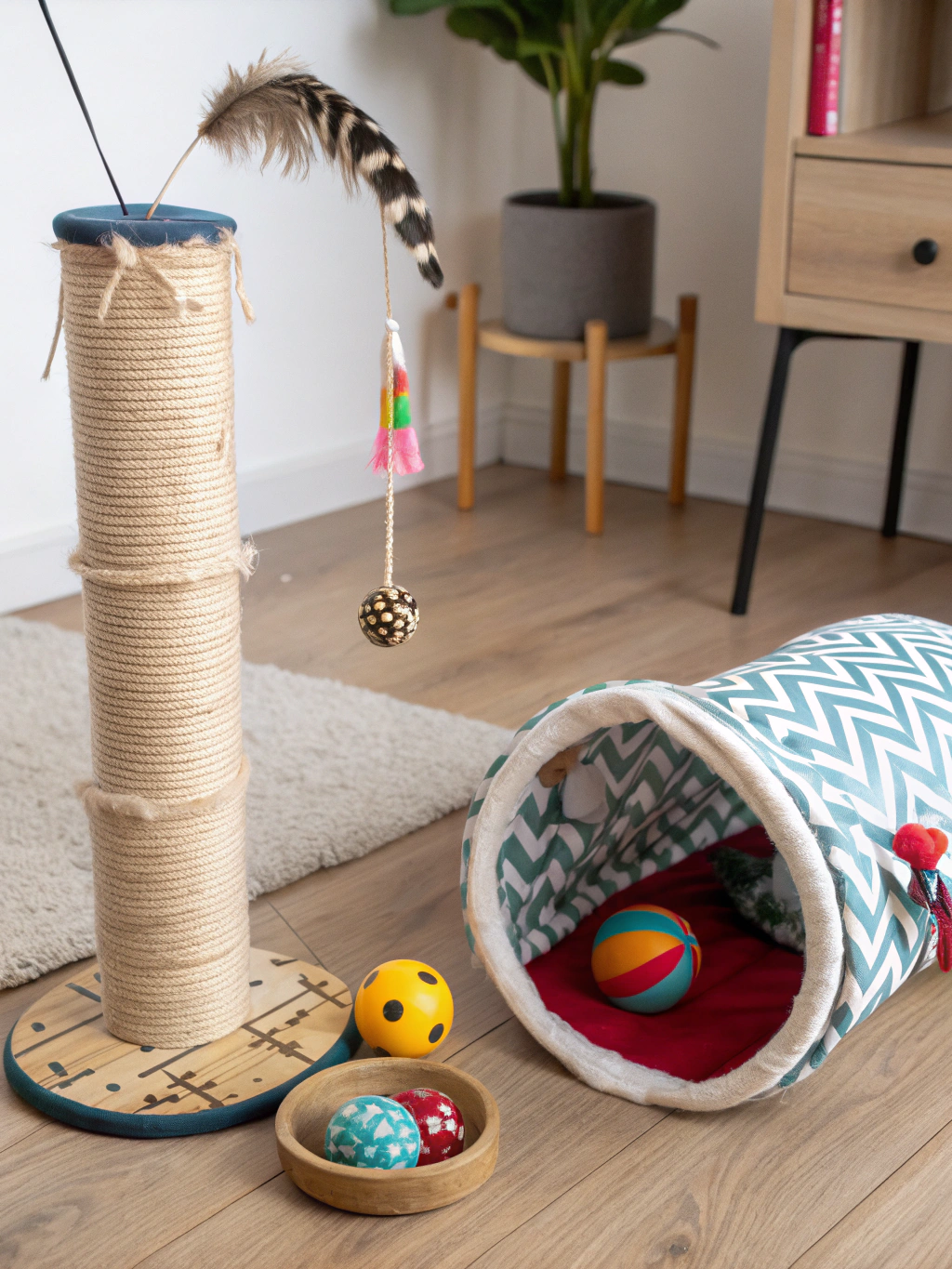
Creating an active indoor environment starts with the right supplies. Here’s a comprehensive list of essential and optional items:
Interactive Toys: Feather wands, laser pointers, and motorized mice stimulate hunting instincts and provide cardiovascular exercise. Rotate toys weekly to maintain novelty.
Cat Trees and Climbing Structures: Multi-level cat trees satisfy climbing instincts and provide vertical territory. Look for models with scratching posts, perches, and hiding spots.
Puzzle Feeders: These slow-feeding devices turn mealtime into mental exercise, preventing boredom and overeating. Options range from simple treat balls to complex puzzle boxes.
Scratching Posts: Essential for claw maintenance and stress relief. Place near sleeping areas and windows. Sisal-wrapped posts are most durable.
Window Perches: Suction-cup or shelf-style perches offer entertainment through bird-watching and sunbathing opportunities.
Tunnels and Hideaways: Collapsible tunnels and cardboard boxes create safe spaces for exploration and play.
Catnip and Silver Vine: Natural stimulants that encourage playful behavior in responsive cats (about 70% of cats react to catnip).
Quality Cat Food: High-protein, low-carbohydrate diets support lean muscle mass and energy levels necessary for active lifestyles.
Automated Toys: Battery-operated toys that move unpredictably can engage cats when you’re busy or away.
Cat Carrier: Essential for vet visits but can double as a cozy den when left accessible with soft bedding.
Timeline / Progress Expectations
Understanding realistic timelines helps set appropriate expectations for indoor cat activity improvements:
Week 1-2: Introduction phase. Your cat may be cautious with new toys or routines. Expect 5-10 minutes of active play daily as you learn their preferences.
Week 3-4: Habit formation begins. Most cats establish play patterns and show increased interest. Aim for 15-20 minutes of active play twice daily.
Month 2-3: Behavioral improvements become noticeable. Reduced destructive behaviors, better sleep patterns, and increased alertness are common. Weight management shows early results with proper diet.
Month 4-6: Long-term benefits emerge. Many cats lose 1-2% body weight monthly if overweight. Energy levels stabilize, and mental stimulation becomes routine.
Daily Routine: Morning and evening play sessions yield best results. Cats are crepuscular (most active at dawn and dusk), so schedule activities accordingly.
Seasonal Adjustments: Winter months may require increased indoor enrichment. Summer heat can reduce activity, so ensure cool play areas and fresh water availability.
Step-by-Step Instructions
Step 1: Assess Your Cat’s Activity Level and Preferences
Observe your cat for 3-5 days. Note when they’re most energetic, which toys they ignore, and whether they prefer stalking, pouncing, or chasing activities. Record eating habits and sleep patterns to establish a baseline.
Step 2: Create Vertical Territory
Install at least one tall cat tree near a window. Cats feel secure at height and can exercise climbing muscles. Add wall-mounted shelves to create “cat highways” around rooms, encouraging movement throughout the day.
Step 3: Implement Scheduled Play Sessions
Dedicate 10-15 minutes twice daily to interactive play. Use wand toys to mimic prey movements—slow dragging, quick darts, and hiding behind furniture. Always end sessions with a “catch” to satisfy hunting completion.
Step 4: Introduce Food Puzzles Gradually
Start with simple puzzle feeders, placing a portion of daily kibble inside. Gradually increase difficulty as your cat masters each level. This transforms passive eating into active foraging, burning calories and engaging problem-solving skills.
Step 5: Rotate Toys and Enrichment
Keep only 3-4 toys available at once, storing others away. Weekly rotation maintains novelty and prevents boredom. Introduce new textures, sounds, or movements regularly.
Step 6: Establish Hunting-Eating-Grooming-Sleeping Cycle
Mimic natural behaviors by playing before meals. Post-meal, cats typically groom and rest. This cycle satisfies instinctual patterns and promotes healthy routines.
Step 7: Monitor Progress and Adjust
Weigh your cat monthly if weight management is a goal. Track play duration and enthusiasm levels. Adjust toy types, play intensity, and feeding schedules based on responses.
Health Benefits / Cat Advantages
Maintaining an active indoor lifestyle delivers measurable health improvements:
Weight Management: Regular activity burns 25-50 calories per 15-minute play session, crucial for preventing obesity-related conditions like diabetes and arthritis.
Mental Stimulation: Puzzle feeders and interactive play reduce anxiety, depression, and destructive behaviors by 40-60% according to feline behavior studies.
Cardiovascular Health: Active cats maintain better heart health and circulation, reducing risks of heart disease as they age.
Muscle Tone and Joint Health: Climbing and jumping preserve muscle mass and joint flexibility, particularly important for senior cats.
Stress Reduction: Physical activity releases endorphins, decreasing stress-related behaviors like excessive grooming, aggression, or litter box avoidance.
Improved Sleep Quality: Properly exercised cats sleep more soundly during appropriate hours rather than disturbing owners at night.
Enhanced Bonding: Interactive play strengthens human-cat relationships, increasing trust and affection.
Alternative Methods & Tips
Small Space Solutions: Vertical enrichment maximizes limited floor space. Wall-mounted shelves, door-hanging toys, and under-furniture tunnels work excellently in apartments.
Budget-Friendly Options: DIY toys using cardboard boxes, paper bags, and toilet paper rolls provide free entertainment. Fishing pole toys cost under $5 and last months.
Age-Appropriate Activities: Kittens need shorter, more frequent play sessions (5-10 minutes, 4-5 times daily). Senior cats benefit from gentler, low-impact activities like slow-moving toys and ground-level climbing.
Multi-Cat Households: Provide multiple activity stations to prevent resource guarding. Supervised group play sessions can encourage activity through social interaction.
Climate Considerations: In hot climates, schedule activities during cooler morning/evening hours. Cold climates may require heated perches near windows for comfortable bird-watching.
Technology Integration: Pet cameras with laser pointers allow remote play sessions. Tablet apps designed for cats provide visual stimulation when you’re unavailable.
Outdoor Enclosures: Catios (cat patios) safely provide outdoor stimulation without risks. Even small balcony enclosures offer fresh air and nature observation.
Common Mistakes to Avoid
Inconsistent Play Schedules: Sporadic activity confuses cats and prevents habit formation. Maintain regular play times daily, even when busy.
Using Hands as Toys: This teaches cats that biting/scratching humans is acceptable play, leading to behavioral issues. Always use appropriate toys.
Overfeeding Treats: Treats should comprise less than 10% of daily calories. Excess treats negate exercise benefits and contribute to weight gain.
Ignoring Individual Preferences: Not all cats respond to lasers or catnip. Experiment with various toy types—some prefer chasing, others stalking or batting.
Leaving Out All Toys: Constant availability leads to boredom. Rotation maintains interest and excitement.
Inadequate Warm-Up: Jumping directly into intense play can cause injuries. Start with slower movements, gradually increasing speed and intensity.
Neglecting Mental Stimulation: Physical activity alone isn’t sufficient. Cats need problem-solving opportunities through puzzles, training, and environmental enrichment.
Forgetting Completion Behavior: Always let cats “catch” prey at session end. Frustration from never succeeding can reduce future play interest.
Punishing Play Behaviors: Never punish cats for playful aggression. Redirect to appropriate outlets rather than suppressing natural instincts.
Storage & Maintenance Tips
Toy Storage: Keep toys in closed containers to maintain novelty. Wash fabric toys monthly in pet-safe detergent. Discard damaged toys with small parts that pose choking hazards.
Food Puzzle Cleaning: Wash puzzle feeders every 2-3 days to prevent bacterial growth. Ensure complete drying before refilling.
Scratching Post Maintenance: Replace sisal wrapping when significantly worn. Refresh catnip application monthly to maintain appeal.
Cat Tree Cleaning: Vacuum weekly to remove fur and dander. Spot-clean soiled areas immediately with enzyme cleaners.
Window Perch Safety: Check suction cups monthly for secure attachment. Weight limits typically range 20-25 pounds.
Seasonal Deep Cleaning: Quarterly, thoroughly clean all cat areas—wash beds, disinfect litter zones, and inspect toys for wear.
Food Storage: Keep dry food in airtight containers to preserve freshness. Store in cool, dry locations away from sunlight.
Litter Box Hygiene: Scoop daily, complete litter changes weekly, and box washing monthly maintain health and encourage usage.
Conclusion
Keeping your indoor cat active isn’t just about preventing boredom—it’s a comprehensive approach to ensuring a long, healthy, and fulfilling life for your feline companion. By implementing structured play sessions, providing diverse enrichment opportunities, and understanding your cat’s unique preferences, you’ll create an engaging environment that satisfies natural instincts while preventing common health issues. Remember, consistency matters more than perfection. Start with small, manageable changes today, and gradually build a routine that works for both you and your cat. Share your success stories with fellow cat owners, and don’t hesitate to explore additional resources on feline behavior and wellness. Your cat’s wellbeing—and your stronger bond—will be the ultimate reward.
FAQs
How much daily exercise does an indoor cat need?
Most adult cats require 20-30 minutes of active play distributed across two or three sessions daily. Kittens need more frequent, shorter bursts (5-10 minutes, 4-5 times daily), while senior cats benefit from gentler, 10-15 minute sessions twice daily. Adjust based on your cat’s age, weight, and energy levels.
What if my cat isn’t interested in toys?
Cats have individual preferences. Experiment with different toy types—feathers, crinkly materials, motorized options, or even simple items like ping-pong balls. Try varying play times to match their natural activity peaks at dawn and dusk. Some cats respond better to food puzzles than traditional toys. Patience and variety are key.
Can indoor cats be too active?
Excessive activity is rare but can indicate stress, hyperthyroidism, or other health issues. Normal playfulness includes rest periods. If your cat seems frantic, doesn’t sleep adequately, or shows aggressive behavior, consult your veterinarian to rule out medical causes.
How do I keep my cat active while I’m at work?
Set up automated toys, puzzle feeders with breakfast portions, and window perches for entertainment. Leave safe, rotated toys accessible. Consider adopting a second cat for companionship. Pet cameras with interactive features allow remote play. Schedule intensive play sessions before leaving and immediately upon returning.
Is laser pointer play harmful to cats?
Laser pointers provide excellent exercise but can frustrate cats since they never “catch” the prey. Always end laser sessions by directing the light to a physical toy your cat can capture, providing closure to the hunting sequence. Never shine lasers near eyes, and limit sessions to 5-10 minutes to prevent obsessive behaviors.