How to Build Trust With a Shy Cat in 2026
How to Build Trust With a Shy Cat in 2026
Table of Contents
How to Build Trust With a Shy Cat
Introduction
Did you know that approximately 30-40% of cats adopted from shelters exhibit fearful or shy behavior during their first few months in a new home? Understanding how to build trust with a shy cat is essential for creating a harmonious relationship with your feline companion. Shy cats aren’t simply antisocial—they’re often responding to past trauma, lack of early socialization, or overwhelming environmental changes. The good news? With patience, consistency, and the right approach, even the most timid cat can become a confident, affectionate member of your family. This comprehensive guide will walk you through proven strategies, essential supplies, and expert insights to help you successfully navigate shy cat behavior and create lasting bonds with your reserved feline friend.
Cat Supplies & Essentials

Building trust with a shy cat begins with creating a safe, comfortable environment equipped with the right supplies:
Hideaway Boxes and Cat Caves: Essential for providing secure retreat spaces where shy cats can observe their surroundings without feeling exposed. Look for cardboard boxes, fabric tunnels, or purpose-built cat caves.
High-Quality Cat Food: Premium nutrition supports overall health and reduces stress. Choose protein-rich formulas with minimal additives to promote physical wellbeing during the adjustment period.
Covered Litter Box: Provides privacy that shy cats crave during vulnerable moments. Place it in a quiet, low-traffic area away from food and water stations.
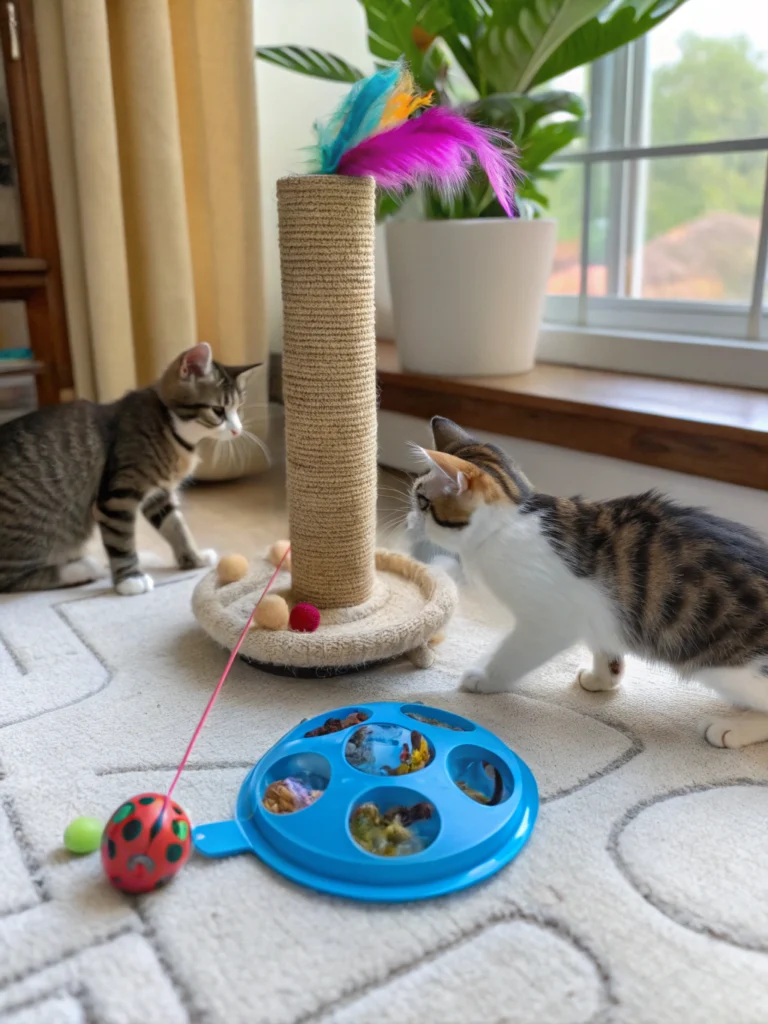
Interactive Toys: Feather wands, laser pointers, and puzzle feeders encourage play without requiring direct physical contact initially. These tools help build positive associations with your presence.
Scratching Posts and Pads: Multiple options in various locations allow cats to mark territory and relieve stress through natural scratching behaviors.
Calming Pheromone Diffusers: Products like Feliway mimic natural cat pheromones, creating a reassuring environment that reduces anxiety levels by up to 70% according to veterinary studies.
Comfortable Bedding: Soft blankets or heated pads placed in quiet corners create inviting rest areas. Consider placing an article of your worn clothing nearby to familiarize your cat with your scent.
Elevated Perches: Cat trees or window perches satisfy the natural feline instinct to observe from heights, providing security through elevated vantage points.
Water Fountain: Many shy cats prefer running water, and fountains encourage proper hydration while adding environmental enrichment.
Optional Items: Treat-dispensing toys, catnip alternatives like silvervine, and calming music designed specifically for cats can supplement your trust-building toolkit.
Timeline / Progress Expectations
Understanding realistic timelines helps manage expectations when learning how to build trust with a shy cat:
Week 1-2: Adjustment Period
Your cat will likely spend most time hiding, venturing out primarily during quiet nighttime hours. This is completely normal. Focus on establishing routine feeding times and maintaining a calm household environment.
Week 3-4: Cautious Exploration
Most shy cats begin brief exploratory missions, investigating their territory when they believe no one is watching. You may notice food disappearing and litter box usage normalizing.
Month 2-3: Initial Contact
Cats typically start accepting treats from your hand and may engage in brief play sessions. Some may allow fleeting touches or sit within a few feet of you. This represents significant progress.
Month 4-6: Growing Confidence
Expect more sustained interactions, including petting sessions lasting several minutes, voluntary approaches for attention, and comfortable coexistence in shared spaces.
Month 6-12: Established Trust
Most previously shy cats display affectionate behaviors like head-bumping, purring during interactions, and seeking out human companionship, though individual personalities vary widely.
Long-Term: Continuous Bonding
Some cats require 12-24 months to fully trust their humans, particularly those with significant trauma histories. Patience and consistency throughout this journey pay dividends in lifelong companionship.
Step-by-Step Instructions
Step 1: Create a Safe Base Camp
Designate one quiet room as your cat’s initial territory. Include all essentials—food, water, litter box, hiding spots, and comfortable bedding. This confined space prevents overwhelming your cat while establishing security. Spend 10-15 minutes daily sitting quietly in this room, reading or working on your phone without directly engaging your cat.
Step 2: Establish Predictable Routines
Feed at consistent times, clean the litter box on schedule, and maintain regular household rhythms. Cats find comfort in predictability, and shy cats especially benefit from knowing what to expect. Announce your presence softly before entering their space to avoid startling them.
Step 3: Use Food as a Trust Bridge
Place treats or small amounts of wet food progressively closer to where you sit. Over several days, gradually reduce the distance until your cat accepts treats from your hand. Never force interaction—let your cat set the pace entirely.
Step 4: Engage in Interactive Play
Use wand toys to initiate play sessions from a comfortable distance. This allows bonding through shared activity without requiring direct contact. Keep sessions short (5-10 minutes) and end while your cat still shows interest, building positive anticipation.
Step 5: Practice the “Slow Blink”
When you make eye contact with your cat, slowly close and open your eyes—the feline equivalent of a smile. This non-threatening gesture communicates peaceful intentions and often elicits reciprocal slow blinks indicating comfort.
Step 6: Respect Body Language Boundaries
Learn to recognize stress signals: flattened ears, dilated pupils, low crouching, or tail tucking. When you observe these signs, immediately give your cat space. Respecting boundaries actually accelerates trust-building by demonstrating reliability.
Step 7: Gradually Expand Territory
Once your cat shows confidence in their base room (typically 2-4 weeks), slowly introduce access to additional spaces. Leave doors open, allowing self-directed exploration during quiet periods.
Step 8: Introduce Gentle Touch
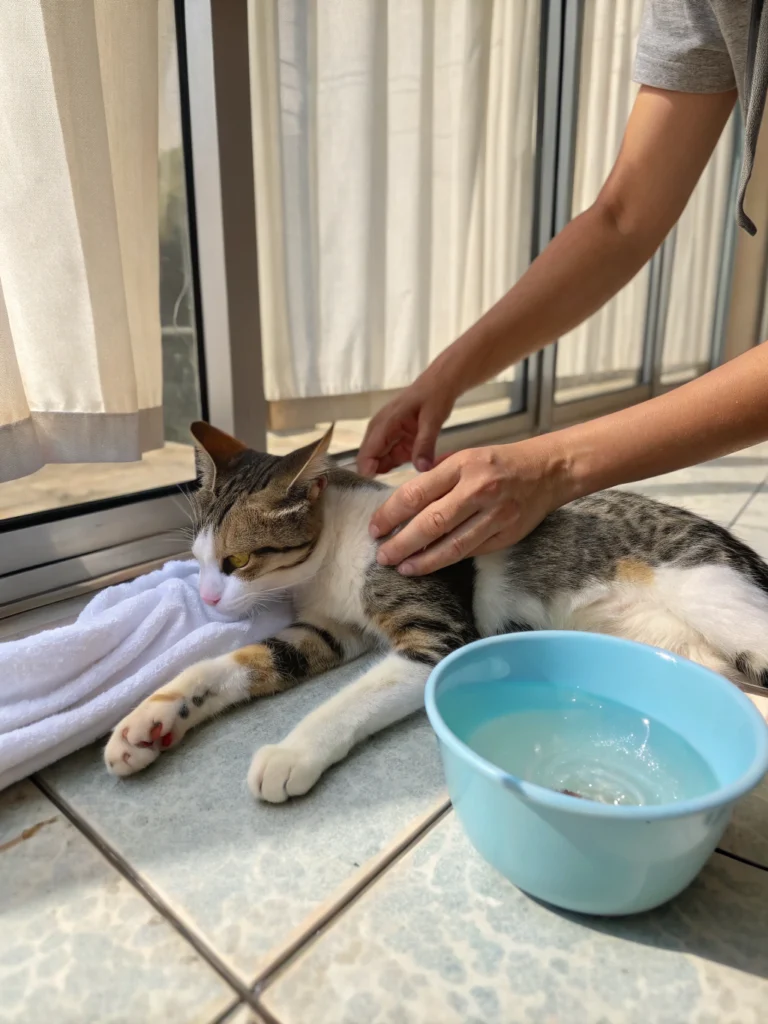
When your cat approaches voluntarily, offer a single finger for sniffing. If they rub against it, try gentle scratches under the chin or behind ears—preferred zones for most cats. Keep initial touches brief and reward with treats or soft praise.
Health Benefits / Cat Advantages
Successfully building trust with shy cats provides substantial health and behavioral benefits:
Reduced Stress Hormones: Studies show that cats in trusting relationships exhibit 40% lower cortisol levels, reducing risks of stress-related illnesses including urinary problems, digestive issues, and immune suppression.
Improved Nutrition: Confident cats maintain healthier eating patterns. Anxiety-related appetite suppression affects approximately 60% of fearful cats, potentially leading to hepatic lipidosis and other serious conditions.
Enhanced Mental Stimulation: Cats comfortable with their humans engage more frequently in enrichment activities, reducing boredom-related behaviors like excessive grooming, vocalization, or destructive scratching.
Better Veterinary Care: Trusting cats tolerate necessary health examinations and treatments more easily, enabling earlier disease detection and more effective medical interventions.
Longer Lifespan: Research indicates that cats with strong human bonds live an average of 2-3 years longer than chronically stressed or fearful cats, primarily due to better overall care and reduced chronic stress impacts.
Improved Household Harmony: Confident cats integrate better with other pets and household members, reducing territorial conflicts and creating more peaceful multi-pet environments.
Mutual Emotional Benefits: The human-animal bond provides proven mental health benefits for owners, including reduced anxiety, lower blood pressure, and increased oxytocin production during positive interactions.
Alternative Methods & Tips
For Small Living Spaces: Maximize vertical territory with wall-mounted shelves and cat trees. Shy cats feel more secure with elevated observation points even in compact apartments.
For Multi-Cat Households: Ensure each cat has individual resources (separate feeding stations, multiple litter boxes) to prevent resource guarding that increases anxiety. Consider using baby gates to allow visual contact while maintaining physical boundaries during initial introductions.
For Extremely Fearful Cats: Consult with a veterinary behaviorist about short-term anti-anxiety medications or supplements like L-theanine that can reduce fear enough to make behavioral modification possible.
Budget-Friendly Options: Cardboard boxes make excellent free hiding spots. DIY cat toys from paper bags, cardboard tubes, and string provide enrichment without expense. Tuna juice (in moderation) works as an affordable high-value treat.
For Senior Adopters: Older shy cats often require less intensive socialization timelines and may actually bond faster with patient, quiet households that match their lower energy levels.
Climate Considerations: In colder climates, heated pet pads help shy cats feel secure in their chosen hiding spots. In warmer regions, ensure multiple cool resting areas with good airflow.
For Working Professionals: Automated feeders and timed treat dispensers maintain routine consistency even with irregular schedules, while pet cameras allow monitoring without physical intrusion.
Common Mistakes to Avoid
Forcing Physical Interaction: Grabbing, cornering, or restraining shy cats destroys trust and can create lasting trauma. Always allow cats to approach on their terms.
Inconsistent Handling: When multiple household members use different approaches, cats become confused and anxious. Ensure everyone follows the same trust-building protocols.
Rushing the Process: Progressing too quickly before your cat demonstrates readiness creates setbacks. Each cat has unique timelines—respect individual pacing.
Punishment for Fearful Behaviors: Scolding or punishing hiding, hissing, or avoidance intensifies fear. These behaviors communicate discomfort, not defiance.
Neglecting Environmental Enrichment: Bored, understimulated cats develop anxiety and behavioral problems. Provide varied toys, scratching surfaces, and exploration opportunities even during early adjustment phases.
Ignoring Medical Issues: Pain or illness often manifests as behavioral changes. Rule out health problems with veterinary examination before assuming purely behavioral causes.
Over-Supplementing with Treats: Excessive treats during training can cause digestive upset and obesity. Limit treats to 10% of daily caloric intake, using primarily meal portions for training.
Creating Chaotic Environments: Loud noises, frequent visitors, and unpredictable household activity overwhelm shy cats. Maintain calm, quiet spaces, especially during initial adjustment periods.
Comparing Progress: Each cat’s trust-building journey differs significantly. Comparing your shy cat to other cats creates unrealistic expectations and frustration.
Storage & Maintenance Tips
Cat Food Storage: Store dry food in airtight containers in cool, dark locations to preserve nutritional quality. Opened wet food stays fresh for 2-3 days when refrigerated in covered containers. Check expiration dates monthly.
Litter Box Maintenance: Scoop daily without exception—dirty boxes cause stress and elimination problems. Completely change litter and sanitize boxes weekly using pet-safe enzymatic cleaners. Place boxes in consistently accessible locations.
Toy Rotation: Maintain toy novelty by rotating available toys weekly. Store unused toys in sealed containers to preserve catnip potency and prevent dust accumulation.
Bedding Hygiene: Wash cat beds, blankets, and fabric toys bi-weekly using fragrance-free detergent. High temperatures eliminate allergens and parasites while maintaining fabric integrity.
Scratching Post Maintenance: Vacuum or brush posts weekly to remove loose material. Replace cardboard scratchers every 2-3 months or when significantly worn to maintain engagement.
Pheromone Diffuser Care: Replace refills monthly and clean diffuser units according to manufacturer specifications. Position diffusers away from windows, fans, or high-traffic areas for optimal effectiveness.
Seasonal Deep Cleaning: Quarterly, thoroughly sanitize all cat areas, including behind furniture and inside cat trees. This prevents odor buildup and removes accumulated allergens.
Supply Inventory: Monthly, check supplies including food, litter, medications, and cleaning products. Maintaining consistent products prevents stress from sudden changes.
Conclusion
Learning how to build trust with a shy cat requires patience, consistency, and genuine respect for feline communication styles. By creating safe environments, establishing predictable routines, and allowing your cat to control interaction pacing, you’ll gradually transform fear into confidence and eventually affection. Remember that every small milestone—a tentative approach, a brief touch, a soft purr—represents significant progress in your relationship. The investment of time and emotional energy pays lifelong dividends through the irreplaceable bond you’ll share with your once-timid companion.
FAQs
How long does it typically take to gain a shy cat’s trust?
Most shy cats show initial signs of trust within 4-8 weeks, though full confidence may take 6-12 months or longer depending on their history and individual temperament. Cats with significant trauma backgrounds may require 18-24 months. The key is maintaining consistent, patient approaches without rushing milestones, as each cat progresses at their unique pace.
Can a shy cat ever become fully confident and affectionate?
Absolutely! While some personality traits remain consistent, the vast majority of shy cats develop strong bonds with patient owners. Many previously fearful cats transform into affectionate companions who seek attention, though they may retain some cautious tendencies in new situations or with unfamiliar people.
Should I adopt a second cat to help my shy cat feel more comfortable?
Generally, no—not during the initial trust-building period. Adding another cat creates additional stress for shy cats still adjusting to their environment. Wait until your cat demonstrates solid confidence (typically 6+ months) before considering companions, and then introduce new cats extremely gradually using proper introduction protocols.
What treats work best for building trust with fearful cats?
High-value, aromatic treats like freeze-dried chicken, bonito flakes, tuna, or commercial squeeze treats (Churu, Delectables) work exceptionally well. These strong-smelling options entice even nervous cats and can be offered from a distance initially, then gradually closer as trust develops.
Is it normal for my shy cat to only interact with me at night?
Yes, this is extremely common! Shy cats initially feel safest during quiet nighttime hours when household activity decreases. Many begin their trust journey through nighttime interactions, gradually extending comfortable periods into daytime as confidence grows. This nocturnal preference may partially persist even after trust is established, reflecting natural feline activity patterns.