Feeding Your healthy cat diet : Essential Nutrition Guide
Feeding Your Cat a Healthy Diet: Essential Nutrition Guide
Table of Contents
Welcome to your complete guide on creating a healthy cat diet that will keep your feline friend thriving for years to come. Proper nutrition is the foundation of your pet’s overall health and longevity.
Understanding what goes into your pet’s food bowl isn’t just about filling it up. It’s about making informed choices that support everything from their energy levels to their immune system and coat condition.
Whether you’re a first-time pet parent or you’ve shared your home with cats for years, navigating the world of feline nutrition can feel overwhelming. So many diet options, food brands, and conflicting information are available.
This essential guide will walk you through everything you need to know about feeding your companion properly. You’ll learn about their unique dietary requirements and how to select the right commercial foods and treats.
You’ll discover how these animals differ from other pets in their nutritional needs. We’ll explain why certain nutrients are non-negotiable for feline health and how to evaluate the quality of what you’re currently feeding.
By the end of this guide, you’ll feel confident making food choices that align with your pet’s specific life stage, lifestyle, and health requirements. Let’s dive into the fascinating world of feline nutrition.
Key Takeaways
- Proper nutrition is the foundation of your pet’s long-term health and vitality.
- Informed food choices impact energy, immune function, and physical condition.
- Feline nutritional needs differ significantly from other common household pets.
- Understanding dietary requirements helps you select appropriate commercial foods.
- Quality evaluation of your current pet food is an essential first step.
- Optimal feeding considers your animal’s life stage and individual lifestyle.
- This guide provides the knowledge to make confident nutritional decisions.
Understanding Your Cat’s Nutritional Needs
Your pet’s nutritional requirements are rooted in their evolutionary history as skilled predators. Unlike dogs or humans, they are obligate carnivores. This means their bodies are designed to get essential nutrients from animal-based food.
Essential Nutrients for Cats
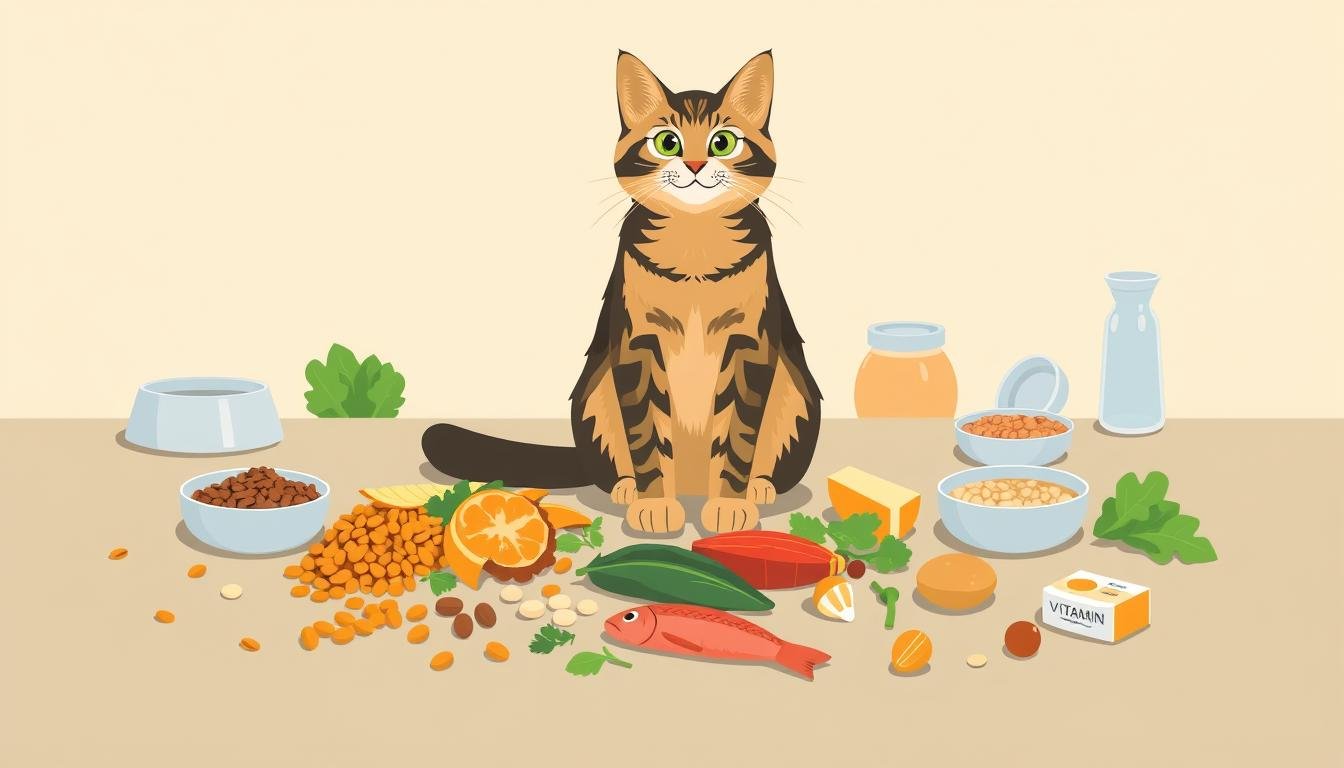
These animals need more than a dozen specific nutrients to thrive. They require certain amino acids, like taurine and arginine, which are found only in animal protein sources. Without them, your companion can become very ill.
Other crucial nutrients include fatty acids for skin health, preformed vitamin A, and a precise balance of minerals like calcium. Their bodies cannot make these efficiently from plants.
The Importance of Animal Protein
Meat is not just a preference for these carnivores; it’s a biological necessity. High-quality protein from animal sources supports muscle maintenance and overall body function.
Their ancestors consumed whole prey, which provided the perfect balance of protein, fat, and minimal carbohydrates. Modern meals should mirror this profile for optimal health.
Evaluating Commercial Cat Food Options
Commercial pet foods come in several forms, each with unique benefits for your animal. Your choice depends on factors like convenience, cost, and your pet’s specific preferences and needs.
Dry, Semi-Moist, and Canned Food Overview
Dry food, or kibble, contains very little water. It is cost-effective and convenient for free-feeding. You must store it in airtight containers to maintain freshness.
Semi-moist options have a higher moisture content. They often feature meat as a primary ingredient. This type can dry out quickly once the package is open.
Canned food provides the most hydration. It is typically very palatable for felines. This makes it an excellent choice for pets that need more water in their diet.
How to Read Cat Food Labels
The label is your best source of information. Look for a statement from the AAFCO. This confirms the food is complete and balanced for a specific life stage.
Always check the ingredients list. Items are listed by weight. High-quality pet food will have animal protein sources at the top of this list.
Pay attention to the guaranteed analysis. This shows the percentages of crucial nutrients. Ignore flashy marketing terms on the front of the bag.
How to Build a Healthy Cat Diet for Your Feline Friend
The foundation of proper feline nutrition lies in understanding commercial food formulations. Your selection process should begin with a careful review of the ingredients list on every package you consider.
Look for animal-based protein sources like meat, poultry, or fish within the first few items. This positioning indicates the food contains adequate animal-source components for essential nutrients.
The way ingredients appear matters significantly since they’re ordered by weight. When grains dominate the top positions, the formulation may lack sufficient protein content for your carnivorous companion.
Always make sure to choose products labeled “complete and balanced” for your pet’s specific life stage. This designation confirms the meal meets all nutritional standards established by veterinary experts.
While homemade options might seem appealing, commercial cat foods from reputable manufacturers offer safer, more reliable nutrition. Achieving the proper nutrient balance without professional guidance proves incredibly challenging.
Your vet can provide personalized recommendations based on your animal’s age, weight, and activity level. The best cat nourishment isn’t necessarily the most expensive—it’s what keeps your pet thriving with quality energy and coat condition.
Adapting Diets for Different Life Stages
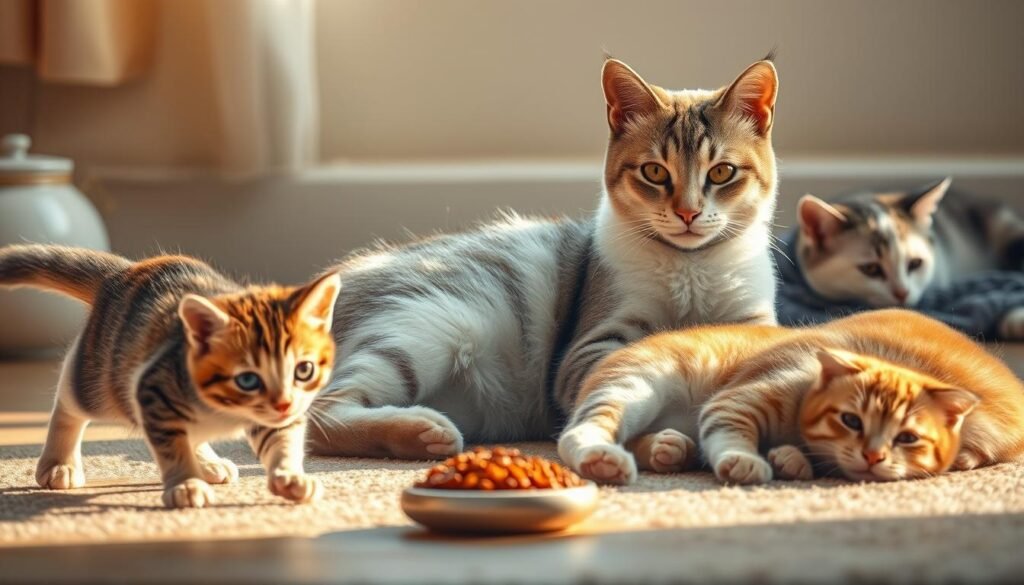
As your companion grows from playful kitten to wise senior, their nutritional requirements transform significantly. Each phase of your pet’s existence demands specific nutrient profiles to support optimal development and maintenance.
Feeding Kittens: Growth and Development
During the first year of life, kittens need specially formulated meals with higher protein and calorie amounts. These foods fuel rapid bone growth and endless energy levels.
Young kittens typically begin eating solid food around three weeks old. They require frequent small meals throughout the day to maintain stable energy.
Feeding Adult and Senior Cats
From ages one to ten, your pet enters adulthood. Their food should shift to maintenance formulas without extra calories. Various options exist for different lifestyles and specific needs.
Around age eleven, animals enter their senior years. Specialized senior foods support aging organs and help maintain muscle mass. Monitoring eating habits becomes crucial during this life stage.
Some products are formulated for all life stages, offering convenience for multi-pet households. However, stage-specific foods often provide more precise nutrition matching your companion’s current requirements.
Homemade Diets and Treats: Options and Considerations
Many pet owners wonder if homemade meals might be better for their feline companions than commercial options. While the intention comes from love, creating balanced nutrition at home presents significant challenges.
Risks of Homemade Cat Food
Preparing your own pet food requires precise nutrient measurements. Without proper balance, your animal can develop serious health problems.
Essential nutrients like taurine must be present in the correct amount. Imbalances can lead to heart disease and bone issues. Always consult your vet before attempting homemade recipes.
Commercial foods undergo rigorous testing to meet nutritional standards. Unless your veterinarian recommends a specific medical food, stick with trusted commercial options.
Choosing the Right Cat Treats
Treats should be occasional indulgences, not dietary staples. Limit them to 10-15% of your pet’s daily calories.
Safe options include small pieces of cooked chicken or turkey. Avoid raw meat as it can be a source of dangerous bacteria.
Many cats cannot properly digest milk and develop stomach problems. Skip dairy products and choose specially formulated pet treats instead.
When you give your cat treats, reduce their regular meals accordingly. This prevents weight gain while still allowing for special rewards.
Remember that playtime and affection often make better rewards than food treats. Your companion will appreciate the attention just as much as the snack.
Specialized Diet Tips for Indoor Cats
House cats face distinct dietary considerations that differ significantly from their outdoor counterparts. Their lifestyle impacts everything from calorie needs to hydration requirements.
Calorie Management for Indoor Cats
Indoor pets burn fewer calories due to limited activity. This makes weight management a top priority. Specialized food for indoor cats typically contains reduced calories.
Obesity creates serious health problems including diabetes and joint issues. Measure the proper amount of food based on your pet’s weight. Avoid leaving meals out all day.
Importance of Fiber and Hydration
Indoor animals need higher fiber content to manage hairballs. Fiber helps move swallowed hair through their system naturally. It also prevents digestive problems.
Hydration is crucial for indoor pets. Provide constant access to fresh water. Wet food serves as an excellent source of additional water.
Monitor your pet’s body condition regularly. Adjust food amounts if needed. Proper nutrition prevents many common health issues.
Transitioning Cat Food Without Stress
Food transitions can be challenging for animals with specific texture preferences. Many felines develop strong attachments to their current meals. A sudden switch often leads to digestive upset or complete refusal to eat.
Always consult your veterinarian before making dietary changes. They can recommend the best approach for your pet’s health needs.
Gradual Change Strategies
The safest way to introduce new food involves a 10-14 day process. Begin by offering a small amount alongside their regular meal. Keep the foods separate since texture matters greatly.
During the first four days, place a teaspoon of the new food on a different plate. Only progress if your animal eats it willingly for three consecutive days.
From days 5-10, slowly increase the new portion while decreasing the old. Continue keeping meals separate to avoid texture confusion.
| Transition Phase | Old Food Amount | New Food Amount | Presentation Method |
|---|---|---|---|
| Days 1-4 | Full portion | 1 teaspoon | Separate plates |
| Days 5-10 | Gradually decreasing | Gradually increasing | Still separate |
| Days 10-14 | Eliminated | Full portion | Single meal |
Monitoring Your Cat’s Response
Watch for signs of acceptance or rejection during the transition. Some animals need longer than two weeks to adjust completely.
Make sure to observe eating habits and digestive health. If problems occur, return to the previous successful stage. Trying different flavors or textures might be necessary for picky eaters.
Remember that patience yields the best results with dietary changes. Rushing the process often creates more challenges than it solves.
Conclusion
Your dedication to understanding your animal’s nutritional requirements demonstrates true care and responsibility. The information you’ve gathered forms a solid foundation for making confident choices about their nourishment.
Remember that your companion’s unique needs as an obligate carnivore should guide every food selection. Their requirements will change throughout their life, from kittenhood to senior years.
Your vet remains your most valuable partner in this journey. Regular check-ups help monitor your pet’s health and weight management.
Pay close attention to how your animal responds to their current diet. Good energy, proper weight, and a shiny coat indicate success.
The effort you invest in proper nutrition pays off through your companion’s vitality and longevity. You’re now equipped to provide the care they need for many happy years together.
FAQ
Why is animal protein so important for my pet?
Your feline friend is an obligate carnivore, which means their body is designed to get vital nutrients from meat. Animal protein provides essential amino acids, like taurine, that are crucial for heart health, vision, and overall well-being. Without enough of it from their food, they can develop serious health problems.
What should I look for on a commercial pet food label?
Start by checking the ingredients list. Look for a named animal protein, like chicken or salmon, as the first ingredient. Also, check the guaranteed analysis for protein content and the nutritional adequacy statement from the AAFCO, which confirms the food is complete for your pet’s specific life stage.
How much should I feed my cat to maintain a good weight?
The right amount depends on their age, activity level, and the calorie content of their food. Always follow the feeding guidelines on the package as a starting point, but monitor their body condition. If you notice weight gain or loss, adjust the portions accordingly or consult your vet for personalized advice.
Is it safe to give my pet milk as a treat?
It’s a common myth that milk is good for felines. Many cats are lactose intolerant, and drinking milk can lead to digestive upset. It’s best to stick with fresh water for hydration and offer specially formulated cat treats in small amounts instead.
How can I safely switch my pet to a new food?
A gradual transition over 7-10 days is the best way to avoid stomach issues. Start by mixing a small amount of the new food with their current food, slowly increasing the proportion of the new brand while decreasing the old. Watch their response closely during the process.
Are homemade diets a good option for my feline?
Preparing meals at home can be risky. It’s very difficult to get the balance of protein, vitamins, and minerals right. Without proper formulation, your pet could miss out on key nutrients. If you’re considering this route, it’s essential to work with a veterinary nutritionist to create a safe and complete recipe.