Effortless Cat Grooming Routine: Keep Your Feline Fabulous
Effortless Cat Grooming Routine: Keep Your Feline Fabulous
Table of Contents
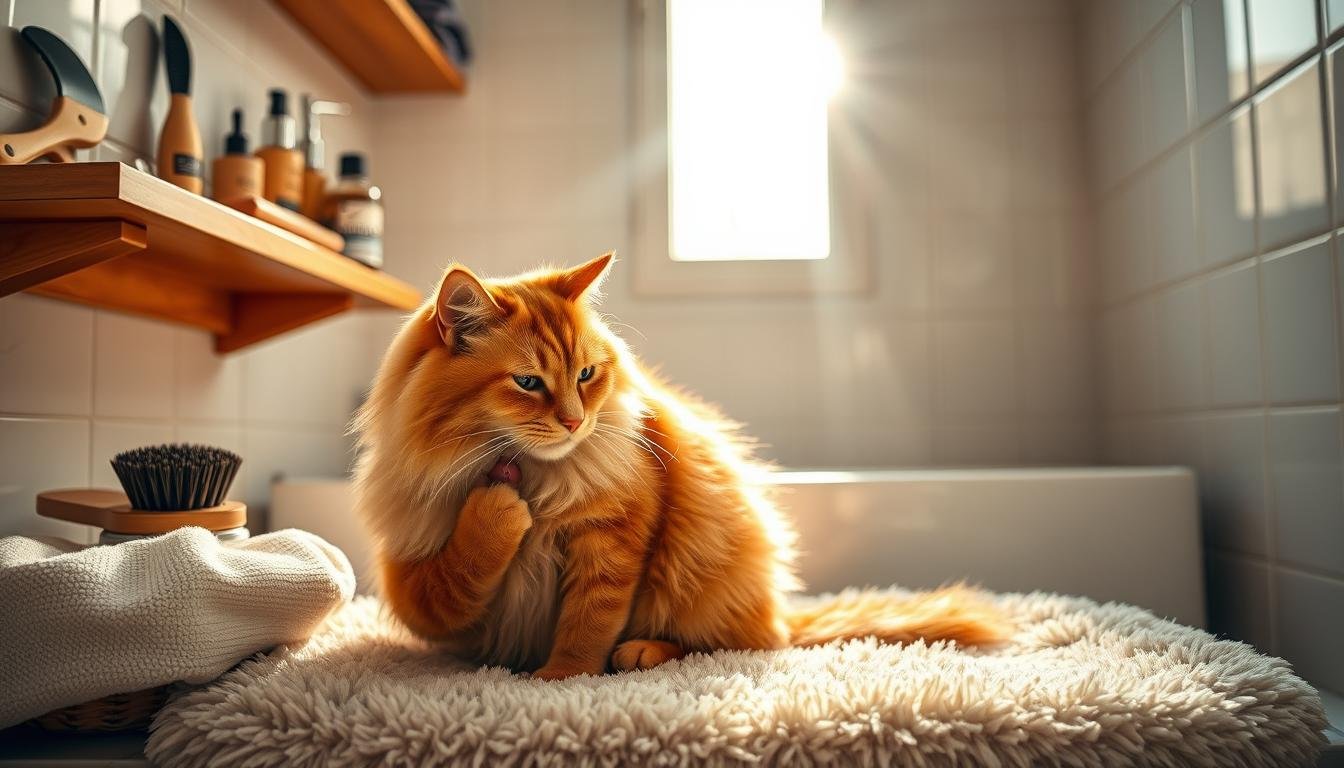
There’s a special kind of peace in watching your feline friend meticulously clean their fur. It’s a quiet ritual that speaks to their independent nature. But what if you could turn that solitary act into a moment of connection?
Even the most fastidious pet benefits from your helping hand. A simple grooming schedule at home does more than just keep your companion looking fabulous. It’s a powerful way to safeguard their health and strengthen your bond.
This guide will show you how to create a stress-free process. You will learn practical tips for brushing, nail care, and more. Our goal is to make this a positive experience for both of you.
Key Takeaways
- Regular care helps you spot health issues like lumps or fleas early.
- Your pet needs help with tasks like nail trimming and dental care.
- Grooming sessions are a great opportunity to bond with your feline.
- A consistent routine reduces hairballs and keeps their coat healthy.
- Using the right approach makes the process easy for any owner.
- Professional help is available if your companion is uncomfortable.
Understanding Your Cat’s Grooming Needs
Healthy skin and a shiny coat are the first signs of a happy, content feline. Your pet’s self-care habits offer a clear window into their overall well-being. By understanding what is normal, you can quickly spot when something is wrong.
Recognizing Natural Grooming Habits
Cats are masters of self-maintenance. They use their rough tongues and teeth to remove dead hair and debris. This keeps their fur clean and distributes natural oils.
Most pets groom themselves several times daily. They pay special attention to hard-to-reach spots. This natural behavior is a sign of good health.
Identifying Problematic Grooming
Changes in your pet’s habits are important clues. Both over-grooming and under-grooming can signal underlying issues. The table below helps you distinguish between them.
| Behavior | Signs to Look For | Potential Causes |
|---|---|---|
| Over-Grooming | Bald patches, red skin, thinning hair | Stress, allergies, pain, skin parasites |
| Under-Grooming | Matted fur, dull coat, dandruff | Arthritis, obesity, dental pain, illness |
A glossy coat that springs back when touched is ideal. Any persistent change warrants a closer look. Consulting a vet can provide peace of mind and ensure your companion’s health.
Implementing a Cat Grooming Routine
Creating a predictable rhythm for your feline’s care transforms a chore into a cherished ritual. The right approach builds trust and makes every session something you both can look forward to.
Setting a Consistent Grooming Schedule
Consistency is your greatest ally. Pets thrive on routine, and knowing what to expect reduces anxiety. Choose a specific time of day, like after a meal or play.
This is when your companion is naturally more relaxed. Keep initial sessions brief, around five to ten minutes. You can gradually extend the time as your pet becomes more comfortable.
Adapting Techniques for Different Coat Types
Not all coats are the same. Long-haired cats need frequent attention to prevent painful mats. A quick brush every other day is often necessary.
Short-haired cats typically do well with a weekly session to remove loose hair and distribute skin oils. This is a simple way to maintain a healthy, shiny coat for years.
Always pick a quiet spot with few distractions. This helps your feline friend stay calm. Breaking tasks into smaller sessions prevents overwhelm.
Tools and Products for Effective Home Grooming
Quality tools transform grooming from a struggle into a pleasant experience for both you and your pet. The right equipment ensures each session is comfortable and effective.
Investing in proper supplies makes maintenance easier. You will achieve better results with less effort.
Choosing the Right Brushes, Combs, and Shampoos
Different brush types serve specific purposes. Pin brushes work well for removing tangles and loose hair. They are gentle on sensitive skin.
Slicker brushes effectively tackle mats in longer coats. Bristle brushes distribute natural oils for a healthy shine. Metal combs help detangle without pulling.
Always use shampoos made specifically for felines. Human products can irritate skin and strip essential oils. Dilute shampoo with water for gentle cleaning.
Essential Grooming Supplies for Nail and Ear Care
Blunt scissor-type clippers are safest for nail trimming. They prevent squeezing the delicate claw structure. This makes the process more comfortable.
For ear maintenance, use natural cleaners or mineral oil. Apply with cotton balls for gentle outer ear care. Avoid inserting anything deep into the ear canal.
Dental care requires pet-specific toothbrushes and paste. Human toothpaste contains harmful ingredients. Regular care prevents serious health issues.
Bathing Your Cat: Tips for a Stress-Free Experience
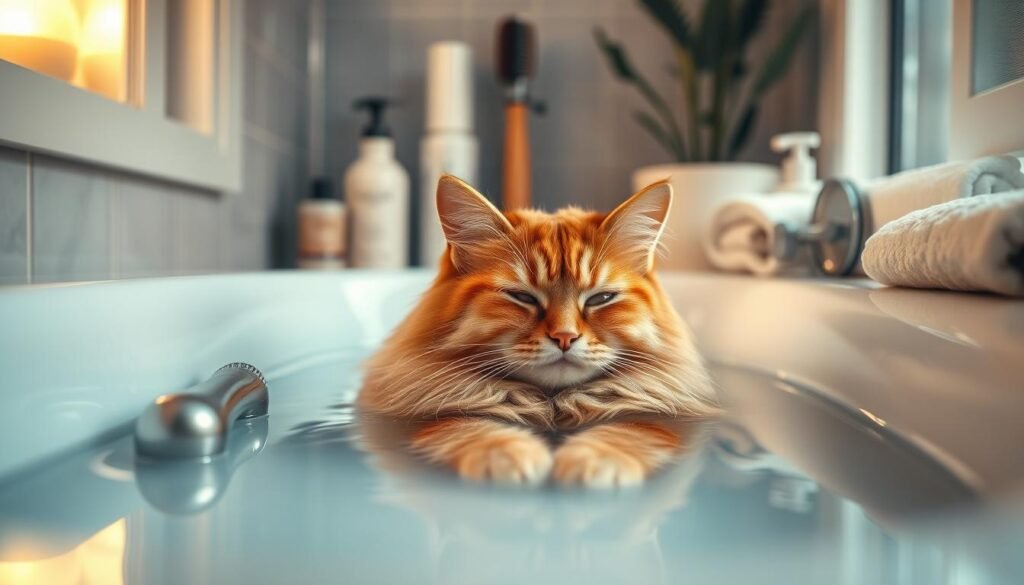
While most felines are masters of self-cleaning, there are times when a proper bath becomes essential for their well-being. Your pet may need cleaning after getting into something sticky or if they have specific skin conditions requiring special shampoo.
Preparing the Perfect Bath Environment
Success begins with proper setup. Choose a time when your companion is naturally calm, like after a meal. Gather all supplies beforehand to maintain a smooth flow.
Trim nails for your protection and gently place cotton in ears to prevent water entry. A rubber mat prevents slipping in 3-4 inches of lukewarm water.
| Preparation Step | Key Consideration | Benefit |
|---|---|---|
| Nail Trimming | Use blunt clippers before starting | Safety for both you and your pet |
| Ear Protection | Gentle cotton ball placement | Prevents water from entering ear canal |
| Water Temperature | Lukewarm, not hot or cold | Maintains comfort throughout process |
| Brushing First | Remove loose hair and mats | Easier shampoo application and rinsing |
Post-Bath Care and Reward Tactics
After thorough rinsing, immediately wrap your furry friend in a large towel. Dry them in a warm, draft-free area. Use a blow dryer on low heat only if they tolerate the noise.
Reward with favorite treats and plenty of praise. This creates positive associations for future sessions. For cats who resist traditional baths, consider waterless alternatives like grooming wipes.
Brushing and Combating Hairballs
The gentle rhythm of a brush moving through fur offers more than cosmetic benefits. This regular activity becomes a health partnership between you and your pet.
The Benefits of Regular Brushing
Consistent brushing provides multiple advantages for your companion’s wellbeing. It effectively removes loose hair and distributes natural skin oils.
This process stimulates blood circulation and keeps the skin healthy. You’ll notice a shinier, healthier-looking coat with regular attention.
Tips to Reduce Hairballs and Prevent Mats
Different coat types require specific approaches. For short-haired pets, use a metal comb from head to tail.
Work in the direction the hair grows, covering all body areas. A rubber brush works well for removing dead hair effectively.
Long-haired companions need more frequent sessions. Focus on high-friction areas where mats commonly form.
During heavy shedding seasons, increase brushing frequency. This significantly reduces hairballs and keeps your home cleaner.
For stubborn tangles, sprinkle talcum powder and gently tease them apart. Always be patient and make sessions positive experiences.
Paw and Nail Care Essentials
Your companion’s paws are their foundation for exploring the world with confidence and grace. Healthy feet enable natural behaviors like scratching, climbing, and those impressive acrobatic landings. Regular attention prevents discomfort and supports an active lifestyle.
Daily maintenance keeps those precious paws in top condition. Gently wipe between toes and around pads with a damp cloth to remove debris. Check regularly for cuts, splinters, or swelling that may need attention.
Essential Tips for Safe Nail Trimming
Start by helping your pet get used to paw handling. Choose a quiet time when they’re relaxed, like after meals. Gently massage each paw for just a few seconds, then offer praise and treats.
Use the clever spaghetti trick to introduce clipper sounds safely. Hold a piece near your companion while massaging their toe. Clip the pasta while pressing the pad to extend the nail, creating positive associations.
Always identify the quick—the pink area containing nerves and blood vessels. Trim only the white tip to avoid the risk cutting this sensitive spot. If bleeding occurs, styptic powder stops it quickly.
Take a conservative approach, trimming just one or two nails per session initially. Schedule this care every ten days to two weeks. Never attempt clipping when either of you feels stressed.
Declawing involves amputating the end of toes and is strongly discouraged. Instead, provide scratching posts and consider soft claw covers as humane alternatives to regular maintenance.
Maintaining Skin, Coat, and Dental Health
Weekly checks of your companion’s skin texture and ear cleanliness can prevent minor issues from becoming serious concerns. These regular observations help you spot changes early when they’re easiest to address.
Monitoring Your Pet’s Skin and Ear Health
Your pet’s skin condition serves as a visible indicator of their overall wellbeing. Look for changes like excessive scratching, redness, or hair loss that may signal underlying problems.
Common causes include parasites, allergies, or infections. Regular monitoring helps you catch issues before they escalate.
For ear care, check weekly for wax buildup or unusual discharge. Healthy ears should be pale pink with minimal wax.
| Skin Condition | Healthy Signs | Warning Signs |
|---|---|---|
| Texture | Smooth, supple skin | Redness, swelling, or scabs |
| Coat Appearance | Shiny, even fur distribution | Bald patches or excessive shedding |
| Comfort Level | Normal scratching behavior | Constant scratching or irritation |
Dental Care Practices for a Healthy Smile
Dental health is crucial for your pet’s overall wellbeing. Regular care prevents periodontal disease and related complications.
Examine teeth and gums weekly. They should be clean and pink without swelling. Various options exist for maintaining oral health.
Traditional brushing works well for cooperative pets. Alternatives include dental gels, water additives, or special chews.
Conclusion
Your feline companion’s well-being thrives on the gentle rhythm of regular care. Establishing this positive habit at home is a powerful way to help keep your pet looking fabulous from nose to tail.
These special sessions are about more than a beautiful coat. They support skin health, reduce shedding, and allow for early detection of potential issues. Most importantly, they strengthen your unique bond.
Remember to keep grooming sessions short and positive. Use treats and praise to reward calm behavior. Always end on a good note.
If your cat finds some tasks too stressful, seeking professional help is a responsible choice. With patience and the right tips, you can create a routine that benefits you both for years to come.
FAQ
How often should I groom my pet?
The frequency depends on your feline’s coat length. Short-haired varieties typically need brushing once a week, while long-haired companions benefit from daily attention to prevent tangles.
What is the best way to get my pet comfortable with grooming?
Start with short, positive sessions. Use treats and praise to build a good association. Gradually increase the time as your furry friend gets used to the process.
How can I tell if my pet is over-grooming?
Look for signs like bald patches, redness, or irritated skin. If you notice these issues, it’s important to consult your veterinarian to rule out underlying health problems.
What tools do I need for a basic grooming kit?
A good starter kit includes a brush suited to your pet’s fur type, nail clippers designed for animals, and a gentle shampoo. For ear care, a vet-recommended cleanser is helpful.
How do I safely trim my pet’s nails?
Use specialized clippers and trim only the very tip of the nail, avoiding the quick (the pink area inside). If you’re unsure, ask your vet or a professional groomer for a demonstration to avoid risk cutting too far.
What should I do if my pet hates baths?
Preparation is key. Ensure the water is lukewarm and speak in a calm voice. Offer treats and praise throughout to create a positive experience. For some animals, a bath may not be necessary if regular brushing is maintained.
How does brushing help with hairballs?
Regular brushing removes loose and dead hair before your pet ingests it during self-cleaning. This significantly reduces the amount of fur swallowed, which helps prevent hairballs from forming.
Why is dental care important for my pet?
Good dental practices are vital for overall health. Plaque buildup can lead to serious issues. Introduce teeth cleaning slowly and use products specifically made for animals to keep that smile healthy.