DIY Cat Enrichment Ideas: Keep Your Cat Mentally Stimulated
DIY Cat Enrichment Ideas: Keep Your Cat Mentally Stimulated
Table of Contents
Are your feline friends lounging around the house, seemingly bored with their daily routine? Cats are naturally curious creatures that thrive on mental stimulation and physical activity. Without adequate enrichment, indoor cats can become lethargic, overweight, or even develop behavioral problems. Creating DIY cat enrichment ideas is not only budget-friendly but also allows you to customize activities specifically for your cat’s preferences and personality. Let’s explore how you can transform everyday household items into engaging toys and activities that will keep your cat mentally sharp and physically active.
Materials & Supplies DIY Cat Enrichment Ideas: Keep Your Cat Mentally Stimulated
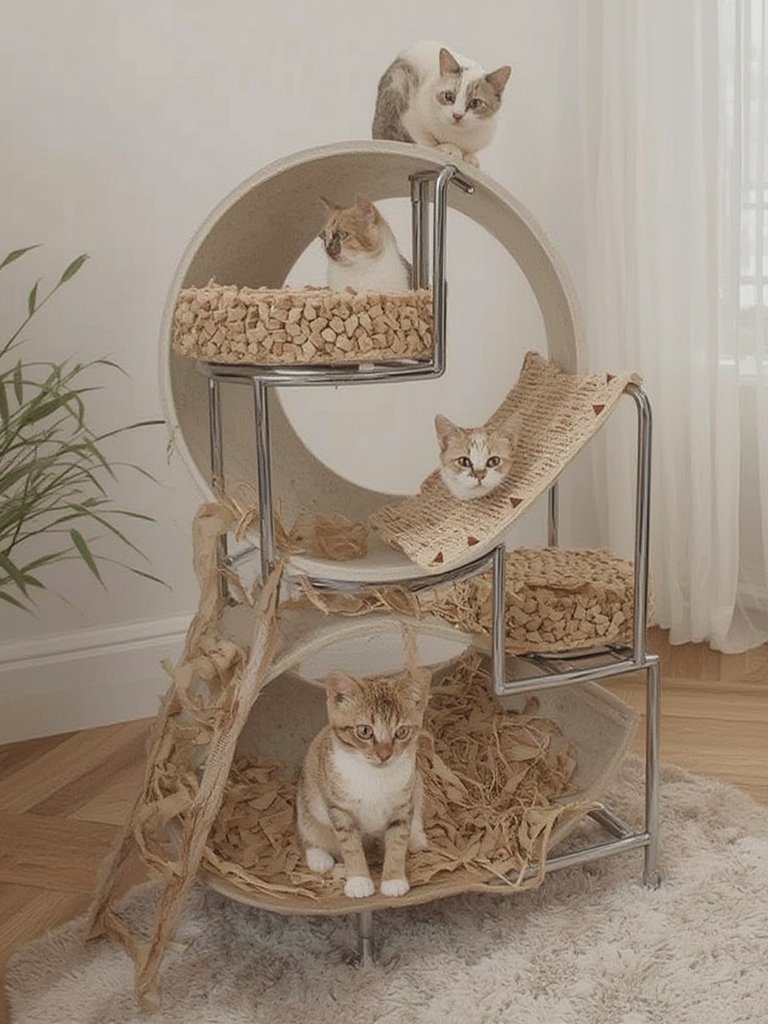
To create a variety of enrichment activities for your feline friend, gather these basic supplies:
- Cardboard boxes (various sizes)
- Empty toilet paper or paper towel rolls
- Old t-shirts or cotton fabric scraps
- Non-toxic craft paper
- Child-safe scissors
- Catnip (optional but recommended)
- String or yarn (always supervise usage)
- Tennis balls or ping pong balls
- Empty plastic bottles with caps removed
- Hot glue gun (pet-safe glue only)
- Cat treats for motivation
- Old socks
- Feathers (craft store variety)
Many of these items are likely already in your home, making these projects cost-effective alternatives to store-bought toys.
Timing / Implementation Schedule
Most DIY enrichment projects take between 10-30 minutes to create. For optimal engagement, introduce new enrichment activities every 2-3 days rather than all at once. Cats typically play in short bursts of 5-15 minutes throughout the day, totaling 1-2 hours of daily activity. Rotate toys weekly to maintain novelty and interest.
Step-by-Step Instructions
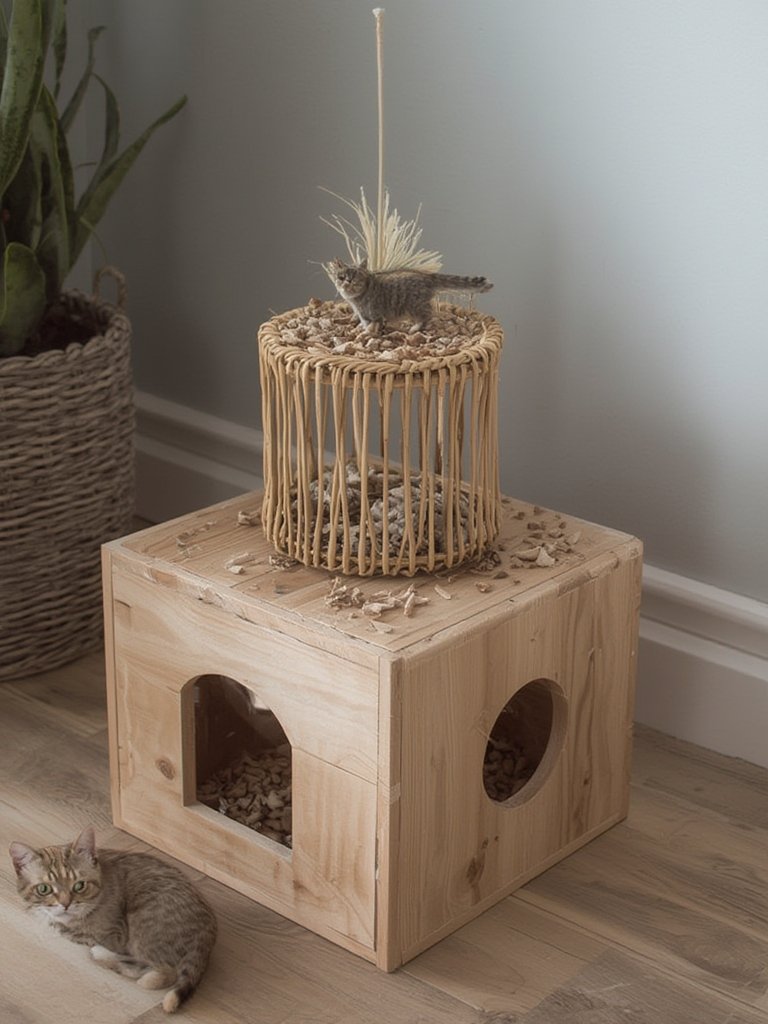
1. Puzzle Treat Box
- Take a cardboard box and cut various-sized holes large enough for your cat’s paw to fit through.
- Place treats or dry food inside the box.
- Close the box securely to create a puzzle feeder that encourages problem-solving.
- Pro tip: Start with larger holes and gradually decrease the size as your cat masters the game.
2. T-Shirt Braided Toy
- Cut an old t-shirt into three long strips.
- Sprinkle catnip between the strips.
- Braid the strips tightly and tie off both ends.
- This toy is perfect for kicking and wrestling, satisfying your cat’s predatory instincts.
3. Toilet Paper Roll Puzzle
- Fold in the edges of a toilet paper roll to close one end.
- Place treats inside.
- Fold the other end closed, leaving small gaps for the treats to fall through when batted around.
- For extra durability, use hot glue to secure the folded ends.
Behavioral Benefits
Implementing regular enrichment activities provides numerous advantages for your cat:
- Reduces boredom and stress-related behaviors like excessive grooming
- Prevents obesity through increased physical activity
- Stimulates natural hunting instincts in a safe environment
- Decreases furniture destruction and other undesirable behaviors
- Strengthens the bond between you and your cat through interactive play
Alternative Enrichment Methods
Beyond homemade cat toys, consider these enrichment approaches:
- Vertical Space: Create climbing routes with shelves, cat trees, or repurposed furniture.
- Window Perches: Set up bird-watching stations near windows for visual stimulation.
- Food Puzzles: Use muffin tins with tennis balls covering treats for meal-time challenges.
- Sensory Garden: Grow cat-safe plants like cat grass, catnip, or silver vine in accessible pots.
Common Mistakes to Avoid
- Using Unsafe Materials: Avoid small parts that could be swallowed, toxic glues, or materials with loose threads.
- Overwhelming Your Cat: Introduce new toys gradually rather than all at once.
- Neglecting Rotation: Cats lose interest in toys left out permanently; rotate toys weekly.
- Forgetting Individual Preferences: Not all cats enjoy the same toys—observe what your cat naturally gravitates toward.
Maintenance Tips
- Inspect homemade toys regularly for damage and discard any that are falling apart.
- Wash fabric toys weekly to maintain hygiene and remove odors.
- Refresh catnip toys monthly as the herb loses potency over time.
- Store unused toys in a sealed container with fresh catnip to maintain their appeal.
Conclusion
Creating engaging enrichment activities for your cat doesn’t require expensive toys or elaborate setups. With basic household items and a bit of creativity, you can provide a stimulating environment that keeps your cat physically active and mentally sharp. Start with these simple DIY projects and observe which ones your cat enjoys most, then expand your repertoire based on their preferences. Your efforts will be rewarded with a happier, healthier, and more contented feline companion.
FAQs
How much enrichment does my indoor cat need daily?
Most cats benefit from 1-2 hours of cumulative play and enrichment throughout the day, typically in short 5-15 minute sessions.
Can I use string or yarn for cat toys?
String and yarn can be used for interactive toys under direct supervision only. Never leave these materials out for unsupervised play as they pose serious ingestion hazards.
What are signs my cat needs more enrichment?
Excessive vocalization, destructive behavior, overgrooming, aggression, or lethargy may indicate your cat needs more mental and physical stimulation.
How do I know which DIY toys my cat will prefer?
Observe your cat’s natural play style—some prefer hunting ground-level toys, while others enjoy batting at suspended objects. Create a variety and note which ones generate the most interest.