Cat Territorial Behavior: How to Manage
Cat Territorial Behavior: How to Manage
Table of Contents
Introduction
Did you know that approximately 10% of household cats exhibit aggressive behaviors related to territoriality, leading to stress, injury, and rehoming? Cat territorial behavior is one of the most misunderstood yet common challenges faced by multi-cat households and even single-cat homes. Understanding how cats perceive and defend their territory is crucial for preventing fights, reducing anxiety, and creating a harmonious living environment.
Cat Supplies & Essentials
Managing territorial behavior requires specific supplies that help establish boundaries and reduce competition:
Litter Boxes: Follow the “N+1” rule—provide one litter box per cat plus one extra. Place them in separate, quiet locations to minimize territorial disputes and ensure each cat has access to their own elimination space.
Multiple Feeding Stations: Set up separate feeding areas in different rooms to prevent food-related aggression and establish individual dining territories.
Vertical Territory (Cat Trees & Shelves): Cats naturally claim vertical space. Tall cat trees, wall-mounted shelves, and window perches allow cats to establish hierarchies without physical confrontation.
Pheromone Diffusers: Products like Feliway help create a calming environment by mimicking natural feline facial pheromones, reducing territorial marking and anxiety.
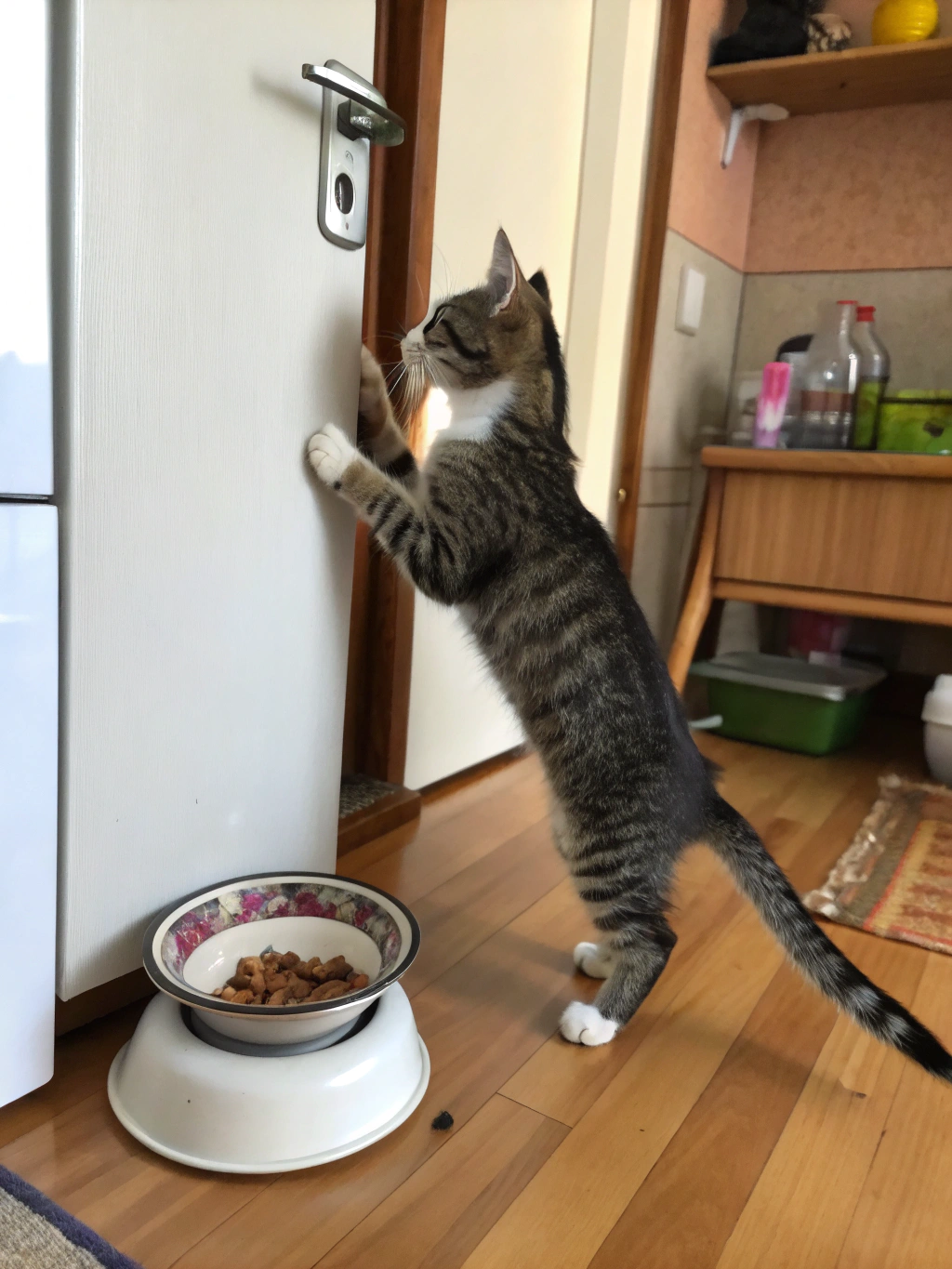
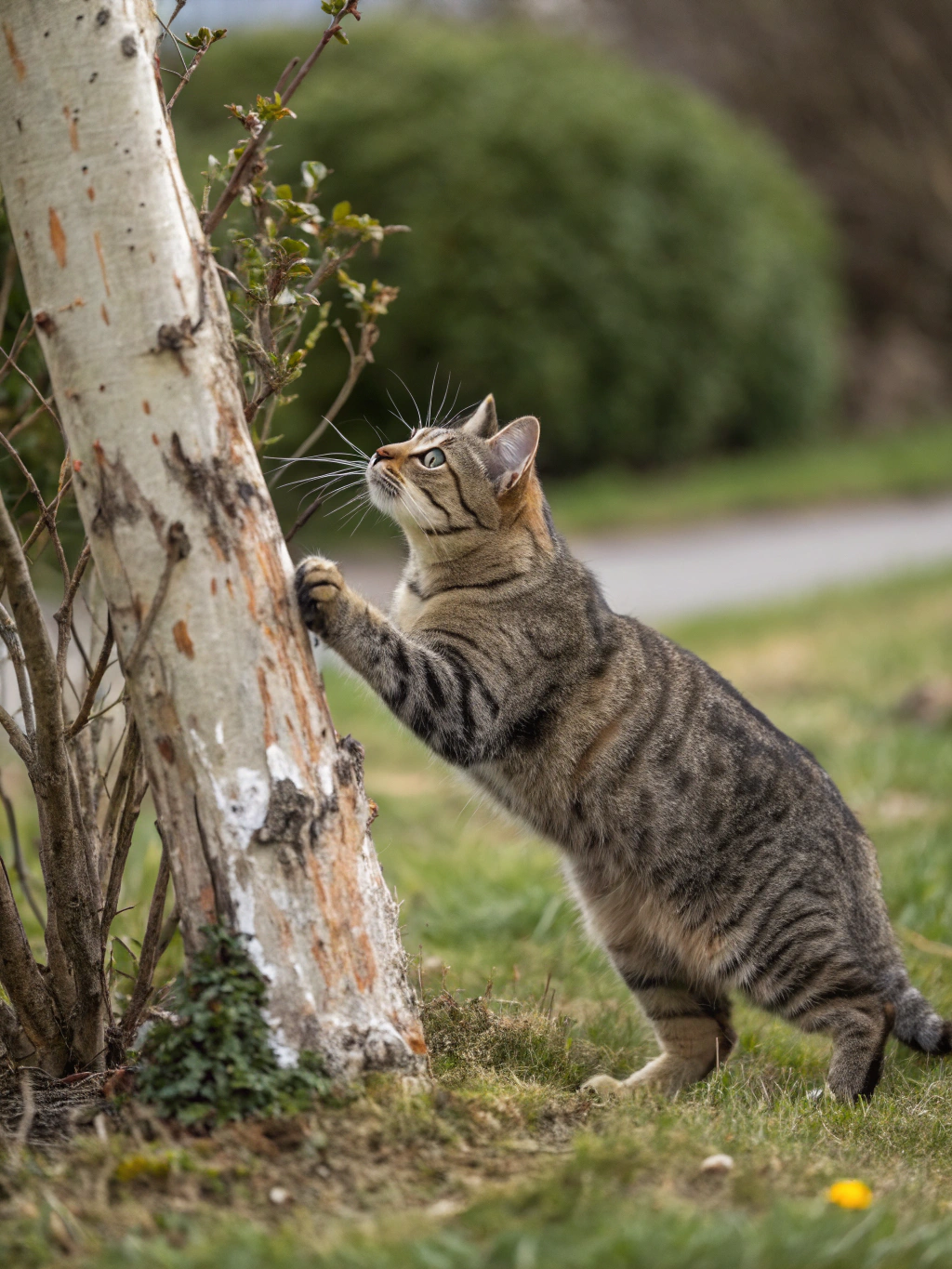
Scratching Posts: Place multiple scratching surfaces throughout your home. These serve dual purposes: satisfying natural scratching instincts and marking territory through scent glands in their paws.
Separate Resting Areas: Provide individual beds, hideaways, and cozy spaces where each cat can retreat without interference.
Interactive Toys: Wand toys, puzzle feeders, and treat-dispensing toys redirect territorial energy into positive play.
Baby Gates or Pet Barriers: Useful during introduction periods to allow visual contact while maintaining physical separation.
Timeline / Progress Expectations
Understanding the timeline for territorial behavior management helps set realistic expectations:
Week 1-2 (Introduction Phase): If introducing a new cat, expect minimal direct interaction. Focus on scent swapping by exchanging bedding and feeding cats on opposite sides of a closed door. Most cats show curiosity mixed with caution during this period.
Week 3-4 (Visual Contact): Begin supervised visual contact sessions lasting 5-10 minutes. Watch for relaxed body language—soft eyes, upright ears, and casual tail movements. Aggressive displays like hissing or growling should gradually decrease by 40-50% during this phase.
Week 5-8 (Supervised Interaction): Allow controlled face-to-face meetings in neutral territory. Positive interactions should increase to 70-80% of encounters. Redirected aggression or minor spats may still occur but should be brief.
Month 3-6 (Integration): Most cats establish a stable hierarchy within three to six months. Research indicates that 85% of multi-cat households achieve peaceful coexistence by the six-month mark when proper management techniques are consistently applied.
Daily Routine: Dedicate 15-20 minutes twice daily to interactive play sessions with each cat individually to reduce territorial tension and burn excess energy.
Seasonal Considerations: Outdoor cats may show increased territorial behavior during spring (mating season) and fall (establishing winter territories). Indoor cats may display heightened activity during these periods due to biological rhythms.
Step-by-Step Instructions
Step 1: Assess Current Territorial Issues
Observe your cats’ behavior patterns for 3-5 days. Document incidents of hissing, blocking doorways, resource guarding, or aggressive posturing. Identify triggers such as specific locations, times of day, or resources causing conflict.
Step 2: Create Multiple Resource Stations
Establish at least three separate “zones” in your home, each containing food, water, a litter box, and a resting area. This prevents competition and gives each cat ownership of their preferred space. Place resources in different rooms rather than grouping them together.
Step 3: Implement Scent Familiarization
Gently rub a soft cloth on one cat’s cheeks and place it near the other cat’s feeding area. Repeat daily with each cat. This gradual scent exposure reduces the perception of threat and helps cats recognize each other as part of the same household.
Step 4: Establish Vertical Territory
Install cat shelves at varying heights to create a three-dimensional environment. Higher perches naturally establish hierarchy—dominant cats typically claim elevated positions while subordinate cats feel secure with lower retreats.
Step 5: Use Positive Reinforcement During Interactions
Reward calm behavior during cat-to-cat encounters with treats, praise, or play. Never punish territorial displays, as this increases stress and reinforces negative associations. Instead, redirect attention to positive activities.
Step 6: Control Introduction Speed
Resist the urge to force interactions. Territorial cat problems often escalate when introductions proceed too quickly. Allow cats to set the pace, and retreat to previous steps if aggression intensifies.
Step 7: Provide Environmental Enrichment
Rotate toys weekly, add puzzle feeders, and create hiding spots using cardboard boxes. Enriched environments reduce boredom-related territorial aggression by providing mental stimulation and alternative outlets for natural hunting behaviors.
Health Benefits / Cat Advantages
Properly managing territorial behavior delivers significant health and wellbeing benefits:
Stress Reduction: Studies show that cats in harmonious multi-cat homes have 35% lower cortisol levels compared to those in conflict-prone environments. Reduced stress strengthens immune function and decreases risk of stress-related illnesses like feline idiopathic cystitis.
Improved Mental Health: Cats with secure territories display fewer anxiety-related behaviors such as over-grooming, inappropriate elimination, and aggression toward humans.
Better Physical Health: Reduced fighting decreases injury risk, including bite wounds that can lead to abscesses and infections. Peaceful environments also encourage normal eating patterns, preventing stress-related weight loss or obesity from stress-eating.
Enhanced Social Development: Cats that successfully navigate territorial relationships develop better social skills and confidence, making veterinary visits and household changes less traumatic.
Increased Lifespan: Research indicates that cats living in low-stress, well-managed environments may live 2-3 years longer than those experiencing chronic territorial conflict.
Alternative Methods & Tips
For Small Spaces: Focus on vertical expansion rather than horizontal. Wall-mounted furniture maximizes territory without consuming floor space. Use room dividers with cat doors to create separate zones within single rooms.
For Indoor-Only Cats: Window perches satisfy the need to monitor outdoor territory without actual outdoor access. Consider “catios” (enclosed outdoor spaces) that provide safe outdoor exposure while maintaining boundaries.
Budget-Friendly Options: Cardboard boxes make excellent hiding spots and can be easily replaced. DIY cat shelves using repurposed wood cost significantly less than commercial products. Empty paper bags and crumpled paper provide inexpensive enrichment.
For Different Age Groups: Kittens integrate more easily into established territories, while adult cats require longer adjustment periods. Senior cats benefit from ground-level resources as vertical climbing becomes more challenging.
Climate Considerations: In hot climates, ensure each cat has access to multiple cool resting spots. In cold regions, provide heated beds in separate locations to prevent competition for warm spaces.
Single-Cat Households: Even solo cats can display territorial behavior toward outdoor cats visible through windows. Privacy films or strategic furniture placement reduces this trigger while maintaining natural light.
Common Mistakes to Avoid
Insufficient Resources: The most common error is providing too few litter boxes, feeding stations, or resting areas. This forces competition and intensifies territorial disputes. Solution: Always exceed the minimum recommended quantities.
Punishment-Based Responses: Yelling at, spraying water on, or physically separating fighting cats increases fear and aggression. Solution: Use positive reinforcement and gradual desensitization instead.
Rushing Introductions: Expecting cats to become friends within days or weeks sets unrealistic expectations. Solution: Follow a structured timeline and progress only when both cats display relaxed body language.
Neglecting Individual Attention: Focusing solely on group dynamics while ignoring individual needs creates resentment. Solution: Spend one-on-one time with each cat daily to strengthen your bond and reduce anxiety.
Ignoring Subtle Signs: Waiting until physical fights occur before addressing territorial issues allows problems to escalate. Solution: Intervene at early warning signs like staring, tail twitching, or resource blocking.
Inconsistent Routines: Irregular feeding times or unpredictable environmental changes heighten territorial anxiety. Solution: Maintain consistent daily schedules for feeding, play, and quiet time.
Overcrowding: Exceeding your home’s carrying capacity (generally 2-3 cats per 1,000 square feet) creates unavoidable territorial stress. Solution: Honestly assess whether your space accommodates your current number of cats.
Storage & Maintenance Tips
Food Storage: Keep dry food in airtight containers in cool, dry locations. Purchase smaller quantities to ensure freshness and prevent one cat from guarding the food storage area. Store wet food properly and rotate stock using the FIFO (first in, first out) method.
Litter Box Hygiene: Scoop all boxes at least twice daily. Completely empty, wash with mild soap, and refill with fresh litter weekly. Replace boxes annually, as scratched plastic harbors bacteria and odors that can deter use.
Toy Rotation System: Store toys in separate containers and rotate them weekly. This maintains novelty and prevents territorial attachment to specific toys. Wash fabric toys monthly in fragrance-free detergent.
Scratching Post Maintenance: Vacuum or brush posts weekly to remove loose fibers and refresh catnip. Replace worn posts before they become unattractive, as cats may seek alternative scratching surfaces (like furniture) if preferred posts are too damaged.
Pheromone Diffuser Management: Replace diffuser refills every 30 days and plugs every six months for optimal effectiveness. Place diffusers in areas where territorial conflicts most frequently occur.
Seasonal Deep Cleaning: Quarterly, wash all cat bedding, vacuum under furniture where territorial scent marking may occur, and clean windows cats use to monitor outdoor territories. Use enzyme-based cleaners for any urine marking.
Health Monitoring: Weekly, check resource areas for signs of reduced usage (one cat avoiding certain zones) which may indicate escalating territorial issues or health problems.
Conclusion
Managing cat territorial behavior requires patience, understanding, and consistent application of proven strategies. By providing adequate resources, respecting natural feline hierarchies, and creating an enriched environment, you can significantly reduce territorial conflicts and stress in your household. Remember that every cat is unique—what works for one may need adjustment for another. Monitor progress, celebrate small victories, and don’t hesitate to consult with a veterinary behaviorist if conflicts persist despite your best efforts. Start implementing these tips today, and observe how your cats’ relationships transform over the coming weeks and months.
FAQs
Q: How long does it take for cats to stop being territorial?
A: The timeline varies considerably based on individual temperaments, previous experiences, and environmental factors. Most cats show significant improvement within 3-6 months when proper management techniques are consistently applied. However, some level of territorial awareness is natural and permanent—the goal is peaceful coexistence rather than complete elimination of territorial instincts.
Q: Can territorial behavior be completely eliminated?
A: No, territorial behavior is an inherent feline instinct that cannot and should not be entirely eliminated. The objective is to manage and redirect these natural behaviors so cats can coexist without excessive stress or aggression. Proper environmental design and resource distribution allow cats to satisfy territorial needs without conflict.
Q: What’s the difference between territorial aggression and play fighting?
A: Play fighting features role reversal (cats take turns being “dominant”), soft paw strikes without claws extended, silence or soft play vocalizations, and voluntary breaks. Territorial aggression involves sustained attacks, loud vocalizations (growling, screaming), piloerection (puffed fur), and one cat consistently retreating or hiding. If you’re unsure, video the interaction and consult your veterinarian.
Q: Should I let my cats “work it out” themselves?
A: No. Unlike dogs, cats rarely establish stable hierarchies through confrontation alone. Physical fights can result in serious injuries, and repeated negative encounters create lasting anxiety and aversion. Always intervene using distraction techniques (loud noises, tossing toys away from the conflict) rather than direct physical separation which risks redirected aggression toward you.
Q: How many cats can peacefully share a home?
A: This depends on your home’s size, layout, and your commitment to providing adequate resources. General guidelines suggest 2-3 cats per 1,000 square feet of living space, but vertical territory and environmental enrichment can increase capacity. Quality of space matters more than quantity—a well-designed 800-square-foot apartment may successfully house three cats while a poorly organized 2,000-square-foot home struggles with two.