Cat Sleeping All Day Meaning in 2026
Cat Sleeping All Day Meaning in 2026
Table of Contents
Cat Sleeping All Day Meaning
Introduction
Have you ever wondered if your feline friend’s endless naps are normal or a sign of something more serious? Studies show that cats sleep an average of 12-16 hours per day, with some senior cats snoozing up to 20 hours daily. Understanding cat sleeping all day meaning is essential for every cat owner who wants to distinguish between healthy rest patterns and potential health concerns. While cats are naturally crepuscular creatures—most active during dawn and dusk—excessive sleeping can sometimes indicate underlying issues ranging from boredom to medical conditions. This comprehensive guide will help you decode your cat’s sleeping habits, provide essential care tips, and ensure your furry companion lives their healthiest, happiest life.
Cat Supplies & Essentials
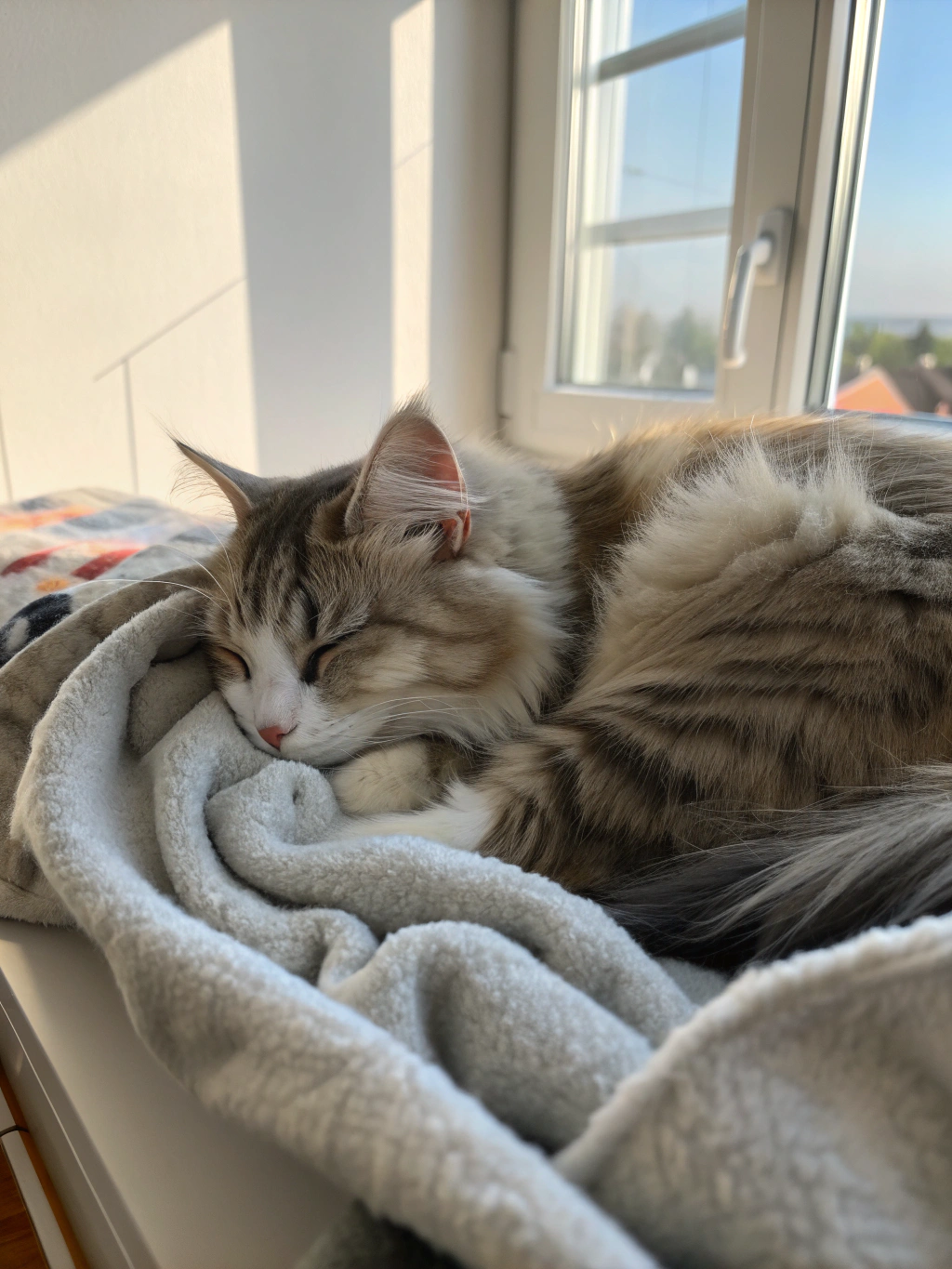
Creating an enriching environment is crucial for managing your cat’s sleep-wake cycle and overall wellbeing. Here are the essential supplies every cat owner should have:
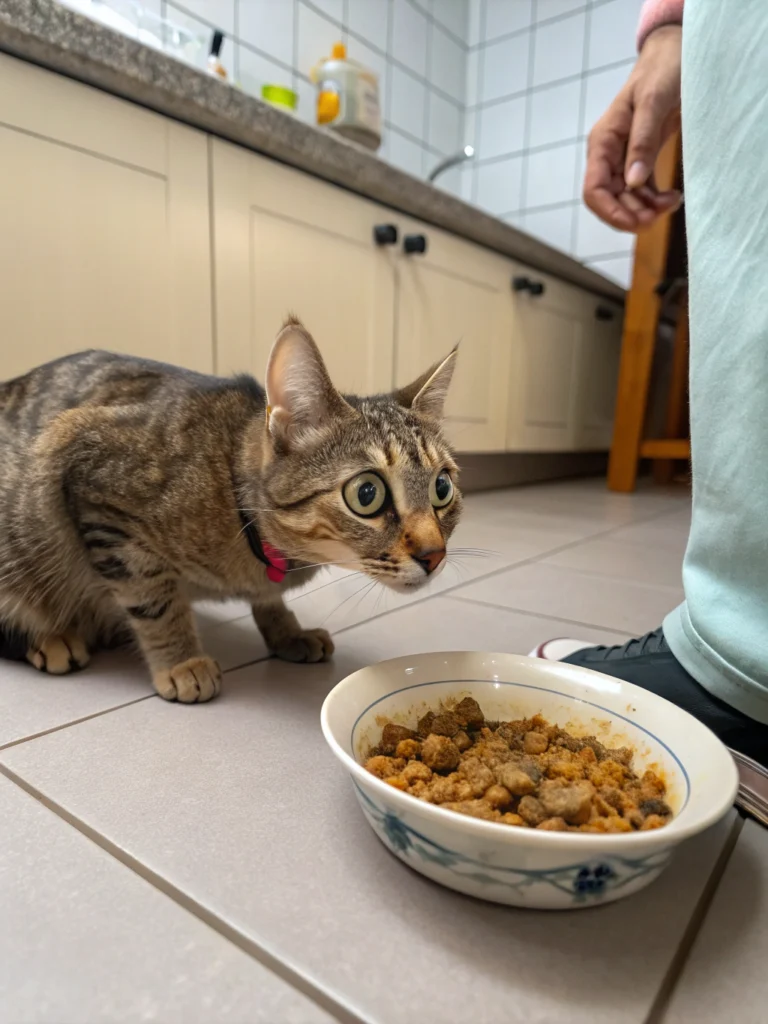
High-Quality Cat Food: Premium nutrition supports energy levels and metabolic health. Choose age-appropriate formulas with adequate protein content to maintain healthy activity levels.
Interactive Toys: Feather wands, laser pointers, and puzzle feeders stimulate mental engagement and prevent excessive sleeping due to boredom. Rotate toys weekly to maintain interest.
Comfortable Cat Beds: Provide multiple sleeping spots in quiet, elevated areas. Orthopedic beds benefit senior cats, while heated beds can encourage strategic napping rather than all-day sleeping.
Scratching Posts: Essential for physical exercise and mental stimulation, helping cats stay active between rest periods.
Litter Boxes: Follow the “n+1” rule (one box per cat plus one extra). Clean boxes encourage regular bathroom breaks, interrupting excessive sleep patterns.
Cat Trees and Perches: Vertical spaces promote climbing and exploration, naturally reducing sedentary behavior.
Water Fountains: Encourage hydration with flowing water sources. Dehydration can cause lethargy and excessive sleeping.
Grooming Tools: Regular brushing sessions provide bonding time and stimulation, especially beneficial for lazy cat behavior.
Carriers: Essential for veterinary visits when sleep patterns change dramatically or health concerns arise.
Optional Items: Window perches for bird watching, cat grass for digestive health, and calming pheromone diffusers for anxious sleepers.
Timeline / Progress Expectations
Understanding the timeframe for addressing sleep-related concerns helps set realistic expectations:
Week 1-2: Begin environmental enrichment and establish consistent play routines. Most cats show initial interest in new toys and activities within 3-5 days.
Week 3-4: Behavioral changes become noticeable. Cats typically reduce daytime sleeping by 1-2 hours when properly stimulated. Establish feeding schedules with multiple small meals to create natural wake periods.
Month 2-3: Healthy sleep patterns stabilize. Active cats should display 4-6 hours of waking activity distributed throughout the day and night.
Senior Cats (7+ years): Require 6-8 weeks for routine adjustments. Expect gradual improvements rather than dramatic changes.
Daily Routine: Two 15-minute play sessions (morning and evening) significantly impact sleep quality and duration. Incorporate hunting-style play before meals to mimic natural predatory rhythms.
Seasonal Considerations: Cats may sleep more during winter months or extreme weather. Adjust expectations accordingly, but maintain engagement activities year-round.
Step-by-Step Instructions
Step 1: Establish a Baseline
Monitor your cat’s sleeping habits for one week using a simple log. Note total sleep hours, energy levels during waking periods, and any changes in eating or litter box habits. This baseline helps identify whether sleep patterns are truly excessive or simply normal feline behavior.
Step 2: Create an Enrichment Schedule
Design a daily routine incorporating play, feeding, and exploration opportunities. Schedule interactive play sessions before breakfast and dinner to simulate natural hunting cycles. Use treat-dispensing toys during your absence to encourage waking activity.
Step 3: Optimize the Environment
Position cat trees near windows for environmental stimulation. Rotate toy availability every 3-4 days to prevent habituation. Consider adding fish tanks, bird feeders outside windows, or cat-safe videos for passive entertainment during your absence.
Step 4: Adjust Feeding Strategies
Transition from free-feeding to scheduled meals. Divide daily portions into 3-4 small meals, encouraging cats to wake for food. Hide small portions around the house to promote foraging behavior and physical activity.
Step 5: Implement Interactive Play
Use wand toys to simulate prey movements. Sessions should last 10-15 minutes, ending when your cat shows mild fatigue—not exhaustion. Always conclude with a small treat or meal to satisfy the hunt-catch-eat sequence.
Step 6: Monitor and Adjust
After two weeks, reassess sleep patterns. Healthy changes include increased alertness, more frequent position changes, and engagement with environmental stimuli. If excessive sleeping persists despite enrichment efforts, consult your veterinarian.
Health Benefits / Cat Advantages
Properly managed sleep patterns contribute significantly to feline health:
Mental Health: Balanced rest and activity cycles reduce anxiety and depression-related behaviors by 40%, according to veterinary behavioral studies.
Weight Management: Active cats maintain healthy body conditions. Just 30 minutes of daily activity can prevent obesity-related complications affecting 60% of domestic cats.
Cardiovascular Health: Regular movement improves circulation and heart function, particularly crucial for senior cats prone to cardiac issues.
Immune Function: Quality sleep combined with appropriate waking activity strengthens immune responses, reducing illness frequency.
Cognitive Function: Environmental enrichment and mental stimulation delay cognitive decline in aging cats by maintaining neural pathways.
Behavioral Improvements: Appropriately stimulated cats display fewer destructive behaviors, reduced aggression, and improved litter box habits.
Bonding Enhancement: Interactive play strengthens human-cat relationships, increasing trust and reducing stress markers by measurable cortisol level decreases.
Digestive Health: Scheduled feeding aligned with natural wake cycles improves nutrient absorption and reduces gastrointestinal issues.
Alternative Methods & Tips
Small Space Solutions: Utilize vertical space with wall-mounted shelves and multi-level cat furniture. Window perches provide entertainment without requiring floor space.
Budget-Friendly Enrichment: Cardboard boxes, paper bags (handles removed), and crumpled paper balls provide inexpensive stimulation. DIY puzzle feeders using toilet paper rolls create engaging feeding challenges.
Indoor-Only Cats: Create “catios” (enclosed outdoor spaces) or harness-train for supervised outdoor time. Indoor gardens with cat-safe plants simulate outdoor exploration.
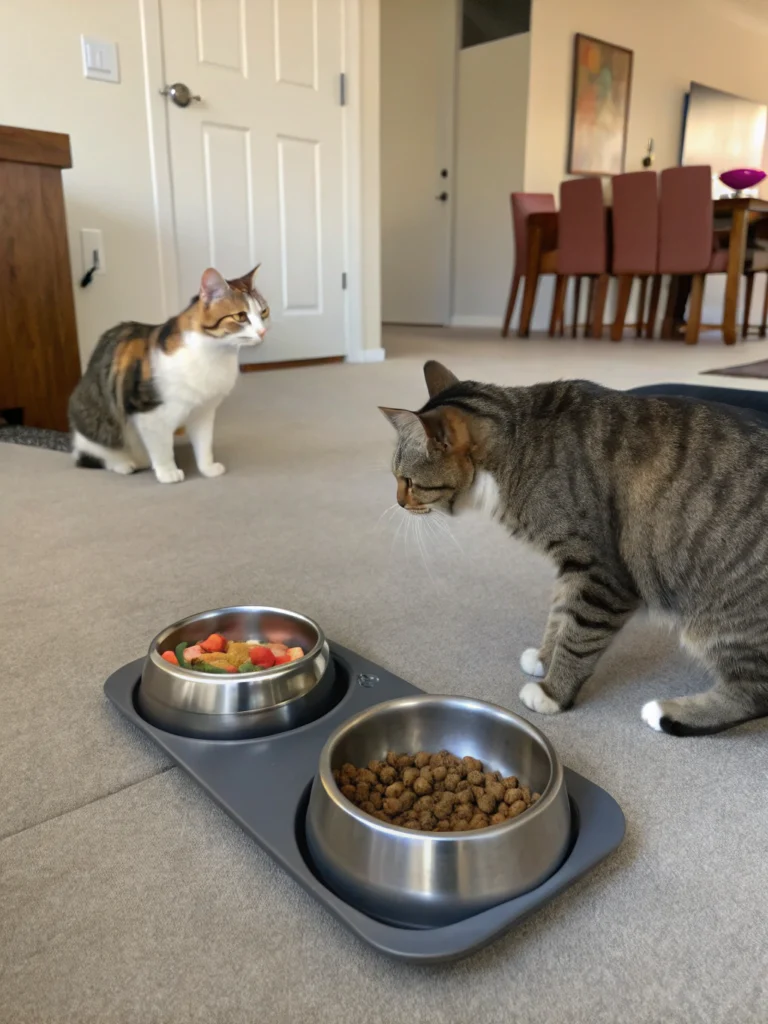
Multi-Cat Households: Ensure adequate resources to prevent competition-related stress that can cause withdrawal and excessive sleeping. Provide separate feeding stations and multiple vertical territories.
Senior Cat Modifications: Lower entry-point beds, heated sleeping areas, and gentler play sessions accommodate aging bodies while maintaining engagement.
Climate Adaptations: In hot climates, schedule activities during cooler morning/evening hours. Provide cooling mats for summer and heated beds for winter to regulate comfort without encouraging all-day sleeping.
Personality-Based Approaches: Shy cats benefit from solo play with automated toys. Confident cats thrive with social play and training sessions teaching tricks or leash walking.
Common Mistakes to Avoid
Ignoring Medical Causes: Excessive sleeping can indicate diabetes, thyroid issues, infections, or pain. Always rule out health problems with veterinary examination before assuming laziness.
Inconsistent Routines: Sporadic play schedules confuse cats and prevent habit formation. Maintain daily consistency even on weekends.
Overstimulation: Marathon play sessions exhaust rather than energize. Short, frequent interactions prove more effective than occasional lengthy ones.
Neglecting Mental Enrichment: Physical toys alone don’t satisfy intelligent predators. Incorporate problem-solving activities like puzzle feeders and training sessions.
Disturbing Sleep: While encouraging activity, respect necessary rest periods. Never wake sleeping cats unnecessarily, as quality sleep remains essential for health.
Free-Feeding: Constant food availability eliminates natural wake-for-food patterns. Scheduled feeding creates structure and prevents obesity-related lethargy.
Lack of Variety: Using the same toys and routines causes habituation. Regularly introduce novelty through new scents, textures, and activities.
Punishment-Based Approaches: Never punish cats for sleeping. This creates stress and anxiety, potentially worsening lethargy and withdrawal behaviors.
Storage & Maintenance Tips
Food Storage: Keep dry food in airtight containers in cool, dark locations. Refrigerate opened wet food for maximum 2-3 days. Check expiration dates monthly to ensure nutritional quality supporting energy levels.
Toy Maintenance: Wash fabric toys weekly in unscented detergent. Inspect for loose parts that pose choking hazards. Rotate toy availability, storing half while actively using the remainder to maintain novelty.
Litter Box Hygiene: Scoop daily, completely change litter weekly, and deep-clean boxes monthly with enzyme cleaners. Poor litter box conditions can cause stress-related excessive sleeping.
Bed Cleaning: Wash cat beds biweekly using hot water to eliminate parasites and allergens. Maintain multiple beds to ensure clean options are always available.
Scratching Post Care: Vacuum weekly to remove debris. Replace worn sisal or carpet when cats lose interest, as ineffective scratching outlets reduce activity levels.
Water Fountain Maintenance: Clean fountains every 3-4 days to prevent bacterial growth. Replace filters monthly to maintain water appeal and encourage proper hydration.
Seasonal Deep Cleaning: Quarterly, thoroughly clean all cat areas, rotate furniture positions, and refresh environmental setups to stimulate renewed interest and exploration.
Conclusion
Understanding your cat’s sleeping patterns distinguishes between healthy rest and concerning lethargy. While cats naturally sleep 12-16 hours daily, excessive sleeping warrants attention to environmental enrichment, health screening, and lifestyle adjustments. By implementing consistent play schedules, providing mental stimulation, optimizing nutrition, and creating engaging environments, you can ensure your feline companion maintains healthy activity levels. Remember that sudden changes in sleep patterns always merit veterinary consultation. Start today by establishing one new enrichment activity and monitoring your cat’s response over the next two weeks. Share your experiences with fellow cat owners and explore our related guides on feline behavior and wellness for additional insights into creating the perfect environment for your furry friend.
FAQs
Q: How many hours should my cat sleep daily?
A: Adult cats typically sleep 12-16 hours daily, while kittens and seniors may sleep 18-20 hours. Sleeping patterns should include multiple short naps rather than continuous all-day sleeping, with regular waking periods for eating, playing, and grooming.
Q: When is excessive sleeping a medical concern?
A: Consult your veterinarian if your cat suddenly sleeps significantly more than usual, shows lethargy during normal active periods, exhibits decreased appetite, loses interest in favorite activities, or displays difficulty waking. These may indicate diabetes, thyroid issues, infections, or pain conditions requiring medical attention.
Q: Can boredom cause excessive sleeping?
A: Absolutely. Understimulated cats may sleep excessively due to lack of environmental enrichment. This is particularly common in indoor-only cats without adequate toys, vertical spaces, or interactive play opportunities. Implementing regular enrichment activities typically reduces excessive sleeping within 2-4 weeks.
Q: Do cats’ sleep patterns change with age?
A: Yes. Kittens sleep extensively to support growth and development. Adult cats (1-7 years) maintain the most balanced sleep-wake cycles. Senior cats (7+ years) gradually increase sleeping hours due to reduced energy levels, but should still show regular periods of alertness and interest in surroundings.
Q: How can I tell if my cat is sleeping too much or just being lazy?
A: Healthy cats wake readily for meals, show interest in environmental changes, engage willingly during play sessions, and maintain grooming habits. Concerning signs include difficulty rousing, disinterest in favorite activities, weight changes, altered litter box habits, or sleeping in unusual locations. When in doubt, schedule a veterinary examination to rule out underlying health issues.