Cat Separation Anxiety: How to Help
Cat Separation Anxiety: How to Help
Table of Contents
Introduction
Did you know that nearly 13% of cats display signs of distress when left alone, according to a study published in the Journal of Feline Medicine and Surgery? While many people assume that cats are independent creatures who prefer solitude, Cat separation anxiety is a genuine condition that affects countless felines worldwide. Unlike dogs, who openly display their distress, cats often suffer in silence, making it challenging for owners to recognize the problem.
Cat Supplies & Essentials
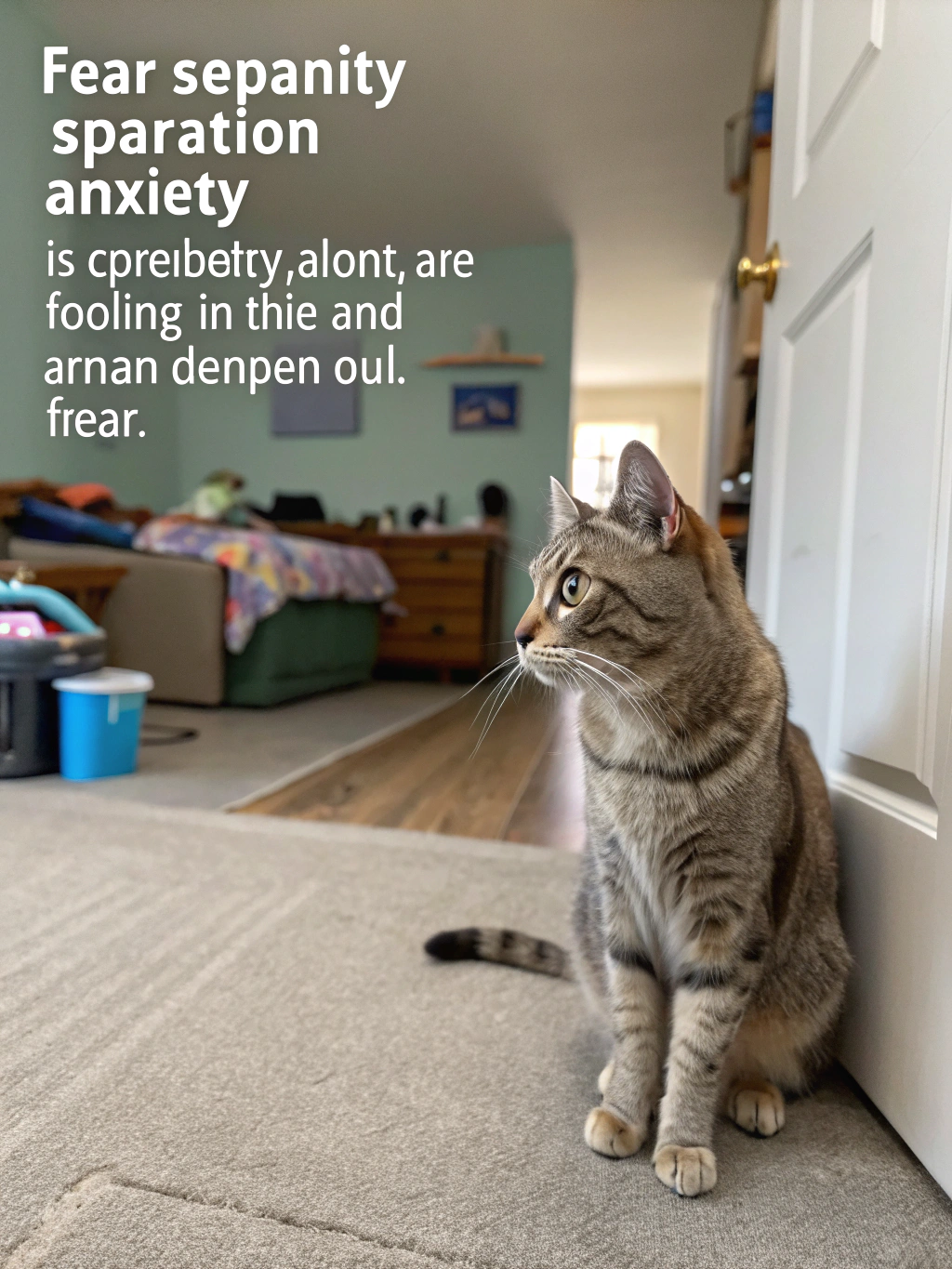
To help manage and prevent separation anxiety, having the right supplies is essential:
Interactive Toys and Puzzle Feeders: These mental stimulation tools keep your cat engaged during your absence. Puzzle feeders slow down eating while providing entertainment, reducing anxiety-driven behaviors.
Calming Pheromone Diffusers: Products like Feliway release synthetic pheromones that mimic natural cat facial pheromones, creating a sense of security and comfort in your home environment.
Comfortable Hiding Spaces: Cat caves, covered beds, or cardboard boxes provide safe retreats where anxious cats can feel protected and secure.
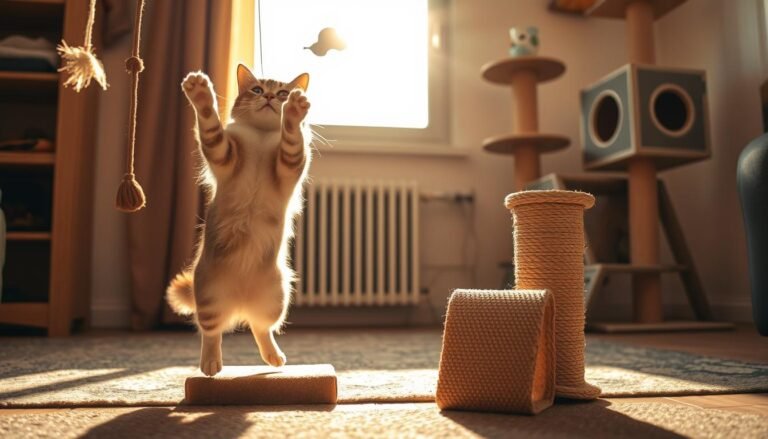
Scratching Posts and Cat Trees: Essential for physical exercise and territorial marking, these items help cats release pent-up energy and stress constructively.
Window Perches: Allowing cats to observe outdoor activity provides mental stimulation and helps pass time during your absence.
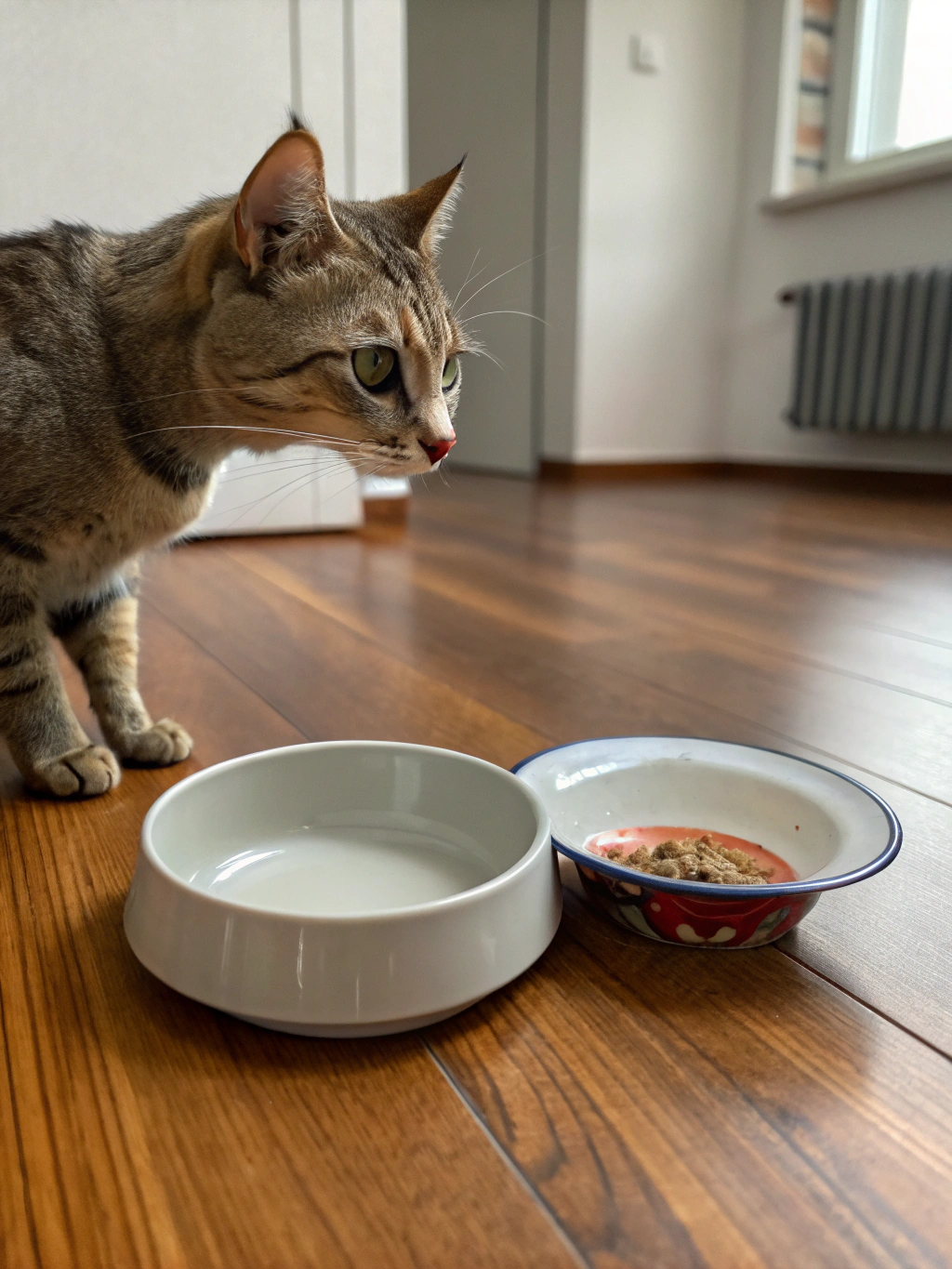
Automated Feeders and Water Fountains: These ensure your cat has access to fresh food and water on schedule, maintaining routine even when you’re away.
Cat Cameras with Two-Way Audio: Modern pet cameras let you check on your cat and even speak to them, providing reassurance during separation.
Catnip and Silver Vine Toys: Natural stress relievers that can help anxious cats relax and engage in positive play behaviors.
Timeline / Progress Expectations
Understanding the timeline for improvement helps set realistic expectations:
Week 1-2: Initial assessment period. Monitor your cat’s behavior closely to identify specific anxiety triggers and patterns. Most cats begin showing slight improvements once new routines are established.
Week 3-4: Implementation phase. Your cat should start responding to environmental modifications and new enrichment activities. Expect gradual reduction in destructive behaviors.
Month 2-3: Consolidation period. Most cats demonstrate significant behavioral improvements, with reduced vocalization, elimination issues, and destructive scratching. Some cats may require 8-12 weeks for substantial progress.
Ongoing Maintenance: Continue daily enrichment activities, maintain consistent routines, and provide 15-30 minutes of interactive play twice daily. Seasonal changes or household disruptions may require temporary adjustments.
Long-term Success: With consistent application of anxiety-reduction techniques, 70-80% of cats show marked improvement within 3-6 months, according to veterinary behaviorists.
Step-by-Step Instructions
Step 1: Recognize the Signs
Identify anxiety symptoms including excessive vocalization, inappropriate elimination, destructive scratching, over-grooming, decreased appetite, or following you obsessively. Document behaviors with timestamps to identify patterns.
Step 2: Create a Gradual Departure Routine
Practice leaving for short periods (5-10 minutes) and gradually extend duration. Avoid dramatic goodbyes or greetings, which reinforce anxiety. Make departures and arrivals low-key and unremarkable.
Step 3: Establish Environmental Enrichment
Set up multiple activity stations throughout your home. Rotate toys weekly to maintain novelty. Place puzzle feeders in different locations to encourage foraging behavior, mimicking natural hunting instincts.
Step 4: Implement Desensitization Training
Desensitize your cat to departure cues. Pick up keys, put on shoes, or grab your bag without actually leaving. Repeat until these actions no longer trigger anxiety responses.
Step 5: Provide Interactive Technology
Use automated toys that activate on timers or cat-specific videos designed for feline viewing. These provide entertainment and prevent boredom during extended absences.
Step 6: Consider a Companion
If suitable for your situation, adopting a second cat can provide companionship and reduce isolation-related stress. Ensure proper introduction protocols and personality compatibility.
Health Benefits / Cat Advantages
Addressing Cats and separation stress delivers numerous health advantages:
Improved Physical Health: Reduced stress lowers cortisol levels, strengthening immune function and decreasing susceptibility to infections and illnesses.
Better Digestive Function: Anxious cats often experience digestive upset. Managing anxiety normalizes eating patterns and reduces vomiting or diarrhea incidents.
Enhanced Mental Wellbeing: Environmental enrichment and routine stability provide mental stimulation, preventing depression and cognitive decline, especially in senior cats.
Healthier Skin and Coat: Reducing anxiety-driven over-grooming prevents hair loss, skin irritation, and painful hot spots, maintaining coat health.
Behavioral Stability: Addressing separation anxiety reduces destructive behaviors, inappropriate elimination, and aggression, creating a harmonious household environment.
Increased Lifespan: Studies indicate that mentally stimulated, emotionally balanced cats live longer, healthier lives with fewer stress-related medical conditions.
Alternative Methods & Tips
For Small Living Spaces: Utilize vertical space with wall-mounted shelves and tall cat trees. Maximize limited square footage by creating multi-level environments that provide exercise and exploration opportunities.
Budget-Friendly Options: Create DIY puzzle feeders from cardboard boxes or toilet paper rolls. Rotate existing toys rather than constantly purchasing new ones. Use household items like paper bags for enrichment.
For Senior Cats: Adjust activities to accommodate mobility limitations. Provide easily accessible perches, heated beds for comfort, and gentler interactive toys that don’t require excessive jumping or running.
Multi-Cat Households: Ensure adequate resources (litter boxes, food stations, resting areas) following the “n+1” rule (one per cat plus one extra) to prevent resource competition and territorial stress.
Climate Considerations: In warmer climates, ensure adequate cooling spots and fresh water. In colder areas, provide warm hiding spaces and consider heated pet beds for anxious cats seeking comfort.
Working Professionals: Consider hiring pet sitters for midday visits, using automated toys with timers, or arranging video calls to check on your cat during extended workdays.
Common Mistakes to Avoid
Punishment for Anxiety Behaviors: Never punish destructive or elimination behaviors resulting from anxiety. This increases stress and worsens the condition significantly.
Inconsistent Routines: Irregular feeding times, play sessions, or departure schedules heighten uncertainty and anxiety. Maintain consistent daily patterns whenever possible.
Overwhelming Affection Before Leaving: Excessive attention immediately before departure creates dramatic contrast, amplifying separation distress. Keep pre-departure interactions calm and brief.
Ignoring Medical Causes: Some anxiety symptoms indicate underlying medical conditions. Always consult your veterinarian to rule out urinary infections, thyroid issues, or pain-related problems.
Insufficient Mental Stimulation: Providing only physical toys without mental challenges fails to engage your cat’s cognitive needs, leaving them bored and anxious.
Rushing the Process: Expecting immediate results leads to frustration. Behavioral modification requires patience, consistency, and gradual progress over weeks or months.
Over-reliance on Treats: Using treats as the sole comfort method can lead to obesity and doesn’t address underlying anxiety causes. Combine treats with environmental modifications and behavioral training.
Storage & Maintenance Tips
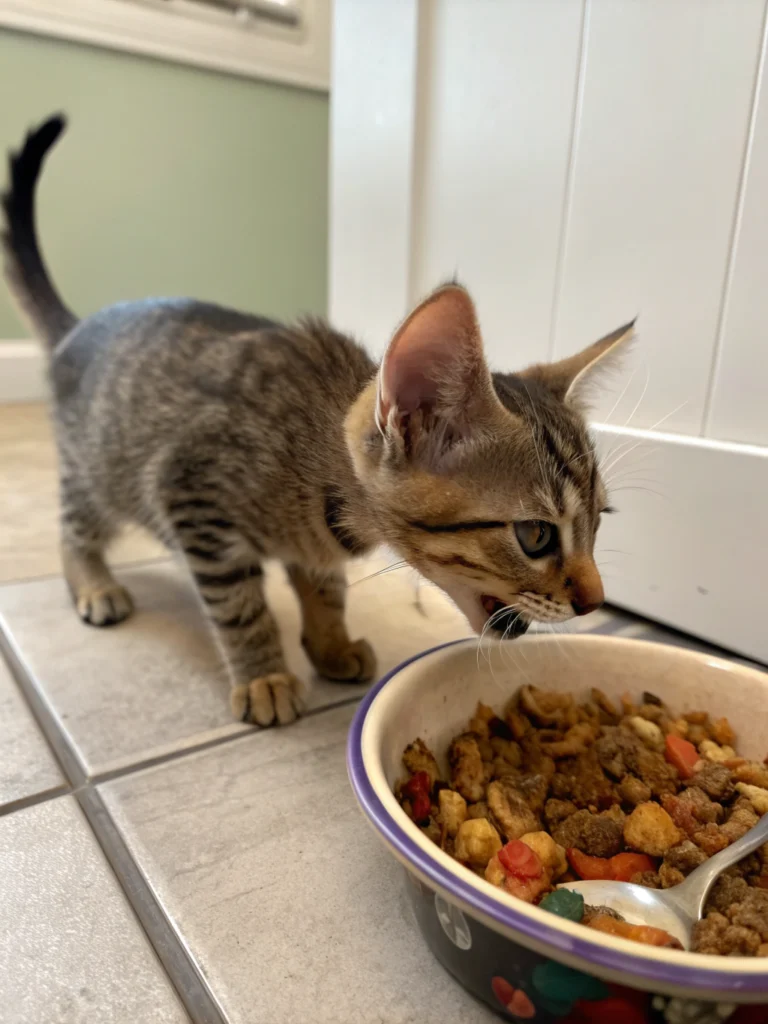
Food Storage: Store dry cat food in airtight containers in cool, dark places to prevent spoilage and maintain freshness. Check expiration dates monthly and discard expired products.
Toy Hygiene: Wash fabric toys weekly in unscented detergent. Disinfect plastic toys bi-weekly with pet-safe cleaners. Inspect toys regularly for damage and discard broken items that pose choking hazards.
Litter Box Maintenance: Scoop daily and completely change litter weekly. Deep clean boxes monthly with mild soap and water, avoiding harsh chemicals that may deter use.
Pheromone Diffuser Maintenance: Replace pheromone refills every 30 days and diffuser units every 6 months for optimal effectiveness. Position diffusers in areas where your cat spends most time.
Scratching Post Care: Vacuum or brush posts weekly to remove loose material. Replace sisal rope or cardboard inserts when worn to maintain appeal and functionality.
Seasonal Deep Cleaning: Quarterly, thoroughly clean all cat areas including beds, perches, and hiding spots. Wash removable covers and disinfect surfaces to maintain hygiene and reduce allergens.
Conclusion
Managing Cat separation anxiety requires patience, understanding, and consistent application of proven techniques. By recognizing the signs early, implementing environmental enrichment, establishing predictable routines, and providing appropriate resources, you can significantly improve your cat’s emotional wellbeing. Remember that each cat is unique—what works for one may require adjustment for another.
FAQs
How long does it take for a cat to adjust to being alone?
Most cats adapt to new routines within 2-4 weeks, though severely anxious cats may require 8-12 weeks. The timeline varies based on the cat’s personality, previous experiences, and consistency of training. Gradual desensitization and environmental enrichment significantly accelerate adjustment periods.
Can separation anxiety in cats be cured completely?
While many cats show significant improvement, some may always retain mild sensitivity to separation. With proper management, most cats can live comfortably with minimal anxiety symptoms. Approximately 70-80% of cats respond well to behavioral modification techniques combined with environmental changes.
Should I get another cat to help with separation anxiety?
A companion can help, but success depends on both cats’ personalities and proper introduction protocols. Some cats prefer solitude and may become more stressed with another feline. Consult with a veterinary behaviorist before making this decision, and consider fostering first to assess compatibility.
Are there medications for cat separation anxiety?
Yes, veterinarians may prescribe anti-anxiety medications like fluoxetine or clomipramine for severe cases. However, medication should complement—not replace—behavioral modification and environmental enrichment. Always discuss potential side effects and treatment duration with your veterinarian before starting medication.
What’s the difference between separation anxiety and boredom?
Separation anxiety involves distress specifically triggered by owner absence, with symptoms appearing shortly after departure. Boredom manifests as general destructiveness or lethargy regardless of owner presence. Separation anxiety typically includes vocalization, elimination issues, and distress behaviors concentrated around departure times, while boredom behaviors occur throughout the day.