cat scratching walls best guide in 2026
cat scratching walls best guide in 2026
Table of Contents
Why Cats Scratch Walls
Introduction
Have you ever wondered why your feline friend treats your pristine walls like a personal scratching post? According to recent veterinary behavioral studies, approximately 67% of cat owners report experiencing cat scratching walls at some point in their pet’s life. This seemingly destructive cat behavior is actually a deeply ingrained instinct that serves multiple purposes for your pet. Understanding why cats scratch walls is the first step toward redirecting this natural behavior and creating a harmonious living environment for both you and your furry companion. In this comprehensive guide, we’ll explore the science behind wall scratching, provide practical solutions, and equip you with expert strategies to manage this common feline behavior effectively.
Cat Supplies & Essentials
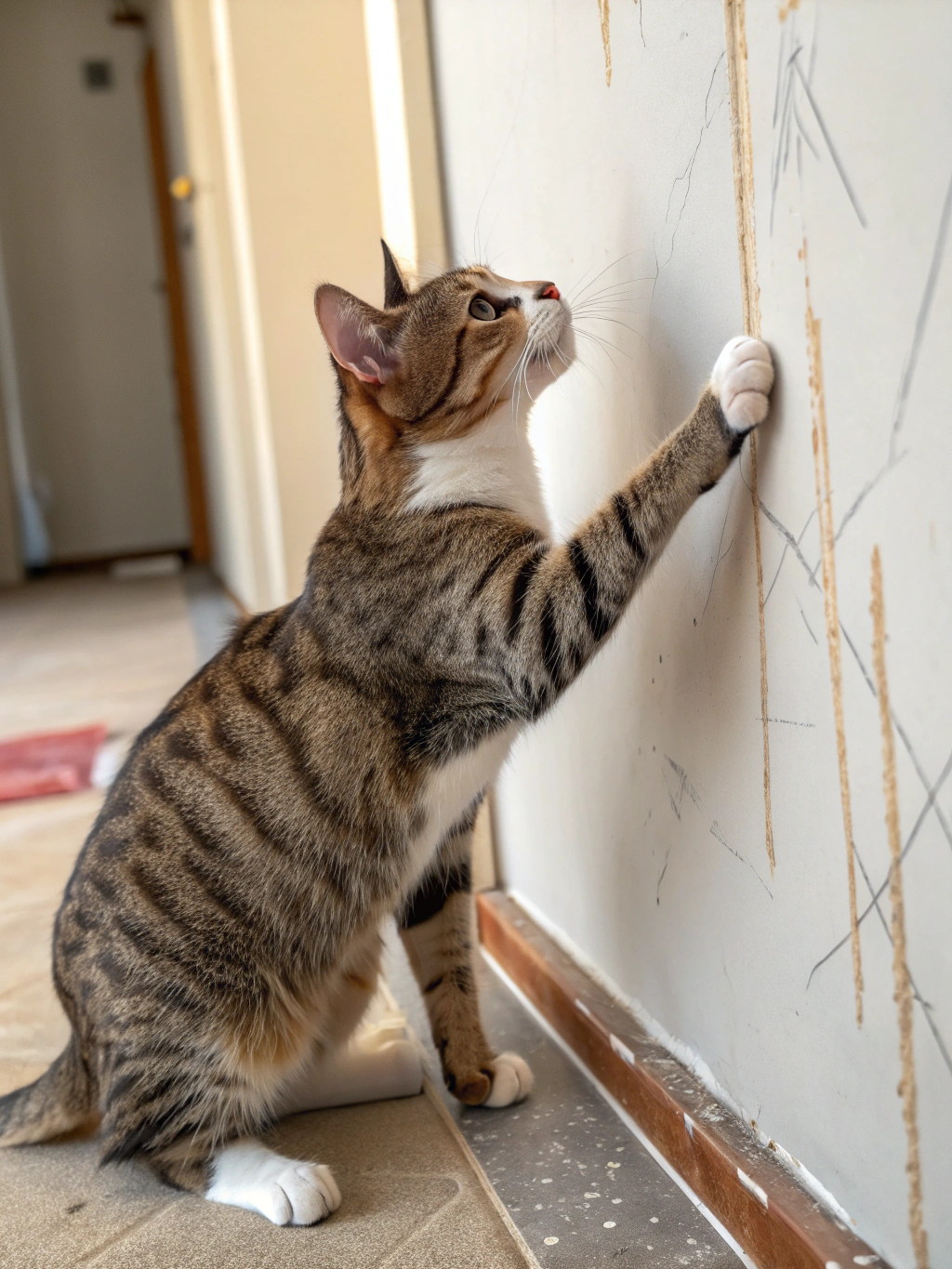
To successfully redirect wall scratching behavior, you’ll need the right supplies and equipment:
Scratching Posts and Boards: Essential for providing appropriate scratching surfaces. Choose tall, sturdy posts covered in sisal rope or corrugated cardboard. Position them near walls your cat frequently scratches. Benefits include satisfying natural scratching instincts while protecting your walls.
Wall-Mounted Scratching Pads: These adhesive or mounted pads attach directly to walls, offering an acceptable alternative. Perfect for cats who prefer vertical surfaces, they protect drywall while meeting your cat’s territorial marking needs.
Catnip and Cat Attractant Sprays: Use these to make scratching posts more appealing than walls. They encourage exploration and repeated use of designated scratching areas.
Nail Clippers and Grinders: Regular nail maintenance reduces scratching damage. Trimming every 2-3 weeks minimizes wall wear while keeping your cat comfortable.
Soft Paws or Nail Caps: Temporary solutions that cover claws without declawing. These vinyl caps last 4-6 weeks and significantly reduce surface damage.
Interactive Toys and Puzzle Feeders: Mental stimulation reduces stress-related scratching. Rotating toys weekly maintains interest and provides healthy outlets for energy.
Pheromone Diffusers: Products like Feliway create calming environments, reducing anxiety-driven scratching behaviors. Plug them in near problem areas for best results.
Cat Trees and Climbing Structures: Multi-level furniture satisfies climbing instincts and provides alternative scratching surfaces throughout your home.
Timeline / Progress Expectations
Understanding the timeline for behavior modification helps set realistic expectations:
Week 1-2: Introduction phase where you establish new scratching posts and begin positive reinforcement. Most cats show curiosity toward new scratching surfaces within 3-5 days. You’ll notice initial experimentation with designated scratching areas.
Week 3-4: Habit formation begins as your cat starts preferring approved scratching locations. Approximately 40% of cats show marked improvement during this period. Consistency in rewards and placement is crucial.
Week 5-8: Behavior consolidation occurs with 60-75% of cats demonstrating significant reduction in wall scratching. Regular nail trims every two weeks support this progress.
Month 3-6: Long-term habit establishment happens as new behaviors become automatic. Most cats (85%) successfully transition to appropriate scratching surfaces by the six-month mark with consistent training.
Daily Routine: Spend 10-15 minutes engaging your cat with interactive play near scratching posts. Morning and evening sessions work best, aligning with natural activity peaks.
Weekly Maintenance: Check scratching post condition, refresh catnip applications, and trim nails as needed. Replace worn surfaces to maintain appeal.
Step-by-Step Instructions to Redirect Wall Scratching
Step 1: Identify Scratching Patterns
Observe when and where your cat scratches walls. Note time of day, specific locations, and what triggers the behavior. Most cats scratch after waking, before feeding, or during play. Document patterns for 3-5 days to identify trends.
Step 2: Position Alternative Scratching Surfaces
Place scratching posts directly in front of or adjacent to targeted wall areas. Ensure posts are taller than your cat’s full stretch (typically 28-36 inches). Stability is critical—wobbly posts discourage use.
Step 3: Make Walls Less Appealing
Apply double-sided tape or aluminum foil to scratched wall sections temporarily. Cats dislike these textures and will avoid them. Use plastic corner guards on frequently targeted edges.
Step 4: Introduce Positive Reinforcement
Reward your cat immediately when using appropriate scratching surfaces. Use treats, praise, or play sessions. Timing is everything—rewards within 2-3 seconds create strongest associations.
Step 5: Demonstrate Scratching Behavior
Gently guide your cat’s paws on the new scratching post in a scratching motion. Never force this—make it playful and rewarding. Some cats learn by observation, so enthusiastic encouragement helps.
Step 6: Apply Attractants Strategically
Rub catnip or apply attractant sprays on approved scratching surfaces. Reapply every 2-3 days initially, then weekly once habits form. Use high-quality, fresh catnip for maximum appeal.
Step 7: Maintain Consistent Nail Care
Trim nails every 2-3 weeks to reduce scratching effectiveness on walls. This doesn’t stop the behavior but minimizes damage while training progresses. Pair trimming with treats to create positive associations.
Step 8: Increase Environmental Enrichment
Provide 15-20 minutes of daily interactive play to reduce stress and boredom. Puzzle feeders, window perches, and rotation of toys prevent destructive behaviors stemming from understimulation.
Health Benefits / Cat Advantages
Proper scratching behavior management offers numerous advantages for feline wellbeing:
Physical Health: Scratching stretches muscles, particularly in the shoulders, back, and legs. This natural movement maintains flexibility and prevents stiffness, especially important for senior cats. Regular scratching also promotes healthy nail growth by removing dead outer layers.
Mental Stimulation: Appropriate scratching outlets reduce anxiety and stress by 45%, according to veterinary behavioral studies. Cats experience psychological satisfaction from territorial marking through scent glands in their paws.
Territorial Security: Scratching creates visual and scent markers that help cats feel secure in their environment. This reduces stress-related behaviors like inappropriate elimination or aggression.
Emotional Wellbeing: Allowing natural scratching behavior prevents frustration and behavioral problems. Studies show cats with adequate scratching opportunities display 60% fewer stress indicators.
Bonding Opportunities: Training sessions create positive interactions between owners and cats, strengthening relationships while addressing behavioral concerns.
Alternative Methods & Tips
For Small Living Spaces: Use vertical wall-mounted scratching boards that maximize space efficiency. Corner scratchers fit perfectly in tight areas while providing full-body stretching opportunities.
Budget-Friendly Solutions: Create DIY scratching boards using cardboard boxes or carpet remnants wrapped around wood planks. These cost under $10 and work remarkably well when refreshed monthly.
Multi-Cat Households: Provide one scratching post per cat plus one extra. Place them in different locations to prevent resource competition and territorial conflicts.
Apartment Living: Choose quieter scratching materials like cardboard over sisal if noise concerns exist. Horizontal scratchers work well in smaller rooms where tall posts don’t fit.
Climate Considerations: In humid environments, replace scratching surfaces more frequently as moisture reduces appeal. Dry climates may require less frequent replacement but more attractant application.
For Senior Cats: Select shorter, more accessible scratching posts. Horizontal scratchers accommodate cats with arthritis or mobility issues while still satisfying scratching instincts.
Personality Adaptations: Shy cats prefer scratching surfaces in quiet, low-traffic areas. Confident cats enjoy prominent locations. Match placement to your cat’s temperament for best results.
Common Mistakes to Avoid
Punishing Scratching Behavior: Never yell at or spray water on cats for scratching walls. This creates fear and anxiety without addressing the underlying need, often worsening the behavior.
Insufficient Scratching Options: Providing only one scratching post for multiple cats or large homes leads to continued wall scratching. Cats need convenient access throughout their territory.
Wrong Post Positioning: Placing scratching posts in unused corners or rooms defeats their purpose. Cats scratch in socially significant areas—living rooms, near sleeping spots, and entryways.
Unstable Scratching Posts: Wobbly or lightweight posts tip over, creating negative associations. Invest in heavy, stable options weighing at least 15-20 pounds or secure posts to walls.
Neglecting Nail Maintenance: Skipping regular trims increases scratching intensity and damage. Establish a consistent schedule from kittenhood to normalize the process.
Ignoring Individual Preferences: Some cats prefer horizontal scratching while others like vertical or angled surfaces. Observe preferences and provide varied options.
Inconsistent Training: Sporadic reinforcement confuses cats and delays progress. Commit to daily positive reinforcement for at least 6-8 weeks for lasting results.
Delaying Intervention: Waiting to address wall scratching allows habits to strengthen. Begin redirection training immediately upon noticing the behavior.
Storage & Maintenance Tips
Scratching Post Care: Vacuum sisal posts weekly to remove loose fibers and debris. Replace posts when material becomes too worn or compressed—typically every 6-12 months depending on use intensity.
Catnip Storage: Keep catnip sealed in airtight containers in cool, dark locations to preserve potency. Fresh catnip remains effective for 6 months; dried catnip lasts up to one year.
Cleaning Scratching Surfaces: Wipe down scratching pads monthly with pet-safe enzymatic cleaners to remove oils and odors while maintaining appeal. Avoid harsh chemicals that might deter use.
Toy Rotation System: Store toys in labeled bins and rotate weekly. This maintains novelty and interest, reducing boredom-related destructive behaviors. Keep 3-4 toys accessible while storing others.
Seasonal Adjustments: Deep clean all scratching surfaces during spring and fall. Replace worn materials before winter when indoor time increases. Summer heat may require more frequent refreshing of attractants.
Inventory Management: Check scratching surface condition monthly. Order replacements before complete deterioration occurs—cats won’t use excessively worn posts and will return to walls.
Organization Tips: Designate a storage area for cat supplies including replacement scratching surfaces, attractants, and nail care tools. This ensures quick access for consistent maintenance.
Conclusion
Understanding and managing cat scratching walls transforms this challenging behavior into an opportunity for enrichment and bonding. By providing appropriate alternatives, maintaining consistent training, and meeting your cat’s natural instincts, you’ll protect your walls while supporting feline wellbeing. Remember that patience and persistence are key—most cats successfully transition to approved scratching surfaces within 6-8 weeks with proper guidance. Start implementing these strategies today, and you’ll soon enjoy a harmonious home where both you and your cat thrive. Share your success stories in the comments below, and explore our related posts on cat behavior for more expert insights into understanding your feline companion.
FAQs
Why do cats scratch walls instead of scratching posts?
Cats may prefer walls due to location, texture, or existing scent markers. Walls in high-traffic areas feel more territorially significant than posts hidden in corners. Additionally, if posts are unstable or positioned inconveniently, cats naturally choose familiar wall surfaces. Reposition posts directly beside scratched walls and apply attractants to redirect this preference successfully.
Is wall scratching a sign of stress or anxiety?
While scratching is normal feline behavior, excessive or sudden increases in wall scratching can indicate stress, environmental changes, or health issues. Cats experiencing anxiety often scratch more intensely as a coping mechanism. If wall scratching accompanies other behavioral changes like hiding, appetite loss, or aggression, consult your veterinarian to rule out underlying medical concerns.
How can I repair walls damaged by cat scratching?
For minor surface scratches, use spackle or joint compound to fill grooves, sand smooth when dry, and repaint. Deeper damage may require drywall patches. After repairs, apply deterrents like double-sided tape or plastic guards, and position scratching posts nearby to prevent recurrence. Address the behavioral cause simultaneously with physical repairs.
At what age should I start training kittens not to scratch walls?
Begin introducing appropriate scratching surfaces around 3-4 weeks old when kittens start exploring. Young cats learn rapidly, making early training highly effective. Kittens naturally develop scratching behaviors between 5-7 weeks, so establishing good habits before then prevents wall scratching from ever becoming problematic.
Can declawing solve wall scratching problems?
Declawing is an invasive amputation procedure discouraged by most veterinary organizations and illegal in many regions. It causes permanent pain, behavioral issues, and doesn’t address underlying scratching motivations. Instead, use humane alternatives like nail caps, regular trimming, appropriate scratching surfaces, and positive reinforcement training that respect your cat’s natural behaviors and wellbeing.