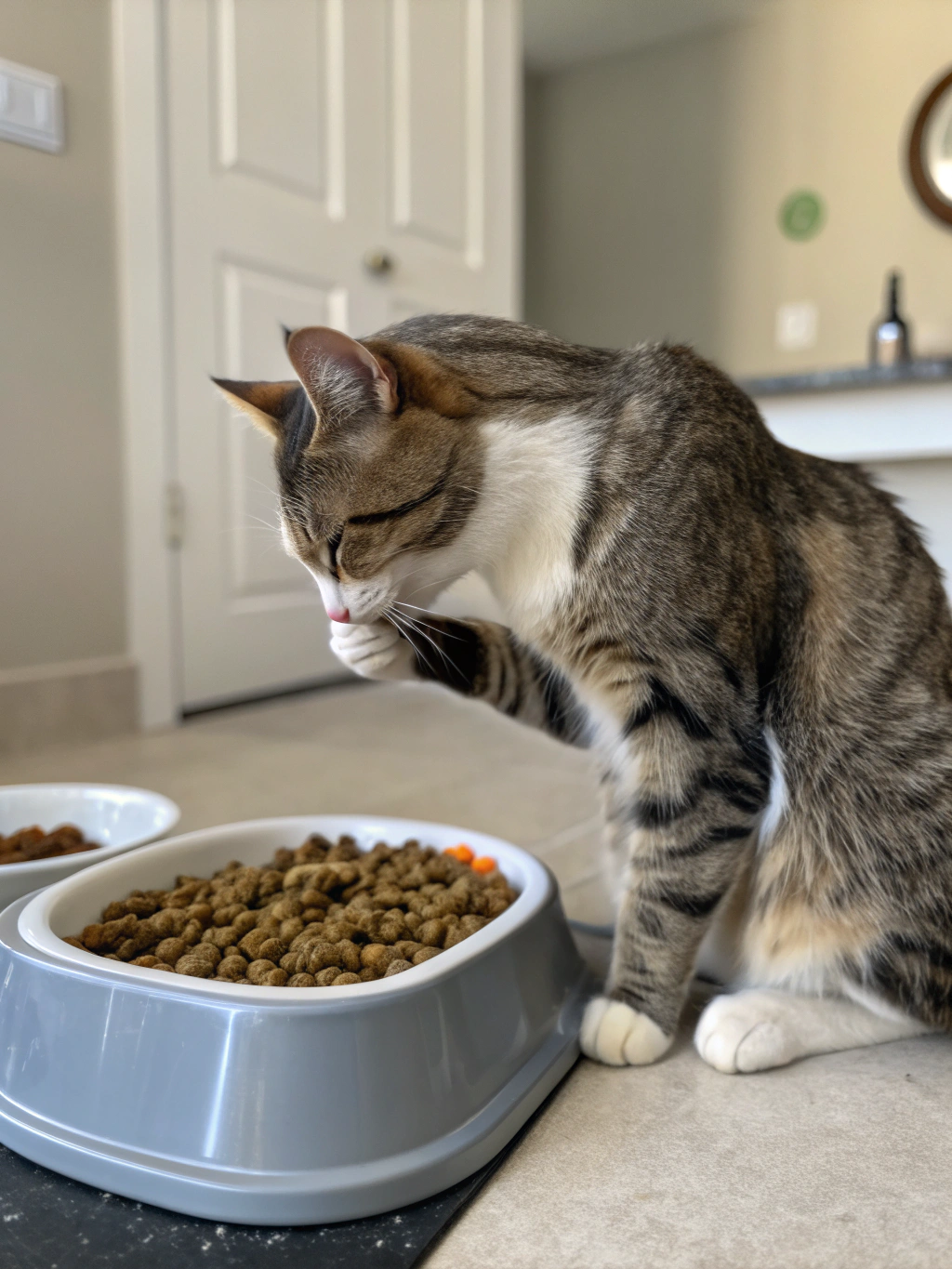
Cat Over-Grooming Behavior: Causes & Solutions
Cat Over-Grooming Behavior: Causes & Solutions
Table of Contents
Cat Over-Grooming Behavior: Causes & Solutions
Introduction
Did you know that excessive grooming accounts for nearly 10-15% of all feline behavioral consultations with veterinarians? While cats are naturally fastidious creatures, spending up to 50% of their waking hours grooming, there’s a fine line between normal hygiene and compulsive behavior. Cat over-grooming behavior can lead to bald patches, skin infections, and significant distress for both cats and their owners. Understanding the root causes—from medical conditions to psychological stressors—is essential for preventing long-term skin problems and restoring your feline friend’s wellbeing. This comprehensive guide will help you identify causes of cat over-grooming and ways to prevent skin problems, offering practical solutions that address both physical and emotional triggers.
Cat Supplies & Essentials
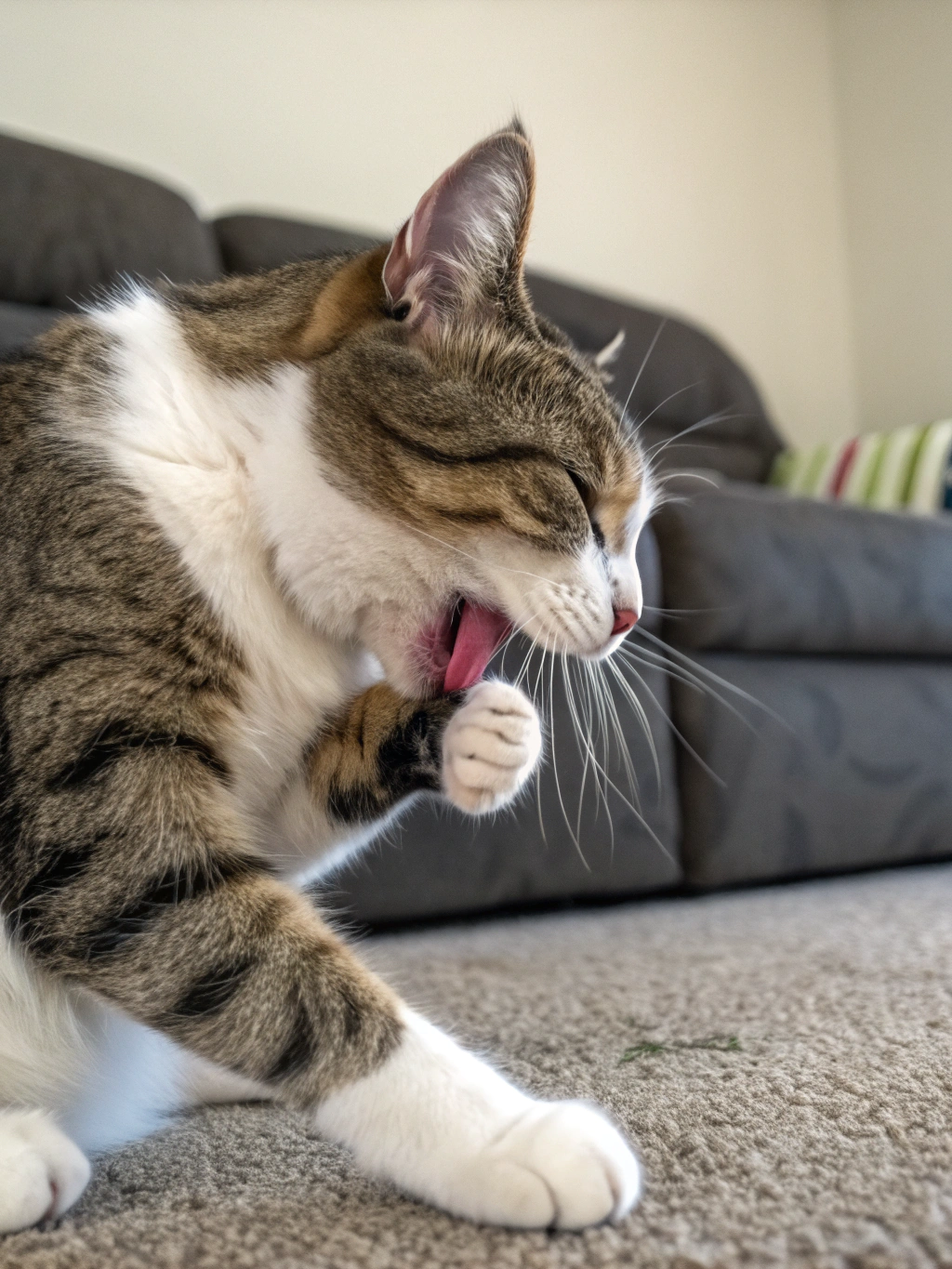
Managing Cat over-grooming behavior often requires specific supplies to address underlying causes and provide enrichment:
Grooming Tools: Invest in soft-bristle brushes and grooming gloves to help distribute natural oils and reduce the urge for excessive self-grooming. Quality grooming tools can satisfy your cat’s grooming instinct in a controlled manner.
Interactive Toys: Puzzle feeders, feather wands, and treat-dispensing toys provide mental stimulation that redirects nervous energy away from compulsive licking behaviors.
Calming Aids: Consider pheromone diffusers like Feliway, calming collars, or anxiety-reducing supplements recommended by your veterinarian to create a stress-free environment.
Scratching Posts: Multiple scratching surfaces placed strategically throughout your home help cats express natural behaviors and reduce anxiety-driven grooming.
Comfortable Bedding: Orthopedic cat beds and heated pads offer cozy retreats where cats feel secure, potentially reducing stress-related grooming.
Elizabethan Collar (E-collar): While not ideal for long-term use, protective collars prevent access to affected areas during healing periods.
Quality Cat Food: Premium nutrition with omega-3 fatty acids supports skin health and may reduce irritation-triggered grooming.
Water Fountain: Fresh, flowing water encourages hydration, promoting healthier skin and potentially reducing grooming frequency.
Timeline / Progress Expectations
Understanding the recovery timeline for Cat fur licking problems helps set realistic expectations:
Week 1-2: After veterinary consultation and treatment initiation, you may notice minimal behavioral changes. This period focuses on ruling out medical causes like allergies, parasites, or skin infections through diagnostic testing.
Week 3-4: If medical treatments are effective (antiparasitics, antibiotics, or allergy medications), you should observe reduced grooming intensity. Behavioral modifications and environmental enrichment begin showing early results.
Week 5-8: Most cats demonstrate significant improvement in grooming frequency. Hair regrowth begins in previously affected areas, though full coat restoration takes longer.
Month 3-6: Behavioral causes typically require sustained intervention. Expect gradual progress with environmental modifications, increased playtime (minimum 20-30 minutes daily), and stress reduction strategies.
Long-term Maintenance: Some cats with chronic anxiety or compulsive disorders may require ongoing management, including regular enrichment updates and consistent routines to prevent relapse.
Daily routines should include two 15-minute interactive play sessions, environmental scanning for stressors, and monitoring grooming duration to catch early warning signs.
Step-by-Step Instructions
Step 1: Schedule a Comprehensive Veterinary Examination
Begin by ruling out medical causes. Your veterinarian will perform skin scrapings, fungal cultures, allergy testing, and bloodwork to identify parasites, infections, hyperthyroidism, or dermatological conditions. Approximately 60% of over-grooming cases have underlying medical components.
Step 2: Document Grooming Patterns
Keep a grooming diary noting when, where, and how long your cat grooms. Record potential triggers like household changes, new pets, or schedule disruptions. This data helps identify behavioral patterns and measure progress.
Step 3: Eliminate Environmental Stressors
Identify and minimize anxiety sources: provide vertical spaces for security, maintain consistent feeding schedules, create quiet retreats away from household traffic, and introduce changes gradually. Multi-cat households may require separate resources to reduce competition stress.
Step 4: Implement Environmental Enrichment
Combat boredom-related grooming by rotating toys weekly, installing window perches for outdoor viewing, hiding treats for foraging activities, and introducing cat-safe plants like cat grass. Enrichment should occupy at least 30 minutes daily.
Step 5: Establish Consistent Play Routines
Engage in structured play sessions using interactive toys that mimic prey behavior. Physical and mental exercise reduces anxiety and redirects compulsive behaviors. Aim for morning and evening sessions when cats are naturally most active.
Step 6: Consider Behavioral Modification Techniques
When your cat begins over-grooming, gently redirect attention with play or treats rather than punishment. Positive reinforcement strengthens alternative behaviors while maintaining your bond.
Step 7: Explore Dietary Adjustments
Consult your veterinarian about hypoallergenic diets if food allergies are suspected, or omega-3 supplementation to support skin health. Quality nutrition addresses both medical and behavioral aspects of over-grooming.
Step 8: Monitor and Adjust Treatment Plans
Regular follow-up appointments ensure treatment effectiveness. Be prepared to adjust strategies based on your cat’s response, as individual cats may require personalized approaches.
Health Benefits / Cat Advantages
Addressing Cat over-grooming behavior yields significant health improvements:
Skin Health: Preventing excessive licking allows skin to heal, reducing infection risks and maintaining the protective skin barrier. Healthy skin better regulates temperature and provides sensory feedback.
Coat Quality: Balanced grooming produces lustrous, well-distributed fur with proper insulation properties and natural waterproofing from sebaceous gland secretions.
Stress Reduction: Addressing anxiety causes improves overall wellbeing, strengthens immune function, and reduces cortisol levels linked to various health complications.
Digestive Health: Reduced fur ingestion minimizes hairball formation and potential gastrointestinal blockages, which can require emergency intervention.
Enhanced Quality of Life: Cats freed from compulsive behaviors exhibit increased playfulness, better social interactions, improved sleep quality, and stronger human-animal bonds.
Pain Relief: Many medical causes of over-grooming involve discomfort. Treatment alleviates underlying pain, improving mobility and activity levels.
Research shows that cats with resolved over-grooming issues demonstrate 40% higher activity levels and significantly improved human interaction scores.
Alternative Methods & Tips
For Small Living Spaces: Maximize vertical territory with wall-mounted shelves and tall cat trees. Rotate environmental layouts monthly to maintain novelty without requiring additional square footage.
Budget-Friendly Enrichment: Create DIY puzzle feeders from cardboard boxes, use crumpled paper balls for toys, and grow cat grass from inexpensive seeds. Interactive play requires only time investment.
Multi-Cat Households: Provide resources (litter boxes, food bowls, resting areas) following the “n+1” rule (number of cats plus one). This reduces competition-related stress significantly.
Senior Cats: Older cats may over-groom due to arthritis pain. Provide ramps to elevated areas, orthopedic bedding, and consider joint supplements after veterinary consultation.
Seasonal Considerations: Indoor humidity control prevents dry skin irritation, especially during winter heating seasons. Humidifiers maintain comfortable moisture levels.
Natural Calming Solutions: Catnip alternatives like valerian root or silvervine provide safe stress relief for cats unresponsive to traditional catnip.
Holistic Approaches: Some owners find success with acupuncture, massage therapy, or Tellington TTouch techniques under professional guidance, particularly for anxiety-based grooming.
Common Mistakes to Avoid
Ignoring Early Warning Signs: Dismissing subtle increases in grooming frequency allows problems to escalate. Early intervention prevents severe skin damage and entrenched behavioral patterns.
Punishment-Based Responses: Scolding or physically stopping grooming increases anxiety, worsening the behavior. Always use gentle redirection and positive reinforcement.
Inconsistent Treatment Applications: Sporadic medication administration or irregular enrichment undermines treatment effectiveness. Maintain consistent schedules for optimal results.
Overlooking Medical Causes: Assuming all over-grooming is behavioral delays necessary medical treatment. Always start with veterinary evaluation to rule out physical conditions.
Single-Solution Approach: Cat fur licking problems typically require multifaceted treatment combining medical, behavioral, and environmental interventions.
Inadequate Follow-Through: Stopping treatment when symptoms improve often leads to relapse. Continue maintenance strategies even after apparent recovery.
Environmental Neglect: Failing to address household stressors like loud noises, aggressive pets, or inadequate resources perpetuates anxiety-driven behaviors.
Improper E-Collar Use: Extended collar wear without addressing underlying causes creates frustration without solving problems. Use protectively while implementing comprehensive treatment.
Storage & Maintenance Tips
Grooming Tool Hygiene: Clean brushes weekly with mild soap and warm water, drying thoroughly to prevent bacterial growth. Replace worn tools that might irritate sensitive skin.
Food Storage: Keep cat food in airtight containers away from heat and humidity. Omega-3 supplements require refrigeration after opening to maintain potency.
Toy Rotation System: Store unused toys in sealed containers, rotating selections every 7-10 days to maintain novelty and engagement without constant purchasing.
Litter Box Maintenance: Scoop daily and perform complete litter changes weekly. Clean boxes monthly with enzymatic cleaners to eliminate odors that might stress sensitive cats.
Bedding Laundering: Wash cat bedding bi-weekly in hot water with fragrance-free detergent. Multiple bed sets allow rotation during cleaning cycles.
Pheromone Diffuser Management: Replace pheromone diffusers monthly for consistent effectiveness. Position in frequently occupied areas away from air vents.
Environmental Cleaning: Vacuum areas your cat frequents twice weekly to remove fur, allergens, and parasites. Use pet-safe cleaning products to avoid chemical sensitivities.
Seasonal Adjustments: Review and refresh environmental enrichment quarterly to prevent habituation and maintain interest in alternative activities.
Conclusion
Managing Cat over-grooming behavior requires patience, consistency, and comprehensive understanding of both medical and behavioral factors. By identifying causes of cat over-grooming and ways to prevent skin problems through veterinary partnerships, environmental modifications, and enrichment strategies, you can restore your cat’s comfort and confidence. Remember that each cat is unique—what works for one may require adaptation for another.
FAQs
Q: How can I tell the difference between normal grooming and over-grooming?
A: Normal grooming is evenly distributed across the body and doesn’t cause hair loss or skin damage. Over-grooming creates bald patches, red or irritated skin, and consumes excessive time (more than several hours daily). If you notice thinning fur, especially on the belly, inner thighs, or legs, consult your veterinarian. Cats that groom frantically, make unusual vocalizations while grooming, or frequently interrupt other activities to lick have likely crossed into problematic territory.
Q: Can food allergies really cause over-grooming in cats?
A: Yes, food allergies affect approximately 10-15% of cats with dermatological issues and commonly manifest as itching that triggers excessive grooming. Common allergens include beef, dairy, and fish proteins. Your veterinarian may recommend an elimination diet using hydrolyzed or novel protein sources for 8-12 weeks to identify triggers. Improvement during dietary trials strongly suggests food sensitivities, though complete diagnosis requires systematic reintroduction of ingredients.
Q: How long should I try behavioral modifications before considering medication?
A: Most veterinarians recommend 4-6 weeks of consistent environmental enrichment and stress reduction before introducing anti-anxiety medications. However, severe cases causing significant skin damage may warrant earlier pharmaceutical intervention alongside behavioral approaches. Medications like fluoxetine or gabapentin can provide relief while behavioral modifications take effect, but they work best as part of comprehensive treatment plans rather than standalone solutions.
Q: Will my cat’s fur grow back after over-grooming stops?
A: In most cases, yes. Hair regrowth typically begins 2-3 weeks after cessation of over-grooming, with complete restoration taking 3-6 months depending on coat type and damage severity. However, chronic cases with scarring or follicle damage may experience permanent changes. The new hair might initially appear different in texture or color but usually normalizes over time. Supporting regrowth with quality nutrition rich in omega fatty acids optimizes recovery.
Q: Can over-grooming be a sign of pain rather than anxiety?
A: Absolutely. Cats instinctively lick painful areas, making over-grooming a common sign of arthritis, dental disease, urinary tract infections, or gastrointestinal discomfort. Studies show that up to 30% of over-grooming cases stem from pain-related conditions. If your cat focuses grooming on specific body regions, especially joints or the lower abdomen, pain should be investigated. Veterinary examination including palpation, radiographs, or bloodwork can identify hidden pain sources requiring targeted treatment.