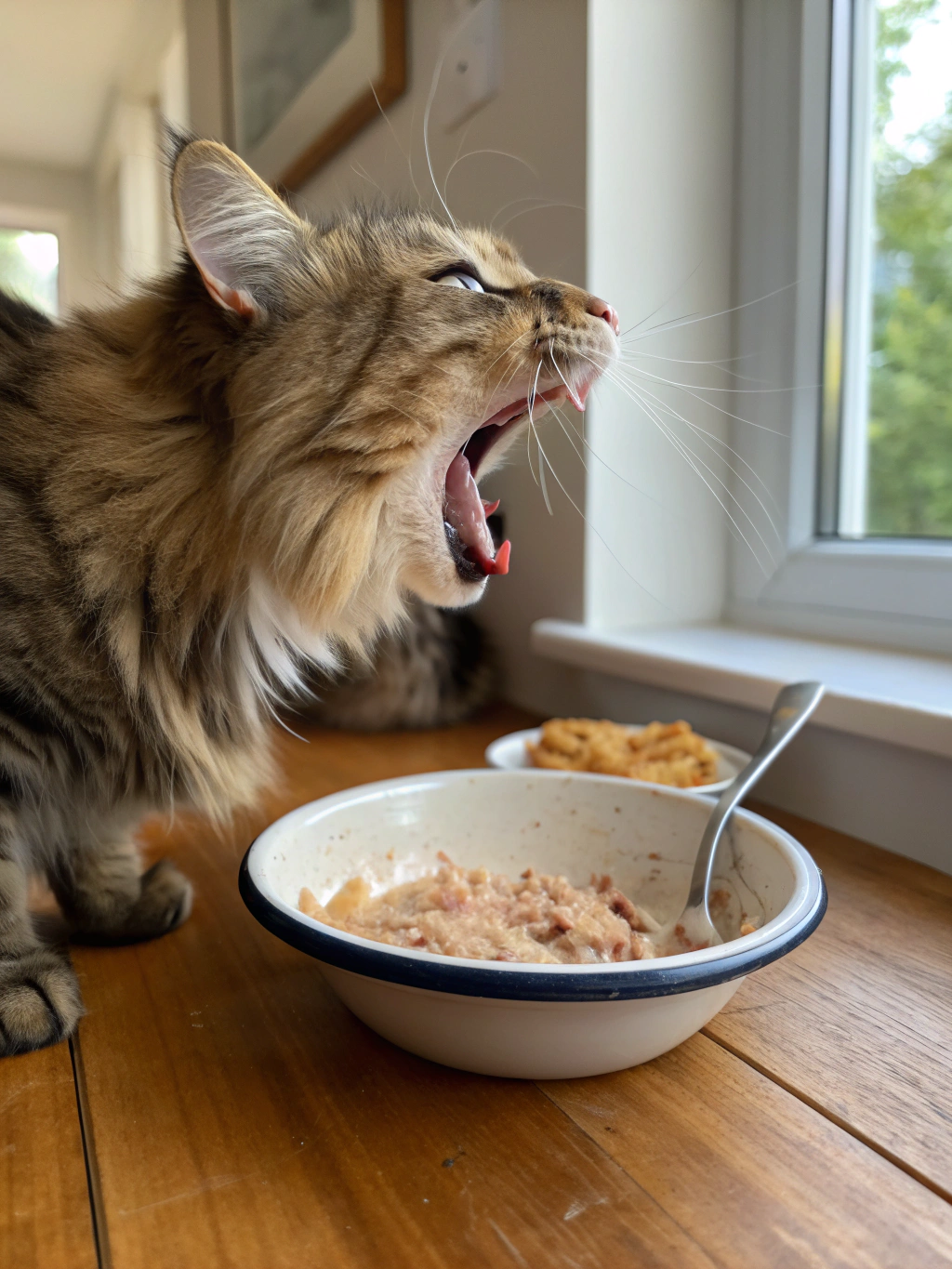
Cat Hiss Behavior Explained
Cat Hiss Behavior Explained
Table of Contents
Cat Hiss Behavior Explained
Introduction
Have you ever wondered why your sweet, purring companion suddenly transforms into a hissing ball of fury? Studies show that nearly 73% of cat owners experience hissing at least once during their pet’s lifetime, yet many misunderstand this crucial form of feline communication. Understanding Cat hiss behavior is essential for building trust and ensuring your cat feels safe in their environment. Hissing isn’t aggression—it’s a defensive warning signal that cats use to communicate fear, stress, or discomfort. By learning to interpret and respond appropriately to this behavior, you can strengthen your bond with your feline friend and create a more harmonious household. In this comprehensive guide, we’ll explore Why cats hiss, how to handle it effectively, and what supplies and strategies will help you manage this common behavior challenge.
Cat Supplies & Essentials
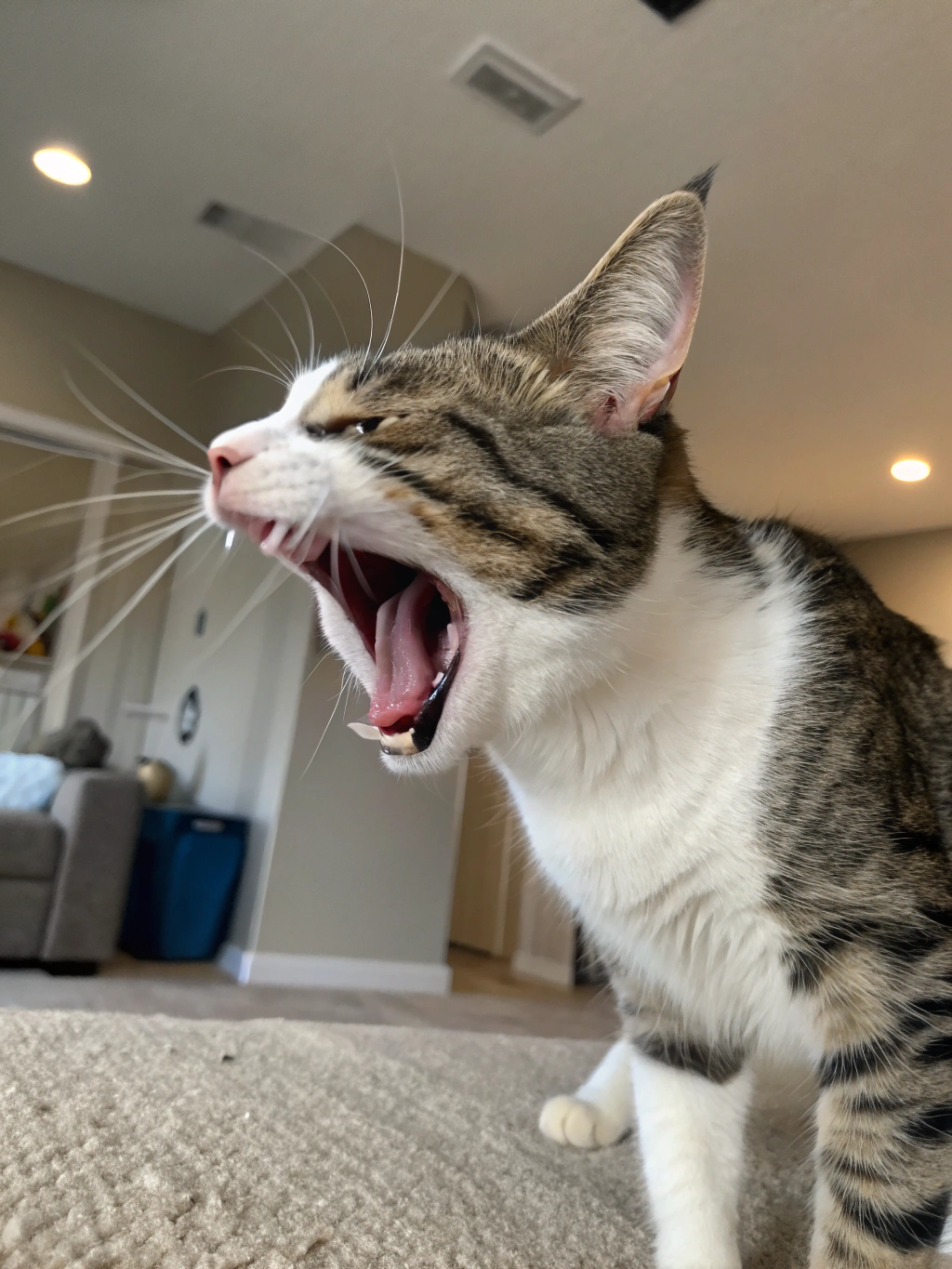
Managing cat hiss behavior requires the right tools and environment. Here are essential supplies every cat owner should have:
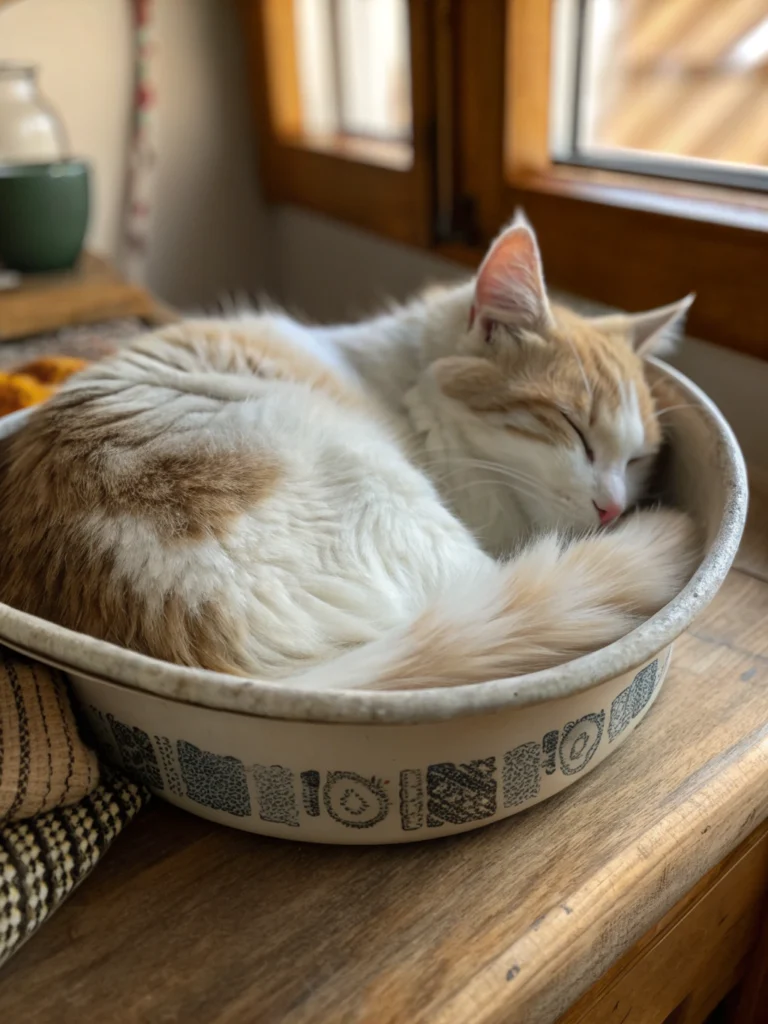
Hiding Spots and Safe Spaces: Provide cat trees, enclosed beds, or cardboard boxes where your cat can retreat when feeling threatened. These reduce stress-related hissing by 40% according to veterinary behavior studies.
Calming Pheromone Diffusers: Products like Feliway release synthetic calming pheromones that help reduce anxiety and defensive behaviors in multi-cat households or during transitions.
Interactive Toys: Wand toys, puzzle feeders, and treat-dispensing balls redirect nervous energy and build confidence, reducing fear-based reactions.
Quality Cat Food: Nutritionally balanced diets support overall health and mood stability. Choose high-protein, low-carbohydrate options designed for your cat’s life stage.
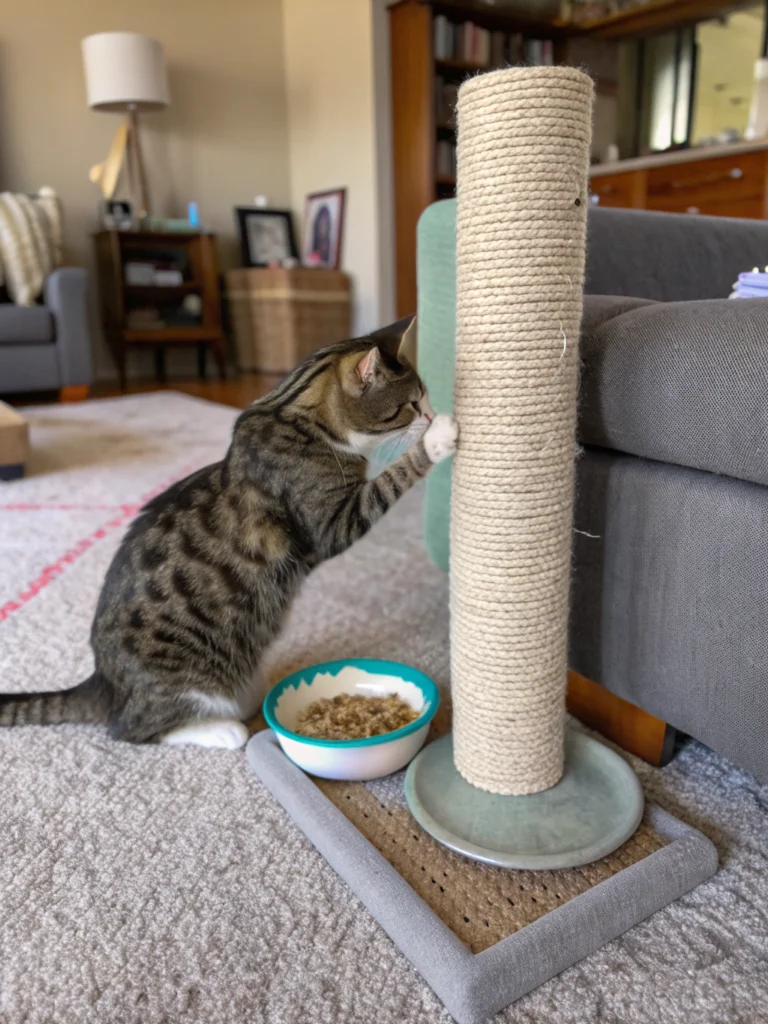
Scratching Posts: Multiple scratching surfaces allow cats to mark territory appropriately, reducing territorial stress that can trigger hissing.
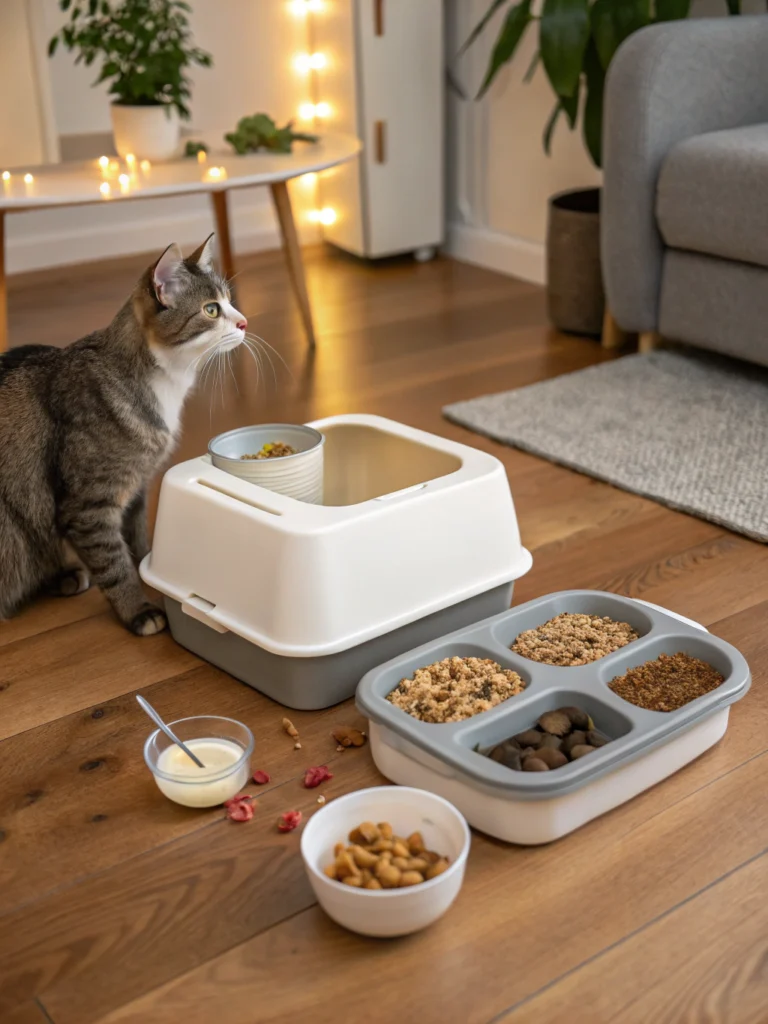
Separate Litter Boxes: The golden rule is one box per cat plus one extra. This prevents resource guarding and territorial disputes.
Comfortable Carriers: A well-ventilated, appropriately-sized carrier reduces stress during vet visits, a common trigger for hissing behavior.
Water Fountains: Fresh, flowing water encourages hydration, which supports overall health and stress reduction.
Timeline / Progress Expectations
Understanding the timeline for addressing cat hiss behavior helps set realistic expectations:
Days 1-3: Begin observing triggers and patterns. Document when, where, and toward whom your cat hisses. Most owners identify primary triggers within 72 hours.
Week 1-2: Implement environmental modifications and begin desensitization techniques. You may notice 20-30% reduction in hissing frequency as your cat begins feeling more secure.
Week 3-4: Continue consistent responses and positive reinforcement. Expect gradual improvement with occasional setbacks during stressful events.
Month 2-3: Most cats show significant behavioral improvement, with hissing reserved for genuine threats rather than minor stressors.
Ongoing Maintenance: Continue providing enrichment, maintaining routines, and respecting your cat’s boundaries. Seasonal changes, household visitors, or new pets may temporarily increase defensive behaviors.
Daily Routine: Spend 15-20 minutes in interactive play, maintain feeding schedules, and provide quiet observation time to monitor stress levels.
Weekly Assessment: Evaluate environmental stressors, clean and rotate toys, and ensure all resources (food, water, litter) are adequately maintained.
Step-by-Step Instructions
Step 1: Identify the Trigger
Carefully observe the circumstances surrounding hissing episodes. Common triggers include unfamiliar people, other pets, sudden movements, loud noises, or being cornered. Keep a behavior journal noting date, time, location, and context. This data reveals patterns that inform your response strategy.
Step 2: Never Punish Hissing
Hissing is communication, not misbehavior. Punishment increases fear and damages trust. Instead, acknowledge the warning and give your cat space. This teaches them that their communication is effective and reduces the need for escalation to scratching or biting.
Step 3: Create Safe Exit Routes
Ensure your cat can always retreat from uncomfortable situations. Arrange furniture to provide multiple escape paths. Cats who feel trapped are more likely to hiss defensively. Remove barriers that block access to safe spaces during stressful events.
Step 4: Gradual Desensitization
If your cat hisses at specific stimuli (visitors, other pets, grooming), introduce these triggers gradually at low intensity. Use positive reinforcement with treats and calm praise when your cat remains relaxed. Increase exposure duration slowly over several weeks.
Step 5: Provide Environmental Enrichment
Confident cats hiss less frequently. Offer vertical territory (cat trees), window perches, rotating toy selection, and daily interactive play sessions. Mental and physical stimulation reduces anxiety-driven defensive behaviors.
Step 6: Consider Professional Assessment
If hissing is accompanied by aggression, occurs without clear triggers, or doesn’t improve within 6-8 weeks, consult a veterinary behaviorist. Underlying medical issues or severe anxiety may require professional intervention.
Health Benefits / Cat Advantages
Properly addressing cat hiss behavior offers numerous health and behavioral advantages:
Reduced Stress Levels: Cats who feel understood and safe experience lower cortisol levels, improving immune function and reducing stress-related illnesses by up to 35%.
Improved Human-Animal Bond: Respecting feline communication strengthens trust, leading to more affectionate interactions and cooperative behavior during necessary care activities.
Better Social Integration: Cats who learn healthy coping mechanisms integrate more successfully in multi-pet households, reducing chronic stress and territorial conflicts.
Enhanced Mental Health: Appropriate environmental enrichment and respectful handling reduce anxiety disorders, depression, and compulsive behaviors in domestic cats.
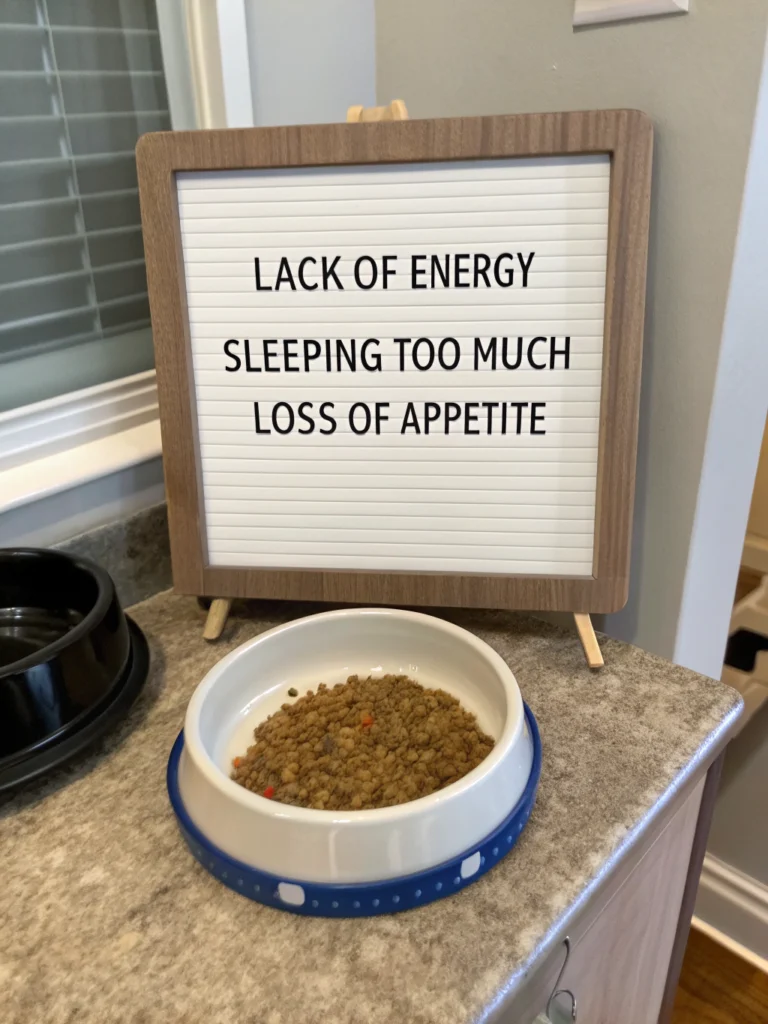
Physical Health Benefits: Lower stress correlates with better appetite regulation, improved digestive health, and reduced inflammation-related conditions.
Increased Longevity: Studies indicate that cats in low-stress environments with responsive caregivers live 2-3 years longer on average than those in high-stress conditions.
Alternative Methods & Tips
For Small Living Spaces: Maximize vertical territory with wall-mounted shelves and tall cat trees. Use room dividers to create separate zones for multiple cats, reducing territorial stress.
Multi-Cat Households: Introduce new cats gradually using scent swapping and visual barriers. Provide multiple resource stations to prevent competition-related hissing.
Indoor-Only Cats: Simulate outdoor stimulation with bird feeders outside windows, indoor grass gardens, and varied textures. This reduces frustration-based defensive behaviors.
Budget-Friendly Options: Create hiding spots from cardboard boxes, make DIY puzzle feeders from egg cartons, and use paper bags for enrichment instead of expensive toys.
Climate Considerations: In hot climates, ensure multiple cool resting spots. In cold weather, provide warm beds away from drafts where cats feel secure.
Senior Cats: Older cats may hiss due to pain or cognitive decline. Provide easier access to resources, softer bedding, and consult your veterinarian about pain management.
Common Mistakes to Avoid
Forcing Interactions: Never force a hissing cat to accept handling or approach feared stimuli. This escalates fear and can lead to aggressive responses.
Inconsistent Responses: Family members must respond uniformly to hissing. Mixed signals confuse cats and prolong behavioral issues.
Ignoring Medical Causes: Pain, illness, or sensory decline can trigger defensive hissing. Always rule out health problems with veterinary examination.
Inadequate Resources: Insufficient litter boxes, feeding stations, or resting spots create competition stress in multi-cat homes, increasing territorial hissing.
Overwhelming Changes: Introducing multiple stressors simultaneously (new pet, moving, renovations) can trigger persistent defensive behaviors. Implement changes gradually.
Misreading Body Language: Hissing is a late-stage warning. Learn earlier stress signals like flattened ears, dilated pupils, and tail twitching to intervene before escalation.
Using Spray Bottles: This outdated punishment method increases fear without addressing underlying causes, potentially worsening behavior problems.
Storage & Maintenance Tips
Food Storage: Keep dry food in airtight containers in cool, dry locations. Store opened wet food in refrigerator for maximum 2-3 days. Proper storage prevents spoilage that can cause digestive upset and behavioral changes.
Litter Box Maintenance: Scoop daily and complete replacement weekly for clumping litter. Deep clean boxes monthly with mild soap. Dirty boxes are stress triggers that can increase defensive behaviors.
Toy Rotation: Clean toys weekly with pet-safe disinfectant. Rotate selection every 3-4 days to maintain novelty and interest. Store unused toys in sealed containers to preserve scent interest.
Carrier Conditioning: Keep carriers accessible with comfortable bedding year-round. Periodically place treats inside so carriers become positive spaces rather than stressful travel indicators.
Pheromone Diffusers: Replace refills monthly and diffusers annually for maximum effectiveness. Position in areas where hissing frequently occurs.
Seasonal Deep Cleaning: Quarterly, wash all bedding, clean behind furniture, and assess environmental stressors. Fresh, clean environments reduce overall anxiety levels.
Conclusion
Understanding and appropriately responding to cat hiss behavior transforms this defensive communication into an opportunity for deeper connection with your feline companion. By recognizing triggers, providing adequate resources, respecting boundaries, and implementing gradual desensitization techniques, you can significantly reduce stress-related hissing while strengthening your bond. Remember that hissing is your cat’s way of saying “I need space” or “I’m uncomfortable”—honoring this communication builds trust and creates a more harmonious household. Start implementing these strategies today, observe the positive changes in your cat’s confidence and comfort level, and share your experiences with fellow cat owners. For more insights on feline communication and behavior management, explore our related guides on cat body language and stress reduction techniques.
FAQs
Q: Is hissing always a sign of aggression?
A: No, hissing is primarily a defensive behavior, not aggressive. Cats hiss when they feel threatened, scared, or uncomfortable as a warning to back off. It’s their way of avoiding physical confrontation. Understanding this distinction helps you respond appropriately with space and reassurance rather than punishment.
Q: Can kittens learn to hiss less as they mature?
A: Yes, well-socialized kittens exposed gradually to various people, pets, and experiences typically develop confidence and hiss less frequently as adults. Early positive experiences between 3-14 weeks are crucial for reducing fear-based defensive behaviors throughout life.
Q: Should I hiss back at my cat to communicate?
A: Absolutely not. Hissing back doesn’t translate as communication and may increase your cat’s stress or confusion. Instead, calmly give your cat space, remove the stressor if possible, and use positive reinforcement when they’re calm to build better associations.
Q: How long does it take to stop a cat from hissing at a new pet?
A: Integration timelines vary widely, typically ranging from 2-8 weeks depending on individual temperaments, previous experiences, and introduction techniques. Gradual, scent-based introductions with positive reinforcement significantly improve success rates and reduce the duration of defensive behaviors.
Q: Could sudden hissing indicate a health problem?
A: Yes, sudden behavioral changes including new or increased hissing can signal pain, illness, or sensory decline. If your previously calm cat begins hissing without clear environmental triggers, schedule a veterinary examination to rule out medical causes before addressing behavioral factors.