Cat Grooming Routine: How to Keep Your Cat Clean & Comfortable
Cat Grooming Routine: How to Keep Your Cat Clean & Comfortable
Table of Contents
Isn’t it fascinating how cats can spend up to 50% of their waking hours grooming themselves? Despite this dedication to cleanliness, our feline friends still benefit tremendously from our help in maintaining their coat and overall hygiene. Establishing a proper cat grooming routine not only keeps your pet looking beautiful but also strengthens your bond while allowing you to monitor their health. Many cat owners underestimate the importance of regular grooming until they notice matting, excessive shedding, or skin problems that could have been prevented.
Cat Supplies & Essentials
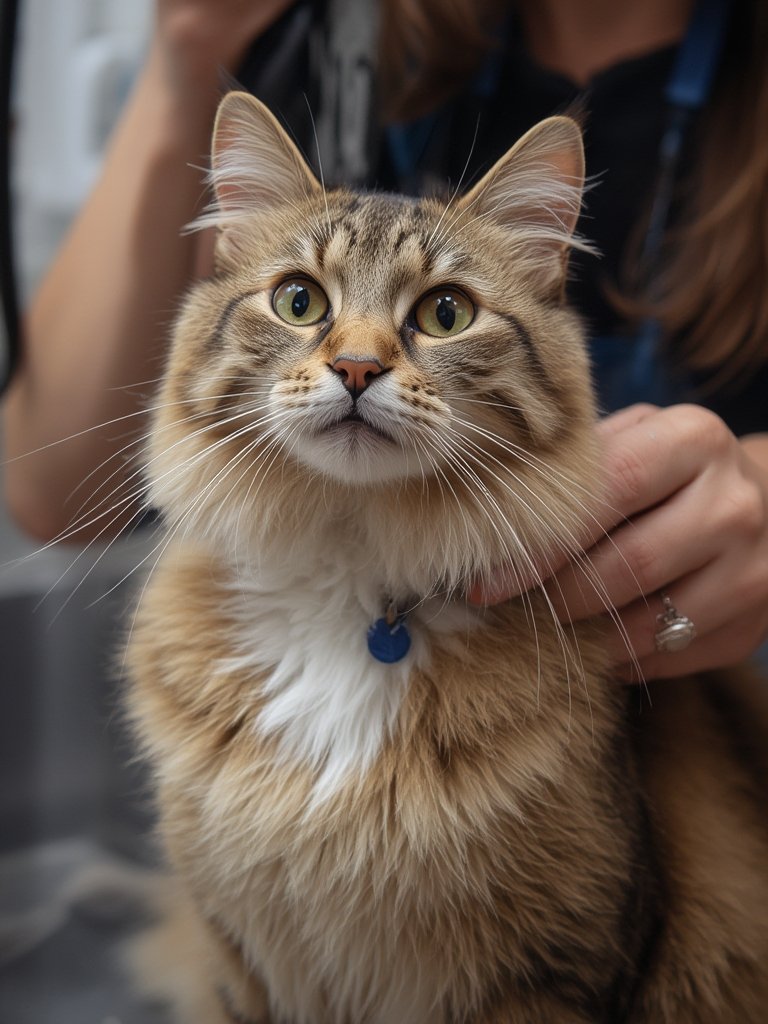
Litter box – Essential for indoor cats; choose one 1.5 times larger than your cat with low sides for kittens or elderly cats.
Cat food – Essential; high-quality food appropriate for your cat’s age and health needs provides the nutrients necessary for healthy skin and coat.
Toys – Essential for mental stimulation and exercise; interactive toys help maintain healthy weight and reduce boredom.
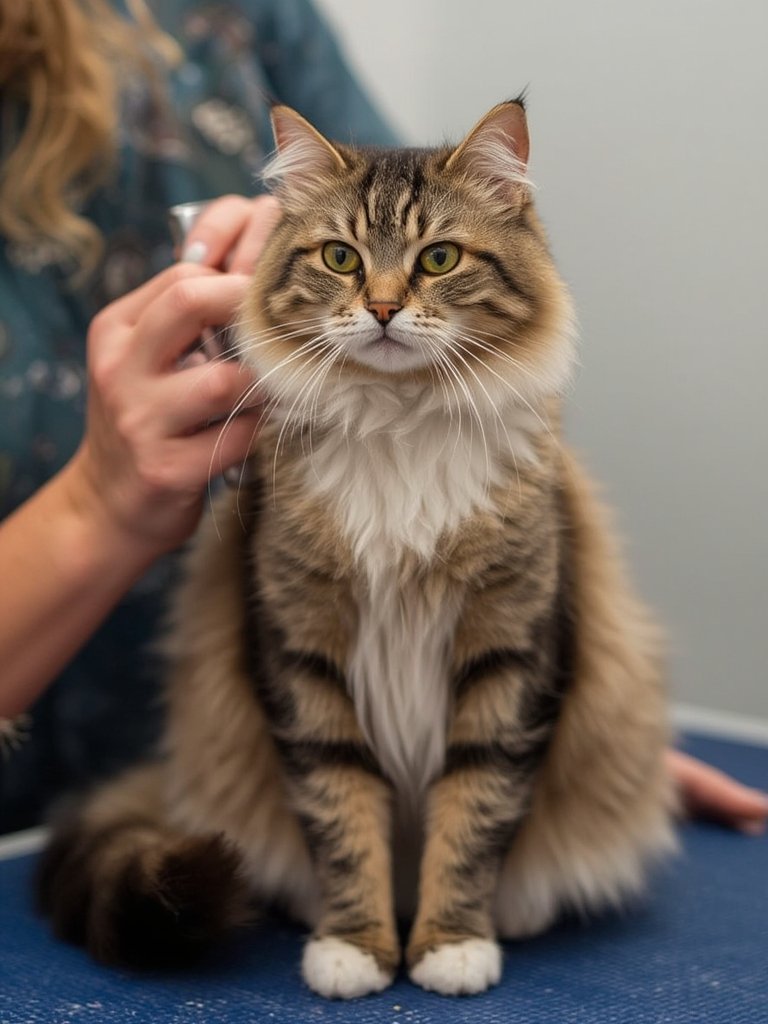
Grooming tools – Essential; invest in a slicker brush for long-haired cats or a bristle brush for short-haired cats, along with cat-specific nail clippers and specialized cat shampoo for occasional baths.
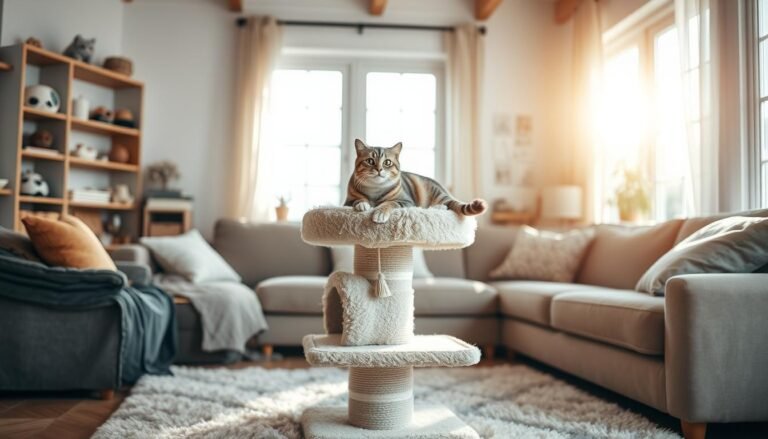
Scratching post – Essential for maintaining nail health and satisfying natural scratching instincts.
Treats – Optional but useful for positive reinforcement during grooming sessions.
Bed – Essential for providing a comfortable resting place.
Brush – Essential; choose appropriate types based on your cat’s coat length and texture. cat brushing tips suggest starting with gentle brushes for kittens and sensitive cats.
Water fountain – Optional but beneficial; encourages better hydration which improves skin and coat health.
Carrier – Essential for safe transportation to vet visits for professional grooming when needed.
Timeline / Progress Expectations
The foundation of a successful grooming routine starts with patience and consistency. Kittens typically need 2-3 weeks to become comfortable with grooming tools. Adult cats who’ve never been groomed may require 1-2 months of short, positive sessions before accepting the full routine.
For brushing, aim for:
- Short-haired cats: 1-2 times weekly
- Medium-haired cats: 2-3 times weekly
- Long-haired cats: Daily brushing
Nail trimming should occur every 2-3 weeks, while ear cleaning is generally needed monthly unless your veterinarian suggests otherwise.
Step-by-Step Instructions

Create a calm environment – Choose a quiet time and space without distractions. Consider using calming pheromone sprays for anxious cats.
Tip: Start grooming when your cat is naturally relaxed, such as after a meal.Introduce grooming tools gradually – Let your cat sniff and investigate brushes before using them. Reward with treats for positive associations.
Tip: Warm metal tools in your hands before touching your cat with them.Begin brushing gently – Start with short 2-minute sessions, gradually increasing duration as your cat becomes comfortable.
Tip: Brush in the direction of hair growth to prevent discomfort.Check for issues while grooming – Examine for parasites, skin problems, or unusual bumps during your sessions.
Tip: Pay special attention to areas cats have trouble reaching, like the lower back.End on a positive note – Always finish before your cat becomes irritated, offering praise and rewards.
Tip: Use high-value treats specifically reserved for grooming time.
Health Benefits / Cat Advantages
Regular grooming offers numerous benefits beyond aesthetics:
- Reduces hairballs by removing loose fur before cats ingest it
- Decreases shedding around your home by up to 90%
- Stimulates blood circulation, promoting healthier skin and coat
- Provides early detection of skin issues, lumps, or parasites
- Strengthens the human-feline bond through positive physical contact
- Reduces stress in social cats who enjoy attention and touch
Tips, Alternative Methods
Solutions for small homes:
Create a dedicated grooming station on a bathroom counter or foldable table that can be stored when not in use.
Methods for indoor/outdoor cat care:
Outdoor cats may need more frequent tick checks and stronger flea prevention incorporated into their grooming routine.
Alternative brushing methods:
Grooming gloves work well for cats who fear traditional brushes but enjoy being petted.
Low-cost enrichment:
Use cardboard boxes with holes cut out as interactive toys during grooming breaks.
Common Mistakes to Avoid
- Using human shampoo on cats, which disrupts their skin’s pH balance
- Forcing lengthy grooming sessions when your cat shows signs of stress
- Ignoring matted fur, which can become painful and cause skin infections
- Cutting mats with scissors, risking accidental skin cuts
- Skipping nail care, leading to overgrown nails that can grow into paw pads
- Neglecting dental hygiene, a crucial component of complete cat care
Storage / Maintenance Tips
- Clean grooming tools weekly with mild soap and warm water
- Disinfect nail clippers monthly with alcohol wipes
- Store brushes with bristles facing up to maintain their shape
- Keep grooming supplies in a dedicated container away from moisture
- Wash fabric items like grooming towels regularly to prevent odor buildup
- Replace brushes annually or when bristles become bent or damaged
Conclusion
Establishing a consistent cat grooming routine benefits both you and your feline companion. Beyond the visible improvements to your cat’s coat, you’re creating moments of connection while monitoring their health. Remember that patience and positive reinforcement are key—never force grooming on a stressed cat. What grooming challenges have you faced with your cat? Share your experiences in the comments below and check out our related articles on cat dental care and seasonal shedding management.
FAQs
How often should I brush my long-haired cat?
Daily brushing is ideal for long-haired cats to prevent mats and excessive hairballs.
My cat hates being groomed. What can I do?
Start with extremely short, positive sessions using high-value treats, gradually building duration as tolerance improves.
Do indoor cats need regular grooming?
Yes! Indoor cats still shed and benefit from the health monitoring aspects of regular grooming.
When should I consider professional grooming?
Consider professional help for severe matting, cats with mobility issues, or extremely grooming-resistant cats.
How can I tell if my cat’s skin is healthy during grooming?
Healthy cat skin should be clean, free of flakes, without redness, bumps, or excessive oiliness.