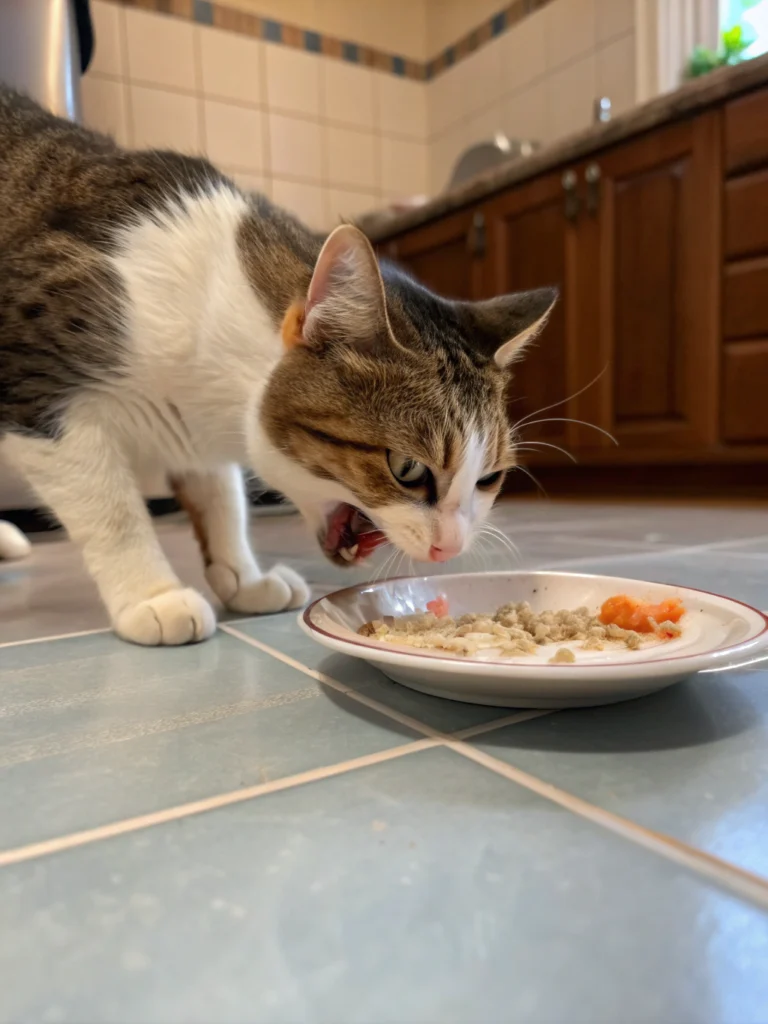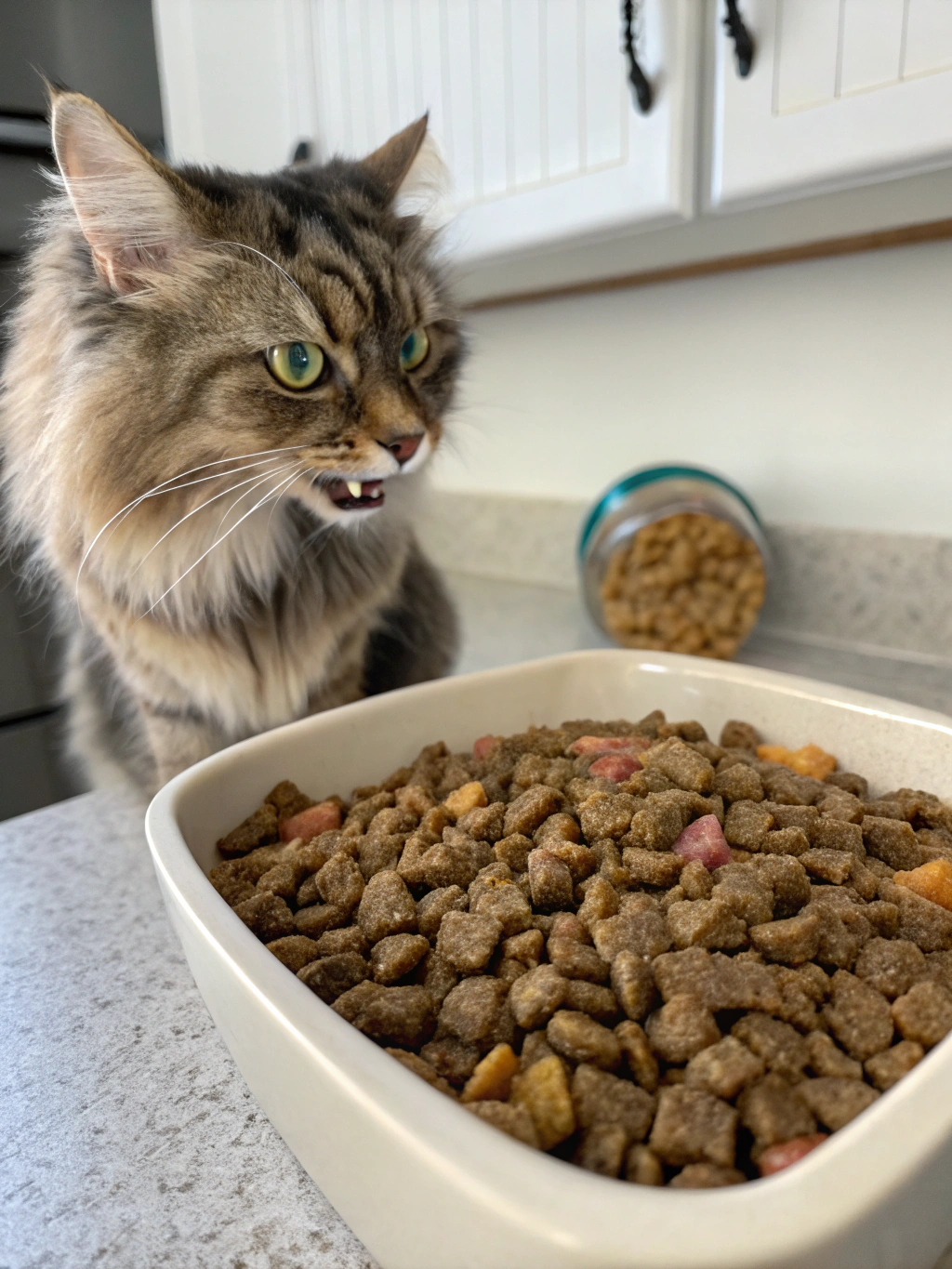
Cat Food Aggression: What to Know
Cat Food Aggression: What to Know
Table of Contents
Cat Food Aggression: What to Know
Introduction
Did you know that nearly 30% of multi-cat households report some form of feeding-related tension or conflict? Cat food aggression is more common than many pet owners realize, and understanding this behavior is crucial for maintaining a peaceful, stress-free home. Whether you’re noticing hissing during mealtime, resource guarding, or outright fights over food bowls, these behaviors stem from instinctive survival mechanisms that can be managed with the right approach. This comprehensive guide will walk you through proven strategies to address food aggression while keeping all your feline companions happy and well-fed.
Cat Supplies & Essentials
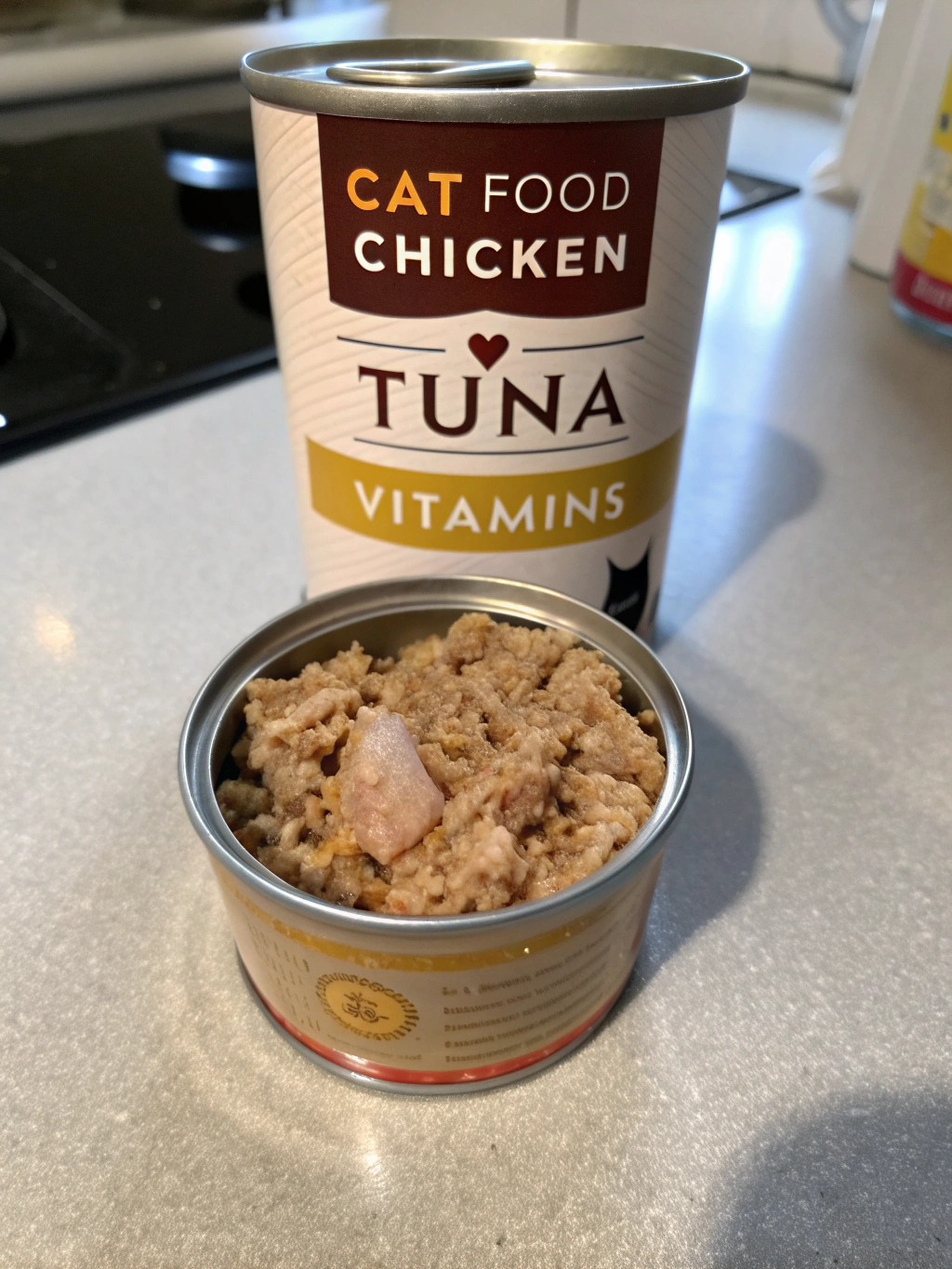
Managing food aggression requires having the right supplies on hand to create a calm feeding environment:
Multiple Food Bowls: Invest in separate, identical food bowls for each cat to reduce competition. Stainless steel or ceramic options are easiest to clean and most hygienic.
Feeding Stations: Designated feeding areas help establish boundaries. Consider using placemats to define each cat’s space visually.
Puzzle Feeders: These slow down eating and provide mental stimulation, reducing anxiety around food. They’re especially helpful for cats who eat too quickly due to competitive stress.
Automatic Feeders: Programmable feeders can help establish consistent meal times and remove you from the feeding dynamic, reducing tension.
Room Dividers or Gates: Physical barriers allow cats to eat separately while still being able to see and smell each other, gradually building positive associations.
High-Value Treats: Keep special treats on hand for positive reinforcement training sessions.
Calming Aids: Consider pheromone diffusers or calming collars to reduce overall household stress during the transition period.
Water Fountains: Multiple water sources prevent guarding behavior around drinking areas and encourage proper hydration.
Timeline / Progress Expectations
Understanding the timeline for addressing Food guarding in cats helps set realistic expectations:
Week 1-2: Initial observation and baseline establishment. Document when aggression occurs, which cats are involved, and triggering factors. Begin separating cats during meals.
Week 3-4: Most cats show reduced stress when fed separately. You’ll notice less vocalizing, body tension, and aggressive posturing during feeding times.
Week 5-8: Gradual reintroduction can begin if desired. Cats may tolerate eating in the same room with proper spacing (typically 6-10 feet apart initially).
Week 9-12: Significant behavioral improvements should be evident. Approximately 70% of cats respond positively to consistent management strategies within this timeframe.
3-6 Months: Long-term habit formation. Cats develop new, peaceful feeding routines that become their new normal.
Daily Routine: Feed at consistent times (usually twice daily). Maintain feeding locations and rituals to build security and predictability.
Seasonal Considerations: Cats may show increased food interest during colder months, so monitor for seasonal aggression flare-ups.
Step-by-Step Instructions for Managing Food Aggression
Step 1: Identify the Aggressor and Triggers
Observe your cats during feeding time from a distance. Note which cat displays aggressive behaviors like hissing, swatting, blocking access to food, or eating excessively fast. Document whether aggression occurs before, during, or after meals. Understanding the pattern is essential for targeted intervention.
Step 2: Separate Feeding Areas
Create dedicated feeding stations in different rooms or areas of your home. This immediately reduces competition and allows each cat to eat at their own pace without fear. Some owners successfully feed cats on different levels (floor vs. counter) or behind closed doors initially.
Step 3: Establish Consistent Feeding Schedules
Feed at the same times daily, using a timer if helpful. Predictability reduces anxiety around food availability. Avoid free-feeding if aggression is present, as it maintains continuous competition over resources.
Step 4: Use Positive Reinforcement
Reward calm behavior around food with treats, praise, or play. If a cat remains relaxed while another cat eats nearby, immediately reinforce this behavior. Gradually reduce distance between feeding stations over weeks, always rewarding non-aggressive responses.
Step 5: Increase Overall Resources
Ensure you have enough resources for all cats: multiple litter boxes (one per cat plus one extra), various resting spots, toys, and attention from you. Resource abundance reduces overall territorial stress that can manifest as food aggression.
Step 6: Monitor and Adjust Portion Sizes
Ensure each cat receives appropriate portions for their age, size, and activity level. Overeating or food-seeking behavior may indicate inadequate nutrition. Consult your veterinarian about optimal feeding amounts and diet quality.
Health Benefits / Cat Advantages
Addressing food aggression provides numerous health and behavioral benefits:
Reduced Stress Levels: Cats eating in peaceful environments show lower cortisol levels, which supports immune function and overall health.
Improved Digestion: Stress-free eating reduces vomiting, improves nutrient absorption, and decreases digestive upset. Studies show that cats experiencing mealtime stress are 40% more likely to experience gastrointestinal issues.
Better Weight Management: When cats can eat at their own pace without competition, they’re less likely to overeat or food guard, leading to healthier body conditions.
Enhanced Mental Wellbeing: Eliminating mealtime conflicts reduces household tension, leading to more relaxed, confident cats throughout the day.
Stronger Human-Animal Bond: Successfully managing food aggression often improves your relationship with your cats as they associate you with positive, stress-free experiences.
Decreased Injury Risk: Preventing food-related fights eliminates the risk of bite wounds, scratches, and subsequent infections.
Alternative Methods & Tips
For Small Spaces: If you can’t separate cats into different rooms, use tall cat trees or shelving to create vertical feeding stations. Some cats prefer eating elevated, which naturally separates them from floor-level diners.
Outdoor Cat Considerations: If managing indoor/outdoor cats, feed outdoor cats outside and indoor cats inside to create natural separation.
Age-Appropriate Approaches: Kittens may benefit from group feeding to build social skills, while senior cats often prefer quiet, isolated feeding areas away from younger, more energetic cats.
Budget-Friendly Solutions: Instead of expensive automatic feeders, use simple cardboard boxes placed in different rooms as feeding stations. The key is separation, not expensive equipment.
Climate Adaptations: In warmer weather, cats may eat less, reducing competition. In winter, increased appetite may temporarily intensify food aggression—adjust feeding amounts accordingly.
Personality-Based Strategies: Bold, dominant cats may need feeding first to satisfy their need for priority access, while timid cats benefit from quiet, secluded feeding locations.
Common Mistakes to Avoid
Punishing Food Aggression: Never punish a cat for food-related aggression. This increases anxiety and often worsens the behavior. Instead, manage the environment to prevent situations where aggression occurs.
Inconsistent Feeding Times: Irregular schedules increase food anxiety. Cats thrive on routine—stick to consistent meal times even on weekends.
Insufficient Resources: Having just one feeding station or food bowl for multiple cats guarantees conflict. Always provide ample resources.
Rushing Reintroduction: Moving feeding stations closer together too quickly can undo weeks of progress. Patience is essential—let your cats’ behavior guide the pace.
Ignoring Underlying Medical Issues: Sometimes increased food aggression signals pain, hyperthyroidism, or other medical conditions. Rule out health problems with veterinary examination.
Free-Feeding Only: While free-feeding works for some households, it can maintain food-guarding behavior in aggressive cats. Scheduled meals often work better for management.
Favoring One Cat: Inadvertently giving preferential treatment to one cat can increase resource competition. Treat all cats equally during feeding time.
Storage & Maintenance Tips
Food Storage: Keep dry cat food in airtight containers in cool, dry locations to maintain freshness and prevent contamination. This ensures consistent food quality, which can reduce food anxiety.
Feeding Station Hygiene: Wash food bowls daily with hot, soapy water. Residual odors can trigger territorial marking and increase tension.
Weekly Cleaning Schedule: Dedicate time weekly to deep-clean feeding areas, including placemats, surrounding floors, and nearby walls where food may splatter.
Replace Worn Bowls: Cracked or scratched bowls harbor bacteria and may absorb odors that stress sensitive cats. Replace feeding equipment every 6-12 months.
Rotation of Feeding Locations: Occasionally rotating feeding stations (if aggression has resolved) prevents one cat from becoming territorially attached to a specific location.
Monitor Food Freshness: Check expiration dates regularly and store opened wet food properly. Stale or spoiled food increases competition as cats may try to access fresher portions.
Seasonal Adjustments: During warmer months, monitor wet food carefully as it spoils faster. Consider smaller, more frequent meals in hot weather.
Conclusion
Managing cat food aggression requires patience, consistency, and a commitment to creating a stress-free feeding environment for all your feline companions. By understanding the root causes of this behavior, implementing separate feeding stations, maintaining consistent schedules, and avoiding common pitfalls, you can transform mealtime from a source of tension into a peaceful routine. Remember that every cat is unique—what works for one household may need adjustment for another. Start implementing these strategies today, and you’ll likely see improvements within just a few weeks. Share your experiences in the comments, and explore our other cat behavior guides to continue building the harmonious home your cats deserve.
FAQs
Q: Is food aggression in cats a sign of dominance?
A: Not necessarily. While some cats do establish feeding hierarchies, food aggression more often stems from anxiety, past experiences of food scarcity, or insufficient resources. Rather than viewing it as a dominance issue, treat it as a resource management challenge that can be resolved through environmental modifications.
Q: Can I train my cats to eat together peacefully?
A: In many cases, yes, but it requires gradual desensitization. Start with cats eating in separate rooms, then gradually move feeding stations closer over weeks or months while rewarding calm behavior. However, some cats will always prefer eating alone, and that’s perfectly acceptable—don’t force proximity if it causes stress.
Q: Should I feed my aggressive cat first or last?
A: There’s no universal answer. Some behaviorists recommend feeding the more assertive cat first to satisfy their need for priority access, reducing their need to guard resources. Others find that feeding the less assertive cat first in a quiet location, then the aggressive cat, works better. Experiment to see what reduces tension in your specific household.
Q: How can I tell if food aggression is getting worse?
A: Warning signs include increased frequency of aggressive incidents, escalation from hissing to physical fighting, one cat preventing others from accessing food entirely, weight loss in submissive cats, or aggressive behavior spreading to non-feeding times. If you notice these signs, consult a veterinary behaviorist for professional guidance.
Q: Will getting a bigger food bowl solve the problem?
A: Unfortunately, no. Food aggression is about perceived resource scarcity and territorial behavior, not bowl size. Even with a large communal feeding station, cats experiencing food aggression need separate, individual feeding areas to feel secure. Focus on creating multiple feeding locations rather than enlarging a single shared space.