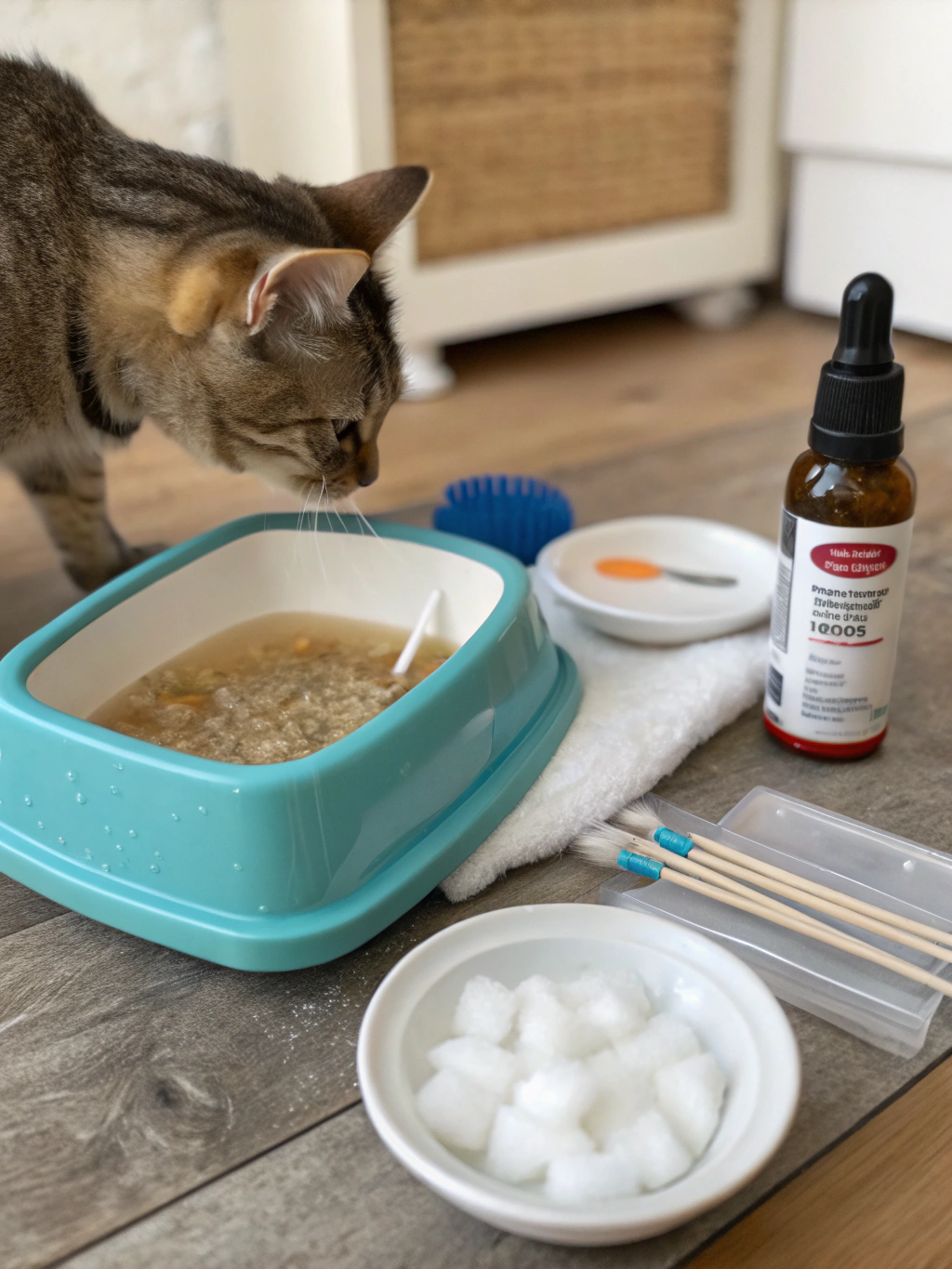
Cat Ear Infection Care and Signs
Cat Ear Infection Care and Signs
Table of Contents
Cat Ear Infection Care and Signs
Introduction
Did you know that nearly 20% of veterinary visits for cats are related to ear problems? Despite being fastidious groomers, cats are surprisingly susceptible to ear infections that can cause significant discomfort and lead to serious health complications if left untreated. Understanding cat ear infection care is essential for every responsible pet owner. Whether you’re noticing your cat scratching their ears more frequently or detecting an unusual odor, recognizing the early warning signs can make all the difference in your feline friend’s comfort and wellbeing.
Cat Supplies & Essentials

When managing cat ear problems, having the right supplies on hand is crucial for effective care and prevention:
Ear Cleaning Solution: Veterinary-approved ear cleaners specifically formulated for cats help remove debris and wax buildup without causing irritation. Look for solutions containing gentle ingredients that won’t sting sensitive tissues.
Cotton Balls or Gauze Pads: Essential for applying cleaning solutions and gently wiping away discharge. Never use cotton swabs deep in the ear canal, as they can push debris further in or damage the eardrum.
Magnifying Glass or Flashlight: These tools help you inspect your cat’s ears thoroughly, making it easier to spot redness, discharge, or parasites during regular checks.
Pet First Aid Kit: Should include antiseptic wipes, sterile gauze, and veterinary contact information for emergencies.
High-Quality Cat Food: Nutrition plays a vital role in immune health. Premium foods with omega-3 fatty acids support skin and ear health, reducing susceptibility to infections.
Regular Grooming Tools: Brushes and combs help remove loose fur that can trap moisture around the ears, creating an environment conducive to bacterial or yeast growth.
Cat Carrier: A comfortable, secure carrier makes transporting your cat to veterinary appointments less stressful for both of you.
Elizabethan Collar (E-Collar): Sometimes called a “cone,” this prevents cats from scratching infected ears and causing further damage during treatment.
Optional Items: Digital ear thermometer for monitoring fever, probiotic supplements to support immune function, and calming pheromone sprays to reduce stress during treatment.
Timeline / Progress Expectations
Understanding the typical progression of ear infection treatment helps set realistic expectations:
Days 1-3: After starting prescribed medication, you may notice reduced scratching and head shaking. Most cats begin showing signs of relief within 48-72 hours.
Week 1: Visible symptoms like redness and discharge typically decrease significantly. Continue the full course of treatment even if your cat appears better.
Weeks 2-3: Complete resolution of infection usually occurs within 2-3 weeks with consistent treatment. Follow-up veterinary examination ensures the infection has fully cleared.
Monthly Prevention: Establish a routine of checking your cat’s ears weekly. Cats prone to infections may benefit from monthly preventive cleaning as recommended by your veterinarian.
Seasonal Considerations: Ear infections may spike during humid summer months or allergy seasons. Indoor cats typically experience fewer environmental triggers than outdoor cats.
Long-term Management: For cats with chronic ear issues, expect 3-6 months of consistent care to identify triggers and establish effective prevention strategies.
Step-by-Step Instructions
Step 1: Recognize the Warning Signs
Learn to identify common symptoms of ear infections: excessive scratching at ears, head shaking, tilting head to one side, dark or yellowish discharge, foul odor from ears, redness or swelling of the ear canal, sensitivity when ears are touched, loss of balance, and behavioral changes like irritability.
Step 2: Conduct a Preliminary Examination
In a calm, well-lit area, gently fold back your cat’s ear flap. Look for abnormal discharge, redness, swelling, or visible parasites. Use a flashlight to examine the visible portion of the ear canal. Never probe deeply into the ear. Note any unusual odors, as yeast infections produce a distinctive sweet smell while bacterial infections often smell foul.
Step 3: Consult Your Veterinarian
Schedule an appointment promptly if you notice any concerning signs. Your vet will perform an otoscopic examination to view the ear canal and eardrum, take samples of ear discharge for microscopic analysis, and may conduct allergy testing if infections are recurrent. Accurate diagnosis is essential, as different infections require specific treatments.
Step 4: Administer Prescribed Medication
Follow your veterinarian’s instructions precisely. Most treatments involve cleaning the ear before applying medication. Hold your cat securely but gently, apply the prescribed number of drops into the ear canal, massage the base of the ear for 20-30 seconds to distribute medication, and allow your cat to shake their head to remove excess solution. Reward with treats to create positive associations.
Step 5: Monitor Progress and Prevent Recurrence
Keep a daily log of symptoms and improvements. Maintain regular ear checks even after treatment ends. Address underlying issues like allergies or ear mites. Keep ears dry after baths or swimming. Consider dietary modifications if food allergies are suspected.
Health Benefits / Cat Advantages
Proper ear infection care offers numerous benefits beyond treating the immediate problem:
Pain Relief: Eliminating infection removes significant discomfort, improving your cat’s quality of life and restoring their playful demeanor.
Hearing Preservation: Untreated chronic infections can lead to permanent hearing loss. Early intervention protects this vital sense.
Prevention of Serious Complications: Severe infections can spread to the inner ear, causing vestibular disease with symptoms like loss of balance and coordination. Treatment prevents these serious outcomes.
Behavioral Improvements: Cats suffering from ear pain often become withdrawn or aggressive. Resolving the infection typically restores normal, affectionate behavior.
Immune System Support: Addressing infections reduces stress on your cat’s immune system, allowing it to function optimally against other health challenges.
Enhanced Bonding: Regular ear care routines strengthen the trust and connection between you and your cat, making future health care easier.
Cost Savings: Preventive care and early treatment are significantly less expensive than managing chronic or advanced infections requiring surgery or hospitalization.
Alternative Methods & Tips
For Small Living Spaces: Create a designated treatment area with non-slip surfaces. Use bathroom counters or table corners for stability during ear cleaning sessions.
Natural Support Options: After veterinary consultation, consider adding omega-3 supplements to support skin and ear health. Apple cider vinegar solutions (properly diluted) may help prevent mild issues, but never use on active infections.
For Anxious Cats: Try wrapping your cat in a towel (“burrito method”) to provide security during treatment. Use calming pheromone sprays 15 minutes before handling ears. Break treatment into shorter sessions if your cat becomes stressed.
Multi-Cat Households: Isolate cats with ear mites to prevent spread. Treat all cats if parasites are detected, even those without visible symptoms.
Budget-Friendly Prevention: Regular home inspections cost nothing but can catch problems early. Ask your veterinarian about generic medication options when available.
Climate Considerations: In humid environments, use dehumidifiers to reduce moisture levels that promote infections. In dry climates, ensure adequate hydration to support healthy mucous membranes.
Age-Specific Approaches: Senior cats may require gentler handling and more frequent monitoring. Kittens need especially careful attention as their immune systems are still developing.
Common Mistakes to Avoid
Delaying Veterinary Care: Hoping an ear infection will resolve on its own often leads to complications and more expensive treatment. Always consult your veterinarian when symptoms appear.
Using Human Medications: Never use human ear drops or antibiotics on cats without veterinary approval. Ingredients safe for humans may be toxic to felines.
Stopping Treatment Early: Discontinuing medication when symptoms improve but before completing the full course allows infections to return, often with antibiotic resistance.
Over-Cleaning: Excessive cleaning disrupts the ear’s natural protective barriers. Follow your veterinarian’s recommended frequency, typically not more than weekly for prevention.
Using Cotton Swabs Improperly: Inserting swabs deep into the ear canal can damage delicate structures and push debris further in. Use only on visible outer ear areas.
Ignoring Underlying Causes: Treating symptoms without addressing root causes like allergies, parasites, or anatomical issues leads to recurring infections.
Improper Restraint: Forcing treatment on a struggling cat can cause injury. If your cat becomes extremely stressed, ask your veterinarian about sedation options for treatment.
Missing Follow-Up Appointments: Veterinary rechecks ensure infections have fully resolved and help identify any need for ongoing management.
Storage & Maintenance Tips
Medication Storage: Keep ear medications at room temperature unless otherwise directed. Check expiration dates regularly and discard outdated products. Store medications out of reach of children and pets.
Cleaning Supply Organization: Designate a specific container for ear care supplies. Replace cotton balls and gauze pads regularly to prevent contamination. Clean and dry any reusable tools after each use.
Environmental Hygiene: Wash your cat’s bedding weekly in hot water to remove allergens and parasites. Vacuum frequently to reduce dust and environmental triggers. Clean litter boxes daily, as poor hygiene can compromise overall immune health.
Weekly Routine: Establish a consistent day for preventive ear checks. Examine bedding and favorite resting spots for signs of excessive scratching or discharge. Monitor your cat’s behavior for early warning signs.
Seasonal Maintenance: Before allergy seasons, consult your veterinarian about preventive strategies. During humid months, increase vigilance for moisture-related issues. In winter, ensure indoor heating doesn’t overly dry your cat’s skin and ears.
Record Keeping: Maintain a health journal documenting ear checks, treatments, and any abnormalities noticed. This information helps your veterinarian identify patterns and optimize care strategies.
Conclusion
Understanding and implementing proper cat ear infection care is a fundamental responsibility of cat ownership that significantly impacts your feline companion’s health and happiness. By recognizing early warning signs, maintaining regular preventive care, and responding promptly to problems, you can spare your cat unnecessary discomfort and prevent serious complications. Remember that each cat is unique, and what works for one may need adjustment for another. Build a strong partnership with your veterinarian, stay observant of changes in your cat’s behavior or physical condition, and don’t hesitate to seek professional guidance when concerns arise.
FAQs
How often should I check my cat’s ears?
Examine your cat’s ears weekly during regular grooming sessions. This frequency allows you to establish what’s normal for your cat and detect changes early. Cats with a history of ear problems may benefit from more frequent checks, while healthy cats with no risk factors might need less frequent monitoring. Always increase checking frequency during allergy seasons or if your cat goes outdoors.
Can ear infections in cats resolve without treatment?
While very mild irritations might improve on their own, true ear infections rarely resolve without proper veterinary treatment. Attempting to wait out an infection risks serious complications including chronic infection, hearing loss, vestibular disease, and spread of infection to surrounding tissues. The discomfort cats experience during untreated infections also significantly impacts their quality of life, making prompt treatment both medically sound and humane.
Are certain cat breeds more prone to ear infections?
Yes, cats with anatomical differences face higher risk. Breeds with folded ears like Scottish Folds have reduced air circulation that promotes infection. Cats with excessive ear hair may trap moisture and debris. Persian and other flat-faced breeds sometimes have narrower ear canals. However, any cat can develop ear infections, especially those with allergies, weakened immune systems, or exposure to ear mites.
What’s the difference between ear mites and ear infections?
Ear mites are tiny parasites that infest the ear canal, causing intense itching and dark, coffee-ground-like discharge. They’re highly contagious between cats. Ear infections are caused by bacteria or yeast and produce different types of discharge—yellowish or brownish with bacterial infections, or brownish-waxy with yeast infections. However, ear mite infestations often lead to secondary bacterial or yeast infections, so professional diagnosis is essential for proper treatment.
Can I prevent my cat from getting ear infections?
While you cannot eliminate all risk, several strategies significantly reduce likelihood of infection: conduct regular ear inspections, keep ears clean according to veterinary recommendations, address allergies promptly with your veterinarian’s guidance, prevent ear mite exposure by treating all household pets, maintain overall health through proper nutrition and regular veterinary care, keep ears dry after water exposure, and minimize environmental allergens in your home. Cats with chronic issues may need ongoing preventive treatments prescribed by your veterinarian.