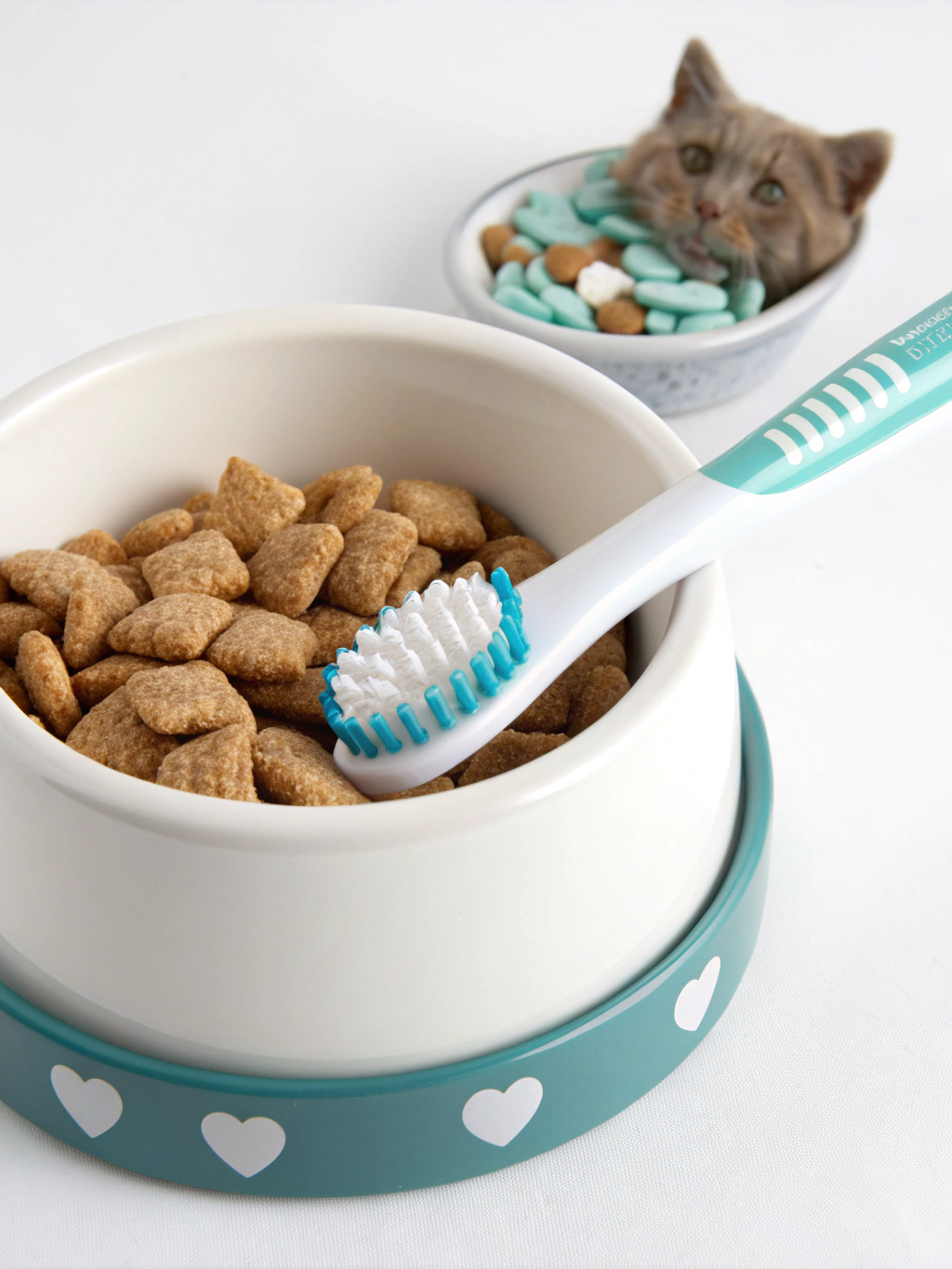
Cat Dental Care: Keep Your Cat’s Teeth Healthy
Cat Dental Care: Keep Your Cat’s Teeth Healthy
Table of Contents
Cat Dental Care: Keep Your Cat’s Teeth Healthy
Introduction
Did you know that by the age of three, approximately 70% of cats show signs of periodontal disease? This staggering statistic reveals a silent epidemic affecting our feline companions—poor oral health that can lead to serious systemic problems affecting the heart, liver, and kidneys. Many cat owners assume that cats naturally maintain their dental health through chewing, but this common misconception leaves countless pets vulnerable to painful dental diseases. Implementing a consistent cat dental care routine isn’t just about fresh breath; it’s a fundamental aspect of responsible pet ownership that can add years to your cat’s life and significantly improve their quality of living.
Cat Supplies & Essentials
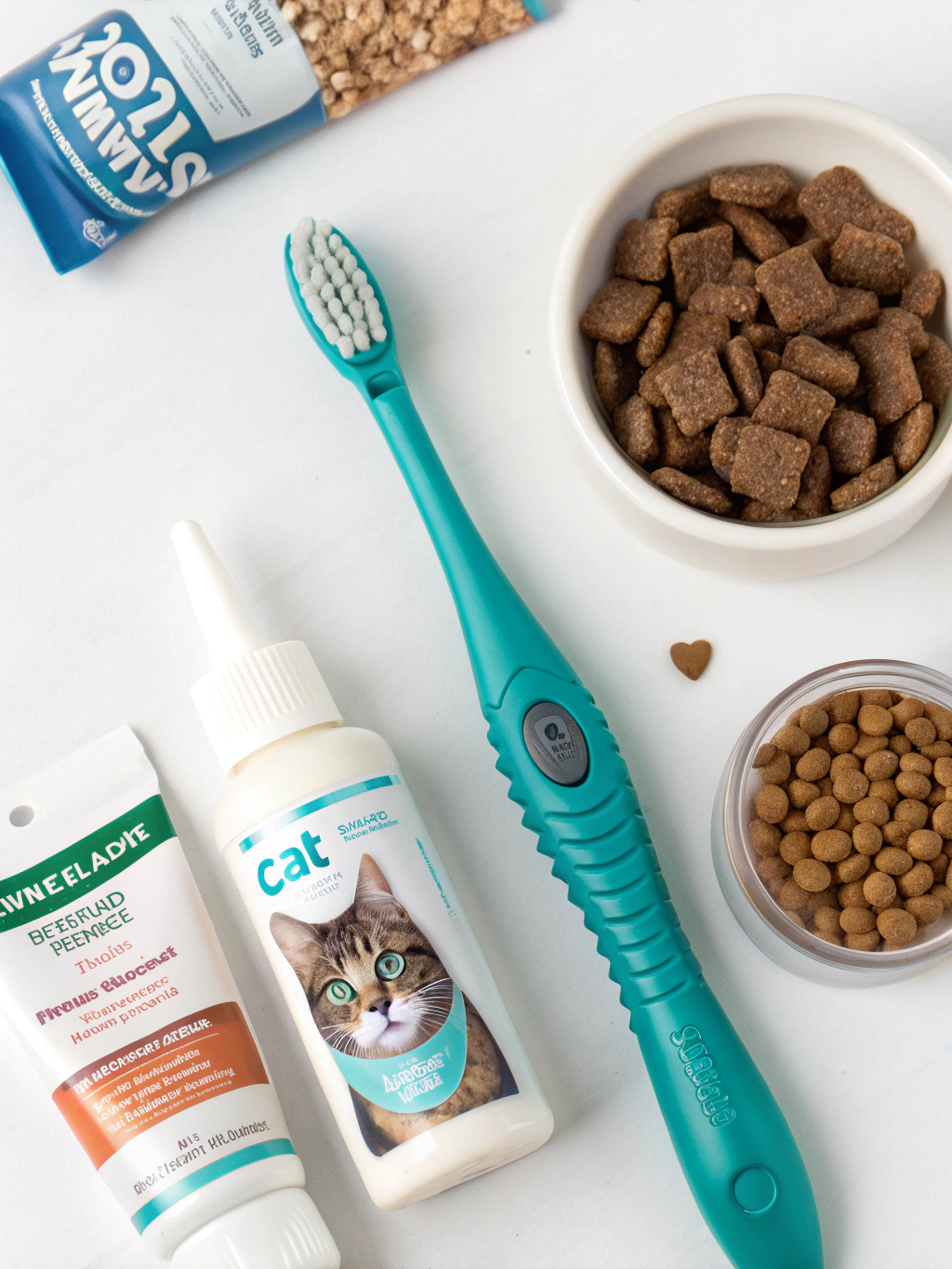
Maintaining optimal cat dental care requires specific supplies designed for feline oral health:
Cat Toothbrush & Finger Brushes: Specially designed soft-bristled toothbrushes with angled heads reach back molars effectively. Finger brushes work well for cats new to brushing, offering better control and gentler introduction.
Enzymatic Cat Toothpaste: Never use human toothpaste—it contains toxic ingredients like xylitol. Feline-formulated enzymatic pastes come in flavors like poultry and seafood that cats actually enjoy.
Dental Treats & Chews: VOHC-approved (Veterinary Oral Health Council) dental treats mechanically reduce plaque buildup through abrasive action while freshening breath.
Dental Toys: Textured rubber toys and rope toys encourage natural chewing behaviors that massage gums and scrape away soft plaque deposits.
Water Additives: Enzyme-based solutions added to drinking water help reduce bacteria and freshen breath without requiring direct application.
Dental Wipes: Pre-moistened gauze pads offer an alternative for cats resistant to brushing, allowing quick plaque removal from tooth surfaces.
Quality Dry Food: Prescription dental diets feature larger, harder kibble pieces that create mechanical cleaning action with each bite.
Oral Examination Light: A small LED penlight helps you monitor your cat’s dental health between veterinary visits.
Optional items include oral gels containing chlorhexidine for antibacterial protection, dental foam sprays for cats that absolutely refuse brushing, and plaque-prevention diets formulated specifically for oral health maintenance.
Timeline / Progress Expectations
Understanding realistic timeframes helps set appropriate expectations for your cat teeth cleaning routine:
Week 1-2: Acclimation Phase – Your cat learns to tolerate mouth handling. Most cats need 10-14 days to accept gentle lip lifting and gum touching without stress.
Week 3-4: Introduction to Brushing – Begin actual brushing for 10-15 seconds per session. Gradual duration increases prevent overwhelming your cat.
Month 2-3: Established Routine – Daily brushing becomes normalized. Visible plaque reduction typically appears within 6-8 weeks of consistent brushing.
3-6 Months: Noticeable Improvements – Fresher breath, pinker gums, and reduced tartar accumulation become evident. Professional cleanings may show less buildup compared to non-brushing cats.
Daily Routine: Ideal brushing sessions last 30-45 seconds once your cat is fully acclimated, preferably performed at the same time each day to establish consistency.
Weekly Check: Examine teeth and gums for redness, swelling, bleeding, or unusual odors that might indicate developing problems.
Annual/Bi-annual Professional Cleanings: Even with home care, most cats benefit from professional dental cleanings under anesthesia every 1-2 years, depending on breed predisposition and individual oral health status.
Step-by-Step Instructions
Step 1: Familiarize Your Cat with Mouth Handling
Begin by choosing a calm moment when your cat is relaxed. Gently stroke their face and gradually work toward lifting their lips to expose teeth. Reward immediately with treats and affection. Practice this 2-3 times daily for several days until your cat remains calm during lip manipulation.
Step 2: Introduce Toothpaste Flavor
Let your cat lick enzymatic toothpaste from your finger to create positive associations with the taste. Most cats enjoy poultry-flavored varieties. This step prevents resistance when you begin actual brushing.
Step 3: Start with Finger Brushing
Apply toothpaste to a finger brush or gauze-wrapped finger. Gently rub along the outer surfaces of the canine teeth and front incisors using circular motions. Keep sessions brief (10-15 seconds initially) to prevent stress.
Step 4: Progress to a Cat Toothbrush
Once your cat tolerates finger brushing, transition to a soft-bristled cat toothbrush. Focus on the outer tooth surfaces where plaque accumulates most rapidly. The tongue naturally cleans inner surfaces.
Step 5: Target Problem Areas
Pay special attention to back molars and the gum line where tartar builds fastest. Hold the brush at a 45-degree angle to the gum line for optimal cleaning effectiveness.
Step 6: Establish Consistency
Aim for daily brushing sessions at the same time—many owners find success after dinner when cats are satisfied and relaxed. Consistency produces far better results than sporadic intensive efforts.
Step 7: Monitor and Adjust
Regularly assess your cat’s comfort level and dental health progress. If bleeding occurs or your cat shows excessive stress, consult your veterinarian for guidance on technique modifications.
Health Benefits / Cat Advantages
Implementing proper cat dental care delivers substantial health advantages:
Prevention of Periodontal Disease: Regular brushing removes plaque before it mineralizes into tartar, preventing the painful inflammation and infection that affects 50-90% of cats over four years old.
Systemic Health Protection: Oral bacteria can enter the bloodstream through diseased gums, potentially causing heart valve infections (endocarditis), kidney disease, and liver problems. Maintaining oral health protects vital organs.
Pain Reduction: Dental disease causes chronic pain that many cats silently endure. Proper dental care prevents the discomfort associated with inflamed gums, tooth root abscesses, and oral infections.
Improved Appetite and Nutrition: Cats with painful dental conditions often reduce food intake or struggle to chew properly. Healthy teeth ensure optimal nutrition and maintained body condition.
Extended Lifespan: Studies indicate that cats with good dental health live an average of 2-3 years longer than those with chronic periodontal disease, representing a significant quality-of-life improvement.
Cost Savings: Preventive home care dramatically reduces the need for expensive dental procedures. A professional cleaning costs $300-$1,500, while treating advanced periodontal disease with extractions can exceed $2,000.
Enhanced Bonding: Daily dental care routines strengthen the human-animal bond through positive handling and trust-building interactions.
Alternative Methods & Tips
For Small Living Spaces: Focus on water additives and dental treats if space limits brushing areas. These passive methods still provide dental benefits without requiring dedicated grooming space.
Senior Cat Adaptations: Older cats may have sensitive gums or arthritis making positioning difficult. Use softer finger brushes and shorter sessions, focusing on front teeth primarily.
Multi-Cat Households: Establish individual routines to prevent competition and stress. Separate cats during dental care to ensure each receives focused attention.
Budget-Friendly Options: Gauze wrapped around your finger with baking soda solution (consult your vet first) offers an economical alternative to commercial products, though enzymatic toothpastes provide superior results.
Raw Feeding Considerations: Some raw diet proponents claim natural bone consumption provides dental benefits. While bones may offer mechanical cleaning, they carry risks including tooth fractures and don’t replace comprehensive dental care.
Breed-Specific Approaches: Brachycephalic breeds (Persians, Himalayans) often require more frequent dental attention due to crowded teeth and increased tartar accumulation.
Climate Adaptations: In humid environments, store dental products in cool, dry locations to prevent bacterial growth and maintain product efficacy.
Temperament-Based Solutions: For aggressive or highly stressed cats, dental wipes or oral gels offer gentler alternatives while you work on desensitization training with professional guidance.
Common Mistakes to Avoid
Using Human Toothpaste: Human dental products contain fluoride and xylitol, both toxic to cats. Always use veterinary-formulated feline toothpaste exclusively.
Inconsistent Routines: Brushing sporadically (once weekly or monthly) provides minimal benefit. Daily brushing produces exponentially better results than occasional intensive sessions.
Forcing the Process: Restraining unwilling cats creates negative associations that make future attempts increasingly difficult. Gradual, positive introduction ensures long-term cooperation.
Neglecting Professional Cleanings: Home care complements but doesn’t replace professional dental examinations and cleanings. Only veterinary procedures address below-gum-line disease.
Ignoring Warning Signs: Waiting until obvious symptoms appear (visible tartar, bad breath, difficulty eating) means disease has progressed significantly. Preventive care starts before problems develop.
Focusing Only on Front Teeth: Back molars and premolars accumulate plaque fastest but receive less attention. These areas require thorough brushing despite being harder to reach.
Over-Reliance on Dental Treats: While helpful supplements, treats alone cannot replace mechanical brushing for comprehensive plaque removal.
Skipping Veterinary Consultations: Regular dental examinations identify problems invisible to untrained eyes. Annual check-ups catch issues early when treatment is simpler and less expensive.
Storage & Maintenance Tips
Toothbrush Care: Rinse thoroughly after each use and store upright in a clean, dry location allowing air circulation. Replace every 3-4 months or when bristles show wear.
Toothpaste Storage: Keep enzymatic toothpaste sealed and refrigerated after opening to maintain enzymatic activity. Check expiration dates and discard outdated products.
Dental Treat Storage: Store in airtight containers away from moisture and heat to preserve freshness and prevent contamination. Follow manufacturer storage recommendations.
Water Additive Management: Replace water with fresh additive solution daily. Clean water bowls thoroughly before refilling to prevent bacterial biofilm formation.
Toy Sanitization: Wash dental toys weekly in hot, soapy water or run through the dishwasher (top rack). Inspect regularly for damage and replace worn toys that could present choking hazards.
Record Keeping: Maintain a dental care log noting brushing frequency, observations, and professional cleaning dates. This information helps veterinarians track oral health trends.
Supply Organization: Designate a specific storage area for all dental care supplies, making daily routines more convenient and increasing compliance consistency.
Seasonal Deep Cleaning: Quarterly, thoroughly sanitize all dental care equipment and assess supply inventory, replacing depleted items before running out.
Conclusion
Establishing a comprehensive cat dental care routine represents one of the most impactful investments in your feline companion’s long-term health and wellbeing. While the initial acclimation period requires patience and consistency, the rewards—including prevention of painful diseases, extended lifespan, and substantial cost savings—far outweigh the modest daily time commitment. Remember that every cat progresses at their own pace; celebrate small victories and maintain realistic expectations throughout the training process. Start today by simply handling your cat’s mouth for a few seconds, gradually building toward full cat teeth cleaning sessions.
FAQs
Q: At what age should I start dental care for my cat?
A: Begin dental care as early as possible, ideally during kittenhood (8-12 weeks). Young cats adapt more easily to brushing routines, establishing lifelong habits. However, cats of any age can learn to tolerate dental care with patient, gradual introduction. Senior cats particularly benefit from dental attention since periodontal disease prevalence increases with age.
Q: How often should my cat receive professional dental cleanings?
A: Most cats benefit from professional cleanings every 1-2 years, though individual needs vary based on breed predisposition, home care consistency, and existing dental health. Brachycephalic breeds and cats with previous dental disease may require more frequent professional attention. Your veterinarian will recommend an appropriate schedule based on your cat’s specific oral health status.
Q: Can dental disease really affect my cat’s overall health?
A: Absolutely. Periodontal disease creates bacterial reservoirs that can enter the bloodstream, potentially causing serious infections in the heart (bacterial endocarditis), kidneys, and liver. Studies consistently demonstrate connections between chronic oral inflammation and systemic disease. Additionally, dental pain significantly impacts appetite, behavior, and quality of life, making comprehensive dental care essential to overall feline wellness.
Q: My cat absolutely refuses brushing—what alternatives exist?
A: Several options accommodate resistant cats: dental wipes for gentle plaque removal, water additives that reduce bacteria, VOHC-approved dental treats providing mechanical cleaning, oral gels applied directly to gums, and prescription dental diets designed to reduce tartar. While not as effective as brushing, these alternatives provide meaningful benefits. Consult your veterinarian about behavior modification techniques or anti-anxiety approaches that might eventually allow brushing introduction.
Q: What signs indicate my cat needs immediate dental attention?
A: Contact your veterinarian promptly if you notice persistent bad breath (beyond normal “cat breath”), visible red or swollen gums, bleeding from the mouth, difficulty eating or dropping food, pawing at the face, excessive drooling, visible tartar accumulation, loose or missing teeth, behavioral changes suggesting pain, or any oral masses. These symptoms indicate dental disease requiring professional evaluation and treatment—waiting allows conditions to worsen and become more difficult and expensive to treat.