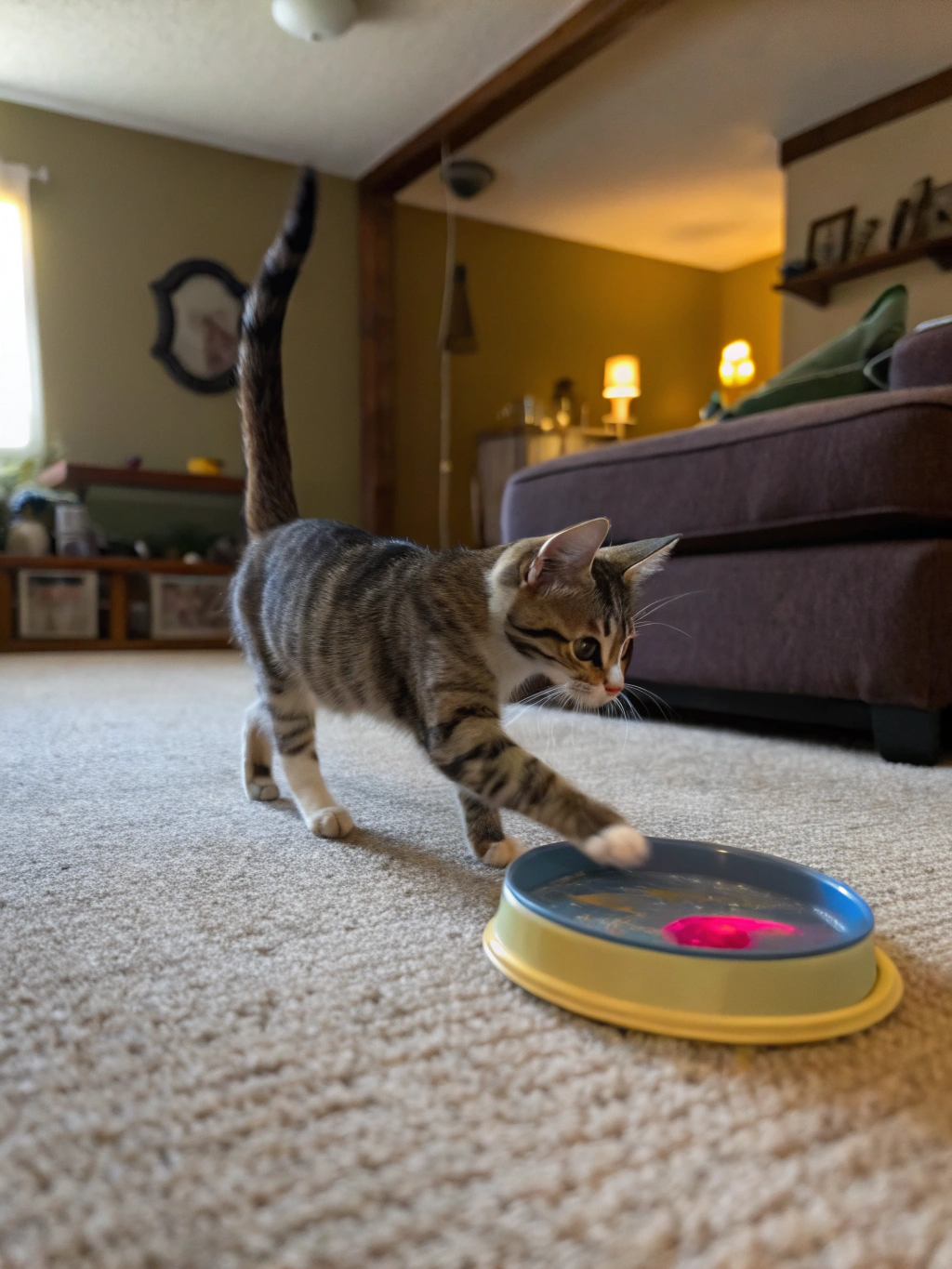
Cat Chasing Behavior Explained
Cat Chasing Behavior Explained
Table of Contents
Introduction
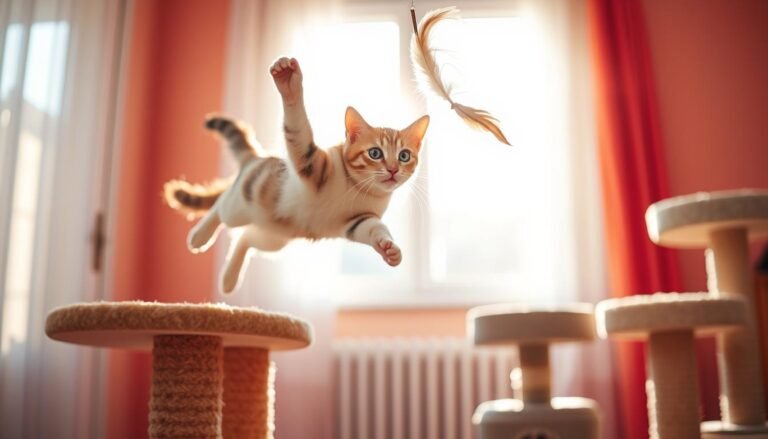
Did you know that domestic cats can reach speeds of up to 30 miles per hour during a chase, a trait inherited from their wild ancestors who relied on quick bursts of speed to survive? Cat chasing behavior is one of the most fascinating and instinctive aspects of feline nature, deeply rooted in their evolutionary history as skilled hunters.
Cat Supplies & Essentials
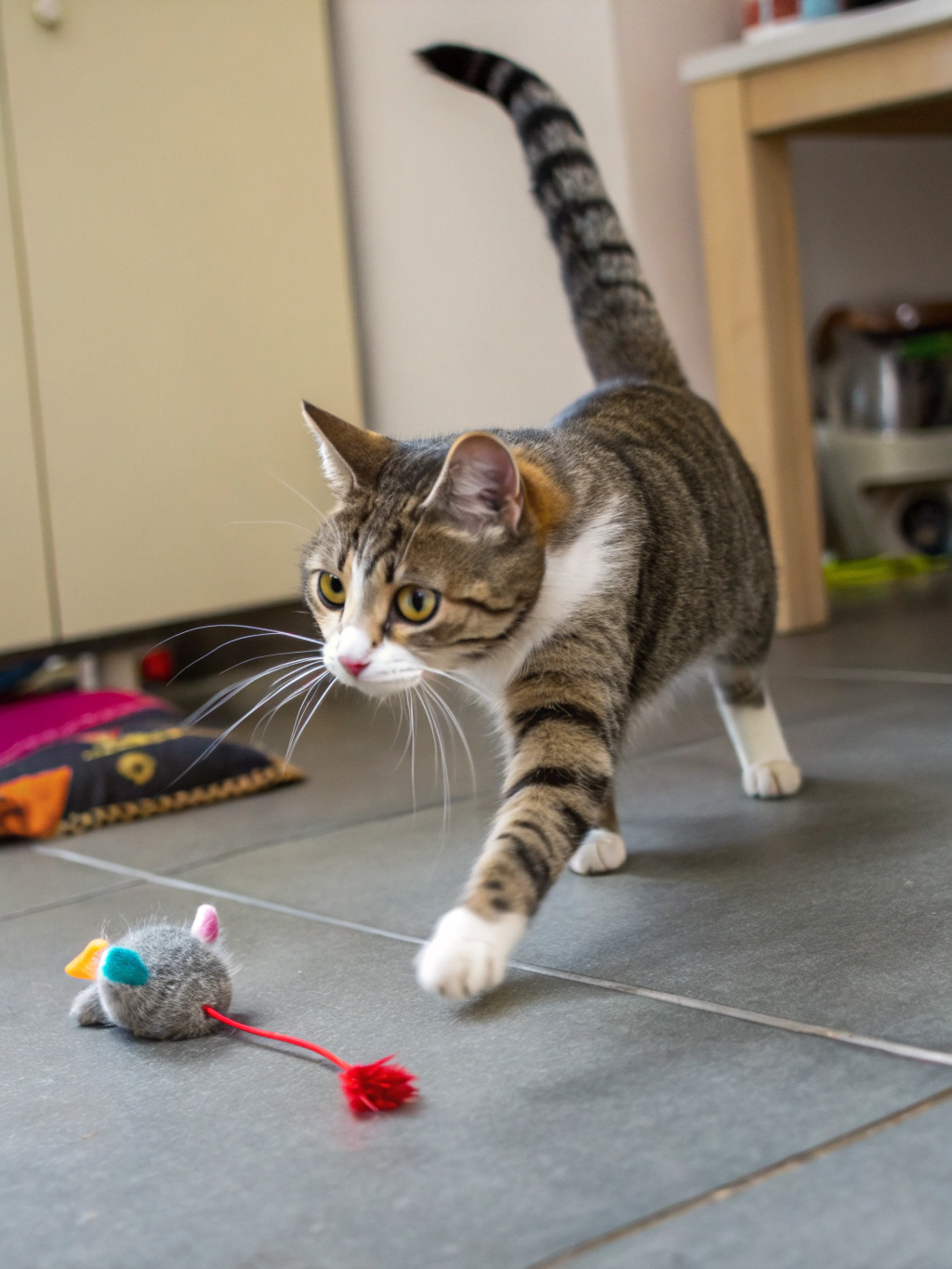
To properly support your cat’s natural chasing instincts and overall wellbeing, having the right supplies is crucial:
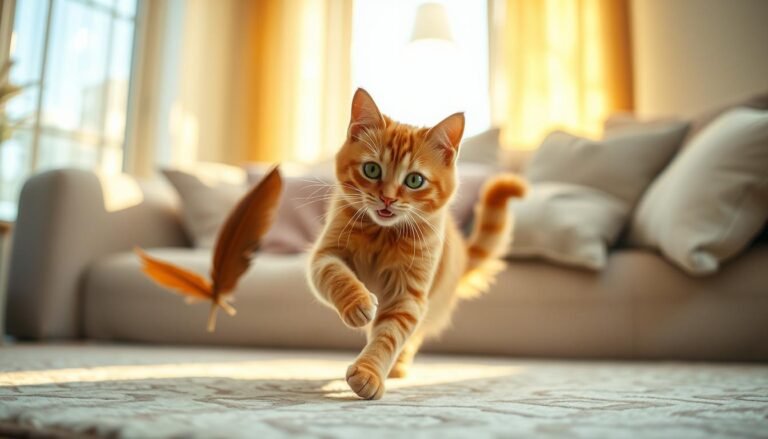
Interactive Toys: Feather wands, laser pointers, and motorized mice are essential for simulating prey movement and engaging your cat’s hunting drive. These toys encourage exercise and mental stimulation.
Cat Trees and Climbing Structures: Multi-level cat trees provide vertical space for stalking, jumping, and observing—all critical components of hunting behavior.
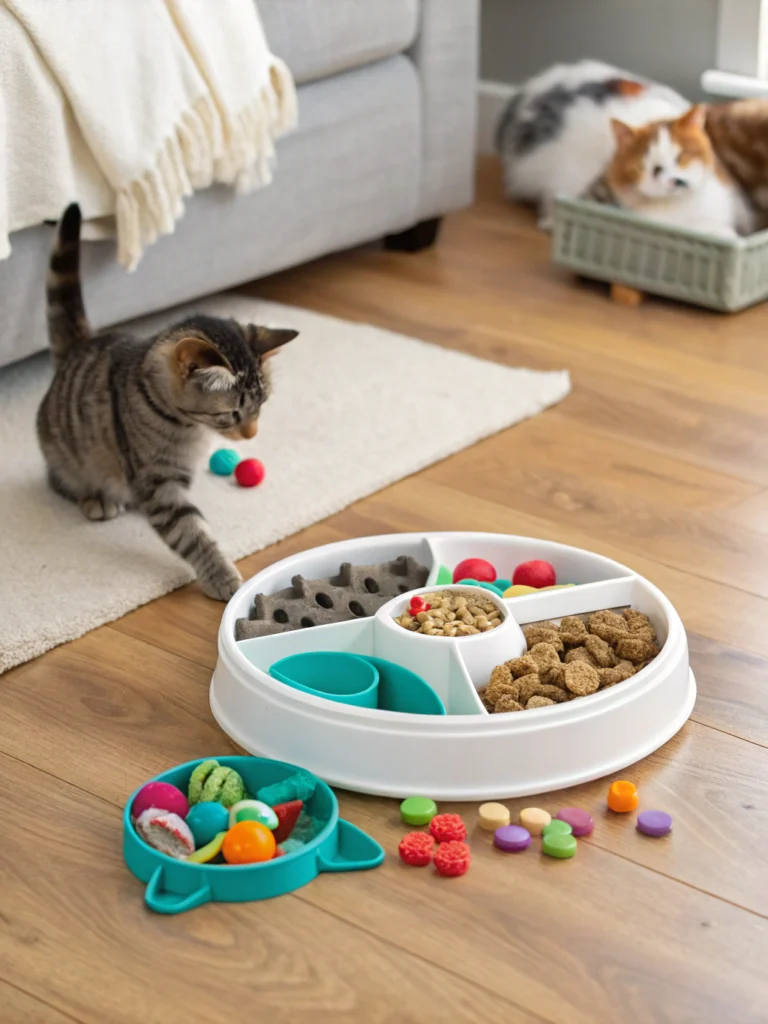
Puzzle Feeders: These combine feeding with mental challenge, mimicking the problem-solving cats use when hunting in the wild.
High-Quality Cat Food: Protein-rich nutrition supports the energy levels needed for active play and maintains muscle tone for athletic movements.
Scratching Posts: Essential for claw maintenance and stretching exercises that keep your cat agile and ready to pounce.
Cat Tunnels: Collapsible fabric tunnels create exciting environments for ambush play and chase games.
Litter Box: A clean, appropriately sized litter box (one per cat plus one extra) ensures your cat’s basic needs are met, reducing stress that might interfere with play.
Water Fountain: Hydration is critical for active cats, and flowing water encourages drinking.
Treat Dispensers: Rolling treat balls combine rewards with chase activities, satisfying both hunger and hunting instincts.
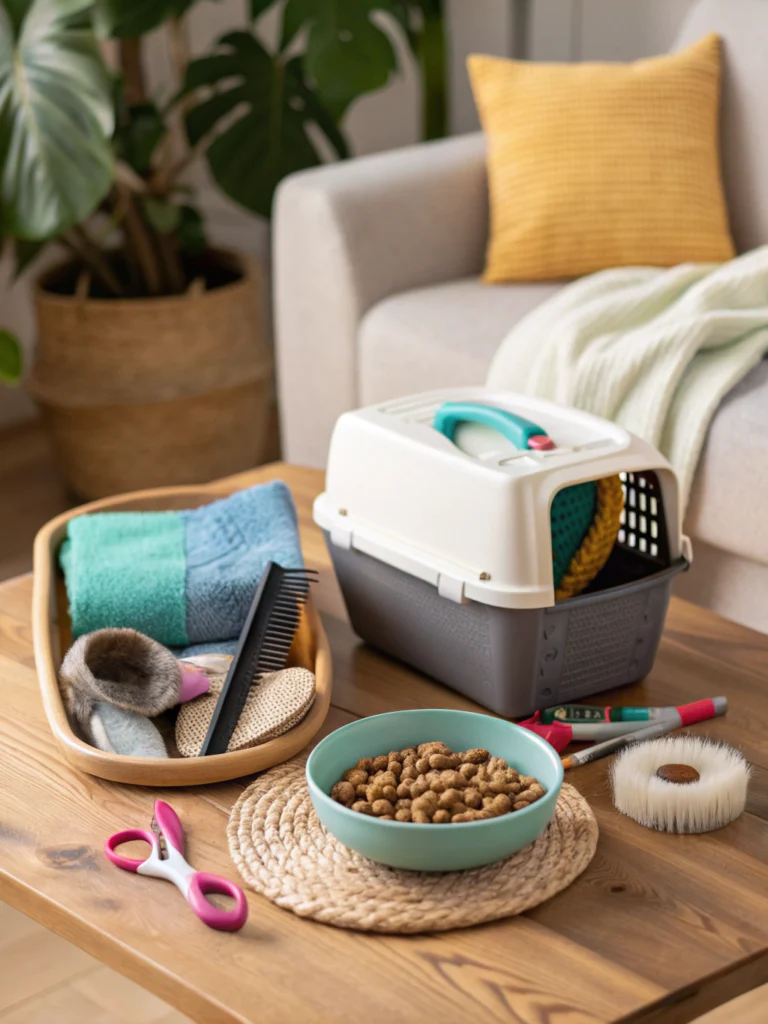
Cat Carrier: For veterinary visits and safe transportation to maintain your cat’s health.
Optional Items: Camera toys for remote play, catnip-filled toys for added excitement, and window perches for bird watching—nature’s television for indoor hunters.
Timeline / Progress Expectations
Understanding the progression of channeling chasing behavior helps set realistic expectations:
Week 1-2: Introduction phase where you present new toys and observe which types of movement patterns most engage your cat. Most cats show immediate interest in feather toys that mimic bird movements.
Week 3-4: Your cat develops preferences and routines, typically showing increased energy levels and more enthusiastic play sessions lasting 10-15 minutes, 2-3 times daily.
Month 2-3: Behavioral improvements become evident—reduced destructive behavior, better sleep patterns, and decreased anxiety or aggression. Cats may initiate play sessions independently.
Month 3-6: Long-term habit formation occurs. Your cat establishes healthy activity routines, maintains ideal weight, and demonstrates improved overall demeanor.
Daily Routine: Plan for 20-30 minutes of interactive play spread across 2-4 sessions, ideally before meals to mimic the hunt-eat-groom-sleep cycle.
Seasonal Adjustments: Indoor cats may need increased stimulation during winter months when outdoor activity viewing decreases. Summer might require cooler play times during early morning or evening hours.
Step-by-Step Instructions
Step 1: Assess Your Cat’s Chasing Style
Observe whether your cat prefers aerial prey (birds/flying insects), ground prey (mice/bugs), or a combination. Watch for stalk-and-pounce behavior versus direct chase patterns. This assessment guides toy selection—feather wands for aerial hunters, mice toys for ground chasers.
Step 2: Create a Hunting Environment
Designate play areas with hiding spots using cardboard boxes, furniture arrangements, or commercial tunnels. Cats need places to hide, stalk, and ambush during play, mimicking natural hunting scenarios.
Step 3: Establish a Play Routine
Schedule play sessions before mealtimes to align with natural Cat hunting instincts. This sequence—hunt, catch, eat, groom, sleep—satisfies biological rhythms and promotes contentment.
Step 4: Use Proper Play Techniques
Move toys away from your cat in erratic patterns, mimicking prey trying to escape. Allow your cat to “catch” the prey periodically to prevent frustration. Vary speed and direction, occasionally hiding the toy completely to trigger stalking behavior.
Step 5: Rotate Toys Regularly
Introduce toy rotation every 3-4 days to maintain novelty and interest. Store unused toys out of sight to preserve their excitement value when reintroduced.
Step 6: End Play Sessions Appropriately
Gradually slow the toy’s movements, allow a final “catch,” then offer a small treat or meal. This provides closure and satisfaction, preventing post-play frustration or continued hyperactivity.
Step 7: Monitor and Adjust
Watch for signs of exhaustion (heavy panting, lying down mid-play) or boredom (disengagement, walking away). Adjust session length, intensity, and toy types based on your cat’s responses and energy levels.
Health Benefits / Cat Advantages
Providing appropriate outlets for chasing behavior delivers remarkable health benefits backed by veterinary research:
Physical Health: Regular chase play maintains healthy weight, with studies showing active cats have 30% lower obesity rates. Exercise strengthens cardiovascular systems, improves muscle tone, and enhances joint flexibility, particularly important for senior cats.
Mental Stimulation: Engaging hunting instincts provides crucial cognitive exercise, reducing risks of depression and age-related cognitive decline by up to 40% according to feline behavioral studies.
Stress Reduction: Outlets for natural behaviors significantly decrease anxiety-related issues. Cats with adequate play opportunities show 50% fewer stress indicators like overgrooming or inappropriate elimination.
Behavioral Improvements: Satisfied hunting instincts reduce destructive behaviors, aggression toward humans or other pets, and nighttime disruptions. Research indicates properly exercised cats sleep 25% more peacefully.
Bonding Enhancement: Interactive play strengthens human-cat relationships, building trust and communication that improves overall household harmony.
Longevity: Active cats with enriched environments live on average 2-3 years longer than sedentary counterparts, with better quality of life throughout their senior years.
Alternative Methods & Tips
Small Spaces: Vertical space maximizes hunting opportunities in apartments. Wall-mounted shelves, tall cat trees, and door-frame perches create multi-level hunting grounds without consuming floor space.
Budget-Friendly Options: Crumpled paper balls, cardboard boxes, and DIY feather toys using household items provide excellent stimulation. Rotate “prey” items from recycling bins to maintain novelty cost-effectively.
Age-Appropriate Adaptations: Kittens need shorter, frequent sessions (5-10 minutes, 4-6 times daily). Senior cats benefit from slower-moving toys and ground-level play, focusing on stalking rather than intense chasing.
Multi-Cat Households: Provide simultaneous toys to prevent competition—one wand toy per cat during group sessions, or separate individual play times to ensure each cat’s needs are met.
Indoor/Outdoor Considerations: Indoor cats require more intensive enrichment. Outdoor-access cats still benefit from structured play, particularly during inclement weather or for bonding time.
Climate Adaptations: Hot climates necessitate early morning or evening play sessions. Cold climates might require indoor warming before play to prevent muscle strain.
Personality Variations: Timid cats respond better to slow-moving, predictable toys initially. Bold hunters enjoy fast, unpredictable movements and challenging puzzles.
Common Mistakes to Avoid
Using Hands as Toys: Never encourage cats to chase or attack hands or feet. This teaches inappropriate aggression and can lead to serious behavioral problems and injuries.
Inconsistent Play Schedules: Irregular play confuses cats’ internal rhythms and may increase anxiety or nighttime activity. Maintain consistent daily routines for best results.
Laser Pointer Misuse: Always end laser play by leading to a physical toy your cat can catch. Lasers alone create frustration from never catching prey, potentially causing anxiety or obsessive behaviors.
Insufficient Play Duration: Sessions shorter than 10 minutes rarely satisfy hunting instincts. Aim for total daily playtime of 20-30 minutes minimum, divided appropriately.
Ignoring Warning Signs: Forcing play when cats show stress signals (flattened ears, tucked tail, hiding) damages trust. Respect your cat’s boundaries and preferences.
Single Toy Dependency: Relying on one toy type leads to boredom and disengagement. Variety maintains interest and exercises different hunting skills.
Playing Before Bedtime: High-energy play immediately before human bedtime often energizes cats, leading to nighttime disruptions. Schedule final sessions 1-2 hours before sleep.
Neglecting Safety: String toys, small parts, and damaged toys pose choking or ingestion hazards. Supervise play with string-based toys and inspect regularly for wear.
Storage & Maintenance Tips
Toy Storage: Keep interactive toys in closed containers or drawers between sessions to maintain novelty. Toys left out constantly lose appeal quickly.
Cleaning Routines: Wash fabric toys weekly in pet-safe detergent. Wipe hard toys with pet-safe disinfectant weekly or when visibly soiled to prevent bacterial buildup.
Rotation System: Organize toys into 3-4 groups, rotating weekly. This system keeps play fresh while simplifying toy management.
Food Storage: Store dry food in airtight containers in cool, dark places. Wet food should be refrigerated after opening and used within 2-3 days to maintain nutritional quality.
Litter Box Maintenance: Scoop daily without exception. Complete litter changes and box washing should occur weekly for clumping litter, more frequently for non-clumping varieties.
Scratching Post Care: Vacuum or brush posts weekly to remove loose material. Replace or repair when excessively worn to maintain functionality.
Seasonal Deep Cleaning: Quarterly deep-clean all cat areas including hard-to-reach spaces where toys might accumulate dust or where odors develop.
Inspection Protocol: Weekly inspections of all toys, furniture, and equipment prevent accidents. Discard damaged items promptly and replace essentials immediately.
Conclusion
Understanding and supporting your cat’s natural chasing behavior isn’t just about entertainment—it’s fundamental to their physical health, mental wellbeing, and quality of life. By providing appropriate outlets through interactive toys, structured play sessions, and enriched environments, you’re honoring millions of years of evolutionary programming while preventing behavioral problems and health issues.
FAQs
Q: Why does my cat chase things at 3 AM?
A: Cats are naturally crepuscular (most active at dawn and dusk), but inadequate daytime exercise shifts activity to nighttime. Increase interactive play sessions in the evening, particularly before your bedtime, and feed a meal after play to encourage the natural hunt-eat-sleep cycle. This typically resolves nighttime chasing within 1-2 weeks.
Q: Is it normal for my cat to chatter or chirp while watching birds?
A: Absolutely! This behavior, called “chattering,” occurs when cats observe prey they cannot reach. It’s believed to be either excitement, frustration, or potentially a mimicry instinct. It’s harmless and indicates your cat’s hunting instincts are engaged. Provide a window perch for safe bird-watching entertainment.
Q: How can I tell if my cat is playing or being aggressive during chase games?
A: Playful chasing includes relaxed body language, taking turns chasing (in multi-cat homes), and voluntary breaks. Aggressive chasing features flattened ears, growling, fur standing on end, and persistent targeting. If you see aggression signs, separate cats immediately and consult a feline behaviorist for intervention strategies.
Q: My senior cat doesn’t chase toys anymore. Is this normal?
A: Some decline in activity is normal with age, but complete disinterest may indicate health issues like arthritis, dental pain, or vision problems. Schedule a veterinary examination. For healthy seniors, try slower-moving toys, ground-level play, and shorter sessions (5-7 minutes). Many senior cats rediscover play joy with age-appropriate adaptations.
Q: Can indoor cats satisfy their hunting instincts without outdoor access?
A: Definitely! Indoor cats can thrive with proper enrichment including interactive toys, puzzle feeders, vertical spaces, and window entertainment. Studies show indoor cats with adequate stimulation display equal satisfaction to outdoor-access cats without the risks of traffic, predators, or disease. Consistency and variety in play are key to fulfilling their instinctive needs.