Cat Care Mistakes New Owners Make best in 2026
Cat Care Mistakes New Owners Make best in 2026
Table of Contents
Cat Care Mistakes New Owners Make
Introduction
Did you know that nearly 70% of first-time cat owners admit to making at least one major care mistake in their pet’s first year? These innocent errors can significantly impact your feline friend’s health, happiness, and behavior. Understanding the cat care mistakes new owners make is essential for creating a thriving environment where your cat can flourish. Whether you’ve just brought home your first kitten or adopted an adult cat, avoiding common pitfalls will help establish a strong foundation for years of companionship. This comprehensive guide will walk you through everything you need to know to become a confident, knowledgeable cat parent who sidesteps the typical missteps that plague new owners.
Cat Supplies & Essentials
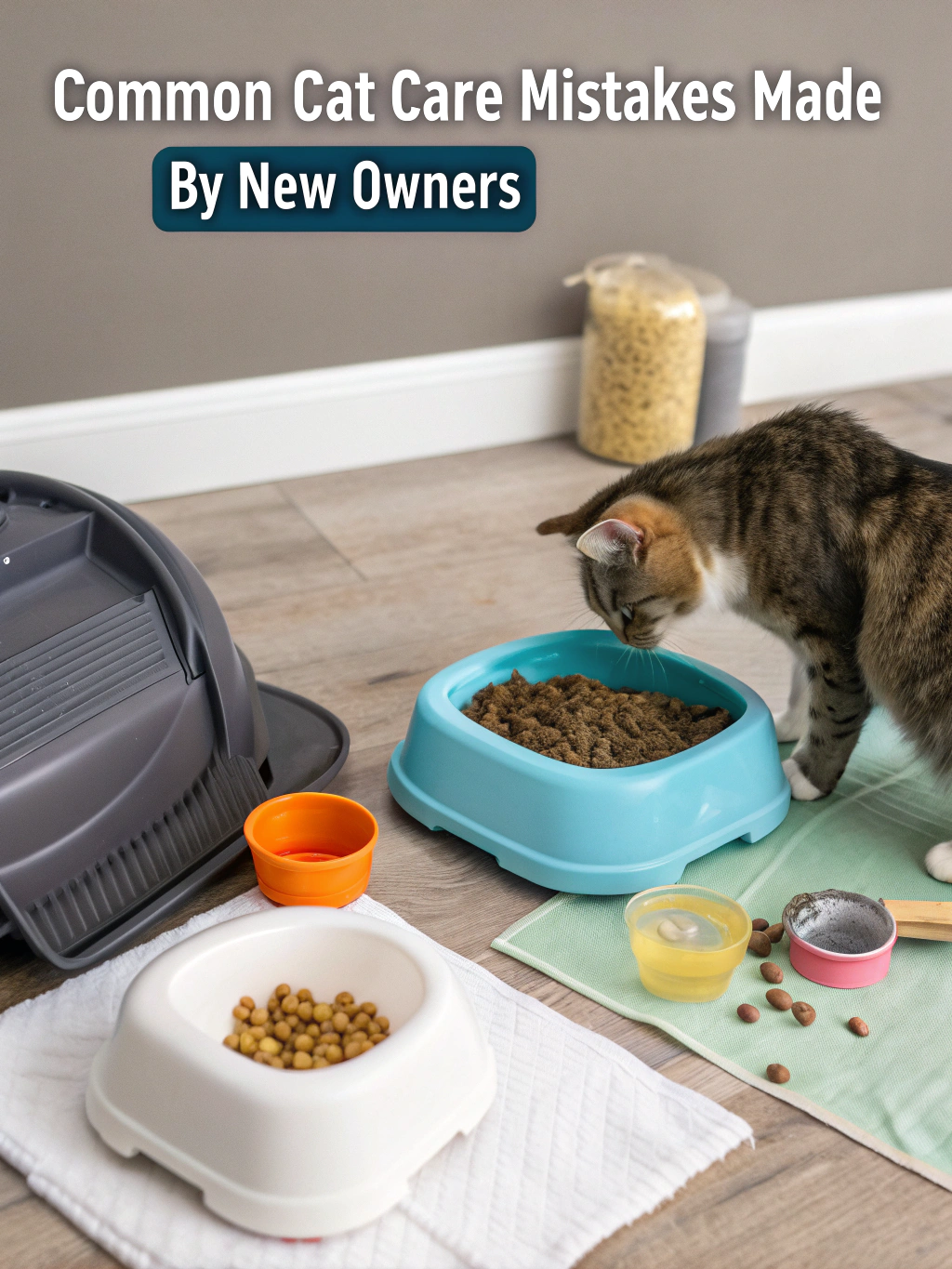
Building a well-stocked supply arsenal is your first step toward successful cat ownership. Here’s what every new cat parent needs:
Litter Boxes: Invest in at least one box per cat, plus one extra. Larger boxes (minimum 1.5 times your cat’s length) prevent accidents and encourage consistent use. Covered boxes offer privacy but may trap odors.
High-Quality Cat Food: Choose age-appropriate nutrition with real protein as the first ingredient. Wet food promotes hydration, while dry kibble supports dental health. Avoid foods with excessive fillers or artificial additives.
Interactive Toys: Wand toys, puzzle feeders, and battery-operated mice stimulate hunting instincts and prevent boredom. Rotate toys weekly to maintain interest and engagement.
Scratching Posts: Vertical and horizontal options in sisal, cardboard, or carpet satisfy natural scratching behaviors and protect your furniture. Place them near sleeping areas and entryways.
Comfortable Beds: Cats sleep 12-16 hours daily, so provide cozy, washable beds in quiet locations. Heated options benefit senior cats or those in cooler climates.
Sturdy Carrier: Essential for vet visits and travel. Hard-sided carriers with top openings make loading anxious cats easier and provide better security.
Water Fountain: Moving water encourages increased hydration, supporting kidney health and preventing urinary issues. Stainless steel models are most hygienic.
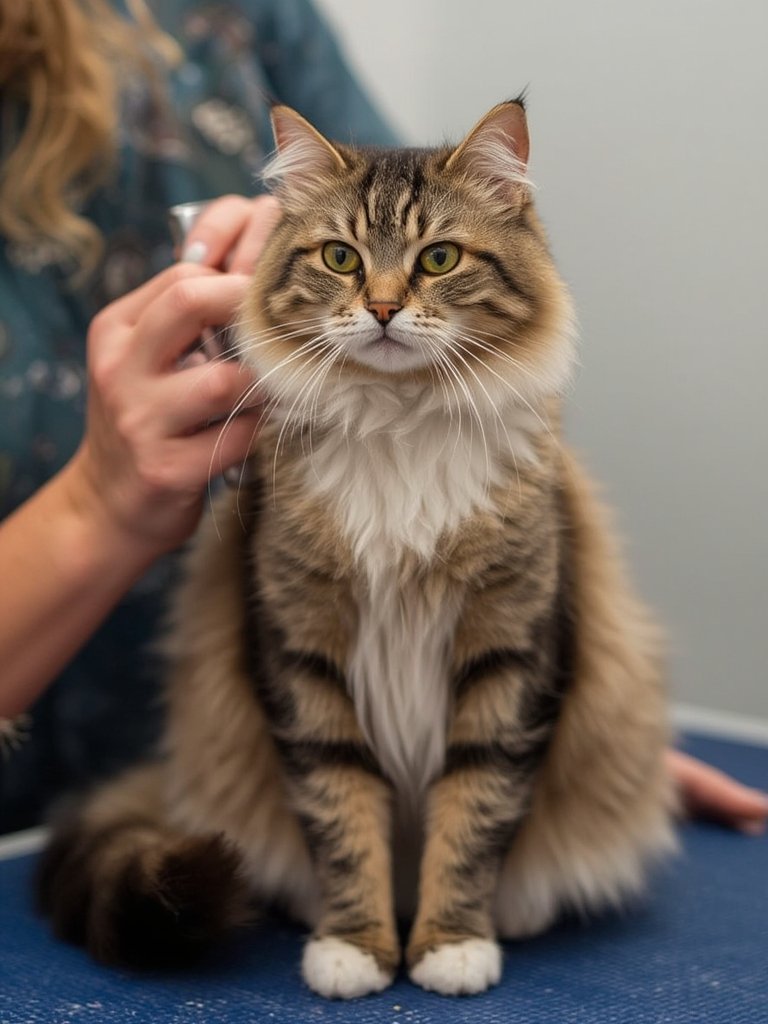
Grooming Tools: Brushes, nail clippers, and toothbrushes maintain coat health and prevent hairballs. Long-haired breeds require daily grooming, while short-haired cats need weekly sessions.
Optional additions: Cat trees for vertical territory, calming diffusers for anxious cats, and window perches for environmental enrichment.
Timeline & Progress Expectations
Understanding realistic timelines prevents frustration and helps you celebrate milestones appropriately.
Week 1-2: Adjustment Period – Your cat explores cautiously, may hide frequently, and establishes comfort zones. Expect irregular eating and litter box habits as they acclimate.
Week 3-4: Settling In – Most cats show consistent litter box usage, establish feeding routines, and display personality traits. Bonding accelerates during this phase.
Month 2-3: Training Foundation – Basic command training yields results. Cats learn their names, respond to “come,” and understand boundaries regarding furniture and counters.
Month 4-6: Behavioral Stability – Personality fully emerges, and behavioral patterns solidify. Issues like inappropriate scratching or nighttime activity can be addressed effectively with consistent techniques.
6-12 Months: Long-term Habits – Dietary preferences stabilize, social confidence peaks, and your cat becomes fully integrated into household routines.
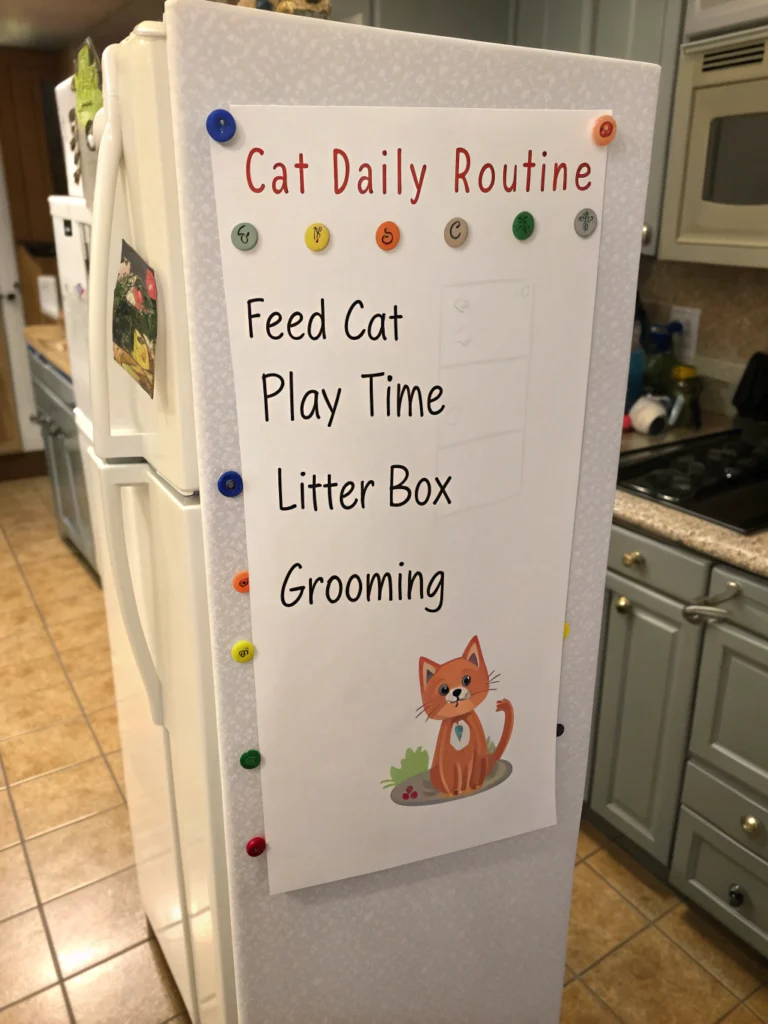
Daily Routine: Feed twice daily at consistent times, scoop litter boxes once or twice, provide 15-20 minutes of interactive play, and maintain fresh water access.
Weekly Tasks: Deep clean litter boxes, wash food/water bowls, inspect toys for damage, and conduct grooming sessions.
Seasonal Adjustments: Increase brushing during shedding seasons (spring and fall), adjust caloric intake for indoor winter inactivity, and monitor hydration during summer heat.
Step-by-Step Instructions
Teaching Proper Scratching Behavior
Start by identifying your cat’s scratching preferences—vertical or horizontal, texture preferences. Place scratching posts strategically near targeted furniture. When you observe inappropriate scratching, gently redirect to the appropriate surface without punishment. Reward successful scratching with treats or praise immediately. Apply deterrents like double-sided tape or citrus scents to protected furniture. Consistency achieves results within 2-3 weeks.
Transitioning to New Food
Introduce new food gradually over 7-10 days to prevent digestive upset. Days 1-3: Mix 25% new food with 75% current food. Days 4-6: Use equal portions. Days 7-9: Transition to 75% new food. Day 10: Complete the switch. Monitor stool consistency and appetite throughout. If digestive issues arise, slow the transition timeline.
Establishing Litter Box Success
Position boxes in quiet, accessible locations away from food and water. Ensure easy entry (especially for kittens and seniors). Fill with 2-3 inches of unscented, clumping litter. Scoop waste twice daily and completely replace litter weekly. If elimination issues occur, rule out medical causes first, then evaluate box placement, litter type, and cleanliness standards.
Creating Interactive Play Sessions
Schedule two 10-15 minute play sessions daily, ideally before mealtimes to mimic natural hunt-eat-sleep cycles. Use wand toys to simulate prey movements—erratic, fast-slow variations maintain engagement. Allow your cat to “capture” prey periodically to prevent frustration. End sessions with a small treat or meal to complete the hunting sequence. This routine reduces behavioral problems like aggression and nighttime hyperactivity.
Health Benefits & Cat Advantages
Proper cat care delivers measurable health improvements across multiple dimensions. Cats receiving adequate mental stimulation through play and enrichment show 60% fewer stress-related behaviors like over-grooming or aggression. Regular interactive play maintains healthy weight, reducing obesity-related conditions including diabetes and joint problems by up to 40%.
Consistent grooming routines reduce hairball frequency by 50% while allowing early detection of skin conditions, lumps, or parasites. Dental care through appropriate foods, treats, and brushing decreases periodontal disease risk—a condition affecting 70% of cats by age three.
Proper hydration through fountains and wet food supports kidney function, particularly crucial as cats age and become prone to renal disease. Environmental enrichment with vertical spaces, hiding spots, and window access reduces anxiety and depression, promoting emotional wellbeing and strengthening the human-animal bond.
Establishing routine vet care catches health issues early when treatment is most effective and affordable. Preventive care including vaccinations, parasite control, and dental cleanings extends lifespan and improves quality of life significantly.
Alternative Methods & Tips
Small Space Solutions: Utilize vertical territory with wall-mounted shelves and cat trees. Rotating toy access prevents boredom without requiring extensive storage. Consider compact, furniture-integrated scratching posts and hidden litter box furniture.
Budget-Friendly Enrichment: Cardboard boxes, paper bags, and DIY puzzle feeders from toilet paper rolls provide entertainment at minimal cost. Homemade toys using feathers and string offer comparable engagement to expensive alternatives.
Climate Considerations: In hot climates, provide multiple water sources and cooling mats. Cold weather requires cozy heated beds and increased caloric intake for outdoor access cats. Adjust humidity levels in dry environments to prevent skin irritation.
Personality-Based Approaches: Shy cats benefit from Feliway diffusers and gradual socialization. High-energy cats need increased play sessions and challenging puzzle feeders. Senior cats require softer beds, easier litter box access, and gentle play adapted to mobility limitations.
Indoor vs. Outdoor Balance: Indoor cats need enhanced environmental enrichment including catios, leash training for supervised outdoor time, and window bird feeders for visual stimulation. This provides benefits of outdoor exposure while minimizing dangers.
Common Mistakes to Avoid
Understanding new cat owner errors helps you dodge preventable problems:
Overfeeding: Free-feeding leads to obesity in 60% of domestic cats. Implement portion control based on weight and activity level.
Insufficient Litter Boxes: The one-plus-one rule (one box per cat plus one extra) prevents elimination issues and territorial stress.
Ignoring Dental Health: Neglecting oral care causes painful infections and expensive treatments. Start tooth brushing early or use dental treats and water additives.
Punishment-Based Training: Yelling or physical corrections damage trust and increase anxiety. Positive reinforcement builds desired behaviors effectively.
Inadequate Play: Bored cats develop destructive behaviors and obesity. Daily interactive sessions are non-negotiable for mental and physical health.
Skipping Veterinary Care: Annual checkups catch developing issues early. Senior cats require biannual examinations for optimal health monitoring.
Wrong Litter Type: Heavily scented or uncomfortable litter textures cause box avoidance. Most cats prefer unscented, fine-grained clumping varieties.
Inconsistent Routines: Cats thrive on predictability. Irregular feeding times and play schedules create stress and behavioral problems.
Storage & Maintenance Tips
Proper storage and maintenance preserve product quality and maintain home hygiene. Store dry food in airtight containers in cool, dark locations to prevent rancidity and pest contamination. Once opened, wet food lasts 2-3 days refrigerated in covered containers.
Clean litter boxes thoroughly weekly using hot water and mild, unscented soap. Avoid ammonia-based cleaners that smell like urine to cats. Replace plastic boxes annually as scratches harbor bacteria.
Wash food and water bowls daily in hot, soapy water or the dishwasher. Stainless steel and ceramic options resist bacterial growth better than plastic.
Inspect toys weekly for loose parts, fraying strings, or damage that could cause ingestion hazards. Launder fabric toys monthly and disinfect hard toys with pet-safe cleaners.
Vacuum cat areas 2-3 times weekly to control dander and loose fur. Wash bedding weekly in hot water to eliminate parasites and maintain freshness.
Deep clean feeding areas monthly, wiping surfaces with pet-safe disinfectant. Rotate scratching posts when worn to maintain effectiveness.
Schedule seasonal deep cleans including carpet shampooing, upholstery cleaning, and thorough window washing to remove accumulated dander and maintain air quality.
Conclusion
Navigating cat ownership successfully requires knowledge, patience, and commitment to continuous learning. By understanding common mistakes before they happen, you’re positioning yourself and your feline companion for a rewarding, healthy relationship. Remember that every cat is unique—what works for one may require adjustment for another. Stay observant of your cat’s individual needs, maintain consistent routines, and don’t hesitate to consult veterinary or behavioral professionals when challenges arise. The investment you make in proper care today pays dividends in years of companionship, affection, and joy.
FAQs
How long does it take for a new cat to adjust to a home?
Most cats require 2-4 weeks for basic adjustment, though shy or traumatized cats may need several months to feel completely comfortable. Create safe hiding spaces, maintain consistent routines, and allow your cat to approach you on their terms. Gradual exposure to household activities prevents overwhelming your new companion.
What’s the ideal number of litter boxes for one cat?
Veterinary behaviorists recommend a minimum of two litter boxes for a single cat, following the one-plus-one rule. This prevents territorial issues, provides options if one box becomes soiled, and reduces elimination problems. Place boxes in different locations for optimal accessibility.
How often should I play with my cat?
Engage in at least two 10-15 minute interactive play sessions daily, preferably before meals to mimic natural hunting patterns. Kittens and high-energy breeds may require additional sessions. Consistent play prevents obesity, reduces destructive behaviors, and strengthens your bond.
Is it normal for my cat to sleep all day?
Yes—cats naturally sleep 12-16 hours daily, with some seniors sleeping up to 20 hours. This evolutionary trait conserves energy for hunting activities. However, sudden increases in sleep combined with lethargy, appetite changes, or hiding may indicate illness requiring veterinary attention.
What’s the best way to introduce a new cat to existing pets?
Implement gradual introductions over 2-4 weeks. Start with scent swapping using bedding or toys. Progress to visual contact through baby gates before supervised face-to-face meetings. Feed pets on opposite sides of doors to create positive associations. Patience prevents territorial aggression and establishes peaceful coexistence.