The Ultimate Cat Care Guide: Everything You Need to Know
The Ultimate Cat Care Guide: Everything You Need to Know
Table of Contents
Bringing a cat into your life is more than just welcoming a pet. It’s about forming a bond that enriches both your lives. You’ve probably felt the warmth of a gentle purr or the comfort of a soft paw on your lap. This shows that cats are not just animals; they are family members.
Understanding how to take care of a cat is more than just feeding or grooming. It’s about nurturing their spirit and ensuring they thrive in a loving home. This comprehensive guide will give you valuable cat care tips to support your journey as a responsible and compassionate cat owner.
From recognizing your cat’s unique behavior and needs to making informed choices about their nutrition, grooming, and health, this guide covers all the essential aspects of cat ownership. You’ll discover the best ways to care for a cat so that they live a happier, healthier life by your side. They will enrich your days in ways you never imagined.

Edit
Full screen
Delete
how to take care of a cat
Understanding Your Cat Care Guide
Getting to know your cat is more than just petting them. Their behavior shows a mix of emotions and needs. By understanding your cat, you can build a stronger bond and a better home. This part talks about their common behaviors, how they communicate, and what they need for a happy life.
Cat Behavior and Communication
Your cat talks to you in many ways. They show happiness, fear, or aggression through their body language. For example, a raised tail means they’re happy, while flat ears might mean they’re scared or upset.
They also use sounds to communicate. From soft meows to loud yowls, these sounds tell you how they feel. By watching these signs, you can better understand and connect with your cat.
Recognizing Your Cat’s Needs
Every cat is different, with their own likes and dislikes. Knowing what your cat needs helps you create a loving home. Some cats love to play, while others like to rest alone.
Watch what they do to figure out what they like. Give them toys, scratching posts, and cozy spots to hide. This way, you make them happy and content.

Edit
Full screen
Delete
cat behavior and understanding your cat
How to Take Care of a Cat
Understanding the basics of cat care is key to a happy and healthy pet. Start by getting the right supplies and creating a safe space. This not only improves your cat’s life but also makes caring for them more fun.
Essential Supplies for Cat Owners
Having the right items is important for cat care. Here are some must-haves:
- Food and water bowls: Choose sturdy, easy-to-clean ones.
- Litter box: Pick one that fits your cat’s size, and remember the litter.
- Scratching post: It helps your cat keep their claws sharp and relax.
- Comfortable bedding: A cozy spot is crucial for rest and security.
- Toys: Select toys that mimic hunting for fun and exercise.
Creating a Safe Environment
Creating a safe space for cats is essential. Here are some tips:
- Remove hazardous substances: Keep cleaning products and toxic plants away.
- Secure small objects: Cats are curious, so store small items safely.
- Provide vertical space: Cats enjoy climbing, so consider shelves or cat trees.
- Use pet-safe materials: Choose fabrics and furnishings that are cat-friendly and easy to clean.
Feeding Your Cat: Nutrition Basics
Proper nutrition is key for your cat’s health. Knowing about cat nutrition basics helps you choose the right food. There are many diets out there, like dry, wet, and raw, each with its own benefits and challenges.
It’s important to know the right amount of food for your cat. This helps avoid obesity, a common problem in pet households.
Choosing the Right Food
Choosing the right food for your cat involves several factors. Look for cat foods that meet the Association of American Feed Control Officials (AAFCO) standards. Make sure protein is the first ingredient listed.
Also, consider your cat’s age, weight, and health needs. Kittens, adult, and senior cats have different dietary needs for their health.
Understanding Portion Sizes
Getting the right portion size for your cat is crucial for their weight. Cats can easily overeat, leading to obesity and health problems. Use the feeding guidelines on the food packaging as a starting point.
However, these guidelines are general. Your cat’s activity level, age, and metabolism affect their daily needs. Using a measuring cup helps ensure you’re feeding them the right amount.
Special Dietary Needs
Some cats have special dietary needs due to allergies or health conditions. For example, cats with diabetes need a diet high in protein and low in carbs. If you think your cat has a food allergy or a medical condition like kidney disease, talk to your vet.
Grooming Essentials for Your Feline Friend
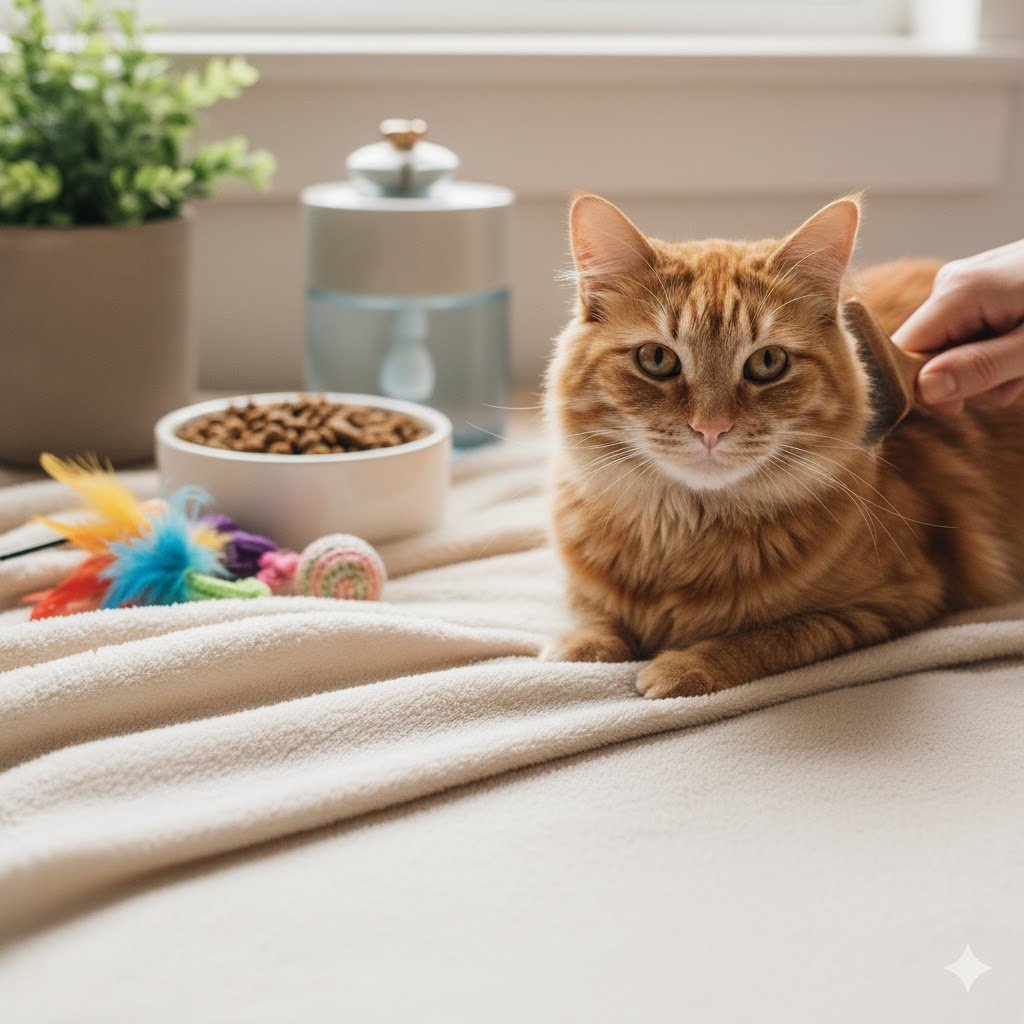
Grooming cats is a rewarding experience. It keeps your pet clean and strengthens your bond. Regular grooming is key to your cat’s health and happiness. This section will cover essential grooming practices, including brushing, bathing, cat nail clipping, and ear care.
Brushing and Bathing
Brushing your cat is crucial to prevent matting and reduce shedding. The frequency of brushing depends on your cat’s breed and coat type. Long-haired cats need daily brushing, while short-haired breeds may need grooming once a week. Use slicker brushes or combs designed for cats when brushing.
Bathing is not always necessary unless your cat gets into something messy. If you decide to bathe your cat, use a pet-friendly shampoo and ensure the water temperature is comfortable. Gently wet your cat and apply the shampoo, avoiding the eyes and ears. Rinse thoroughly to eliminate all soap residue.
Nail Clipping and Ear Care
Cat nail clipping is an important part of grooming. It prevents painful overgrowth and protects your furniture. Aim to trim your cat’s nails every few weeks. Use specially designed cat nail clippers, and press gently on the paw to expose the nail. Make a clean cut to avoid injuring the quick, which is the sensitive area inside the nail.
Cleaning your cat’s ears should also be part of your grooming routine. Check your cat’s ears regularly for dirt or wax buildup. If needed, use a cotton ball lightly dampened with a vet-approved ear cleaner to gently wipe the inside of the ears. This can help prevent infections and keep your cat comfortable.
| Grooming Task | Recommended Frequency | Tools Needed |
| Brushing | Daily for long-haired; Weekly for short-haired | Slicker brush, comb |
| Bathing | As needed | Pet-friendly shampoo, towels |
| Nail Clipping | Every 2-4 weeks | Cat nail clippers |
| Ear Cleaning | Weekly or as needed | Cotton balls, ear cleaner |
Maintaining a Healthy Cat
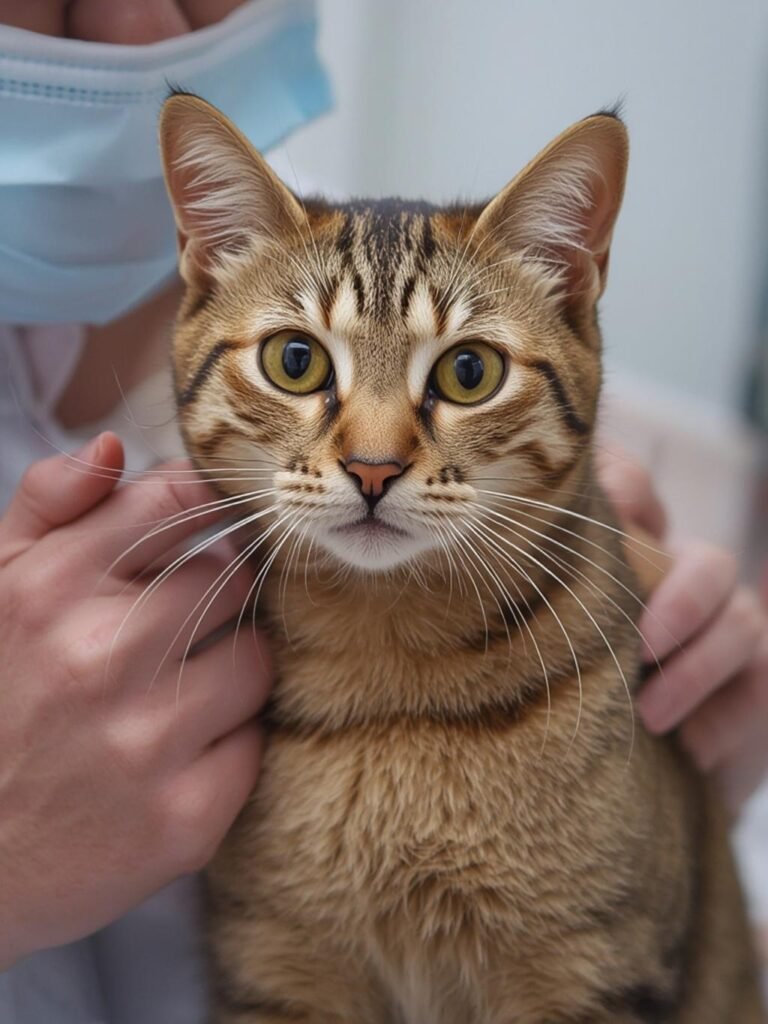
Regular check-ups are key to keeping your cat healthy. These visits help you know your cat’s health and catch problems early. Knowing what to expect makes these visits easier for both you and your cat.
Routine Veterinary Visits
At your cat’s vet visits, many things will be checked. The vet will look at your cat’s weight, fur, and eyes. They might also do blood tests to check inside health.
It’s important to go to the vet at least once a year. This is more often for older cats or those with health issues. Early care can make a big difference in your cat’s life.
Vaccinations and Preventive Care
Vaccinations are a big part of keeping your cat safe. They protect against many diseases. Your vet will tell you which shots your cat needs based on their life and health.
Preventive care is more than just shots. It also includes keeping fleas and ticks away and taking care of your cat’s teeth. Clean teeth help avoid dental disease and bigger health problems. These steps help your cat live a better life.
| Health Aspect | Importance | Frequency |
| Veterinary Check-ups | Early disease detection and overall health monitoring | Annually or as advised by the veterinarian |
| Core Cat Vaccinations | Prevent serious health issues | Initial series followed by boosters as needed |
| Flea and Tick Control | Prevents infestations and related diseases | Monthly or as directed by the vet |
| Dental Care | Prevents dental disease and related health problems | Regular brushings and vet check-ups |
Cat Health Tips: Recognizing Common Illnesses
Knowing your cat’s health is key to their happiness. Spotting illnesses early helps get them the right treatment fast. Look out for changes in how they act, eat, or look. Signs like being very tired, drinking a lot of water, or losing weight are important.
By keeping an eye on these things, you can act quickly if your cat gets sick.
Signs of Illness to Watch For
There are certain signs that mean your cat might be sick. These include:
- Changes in appetite: Eating a lot more or less than usual.
- Behavior changes: Being more aggressive or hiding more.
- Physical symptoms: Vomiting, diarrhea, or coughing.
- Unusual thirst: Drinking a lot more water than usual.
- Weight changes: Losing or gaining a lot of weight.
Emergency Situations
Knowing when to rush to the vet can save your cat’s life. If you see any of these signs, get help right away:
- Difficulty breathing: Breathing too fast or hard.
- Severe injuries: Cuts, broken bones, or a lot of bleeding.
- Loss of consciousness: Not waking up or being very tired.
- Severe vomiting or diarrhea: This could be very serious.
- Seizures: Having convulsions or muscle spasms.
Expert Cat Care Advice
Getting expert cat care advice can really improve your cat’s life. It’s key to keep them mentally sharp and active. A happy cat is one that’s engaged, and you can make their world better with fun activities.
Creating Enrichment Activities
Creating fun for cats means giving them lots of toys and games. Here are some ideas:
- Interactive toys: These keep your cat busy and entertained.
- Puzzle feeders: They make eating a challenge and slow it down.
- Climbing structures: Give your cat places to climb and play.
- Window perches: Let your cat watch the outside world and think.
Adding these activities to your cat’s day can make them less bored and anxious. This leads to a happier, healthier pet.
Socialization and Playtime
Socializing your cat is also crucial for their happiness. Playing with your cat strengthens your bond and helps them grow socially. Use feather wands or laser pointers for fun play that feels like hunting.
The benefits of socializing include:
- More confidence around people and other pets.
- Less stress and fear.
- Improved happiness and behavior.
Playtime every day helps your cat feel safe and loved. It makes their life more fun and interactive.
Best Ways to Care for a Cat’s Mental Health
Looking after your cat’s mental health is as crucial as their physical health. Focusing on their mental well-being can greatly improve their happiness. Learning how to reduce cat anxiety is key to having a contented pet. Here are some tips to help lower stress and create a peaceful environment.
Reducing Stress and Anxiety
One great way to reduce your cat’s stress is by giving them safe places to hide. Cats often hide in enclosed spaces when they feel stressed. Providing cozy spots like cat trees, caves, or even a cardboard box can make them feel safe. Keeping a regular routine for feeding, play, and grooming also helps reduce anxiety.
- Establish regular feeding times.
- Engage in daily play sessions to provide mental stimulation.
- Encourage social interactions at your cat’s pace.
Fostering a Calm Environment
To create a calming space for your cat, add elements that promote relaxation. Soft lighting can reduce harsh visual effects. Adding soothing scents like lavender or chamomile can also help. Make sure there are quiet areas where your cat can take a break from the hustle and bustle.
| Element | Benefits |
| Soft Lighting | Reduces visual stress |
| Soothing Scents | Promotes relaxation |
| Quiet Spaces | Provides a safe retreat |
By focusing on these strategies, you not only improve your cat’s mental health but also strengthen your bond. A happy and calm cat makes for a wonderful companion that you’ll both enjoy.
Conclusion
Starting your journey as a cat owner is key to a great bond with your pet. This guide has shown you how to understand your cat’s behavior and needs. It’s all about giving them the right food and a safe, fun place to live.
Keeping your cat physically and mentally healthy is very important. Regular vet visits, good food, and fun activities make them happy. A happy cat means a happy you, too.
Keep learning and changing how you care for your cat as they grow. Being informed helps you give the best care. This keeps your bond strong and your cat healthy.
FAQ
What are the best cat care tips for new cat owners?
First, make sure you have the basics: food, water bowls, litter box, scratching posts, and a cozy bed. Learn about your cat’s need for social time and play. Also, don’t forget regular vet visits to keep them healthy.
How do I choose the right food for my cat?
Choose food that fits your cat’s age, weight, and health needs. There are many types of food, like dry, wet, and raw. Always talk to your vet for advice on what’s best for your cat.
What are the signs of common health issues in cats?
Keep an eye out for changes in appetite, behavior, or physical signs like vomiting or diarrhea. Catching health problems early is crucial. If you see anything odd, call your vet right away.
How can I create a safe environment for my cat?
Keep harmful things and small objects away from your cat. Make sure they have a cozy spot to play, explore, and rest. Choose toys that are safe and fun for them to play with.
Why is routine veterinary care important for my cat?
Regular vet visits are key to keeping your cat healthy. They help catch diseases early. Talk to your vet about vaccinations and how to prevent health issues like fleas and dental problems.
What should I know about grooming my cat?
Grooming is important for your cat’s health. Brush them based on their fur type, and learn to trim their nails and clean their ears safely. It keeps them clean and strengthens your bond.
How can I enhance my cat’s mental health?
Give them fun activities like interactive toys and puzzle feeders, and play with them regularly. Create a calm space with hideouts and soft lights. This helps reduce stress and keeps them happy.
What are the best ways to care for my cat’s emotional well-being?
Make sure they get enough social time and play. Understanding their behavior and needs helps build trust and happiness. This makes them feel safe and loved at home.