Cat Care for Apartment Living in 2026
Cat Care for Apartment Living in 2026
Table of Contents
Cat Care for Apartment Living
Introduction
Did you know that over 40% of cat owners live in apartments, yet more than half feel uncertain about whether they can provide adequate care in limited spaces? The truth is, cat care for apartment living requires thoughtful planning, but cats can thrive just as well in cozy apartments as they do in sprawling homes. With the right supplies, routines, and enrichment strategies, your feline companion can lead a happy, healthy, and fulfilling life indoors. This comprehensive guide will walk you through everything you need to know—from essential supplies to step-by-step care instructions—ensuring your apartment becomes the perfect sanctuary for your beloved cat.
Cat Supplies & Essentials
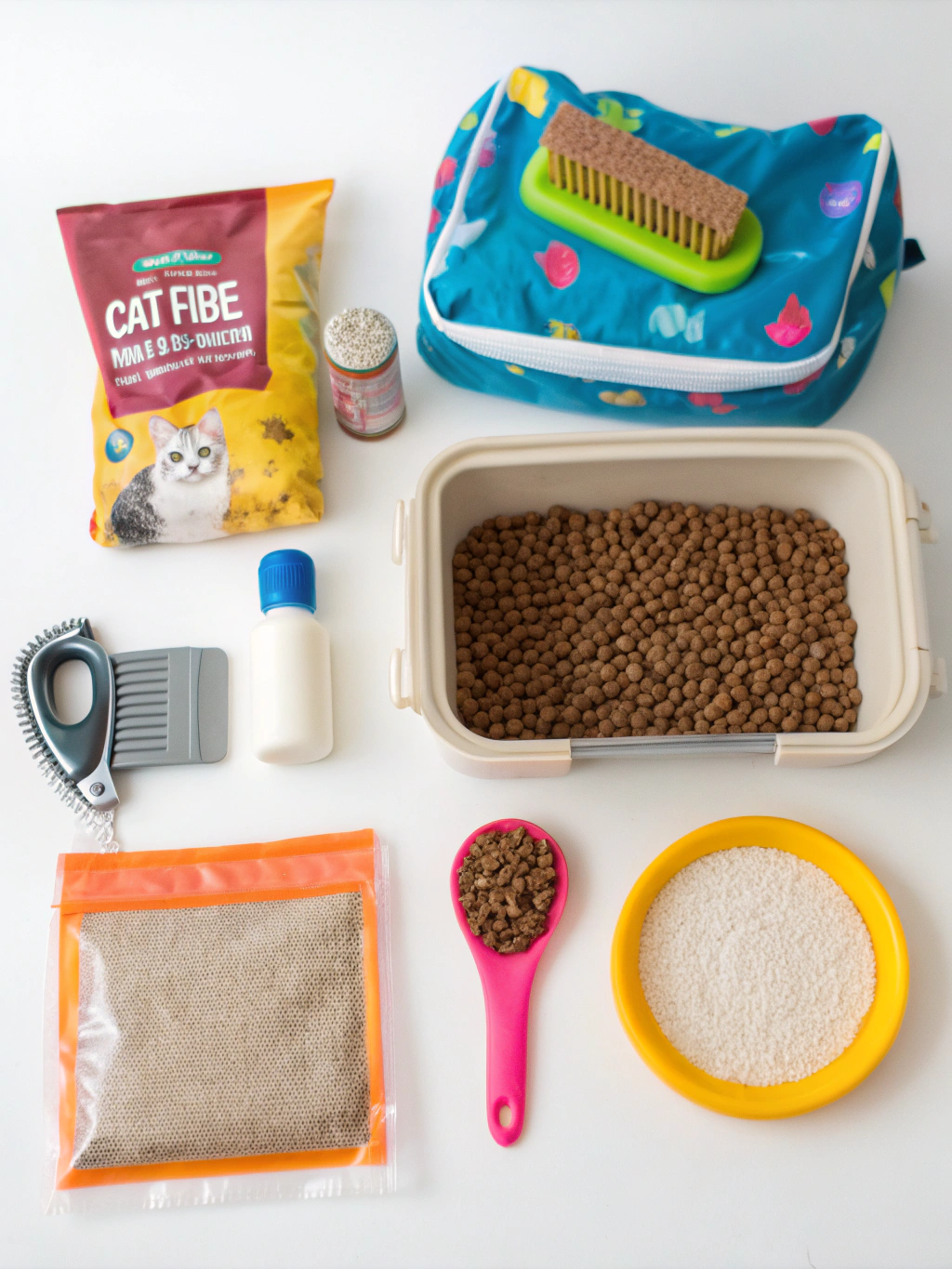
Creating a comfortable and stimulating environment starts with the right supplies. Here’s what every apartment cat owner needs:
Litter Box: Choose a covered or high-sided litter box to contain odors and litter scatter in tight spaces. The rule of thumb is one box per cat, plus one extra.
High-Quality Cat Food: Invest in nutritionally balanced dry or wet food tailored to your cat’s age, weight, and health needs. Look for protein-rich formulas with minimal fillers.
Interactive Toys: Feather wands, puzzle feeders, and laser pointers provide mental stimulation and exercise. Rotate toys weekly to maintain interest.
Scratching Posts: Vertical and horizontal scratching surfaces protect furniture while satisfying natural scratching instincts. Sisal-wrapped posts are particularly durable.
Cat Bed or Perch: Elevated window perches or cozy beds give cats safe spaces to rest and observe their surroundings—a crucial element of apartment cats care.
Cat Carrier: Essential for vet visits and emergencies. Choose one that’s sturdy, well-ventilated, and easy to clean.
Water Fountain: Encourages hydration through flowing water, which many cats prefer over still bowls.
Grooming Tools: Brushes, nail clippers, and dental care supplies help maintain your cat’s health and reduce shedding.
Optional Items: Cat trees, calming diffusers, window bird feeders (for entertainment), and automatic feeders for busy schedules.
Timeline / Progress Expectations
Understanding realistic timelines helps set appropriate expectations for your cat’s adjustment and development:
Week 1-2 (Initial Adjustment): Your cat may hide or act reserved while adapting to new surroundings. Provide quiet spaces and consistent routines.
Week 3-4 (Routine Establishment): Most cats begin showing predictable patterns in eating, playing, and using the litter box. Training exercises can start yielding visible results.
Month 2-3 (Behavioral Stabilization): Expect improved confidence, reduced anxiety, and established territorial behaviors. Scratching post usage should become consistent.
Ongoing Care: Daily play sessions (15-20 minutes twice daily), weekly grooming, monthly nail trims, and annual vet checkups maintain long-term health.
Dietary Transitions: Allow 7-10 days when switching foods, gradually mixing new food with old to prevent digestive upset.
Seasonal Adjustments: Winter may require additional enrichment due to reduced natural light; summer necessitates ensuring adequate hydration and cool spaces.
Step 1: Establish Territory Zones
Create distinct areas for eating, sleeping, playing, and eliminating. Cats are territorial creatures who thrive on predictable spaces. Position the litter box away from food bowls—ideally in a quiet, accessible corner. Designate a feeding station in a low-traffic area and establish play zones near windows or open floor spaces.
Step 2: Implement Daily Enrichment Routines
Schedule two 15-minute interactive play sessions daily—morning and evening work best. Use wand toys to simulate hunting behaviors, allowing your cat to stalk, pounce, and “catch” prey. Finish with a small treat to satisfy the hunt-eat-groom-sleep cycle. Rotate toys every 3-4 days to prevent boredom.
Step 3: Optimize Vertical Space
Install cat shelves, wall-mounted perches, or multi-level cat trees. Vertical territory effectively doubles your apartment’s usable space for cats. Position perches near windows for natural entertainment and sunbathing opportunities. This addresses the limited horizontal space challenge inherent in apartment living.
Step 4: Maintain Litter Box Excellence
Scoop daily, completely change litter weekly, and deep-clean the box monthly. Place litter boxes in ventilated areas to control odors. If you have multiple cats, distribute boxes throughout the apartment to prevent territorial disputes and ensure accessibility.
Step 5: Create Window Entertainment
Position bird feeders or plants outside windows at cat-eye level. Install sturdy window perches with safety considerations. Many apartment cats spend hours observing outdoor activity, which provides crucial mental stimulation and reduces stress behaviors.
Health Benefits / Cat Advantages
Proper apartment cat care delivers measurable health and behavioral benefits:
Mental Stimulation: Interactive toys and environmental enrichment reduce anxiety by up to 60% according to feline behavior studies, preventing destructive behaviors and depression.
Weight Management: Structured play sessions help apartment cats maintain healthy weights, combating the sedentary lifestyle risks associated with indoor living. Regular activity reduces obesity rates by approximately 35%.
Stress Reduction: Consistent routines, safe spaces, and predictable environments lower cortisol levels, strengthening immune function and increasing lifespan.
Behavioral Improvement: Adequate scratching surfaces, climbing opportunities, and play outlets decrease unwanted behaviors like furniture scratching, excessive vocalization, and aggression by 70%.
Enhanced Bonding: Daily interactive sessions strengthen the human-cat relationship, increasing trust and reducing anxiety-related issues.
Dental and Physical Health: Proper nutrition, regular grooming, and activity promote dental health, coat quality, muscle tone, and cardiovascular fitness.
Alternative Methods & Tips
Small Space Solutions: Use furniture-integrated cat trees, wall-mounted shelves, and under-bed storage for supplies. Collapsible toys and foldable scratching mats maximize flexibility.
Budget-Friendly Enrichment: Create DIY puzzle feeders from cardboard boxes, make toys from paper bags and string (supervised only), and use household items creatively rather than expensive commercial products.
Multi-Cat Households: Provide multiple feeding stations, litter boxes, and resting areas to minimize competition. Introduce cats gradually and maintain individual attention schedules.
Age-Appropriate Care: Kittens need frequent, short play sessions with safe toys; senior cats benefit from gentle play, heated beds, and easily accessible litter boxes with low sides.
Climate Considerations: Humid environments require more frequent litter changes; dry climates necessitate additional water sources and humidity support for respiratory health.
Working Owner Strategies: Automatic feeders, timed laser toys, and puzzle feeders provide stimulation during long workdays. Consider adopting two cats for companionship.
Common Mistakes to Avoid
Insufficient Litter Boxes: Using too few boxes or placing them in inconvenient locations leads to elimination problems. Always follow the n+1 rule.
Neglecting Vertical Space: Failing to utilize walls and vertical territory creates a cramped environment that increases stress and territorial behaviors.
Inconsistent Play Schedules: Irregular interaction leads to obesity, behavioral problems, and weakened bonding. Maintain daily routines regardless of your schedule.
Overfeeding Treats: Treats should comprise no more than 10% of daily caloric intake. Excessive treats contribute to obesity and nutritional imbalances.
Ignoring Environmental Enrichment: A barren apartment causes boredom, depression, and destructive behaviors. Continuously rotate toys and introduce novel experiences.
Poor Litter Box Maintenance: Infrequent cleaning causes litter box aversion, leading to inappropriate elimination and urinary health issues.
Skipping Veterinary Care: Annual checkups detect health issues early. Indoor cats still require regular examinations and preventative care.
Using Punishment-Based Training: Negative reinforcement damages trust and increases anxiety. Always use positive reinforcement techniques.
Storage & Maintenance Tips
Food Storage: Keep dry food in airtight containers in cool, dry locations to preserve freshness and prevent pest attraction. Purchase quantities you’ll use within 4-6 weeks.
Litter Management: Store litter in sealed containers to control dust and odor. Keep a small scoop container near the box for convenient daily maintenance.
Toy Rotation System: Divide toys into three groups, rotating weekly. Store inactive toys in sealed containers to maintain their novelty and appeal.
Weekly Cleaning Schedule: Monday—deep clean litter boxes; Wednesday—wash food and water bowls; Friday—vacuum cat areas and wash bedding; Sunday—inspect and clean toys.
Seasonal Maintenance: Spring—groom heavily to manage shedding; Summer—ensure adequate cooling; Fall—inspect winter bedding; Winter—check heating pad safety.
Hygiene Practices: Disinfect feeding areas weekly, replace scratching surfaces when worn, and wash carrier bedding after each use to prevent bacterial growth.
Supply Organization: Designate a specific closet or cabinet for all cat supplies, making daily care efficient and ensuring you notice when items need replenishing.
Conclusion
Mastering cat care for apartment living transforms limited square footage into a feline paradise. By implementing proper supplies, establishing consistent routines, maximizing vertical space, and providing daily enrichment, your apartment cat will thrive physically, mentally, and emotionally. Remember that successful apartment cat care isn’t about space quantity—it’s about quality enrichment, thoughtful planning, and dedicated attention. Start implementing these strategies today, and watch your cat flourish in their cozy apartment haven. Share your own apartment cat care tips in the comments, and explore our related guides on feline behavior and nutrition for even more insights!
FAQs
Q: How much space does a cat need in an apartment?
A: Cats don’t require extensive square footage. A studio or one-bedroom apartment provides adequate space when you maximize vertical territory with shelves and cat trees. The key is quality enrichment rather than quantity of space—environmental stimulation matters more than room size.
Q: Can cats be happy living solely indoors?
A: Absolutely. Indoor cats typically live 12-15 years longer than outdoor cats. With proper enrichment, play, and environmental variety, indoor apartment cats experience fulfilling, stress-free lives without the dangers of outdoor environments like traffic, predators, and diseases.
Q: How often should I play with my apartment cat?
A: Schedule at least two 15-20 minute interactive play sessions daily. These sessions prevent obesity, reduce behavioral problems, and strengthen your bond. Additional spontaneous play throughout the day enhances mental stimulation and overall happiness.
Q: What’s the best way to control litter box odor in small apartments?
A: Scoop daily, use clumping litter, place boxes in ventilated areas, and consider covered boxes or air purifiers. Completely change litter weekly and wash boxes monthly. High-quality litter and immediate waste removal dramatically reduce odors.
Q: Do apartment cats need companions?
A: While not essential, many apartment cats benefit from feline companionship, especially if left alone during work hours. Properly introduced cats provide entertainment, exercise, and emotional support for each other. However, some cats prefer being solo pets—observe your cat’s personality and social preferences before adding another pet.