Cat Care During Hot Weather best in 2026
Cat Care During Hot Weather best in 2026
Table of Contents
Cat Care During Hot Weather
Introduction
Did you know that cats can suffer from heatstroke at temperatures as low as 80°F, even when they seem comfortable? Unlike dogs, cats are masters at hiding discomfort, making cat care during hot weather a critical responsibility that many pet owners underestimate. With global temperatures rising and heat waves becoming more frequent, understanding how to protect your feline companion from heat-related illnesses isn’t just recommended—it’s essential. Proper cat care during hot weather can prevent dehydration, organ failure, and even death. This comprehensive guide will equip you with evidence-based strategies, practical tips, and essential supplies to ensure your cat stays safe, comfortable, and healthy throughout the summer months.
Cat Supplies & Essentials
Keeping your cat cool during hot weather requires specific supplies designed to regulate temperature and maintain comfort. Here’s what every cat owner should have:
Cooling Mats and Pads: Self-cooling gel mats provide instant relief without electricity. These mats activate with your cat’s body weight and can reduce surface temperature by 5-10 degrees, offering a comfortable resting spot during peak heat hours.
Multiple Water Fountains: Running water encourages hydration and stays fresher longer. Place fountains in multiple locations throughout your home, especially in cooler rooms. Cats drink 30% more water from fountains compared to static bowls.
Elevated Cat Beds: Raised beds allow air circulation underneath, preventing heat accumulation. Breathable mesh materials work best for summer use.
Window Blinds and Reflective Curtains: Block direct sunlight during the hottest parts of the day. Blackout or thermal curtains can reduce indoor temperatures by up to 15 degrees.
Fans and Air Circulation Devices: Position fans strategically to create cross-ventilation. Ensure your cat can move away from direct airflow if desired.
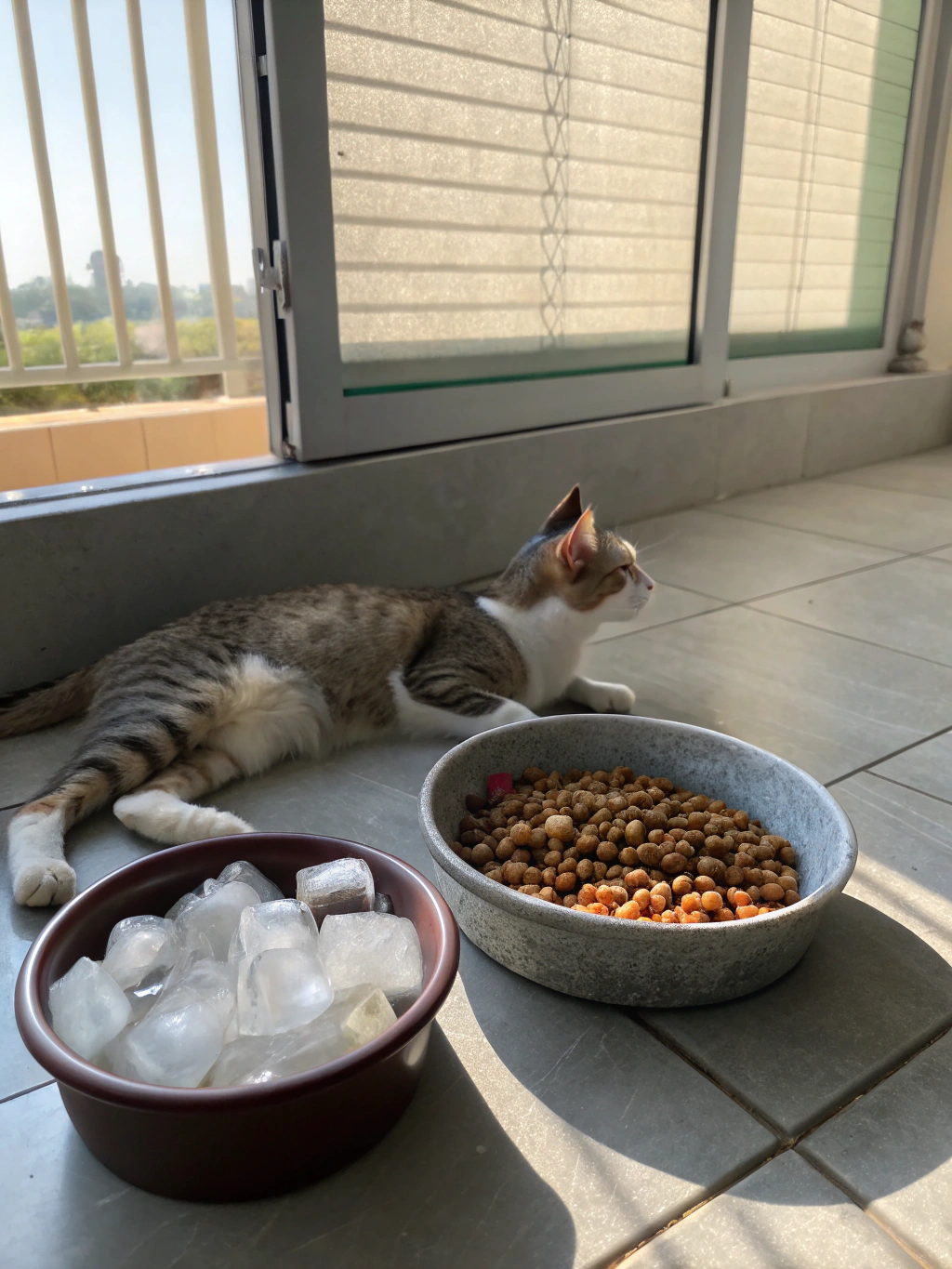
Wet Food and Ice Cubes: Moisture-rich foods increase hydration. Freeze low-sodium chicken broth into ice cubes for a refreshing treat.
Grooming Tools: Deshedding brushes remove excess undercoat, helping cats regulate body temperature more efficiently. Long-haired breeds especially benefit from summer grooming.
Cooling Collars: Evaporative cooling collars provide portable temperature relief for cats who venture outdoors or travel during warm weather.
Shaded Outdoor Enclosures: If your cat enjoys supervised outdoor time, ensure access to multiple shaded areas with proper ventilation.
Digital Thermometer: Monitor your cat’s temperature. Normal feline body temperature ranges from 100.5°F to 102.5°F; anything above 103°F requires immediate veterinary attention.
Timeline & Progress Expectations
Understanding the timeline for implementing summer cat care protocols helps set realistic expectations:
Week 1 – Adjustment Period: Introduce cooling mats, new water stations, and schedule changes gradually. Most cats will show curiosity within 2-3 days and begin using cooling resources by day 5-7.
Weeks 2-3 – Behavior Adaptation: Your cat should establish new resting patterns in cooler areas. Hydration levels typically improve, evidenced by more frequent urination and better coat condition.
Week 4 – Full Integration: By the fourth week, your cat should fully adapt to the summer routine. Energy levels may normalize as they adjust activity patterns to cooler morning and evening hours.
Daily Routine: Check water fountains twice daily, provide fresh wet food during cooler hours (early morning and late evening), and monitor for signs of overheating. Groom long-haired cats every 2-3 days during peak summer.
Seasonal Maintenance: Begin heat preparations in late spring (May-June in Northern Hemisphere). Continue vigilance through early fall, as September heat waves can be particularly dangerous when cats have begun adjusting to cooler temperatures.
Step 1: Create a Cool Environment
Start by identifying the coolest rooms in your home—typically basements, bathrooms, or north-facing rooms. Place cooling mats in these locations and ensure your cat has unrestricted access. Close curtains on south and west-facing windows between 10 AM and 6 PM to block intense sunlight.
Step 2: Establish Multiple Hydration Stations
Position water sources in at least three different locations. Add ice cubes to water bowls twice daily. Clean and refill fountains every 24 hours to prevent bacterial growth, which accelerates in warm conditions.
Step 3: Adjust Feeding Schedules
Shift main meals to early morning (6-7 AM) and late evening (8-9 PM) when temperatures drop. Increase wet food ratio to 70-80% of total diet during summer months. Refrigerate opened wet food and serve slightly chilled for added cooling effect.
Step 4: Implement Regular Grooming
Brush your cat daily during hot weather, focusing on removing loose undercoat. This prevents matting and allows better air circulation to the skin. Never shave double-coated cats—their fur provides insulation against both cold and heat.
Step 5: Monitor for Heat Stress Signs
Watch for excessive panting, drooling, lethargy, vomiting, or unsteadiness. Check gum color—pale or bright red gums indicate distress. Take your cat’s temperature rectally; readings above 103°F require immediate cooling measures and veterinary consultation.
Health Benefits & Cat Advantages
Proper cat care during hot weather delivers measurable health improvements beyond simple comfort:
Cardiovascular Protection: Maintaining optimal body temperature reduces cardiac stress. A study in the Journal of Feline Medicine found that heat-stressed cats show elevated heart rates up to 40% above normal, straining cardiovascular systems.
Kidney Function Support: Adequate hydration during hot weather prevents urinary tract infections and reduces kidney disease progression—conditions affecting 30-40% of cats over age 10.
Behavioral Stability: Comfortable cats exhibit fewer stress behaviors like excessive grooming, aggression, or inappropriate elimination. Temperature regulation directly impacts serotonin levels, affecting mood and behavior.
Enhanced Immune Response: Heat stress suppresses immune function. Keeping cats cool maintains white blood cell efficiency, improving disease resistance during summer months when parasites and infections peak.
Better Sleep Quality: Cats sleep 12-16 hours daily. Comfortable resting temperatures ensure restorative sleep, supporting cognitive function and overall wellbeing.
Weight Management: Excessive heat reduces appetite and activity. Proper cooling allows cats to maintain healthy eating patterns and engage in moderate play, preventing summer weight fluctuations.
Alternative Methods & Tips
Every living situation presents unique challenges for summer cat care. Here are adaptable solutions:
Small Apartment Solutions: Without central air conditioning, create a “cooling zone” using a single room with portable AC or multiple fans. Freeze water bottles wrapped in towels for DIY cooling stations. Use bathroom tiles as natural cool surfaces.
Budget-Friendly Options: Dampen towels and place in the freezer for 30 minutes, then drape over your cat’s favorite resting spots. Fill shallow containers with water for paw cooling. Open windows during cooler evening hours to create natural ventilation.
Outdoor Cat Adaptations: Provide multiple shaded areas with different temperature zones. Place ceramic tiles in shaded spots—they naturally stay cool. Ensure outdoor water sources are in shade and refreshed multiple times daily.
Senior Cat Considerations: Older cats have reduced temperature regulation capabilities. Monitor seniors more closely and maintain consistent indoor temperatures. Consider pet-safe cooling vests for cats with mobility issues who can’t easily move to cooler areas.
Multi-Cat Households: Some cats generate more body heat when grouped together. Provide enough cooling resources so each cat has independent access without competition. Space cooling mats at least 6 feet apart.
Travel and Transportation: Never leave cats in parked vehicles—interior temperatures can reach 120°F in minutes. Use cooling carriers with ventilation on all sides. Schedule vet appointments during early morning hours.
Common Mistakes to Avoid
Even well-intentioned cat owners make critical errors during hot weather:
Over-Reliance on Fans Alone: Fans cool humans through sweat evaporation, but cats have minimal sweat glands. Fans help but cannot be the sole cooling method. Combine with other strategies for effectiveness.
Shaving Long-Haired Cats: Double coats provide insulation against both heat and cold. Shaving disrupts this natural protection and can cause sunburn. Instead, focus on thorough brushing to remove dead undercoat.
Ice-Cold Water: Extremely cold water can cause stomach cramping and discourage drinking. Offer cool (not ice-cold) water. Room temperature or slightly chilled is ideal.
Ignoring Early Warning Signs: Lethargy is often dismissed as normal summer laziness. However, increased sleeping combined with reduced responsiveness indicates heat stress requiring intervention.
Inconsistent Climate Control: Rapidly fluctuating temperatures stress feline systems. Maintain steady, moderate cooling rather than extreme temperature drops.
Forgetting Humidity Factors: High humidity prevents natural cooling through panting. A 75°F day with 80% humidity feels hotter than 85°F with 40% humidity. Use dehumidifiers in damp climates.
Neglecting Overnight Heat: Many owners focus on daytime cooling but forget evening heat retention. Urban heat island effects mean nights stay warm. Maintain cooling measures 24/7 during heat waves.
Limiting Access to Cool Surfaces: Cats instinctively seek cool flooring like tiles or linoleum. Restricting access to bathrooms or basements prevents natural thermoregulation.
Storage & Maintenance Tips
Proper equipment maintenance ensures effective cat care during hot weather:
Water Fountain Maintenance: Disassemble and clean fountains weekly with pet-safe disinfectant. Replace filters monthly during summer when bacterial growth accelerates. Descale using white vinegar solution every 2-3 weeks in hard water areas.
Cooling Mat Care: Wipe cooling mats daily with damp cloth. Store in cool, dry location when not in use. Avoid puncturing gel layers. Most quality mats last 2-3 seasons with proper care.
Food Storage Protocol: Store dry food in airtight containers in cool, dark locations. Refrigerate opened wet food immediately and use within 48 hours. Discard any food left in bowls longer than 30 minutes during hot weather.
Bedding Hygiene: Wash cat bedding weekly in hot water during summer months. Moisture and warmth create breeding grounds for fleas, mites, and bacteria. Dry completely before returning to use.
Fan and Filter Maintenance: Clean fan blades weekly—dust accumulation reduces efficiency. Replace HVAC filters monthly during peak usage to maintain air quality and cooling effectiveness.
Toy Rotation and Cleaning: Sanitize toys weekly during summer. Bacteria multiply rapidly in warm, humid conditions. Rotate toys to maintain interest in indoor play during hot afternoon hours.
Conclusion
Implementing comprehensive cat care during hot weather protocols isn’t just about comfort—it’s about protecting your feline companion from potentially life-threatening heat-related conditions. By establishing proper hydration systems, creating cool environments, adjusting feeding schedules, and monitoring for warning signs, you can ensure your cat thrives throughout the hottest months. Remember, cats depend entirely on their human caretakers to recognize and respond to heat stress. Start implementing these strategies today, and monitor your cat’s response over the coming weeks. Share your experiences in the comments below, and explore our related guides on year-round cat wellness to become the informed, proactive pet parent your cat deserves.
FAQs
How can I tell if my cat is overheating?
Watch for excessive panting with open mouth breathing, drooling, lethargy, vomiting, unsteady gait, bright red or pale gums, and a body temperature above 103°F. Cats experiencing heatstroke may also show rapid heartbeat and glazed eyes. If you observe multiple symptoms, move your cat to a cool area immediately, offer water, and contact your veterinarian.
Is it safe to use ice or cold water to cool down my cat?
Avoid extreme cold application, which can cause shock and constrict blood vessels, actually trapping heat internally. Instead, use room-temperature or slightly cool water applied to paw pads, ears, and groin area. Offer cool (not ice-cold) drinking water. Gradual cooling is safer and more effective than rapid temperature reduction.
What temperature is too hot for cats?
Cats begin experiencing discomfort above 80°F, with heat stress risks increasing significantly above 90°F. However, humidity plays a critical role—high humidity makes lower temperatures more dangerous. Indoor cats should be kept in environments between 65-75°F during summer. Never leave cats in spaces exceeding 85°F without adequate cooling resources.
Do indoor cats need special summer care?
Absolutely. While protected from direct sunlight, indoor cats still suffer from elevated ambient temperatures, especially in upper floors and poorly ventilated homes. Indoor cats may actually be at higher risk since they cannot seek natural cooling spots like outdoor cats. Implement all cooling strategies regardless of whether your cat goes outside.
Can I leave my air conditioning off during the day if my cat has access to water?
Water alone is insufficient for proper temperature regulation. While you needn’t keep your home at 65°F, maintaining temperatures below 80°F is essential for feline health. If air conditioning isn’t available, use fans, cooling mats, and closed curtains. Consider pet cameras with temperature monitors to check conditions remotely and ensure your cat’s safety throughout the day.