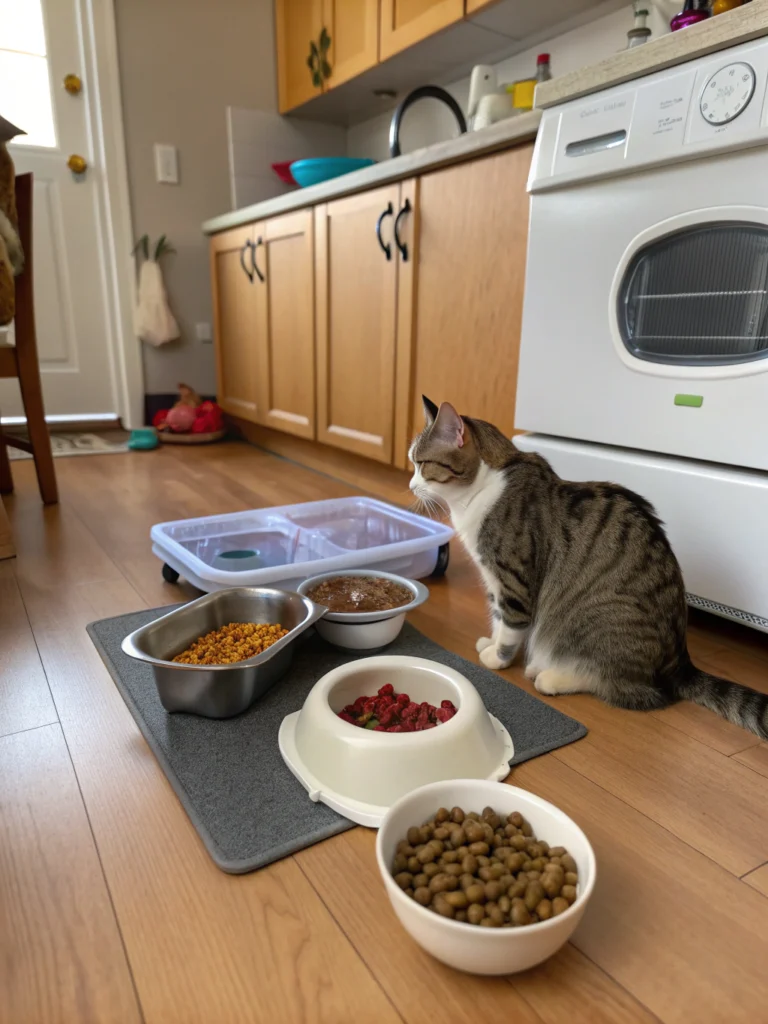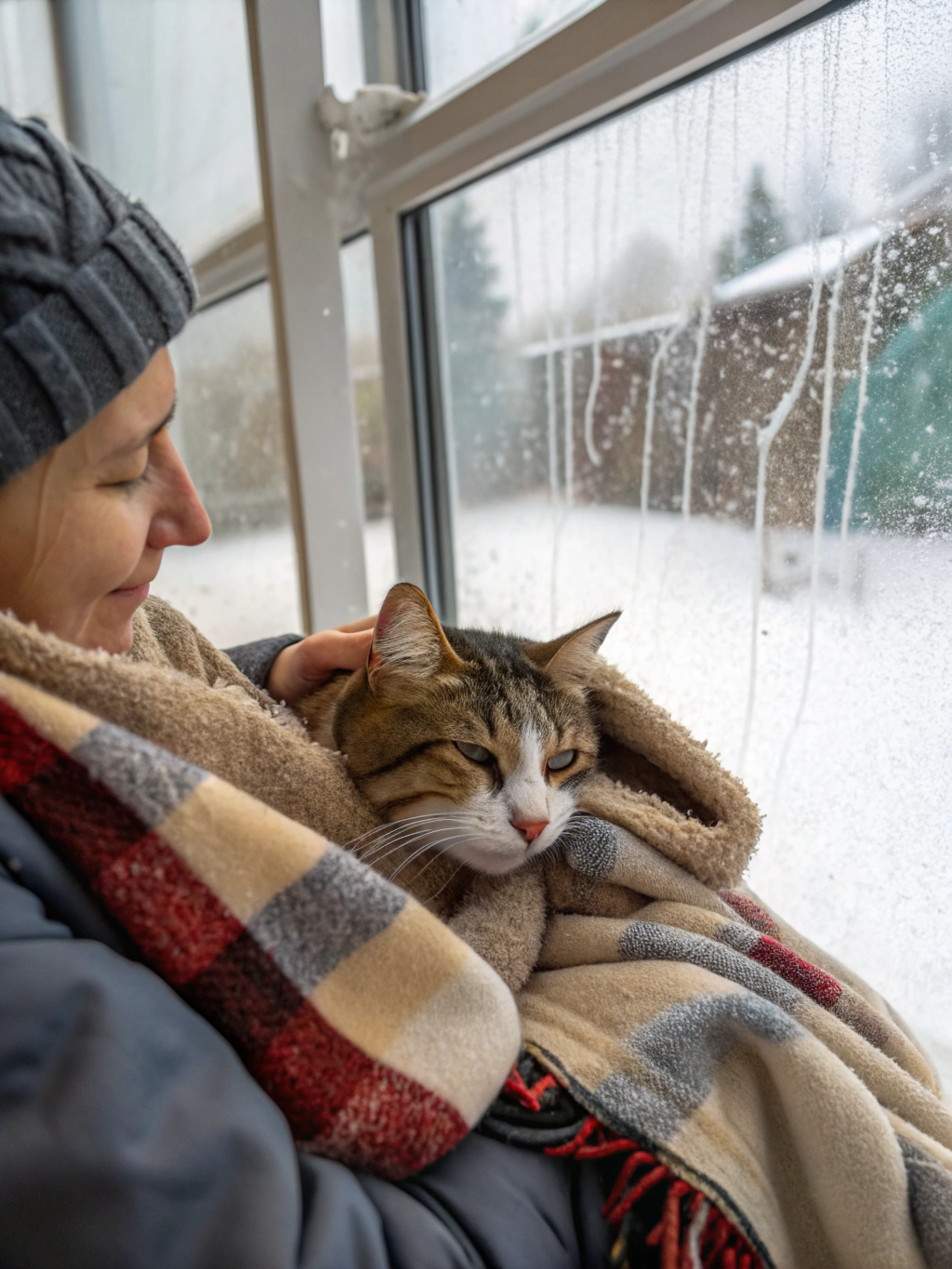
Cat Care During Cold Weather in 2026
Cat Care During Cold Weather in 2026
Table of Contents
Cat Care During Cold Weather
Introduction
Did you know that outdoor cats exposed to freezing temperatures can develop hypothermia in less than an hour? According to veterinary research, cats are surprisingly vulnerable to cold weather despite their fur coats, with temperatures below 45°F posing significant health risks. Whether you’re a seasoned cat parent or new to feline companionship, understanding cat care during cold weather is essential to protecting your beloved pet from frostbite, hypothermia, and other winter-related health complications. This comprehensive guide will walk you through everything you need to know about keeping your feline friend safe, warm, and healthy throughout the coldest months of the year.
Cat Supplies & Essentials
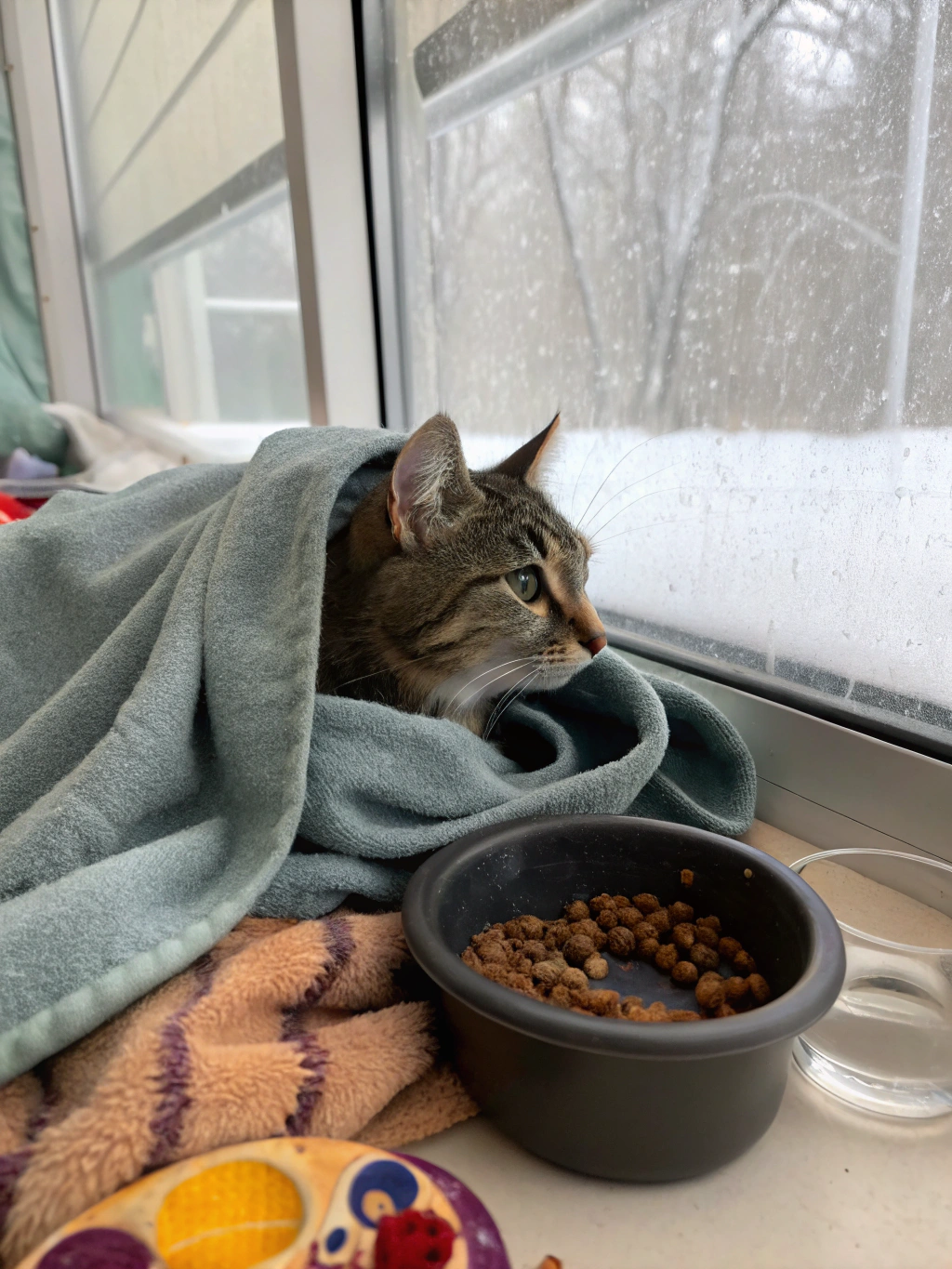
Proper winter cat care begins with having the right supplies on hand. Here’s what every cat owner should have during cold weather:
Heated Cat Beds: These self-warming or electric beds provide crucial warmth for cats during winter months. They’re particularly important for senior cats, kittens, or those with arthritis who benefit from therapeutic heat.
Insulated Cat Shelters: Essential for outdoor or feral cats, these weather-resistant structures protect against wind, rain, and snow while maintaining body heat.
High-Quality Cat Food: Cats burn more calories staying warm in winter. Premium, protein-rich food helps maintain their energy levels and body temperature.
Paw Protection Balm: Winter salt, ice, and chemicals can irritate cat paws. A pet-safe balm creates a protective barrier against these harsh elements.
Water Fountains with Heating Elements: Prevents water from freezing and encourages hydration, which cats often neglect during colder months.
Warm Blankets and Throws: Multiple soft, washable blankets throughout your home create cozy resting spots.
Interactive Indoor Toys: Feather wands, puzzle feeders, and laser pointers keep cats mentally stimulated when outdoor time is limited.
Cat Sweaters or Coats: Particularly useful for hairless breeds, elderly cats, or those with thin coats during outdoor bathroom breaks.
Grooming Tools: Regular brushing removes dead fur and stimulates oil production, improving your cat’s natural insulation.
Carrier with Thermal Lining: Essential for safe winter transport to veterinary appointments.
Timeline / Progress Expectations
Understanding realistic timelines helps cat owners prepare for seasonal transitions effectively:
Week 1-2: Begin transitioning your cat to indoor routines. Most cats adjust to spending more time inside within 10-14 days, though outdoor cats may show initial resistance.
Week 2-3: Introduce heated beds and warming stations. Cats typically begin using these consistently after 2-3 weeks of availability.
Month 1: Complete dietary adjustments by gradually increasing caloric intake by 10-15% for outdoor or partially outdoor cats. Monitor weight weekly to ensure healthy maintenance.
Throughout Winter: Maintain consistent daily routines. Cats thrive on predictability, especially during stressful seasonal changes.
Daily Routine: Check outdoor shelters twice daily, refresh water bowls every 4-6 hours, and provide at least 20 minutes of interactive play to compensate for reduced outdoor activity.
Weekly Tasks: Deep clean litter boxes, wash bedding, inspect paws for cracks or injuries, and assess body condition to ensure proper nutrition.
Monthly Assessment: Schedule weight checks and coat condition evaluations. Most cats show improved winter adaptation after 4-6 weeks of proper care.
Step-by-Step Instructions
Step 1: Create a Warm Indoor Environment
Set up multiple cozy stations throughout your home away from drafty windows and doors. Place heated beds in your cat’s favorite resting spots. Use blankets over furniture to create additional warm surfaces. Maintain indoor temperatures between 68-72°F for optimal feline comfort.
Step 2: Establish Outdoor Safety Protocols
For cats with outdoor access, limit exposure during extreme cold (below 32°F). Create a sheltered outdoor area with windbreaks and insulated flooring. Check cats for signs of cold stress after outdoor time, including shivering, lethargy, or cold ears and paws.
Step 3: Adjust Feeding Schedules
Increase meal frequency rather than portion size. Offer three smaller meals daily instead of two larger ones to help maintain energy throughout the day. Choose foods with higher fat content (within veterinary-recommended ranges) to provide additional calories for warmth.
Step 4: Maintain Hydration
Place multiple water bowls throughout your home. Use heated bowls or fountains to prevent freezing. Many cats prefer room-temperature water during winter, which encourages more frequent drinking.
Step 5: Implement Paw Care Routine
After outdoor exposure, wipe paws with a warm, damp cloth to remove ice, salt, and chemicals. Apply paw balm before outdoor trips and inspect pads weekly for cracks, redness, or irritation.
Step 6: Enhance Indoor Enrichment
Rotate toys weekly to maintain interest. Create vertical spaces with cat trees near windows for bird-watching entertainment. Use puzzle feeders to stimulate natural hunting behaviors when outdoor exploration is limited.
Health Benefits / Cat Advantages
Proper cold weather cat care delivers numerous health advantages backed by veterinary science:
Reduced Respiratory Infections: Indoor cats during peak winter months show 40% fewer upper respiratory infections compared to outdoor cats, according to feline health studies.
Improved Joint Health: Warmth therapy through heated beds reduces arthritis pain and stiffness in senior cats by up to 35%, improving mobility and quality of life.
Better Hydration: Preventing water from freezing ensures consistent fluid intake, reducing urinary tract infections and supporting kidney function—particularly important for cats over seven years old.
Enhanced Mental Wellbeing: Structured indoor enrichment reduces stress-related behaviors like excessive grooming or aggression by providing appropriate outlets for natural instincts.
Maintained Healthy Weight: Proper caloric adjustments prevent winter weight loss that can compromise immune function and cold tolerance.
Stronger Human-Animal Bond: Increased indoor time together during winter months strengthens attachment and improves socialization.
Alternative Methods & Tips
For Small Living Spaces: Create vertical warming stations using wall-mounted shelves with heating pads. Utilize door-mounted cat beds that don’t consume floor space.
Budget-Friendly Options: Fill plastic bottles with warm water and wrap in towels for DIY heating pads. Use cardboard boxes lined with blankets as insulated shelters for outdoor cats.
For Multi-Cat Households: Provide separate warming stations to prevent resource guarding. Some cats prefer shared warmth while others need individual spaces.
Climate-Specific Adjustments: In moderate climates (40-50°F), focus on draft prevention rather than active heating. In severe climates (below 20°F), limit outdoor access completely.
For Outdoor Community Cats: Coordinate with neighbors to create feeding stations with shelters. Use straw (not hay) for insulation in outdoor shelters, as it repels moisture better.
For Different Cat Personalities: Anxious cats may need covered beds for security. Active cats benefit from heated perches near windows. Senior cats need easily accessible low-entry heated beds.
Common Mistakes to Avoid
Underestimating Cold Tolerance: Cat fur provides less insulation than most owners assume. Never leave cats outdoors overnight when temperatures drop below 45°F.
Neglecting Hydration: Cats naturally drink less in winter. This mistake leads to urinary issues. Combat this by offering wet food and multiple water sources.
Over-Supplementing Food: While increased calories help, overfeeding leads to unhealthy weight gain. Adjust portions based on individual activity levels, not general recommendations.
Ignoring Paw Protection: Chemical ice melts cause serious paw pad burns. Always wipe paws after outdoor exposure and use pet-safe ice melts around your property.
Inconsistent Indoor Enrichment: Bored indoor cats develop behavioral problems. Maintain daily play sessions even when you’re tired—consistency is crucial.
Using Space Heaters Unsafely: Cats can knock over heaters or burn themselves. Always use protected heating sources and never leave cats unattended with portable heaters.
Forgetting Coat Maintenance: Matted fur loses insulating properties. Brush long-haired cats at least three times weekly during winter to prevent mats and maintain coat effectiveness.
Dismissing Behavioral Changes: Increased hiding, decreased appetite, or lethargy aren’t just “winter blues”—they may indicate hypothermia or illness requiring veterinary attention.
Storage & Maintenance Tips
Cat Food Storage: Store dry food in airtight containers in cool, dry locations. Winter humidity fluctuations can cause food to spoil faster. Purchase smaller quantities more frequently rather than bulk-buying.
Litter Box Maintenance: Cold weather means more indoor time and increased litter box usage. Scoop at least twice daily and completely change litter weekly. Keep extra litter supplies stocked as winter weather may disrupt shopping schedules.
Bedding and Blanket Care: Wash all cat bedding in hot water weekly with pet-safe, fragrance-free detergent. Maintain at least two sets of bedding per cat so one is always clean and available.
Heating Equipment: Clean heated bed surfaces weekly with pet-safe disinfectants. Inspect electrical cords monthly for chewing damage. Replace heating pads annually as safety mechanisms degrade over time.
Toy Rotation System: Store toys in labeled bins organized by type (interactive, solo play, puzzle feeders). Rotate selections every 5-7 days to maintain novelty and interest.
Paw Care Products: Store balms in temperature-stable locations. Check expiration dates monthly—many natural balms have shorter shelf lives during winter storage.
Emergency Preparedness: Maintain a winter emergency kit including three days of food, medications, battery-powered heating packs, and backup water supplies in case of power outages.
Outdoor Shelter Maintenance: Check shelters after each snowfall or storm. Replace damp bedding immediately as wet materials drain body heat. Ensure entrance flaps remain flexible in cold temperatures.
Conclusion
Protecting your feline companion during cold weather requires preparation, consistency, and attention to individual needs. By implementing these evidence-based strategies for cat care during cold weather, you’ll ensure your cat remains healthy, comfortable, and safe throughout winter’s challenges. Remember that every cat is unique—senior cats, kittens, and those with health conditions need extra vigilance and customized care approaches. Start preparing before temperatures drop, maintain daily routines, and never underestimate how quickly dangerous cold can affect your pet.
Ready to become a cold weather cat care expert? Download our free printable winter cat care checklist and share your own winter cat care tips in the comments below. Explore our related guides on indoor enrichment activities and seasonal health monitoring to give your cat the best possible care year-round.
FAQs
Q: At what temperature is it too cold for cats to be outside?
A: Most cats should not remain outside when temperatures drop below 45°F, with serious risks beginning at 32°F. Below 20°F is life-threatening. Kittens, seniors, and thin-coated cats need to come inside at higher temperatures. Always consider wind chill, not just ambient temperature.
Q: Do indoor cats need any special care during winter months?
A: Yes, even exclusively indoor cats benefit from increased enrichment to compensate for reduced natural light exposure, which can affect mood and energy levels. Maintain consistent play schedules, consider light therapy, and monitor for seasonal behavior changes that might indicate depression.
Q: How can I tell if my cat is too cold?
A: Warning signs include shivering, cold ears and paws, curling into a tight ball, lethargy, and seeking heat sources obsessively. Severe hypothermia symptoms include muscle stiffness, decreased heart rate, shallow breathing, and dilated pupils. Seek immediate veterinary care if you observe these advanced symptoms.
Q: Should I bathe my cat during winter?
A: Minimize bathing during cold months as it removes protective skin oils that help with insulation. If bathing is necessary, ensure your home is warm (above 72°F), dry your cat completely with a blow dryer on low heat, and keep them indoors for at least 24 hours afterward.
Q: Can cats get frostbite, and which areas are most vulnerable?
A: Yes, cats can develop frostbite on ear tips, tail tips, paw pads, and nose—areas with less fur coverage and reduced blood flow. Frostbite appears as pale or gray skin that may become red and swollen during rewarming. Never rub frostbitten areas; instead, apply lukewarm (not hot) compresses and seek veterinary care immediately.