Cat Care During Cold Weather best in 2026
Cat Care During Cold Weather best in 2026
Table of Contents
.. Just Use the main title / heading only
Cat Care During Cold Weather
Introduction
Did you know that cats can suffer from frostbite and hypothermia just like humans, even though they have fur coats? According to veterinary health studies, outdoor cats face significant health risks when temperatures drop below 45°F (7°C), and these risks increase dramatically as temperatures approach freezing. Understanding proper cat care during cold weather is essential for every responsible pet owner. Whether your feline friend is an indoor cat who occasionally ventures outside or a community cat you’re looking after, knowing how to protect them from winter’s harsh conditions can prevent serious health complications and ensure their comfort throughout the coldest months of the year.
Cat Supplies & Essentials
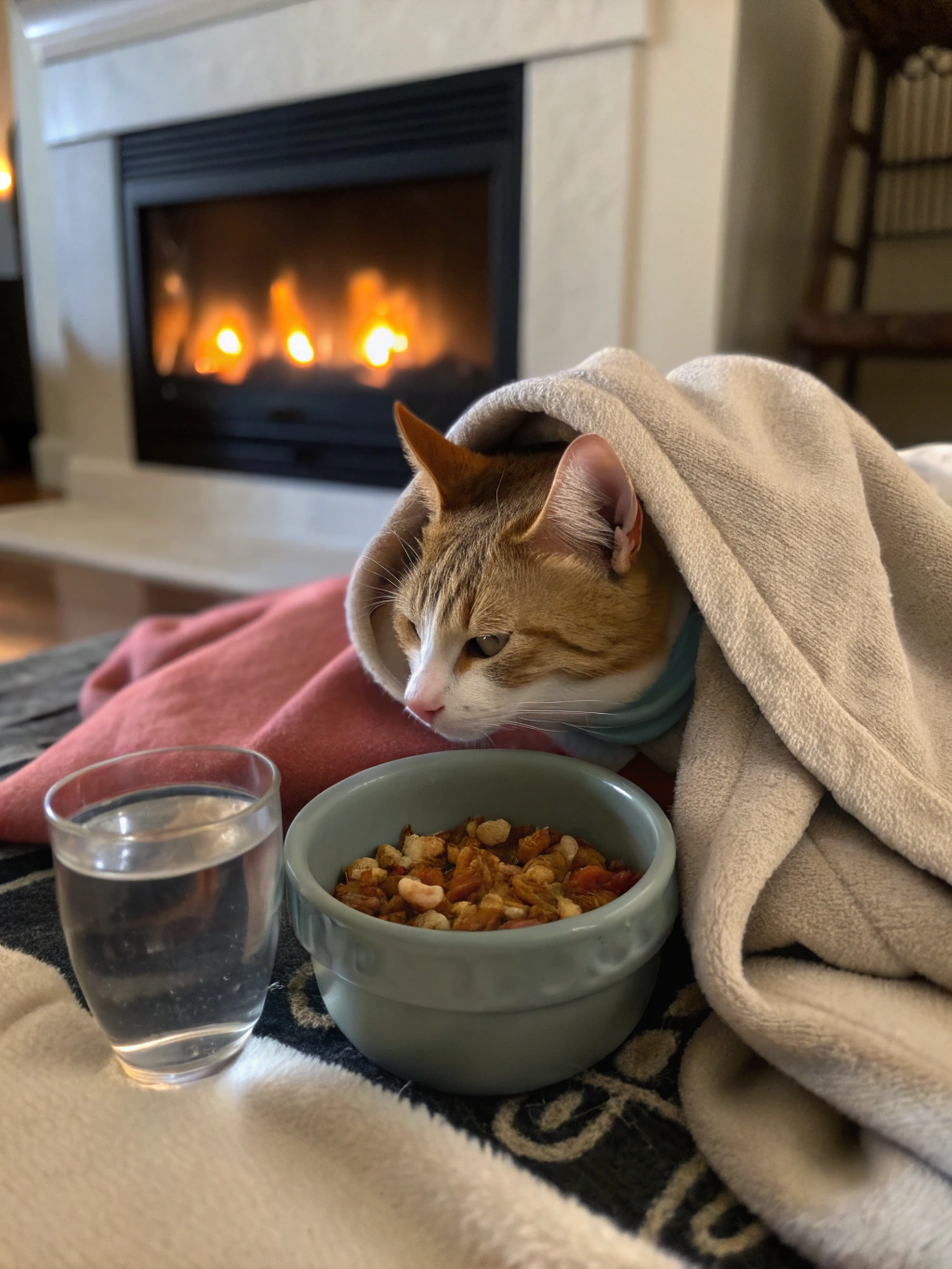
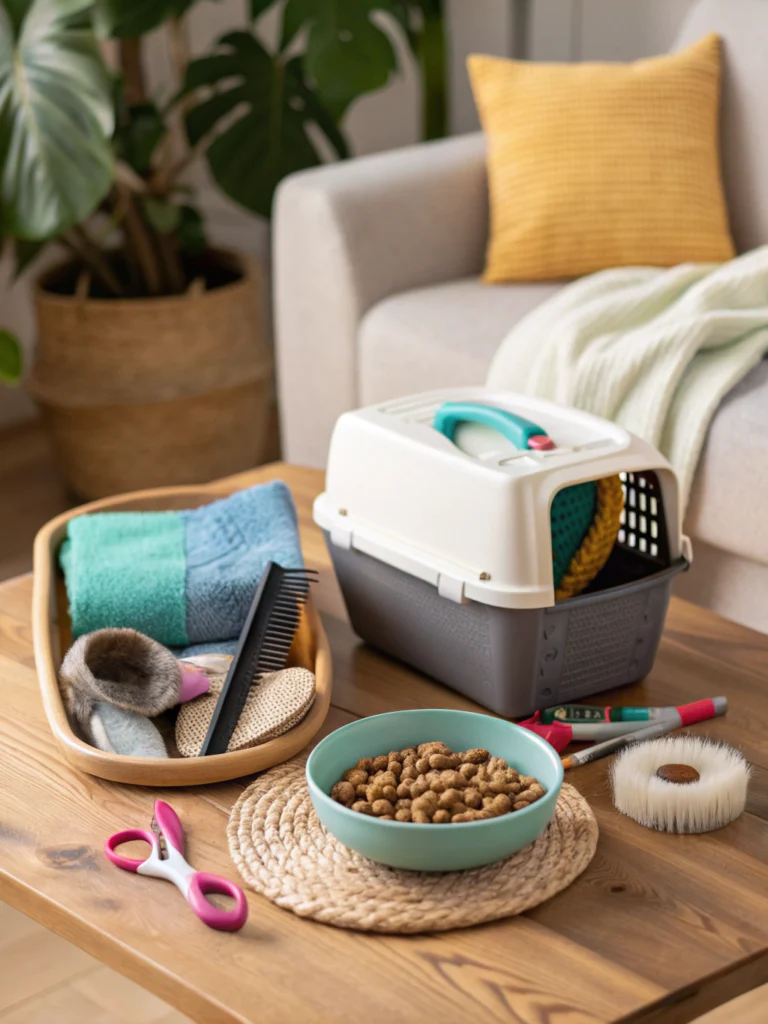
Preparing your home with the right supplies is the foundation of effective winter cat care. Here’s what you’ll need to keep your cat safe and comfortable during cold weather:
Heated Cat Beds or Thermal Blankets: These provide crucial warmth for cats during winter months. Heated beds maintain a constant, comfortable temperature and are especially beneficial for senior cats or those with arthritis. Thermal blankets offer a budget-friendly alternative that retains body heat.
Insulated Cat Shelters: Essential for outdoor or feral cats. These weatherproof structures protect against wind, rain, and snow while providing insulation. Look for shelters elevated off the ground with straw bedding (never fabric, which retains moisture).
High-Quality, Calorie-Dense Cat Food: Cats burn more calories maintaining body temperature in cold weather. Premium foods with higher fat content help them generate necessary body heat.
Fresh Water Bowls (Heated Options): Hydration remains critical in winter. Heated water bowls prevent freezing and encourage drinking, which helps prevent urinary issues common in colder months.
Humidifiers: Indoor heating can dry out the air, affecting your cat’s skin and respiratory system. A humidifier maintains healthy moisture levels.
Paw Protection Balm: Protects paw pads from ice, snow, salt, and chemical de-icers that can cause irritation or chemical burns.
Interactive Indoor Toys: Since outdoor time decreases in winter, engaging toys like puzzle feeders, laser pointers, and feather wands prevent boredom and maintain activity levels.
Grooming Tools: Regular brushing removes dead fur and stimulates oil production, improving your cat’s natural insulation. A slicker brush and metal comb work best for most coat types.
Cat Carriers with Thermal Liners: Essential for vet visits during cold weather, ensuring your cat stays warm during transport.
Timeline / Progress Expectations
Understanding the timeline for winter adaptation helps you monitor your cat’s adjustment and identify potential problems early.
Week 1-2: Initial Adjustment Phase
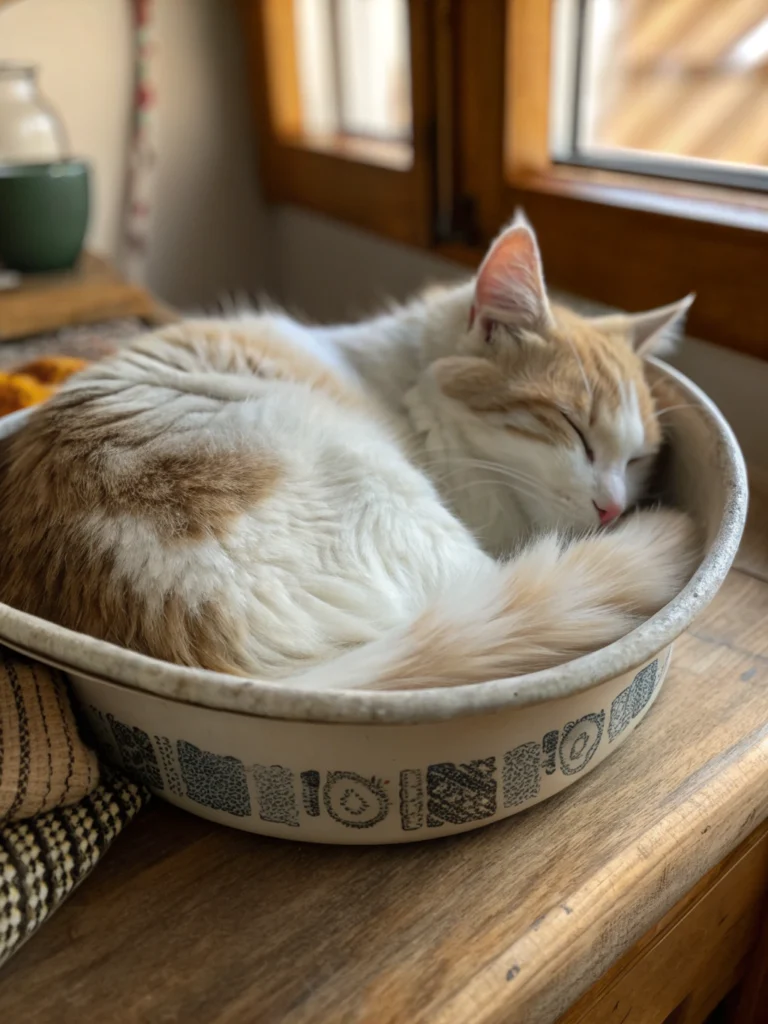
Most indoor cats will naturally seek warmer spots in your home as temperatures drop. You’ll notice increased time spent near heating vents, on sunny windowsills, or burrowed under blankets. Outdoor cats may begin requesting more indoor time.
Week 3-4: Behavioral Changes Stabilize
Cats typically show established winter patterns by this point—sleeping longer (up to 2-3 hours more daily), eating 10-15% more food, and demonstrating reluctance to go outside. These adaptations are normal and healthy.
Monthly Monitoring Throughout Winter
Check your cat’s weight monthly during winter. Slight weight gain (5-7%) is acceptable and even beneficial for outdoor cats, but excessive gain indicates overfeeding. Monitor paw pads weekly for cracks or irritation, especially if your cat ventures outside.
Daily Winter Care Routine
- Morning: Check outdoor water isn’t frozen; provide fresh, room-temperature water
- Midday: Engage in 15-20 minutes of active play to maintain exercise levels
- Evening: Brush coat to improve insulation; check paws for ice balls or irritation
- Before bed: Ensure heated beds are functioning; provide extra blankets in sleeping areas
Seasonal Preparation Timeline
Begin winter preparations in early fall (September-October), gradually introducing heated beds and increasing food portions. This gradual transition prevents stress and allows natural adaptation.
Step-by-Step Instructions for Winter Cat Protection
Step 1: Create Warm Indoor Zones
Designate multiple warm areas throughout your home where your cat can retreat. Place heated beds or thermal blankets in quiet corners away from drafts. Position at least one warm spot near a window so your cat can still enjoy watching outdoor activity without exposure to cold air. Use door draft stoppers to prevent cold air from entering rooms your cat frequents.
Step 2: Adjust Feeding Schedules and Portions
Gradually increase your cat’s food intake by 10-15% over two weeks as temperatures drop. Divide meals into smaller, more frequent portions (3-4 times daily instead of 2) to help maintain consistent energy levels. Transition to food formulas with higher protein and fat content, which provide sustained energy and help generate body heat.
Step 3: Establish an Indoor Enrichment Routine
Since outdoor time will decrease, create an engaging indoor environment. Rotate toys weekly to maintain interest. Set up window perches with views of bird feeders. Dedicate 20-30 minutes twice daily for interactive play sessions using wand toys or laser pointers to compensate for reduced outdoor exercise.
Step 4: Implement Proper Grooming Practices
Brush your cat thoroughly 3-4 times weekly during winter. This removes dead undercoat that can mat and reduce insulation effectiveness. Check for dry skin or dandruff caused by indoor heating. Apply paw balm before any outdoor excursions and wipe paws thoroughly afterward to remove ice, snow, and de-icing chemicals.
Step 5: Monitor Outdoor Time Carefully
If your cat goes outdoors, limit excursions to 15-20 minutes when temperatures are above 45°F. Never allow outdoor access when temperatures drop below 32°F or during precipitation. Always check your cat immediately upon return for signs of cold stress: shivering, lethargy, pale gums, or cold ears and paws.
Step 6: Prepare for Weather Emergencies
Keep a winter emergency kit containing extra food, water, blankets, a battery-powered heating pad, and your vet’s emergency contact information. If power outages occur, prepare a small, enclosed space with blankets and use your body heat to keep your cat warm.
Health Benefits / Cat Advantages
Proper winter care provides numerous health benefits beyond simple comfort. Maintaining appropriate body temperature prevents hypothermia, a serious condition that can cause organ failure in severe cases. Cats who stay warm experience less stress on their immune systems, making them more resistant to common winter illnesses like upper respiratory infections.
Research shows that cats receiving adequate warmth and nutrition during winter demonstrate 30% fewer arthritis flare-ups, as cold weather typically exacerbates joint pain in senior cats and those with existing conditions. Consistent indoor temperatures also support better sleep quality, which is essential for immune function and overall wellbeing.
Protection from outdoor elements prevents frostbite, which most commonly affects ear tips, tail tips, and paw pads. Even mild frostbite can cause permanent tissue damage and chronic pain. Proper paw care prevents chemical burns from de-icing salts, which can cause serious injuries requiring veterinary intervention.
Indoor enrichment during winter months prevents depression and anxiety associated with reduced outdoor stimulation. Cats receiving adequate mental and physical stimulation show 40% fewer behavioral issues like inappropriate elimination, excessive vocalization, or destructive scratching.
Adequate hydration support through heated water bowls reduces the risk of urinary crystals and blockages, which increase during winter when cats naturally drink less. Maintaining proper hydration also supports kidney function, particularly important for senior cats.
Alternative Methods & Tips
For Small Living Spaces: Maximize vertical space with cat trees placed near heat sources. Use self-warming beds that reflect body heat rather than electric options. Create cozy hideaways in closets or under furniture with folded blankets.
For Multi-Cat Households: Provide multiple warm zones to prevent competition and stress. Some cats prefer solitude when sleeping, so offer both communal and private warm spaces. Monitor food intake individually to ensure all cats receive adequate nutrition.
Budget-Friendly Solutions: Fill plastic bottles with warm (not hot) water and wrap in towels to create DIY heating pads. Use cardboard boxes lined with newspaper and straw for inexpensive outdoor shelters. Repurpose old sweaters as cat beds by sewing the neck and arm holes closed and stuffing with fabric scraps.
For Senior or Arthritic Cats: Position heated beds on the floor or provide pet stairs to elevated surfaces. Consider orthopedic heated beds that provide joint support. Consult your veterinarian about glucosamine supplements that may improve mobility during cold weather.
For Outdoor Community Cats: Set up feeding stations in sheltered areas on a consistent schedule. Provide multiple insulated shelters in safe locations. Use solar-powered heated water bowls in areas without electricity access. Partner with local animal welfare organizations for TNR (trap-neuter-return) programs that include winter shelter support.
Climate-Specific Considerations: In areas with extreme cold (below 0°F), keep cats exclusively indoors. In moderate climates (45-60°F), supervised outdoor time during warmest daylight hours is acceptable. In areas with heavy snowfall, clear pathways to outdoor shelters and eliminate any snow accumulation on shelter roofs.
Common Mistakes to Avoid
Underestimating Cold Tolerance: Many people believe cats’ fur coats provide adequate protection in all conditions. Reality: Domestic cats, especially short-haired breeds, seniors, kittens, and those with health conditions have minimal cold tolerance and can develop hypothermia quickly.
Ignoring Indoor Temperature Fluctuations: Keeping your home at 68°F might feel comfortable to you, but cats prefer 70-75°F. Solution: Provide supplemental heated beds even for indoor-only cats, especially overnight when heating systems often cycle down.
Overfeeding Without Activity Adjustment: Increasing food without maintaining exercise leads to unhealthy weight gain. Solution: Balance increased calories with dedicated play sessions to maintain healthy body condition.
Using Fabric Bedding in Outdoor Shelters: Fabric absorbs moisture from snow, rain, and condensation, making shelters dangerously cold. Solution: Use only straw bedding in outdoor shelters, replacing it monthly or when damp.
Neglecting Paw Care: Failing to protect and clean paws after outdoor exposure leads to chemical burns, cracked pads, and painful ice accumulation between toes. Solution: Apply paw balm before outings and thoroughly wipe or rinse paws immediately after return.
Bathing During Winter: Unnecessary bathing removes natural oils that provide insulation and can cause dangerous chilling. Solution: Postpone non-essential baths until warmer months; spot-clean only when necessary and ensure complete drying afterward.
Leaving Cats in Cars: Just as cars become dangerously hot in summer, they become dangerously cold in winter. Solution: Never leave cats unattended in vehicles during cold weather, even briefly.
Inconsistent Feeding Schedules: Irregular feeding prevents cats from maintaining steady energy levels needed for temperature regulation. Solution: Feed at consistent times daily, even on weekends.
Ignoring Signs of Cold Stress: Subtle signs like reduced activity, excessive sleeping, or cold ear tips often go unnoticed until serious problems develop. Solution: Perform daily health checks, feeling ears and paw pads for abnormal coldness and monitoring behavior changes.
Storage & Maintenance Tips
Cat Food Storage: Cold weather attracts rodents seeking food and shelter. Store cat food in airtight, rodent-proof containers in climate-controlled areas. Check expiration dates monthly, as you may be purchasing larger quantities less frequently. Wet food should never be left out more than 30 minutes in cold environments, as it can freeze or spoil.
Litter Box Maintenance: Winter often means reduced ventilation in homes, concentrating litter box odors. Scoop twice daily and completely change litter weekly. Position boxes away from drafty areas where cold air makes cats reluctant to use them. Consider covered boxes for outdoor feeding stations to prevent litter from freezing.
Heated Bed Cleaning: Unplug and allow to cool completely before cleaning. Most heated bed covers are machine washable; clean monthly to prevent oil and dander buildup that reduces heating efficiency. Inspect cords monthly for damage from chewing. Replace any heated beds showing wear immediately to prevent electrical hazards.
Water Bowl Sanitation: Change water twice daily minimum, washing bowls with hot, soapy water. Heated water bowls should be unplugged weekly for thorough cleaning. Check heating elements regularly for mineral buildup that reduces effectiveness.
Toy Rotation and Cleaning: Establish a weekly toy rotation schedule to maintain interest. Wash hard toys with pet-safe disinfectant weekly. Machine wash fabric toys monthly. Discard any toys showing wear that could create choking hazards.
Shelter Maintenance (Outdoor Cats): Inspect outdoor shelters weekly for damage, moisture, or contamination. Replace straw bedding monthly or immediately if damp. Clear snow from entrances and roofs after each snowfall. Check that doorways remain unobstructed and allow easy escape routes.
Grooming Tool Care: Clean brushes and combs after each use by removing hair and washing with warm, soapy water. Disinfect monthly. Replace worn brushes with bent bristles that can scratch skin.
Seasonal Deep Cleaning: Perform a thorough cleaning of all cat areas, supplies, and bedding at the beginning and end of winter. This prevents the buildup of allergens, dander, and bacteria that concentrate during months of closed windows and reduced ventilation.
Conclusion
Protecting your cat during cold weather requires preparation, awareness, and consistent daily care. By implementing proper winter supplies, maintaining warm indoor environments, adjusting feeding routines, and monitoring your cat’s health closely, you ensure their safety, comfort, and wellbeing throughout the coldest months. Remember that cats can’t advocate for themselves—recognizing signs of cold stress and taking preventive action is your responsibility as a pet owner. Start your winter preparations early, remain vigilant throughout the season, and adjust your approach based on your individual cat’s needs and responses. Share your own winter cat care experiences in the comments below, and explore our other comprehensive guides on year-round feline wellness to become the best possible caregiver for your furry companion.
FAQs
Q: What temperature is too cold for cats to be outside?
A: Most veterinarians recommend keeping cats indoors when temperatures drop below 45°F (7°C). At 32°F (0°C) and below, cats face serious risks of hypothermia and frostbite. Kittens, senior cats, and those with health conditions should remain indoors at temperatures below 60°F.
Q: Do indoor cats need special care during winter?
A: Yes, even indoor cats are affected by winter conditions. They need protection from drafts, access to warm sleeping areas, potential food adjustments if your home is kept cooler, and increased indoor enrichment to compensate for reduced window activity (fewer birds and outdoor movement to watch).
Q: How can I tell if my cat is too cold?
A: Signs of cold stress include shivering, lethargy, cold ears and paw pads, seeking heat sources constantly, decreased appetite, curling into a tight ball, and reluctance to move. Severe hypothermia symptoms include pale gums, difficulty breathing, muscle stiffness, and unresponsiveness—seek emergency veterinary care immediately if these occur.
Q: Should I put a sweater on my cat during winter?
A: Generally, healthy cats with normal coats don’t need clothing indoors. However, hairless breeds (like Sphynx), very short-haired cats, seniors, or those with health conditions may benefit from sweaters in cold homes or during necessary outdoor trips. Ensure any clothing fits properly and doesn’t restrict movement or breathing.
Q: How much more should I feed my cat in winter?
A: Indoor cats typically need no increase or only 5% more food. Outdoor or indoor-outdoor cats may need 10-15% more calories during winter to maintain body heat. Monitor body condition closely—you should still be able to feel ribs easily. Consult your veterinarian before making significant dietary changes, especially for cats with health conditions or weight concerns.