Cat Care After Moving House in 2026
Cat Care After Moving House in 2026
Table of Contents
Cat Care After Moving House
Introduction
Did you know that nearly 60% of cats experience stress-related behavioral issues during and after relocation? Moving to a new home can be one of the most stressful experiences in a cat’s life, triggering anxiety, hiding behaviors, and even physical symptoms. Understanding proper cat care after moving house is essential for helping your feline companion transition smoothly and regain their confidence. The good news? With the right preparation, patience, and approach, you can minimize stress and help your cat adjust to their new environment within just a few weeks.
Cat Supplies & Essentials
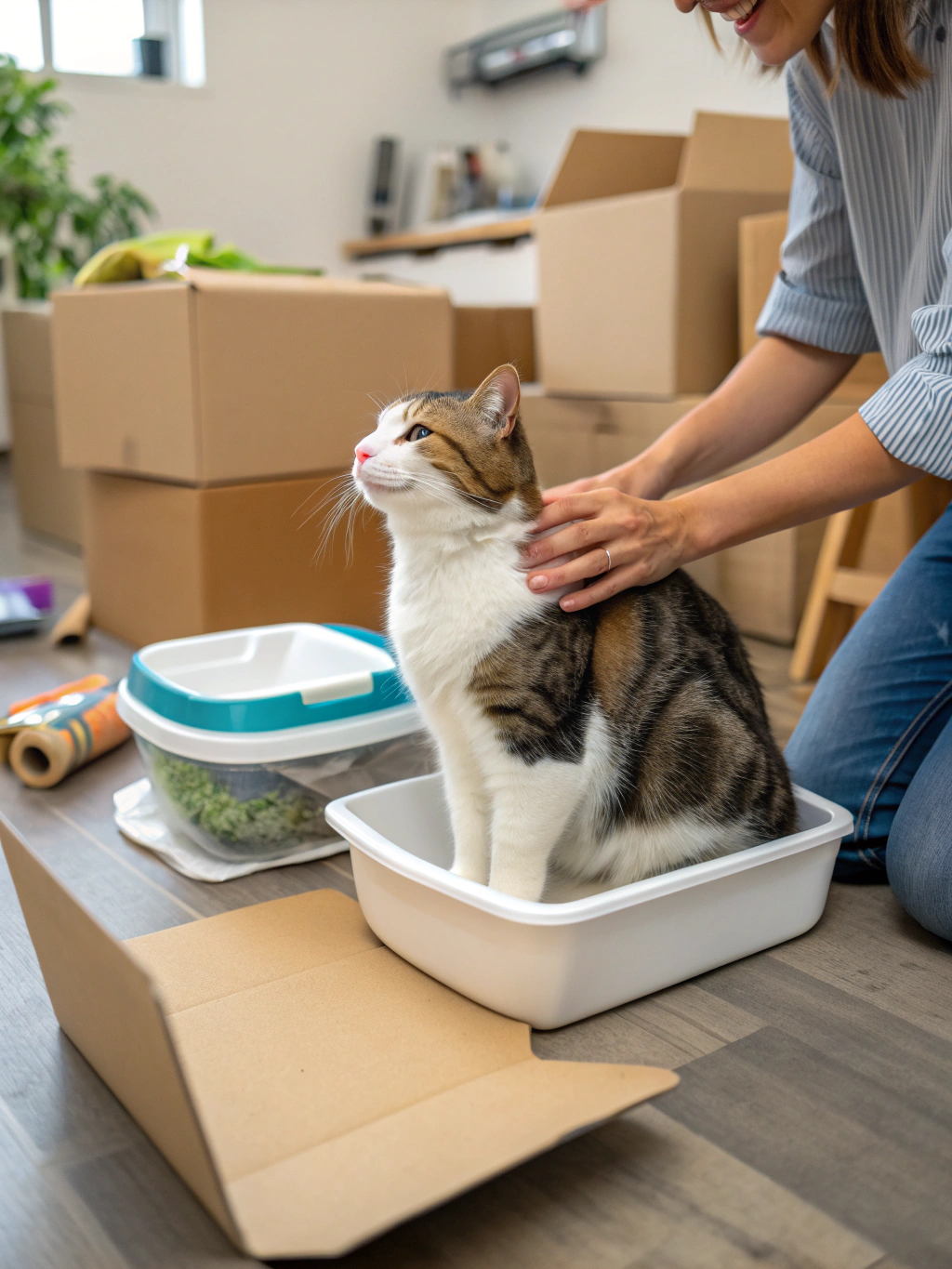
Litter Box and Supplies: Maintain consistency by using the same type of litter box and litter brand your cat is accustomed to. Have at least one litter box per cat, plus one extra. Consider self-cleaning options for convenience, but introduce them gradually after your cat has settled.
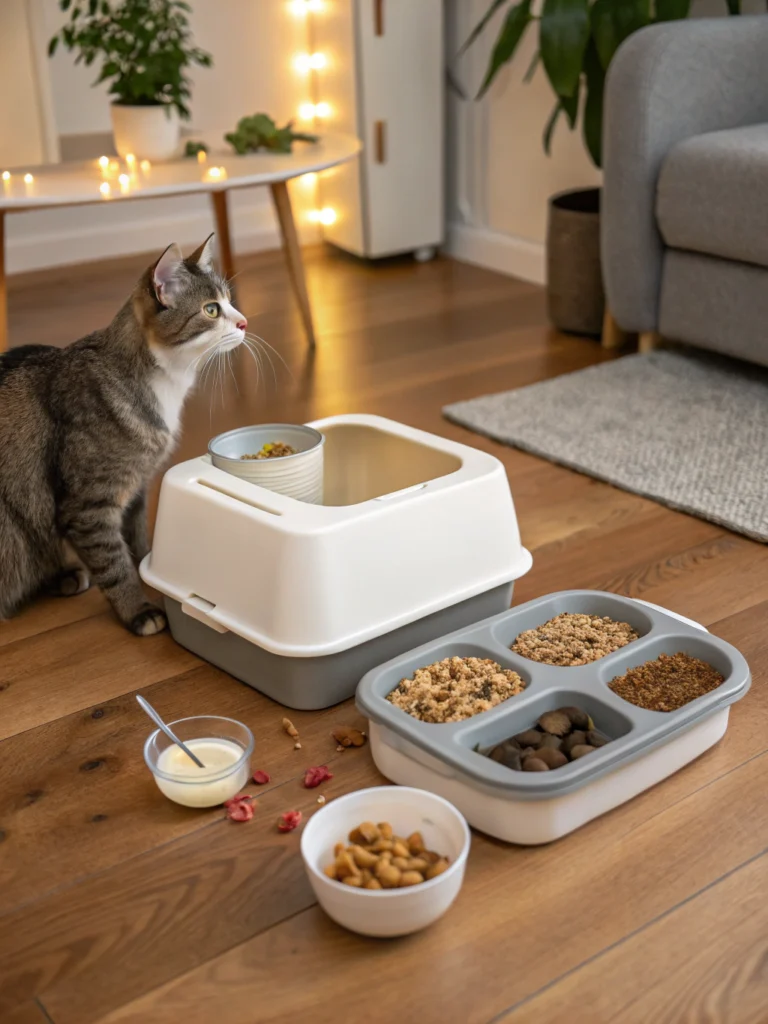
Familiar Food and Bowls: Keep your cat’s current food brand and feeding dishes to provide continuity during the transition. Stock up on at least two weeks’ worth of their regular food to avoid digestive upset from sudden changes.
Cat Carrier: A sturdy, comfortable carrier with familiar bedding is essential for safe transport. Choose one large enough for your cat to stand and turn around, with proper ventilation and secure closures.
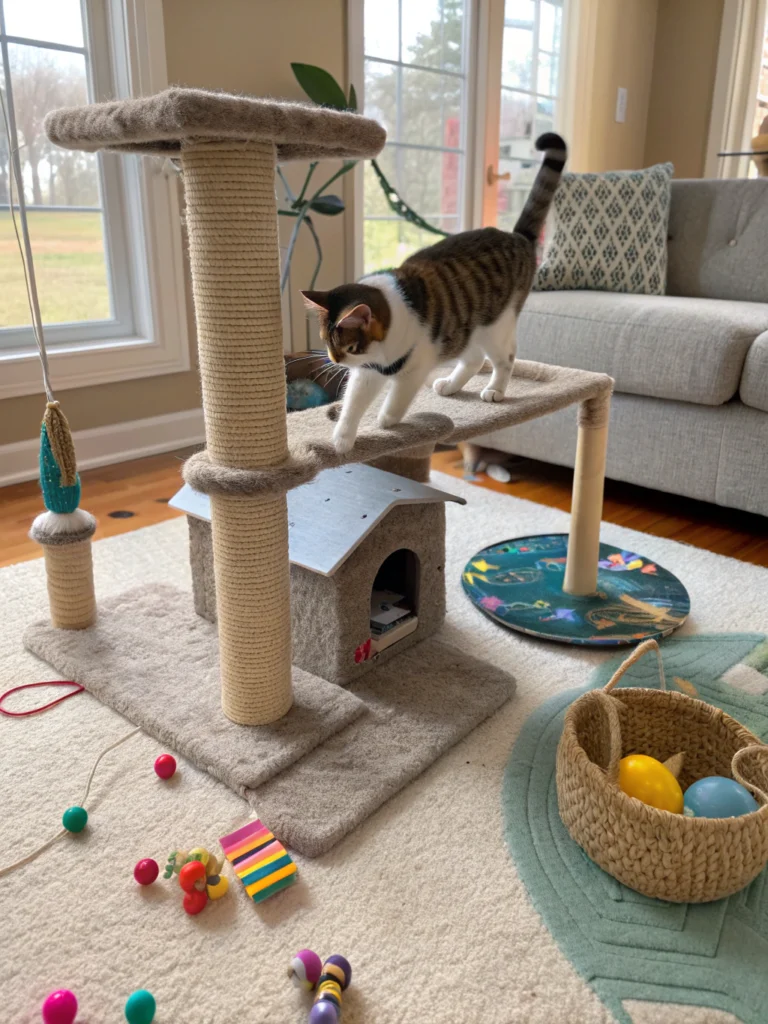
Comfort Items: Pack your cat’s favorite blankets, toys, and scratching posts. These familiar-scented items provide emotional security and help establish comfort in the new space.
Calming Aids: Consider synthetic pheromone diffusers (like Feliway) that release calming scents to reduce anxiety. Cat-safe herbal sprays and calming treats can also support relaxation.
Identification: Ensure your cat has a collar with updated contact information and consider microchipping if not already done. GPS tracking collars offer additional security during the adjustment period.
Hiding Spaces: Provide cardboard boxes, cat caves, or covered beds where your cat can retreat and feel safe while exploring their new territory gradually.
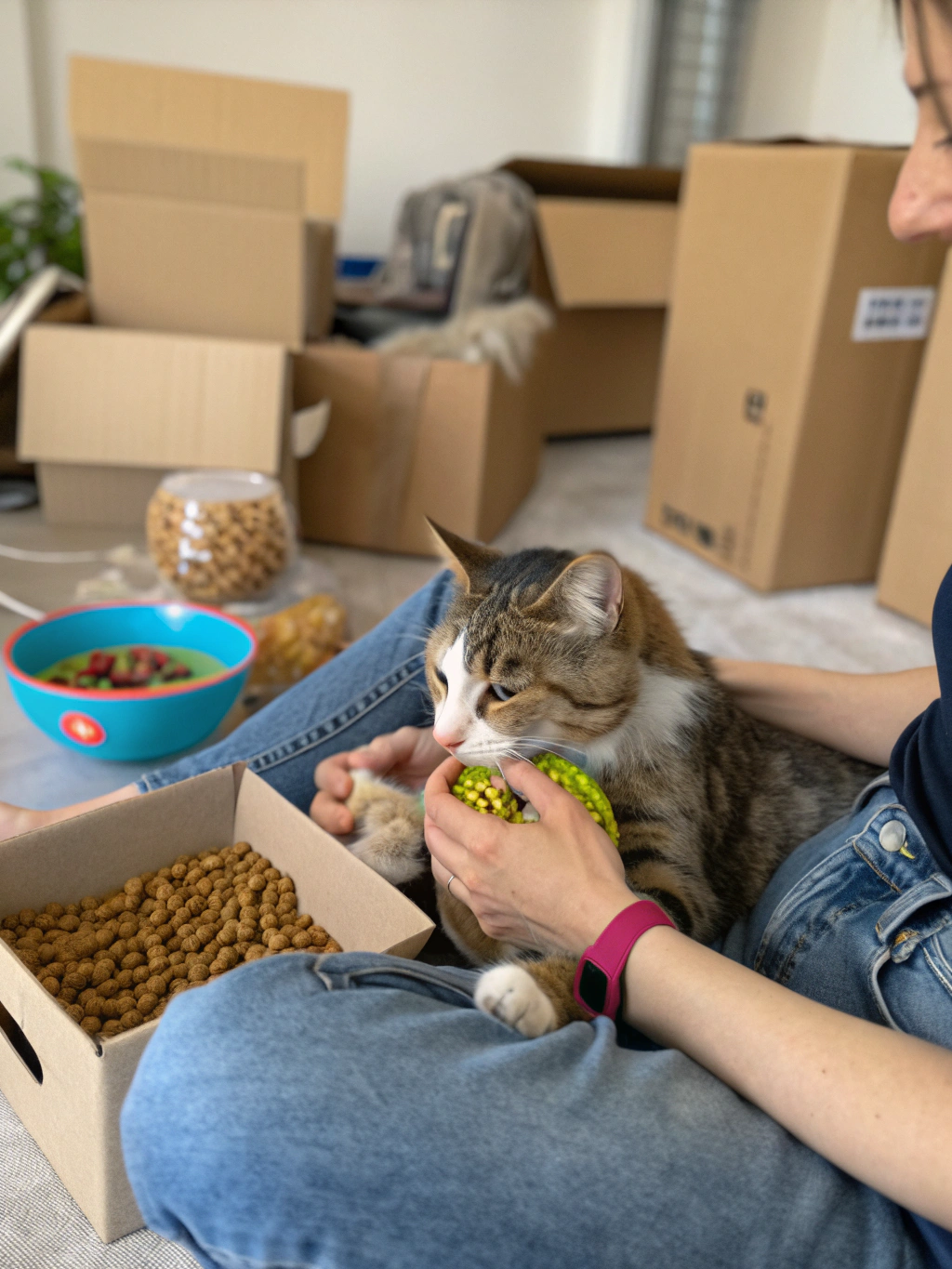
Interactive Toys: Puzzle feeders, wand toys, and treat-dispensing balls help redirect stress into positive play and mental stimulation.
Timeline / Progress Expectations
Days 1-3: Expect your cat to hide frequently, eat minimally, and show heightened anxiety. This is completely normal. Most cats will remain in their safe room, venturing out only briefly for necessities.
Week 1: Your cat should begin exploring their designated safe room more confidently. Appetite typically improves by day 4-5, and normal litter box habits should resume. Some cats may show increased vocalization or attention-seeking behavior.
Weeks 2-3: Gradual exploration of adjacent rooms begins. Most cats show improved appetite and return to 70-80% of normal activity levels. Playtime becomes more enthusiastic, and grooming routines normalize.
Weeks 4-6: Full household exploration usually occurs by week four. Your cat should display confident body language, regular eating and sleeping patterns, and resume typical personality traits. Some cats may take up to eight weeks to feel completely settled.
Long-term (2-3 months): Complete territorial adjustment and establishment of favorite spots, routines, and confidence levels matching their pre-move behavior. Senior cats or those with previous trauma may require additional time.
Step-by-Step Instructions
Step 1: Create a Safe Room Before Arrival
Set up a quiet room with all essentials—litter box, food, water, bed, and familiar items—before bringing your cat home. This designated space minimizes overwhelming stimuli and provides a secure base for gradual adjustment.
Step 2: Transport with Minimal Stress
Cover the carrier with a breathable blanket to reduce visual stimulation during transport. Drive smoothly, maintain comfortable temperature, and speak softly to your cat. Avoid opening the carrier until you’re safely in the designated safe room.
Step 3: Initial Room Introduction
Place the carrier in the safe room and open the door, allowing your cat to exit when ready. Don’t force interaction. Sit quietly nearby, reading or using your phone, so your cat can observe you without pressure.
Step 4: Establish Routine Immediately
Feed at consistent times, clean the litter box daily, and maintain your cat’s previous schedule as closely as possible. Routine provides predictability that reduces anxiety during uncertain times.
Step 5: Gradual Territory Expansion
After 3-7 days in the safe room (depending on your cat’s confidence), prop the door open to allow supervised exploration of adjacent areas. Let your cat set the pace—never force them into new spaces.
Step 6: Scent Integration
Rub a soft cloth on your cat’s cheeks (where scent glands are located) and wipe it on furniture corners throughout the house. This helps your cat recognize their own scent and claim the territory.
Step 7: Interactive Play Sessions
Engage in 10-15 minute play sessions twice daily using wand toys or laser pointers. Play builds confidence, reduces stress hormones, and creates positive associations with the new environment.
Step 8: Monitor and Document Behavior
Keep a simple journal noting eating habits, litter box use, exploration progress, and any concerning behaviors. This helps identify patterns and potential issues requiring veterinary attention.
Health Benefits / Cat Advantages
Proper care during the moving transition provides significant health advantages. Cats that successfully adjust with minimal stress show lower cortisol levels, reducing risk of stress-related conditions like feline idiopathic cystitis (bladder inflammation) and upper respiratory infections.
Mental Wellbeing: Structured adjustment periods prevent development of anxiety disorders and defensive aggression. Cats allowed to explore at their own pace develop greater confidence and territorial security, leading to better long-term behavioral health.
Physical Health: Maintaining consistent feeding schedules and familiar foods prevents digestive upset, including vomiting and diarrhea that commonly accompany stress. Studies show cats with gradual transitions maintain healthier weights and demonstrate better immune function.
Enhanced Bonding: The careful attention and patience you provide during this vulnerable period strengthens your human-cat bond, increasing trust and affection. Cats recognize and remember the support received during stressful times.
Reduced Behavioral Issues: Proper moving with cats protocols significantly decrease the likelihood of developing inappropriate elimination habits, excessive vocalization, or destructive scratching behaviors in the new home.
Alternative Methods & Tips
For Small Apartments: If space is limited, use vertical territory expansion with cat trees and wall-mounted shelves. This provides exploration opportunities without requiring large floor space.
Multi-Cat Households: Provide separate safe rooms initially, then gradually reintroduce cats using scent swapping and supervised interactions. Some cats may need to re-establish hierarchy in the new environment.
Outdoor-to-Indoor Transitions: If your move requires keeping a previously outdoor cat indoors, provide window perches with bird feeders outside, cat grass, and extensive environmental enrichment to compensate for lost outdoor stimulation.
Budget-Friendly Solutions: Cardboard boxes make excellent hiding spaces and climbing structures. DIY toys using paper bags, crumpled paper balls, or toilet paper rolls provide low-cost entertainment.
For Particularly Anxious Cats: Consult your veterinarian about short-term anti-anxiety medication for the transition period. Some cats benefit from temporary pharmaceutical support combined with behavioral strategies.
Climate Considerations: In hot climates, ensure adequate air conditioning access and multiple water stations. In cold regions, provide heated beds or thermal blankets for extra comfort during adjustment.
Common Mistakes to Avoid
Rushing the Process: Forcing your cat to explore before they’re ready increases anxiety and prolongs adjustment. Allow your cat to set the pace, even if it seems slower than expected.
Changing Food Simultaneously: Switching food brands during a move compounds stress and often causes digestive problems. Wait until your cat is fully settled (4-6 weeks) before transitioning to new food.
Inadequate Litter Box Maintenance: Stressed cats are more particular about cleanliness. Scoop at least twice daily during the transition period and provide extra boxes in multiple locations.
Overwhelming with Visitors: Avoid hosting guests or introducing new pets during the first 2-3 weeks. Your cat needs quiet time to adjust without additional stimuli or territorial challenges.
Neglecting Play and Interaction: While respecting your cat’s need for space, completely avoiding interaction can increase feelings of isolation. Offer gentle, low-pressure companionship regularly.
Ignoring Signs of Illness: Stress can manifest as physical symptoms including appetite loss lasting more than 48 hours, lethargy, or litter box avoidance. Contact your veterinarian if concerning symptoms appear.
Punishing Stress Behaviors: Never punish hiding, vocalization, or initial accidents. These are normal stress responses that will resolve with time, patience, and proper support.
Storage & Maintenance Tips
Food Storage: Keep cat food in airtight containers in cool, dry locations to maintain freshness. Label containers with purchase dates and use within manufacturer recommendations—typically 6 weeks for dry food after opening.
Litter Box Hygiene: Establish a weekly deep-cleaning routine using enzymatic cleaners that eliminate odors without harsh chemicals. Replace litter boxes annually or when they show wear, as scratches harbor bacteria.
Toy Rotation: Store half your cat’s toys and rotate them bi-weekly to maintain novelty and interest. Wash fabric toys monthly in unscented detergent and inspect for damage that could pose choking hazards.
Bedding Maintenance: Wash cat beds, blankets, and tower covers weekly during the adjustment period when stress may cause accidents or excessive shedding. Use fragrance-free detergents to avoid overwhelming your cat’s sensitive nose.
Scratching Post Care: Vacuum or brush scratching posts weekly to remove loose material and keep them appealing. Replace sisal rope or cardboard inserts when they become completely shredded.
Carrier Readiness: Keep carriers accessible with comfortable bedding inside, encouraging cats to use them as rest spots. This reduces anxiety when the carrier is needed for future vet visits or travel.
Seasonal Deep Cleaning: Conduct quarterly deep cleans of all cat areas, including behind furniture where toys and fur accumulate. Check for hazards like exposed wires, toxic plants, or small objects your cat might ingest during exploration.
Conclusion
Successfully helping your cat adjust after moving house requires patience, consistency, and understanding of feline stress responses. By providing a secure safe room, maintaining familiar routines, and allowing gradual territory expansion at your cat’s pace, you’ll minimize anxiety and support a smooth transition. Remember that every cat is unique—some bounce back within days while others need several weeks to feel completely secure. The effort you invest during this critical period pays lifelong dividends in your cat’s confidence, health, and trust in you.
FAQs
How long does it take for a cat to adjust to a new house?
Most cats require 2-6 weeks to feel comfortable in a new home, though individual timelines vary significantly. Confident cats with previous positive moving experiences may adjust within days, while anxious or senior cats might need 2-3 months. Key indicators of successful adjustment include normal eating habits, regular litter box use, exploratory behavior, and playfulness returning to pre-move levels.
Should I let my cat hide after moving?
Absolutely yes. Hiding is a natural coping mechanism that helps cats feel safe while processing overwhelming change. Provide multiple hiding options and resist the urge to force interaction. Visit your cat’s safe room regularly, speaking softly and offering treats, but allow them to emerge when ready. Most cats gradually reduce hiding behavior as confidence builds over the first week.
Can I let my cat explore the whole house immediately?
It’s best to start with one room and expand gradually. Immediate access to an entire house can be overwhelming, potentially prolonging anxiety and creating hiding spots you can’t monitor. A single safe room allows your cat to establish confidence before facing the full territory, typically resulting in faster overall adjustment than unrestricted access from day one.
What if my cat stops eating after moving?
Appetite suppression for 12-24 hours is common, but refusal to eat beyond 48 hours requires veterinary attention. Encourage eating by warming food slightly to enhance aroma, offering favorite treats, and ensuring food and water are easily accessible in the safe room. Some cats prefer eating when alone, so provide food and leave the room. If your cat won’t eat after two days, contact your vet as this can lead to serious liver problems.
Is it normal for my cat’s personality to change after moving?
Temporary personality changes are normal during adjustment. Outgoing cats may become withdrawn, while typically calm cats might show increased vocalization or attention-seeking. These changes should gradually resolve as your cat settles, typically within 4-6 weeks. If personality changes persist beyond two months or worsen over time, consult your veterinarian to rule out underlying health issues or chronic stress requiring intervention.