cat boredom solutions : Simple Ways to Keep Your Cat Entertained
cat boredom solutions : Simple Ways to Keep Your Cat Entertained
Table of Contents
Do you ever catch your feline friend staring blankly at the wall or engaging in destructive behavior? These could be telltale signs of a bored cat. Just like humans, cats need mental and physical stimulation to stay happy and healthy. cat boredom solutions aren’t just about keeping your pet entertained—they’re essential for their overall wellbeing. Indoor cats especially need enrichment activities to mimic the hunting, climbing, and exploring they would naturally do outdoors. Understanding how to keep your cat mentally engaged can prevent behavioral problems and strengthen your bond with your furry companion.
Materials & Supplies cat boredom solutions Simple Ways to Keep Your Cat Entertained

To create an engaging environment for your cat, you’ll need:
- Interactive toys: Wand toys, laser pointers, and toys that move unpredictably stimulate hunting instincts
- Puzzle feeders: Food dispensing toys that make cats work for their meals
- Scratching posts: Various textures and heights to satisfy natural scratching needs
- Cat trees or shelves: Vertical spaces for climbing and perching
- Hiding spots: Boxes, tunnels, or cat caves for exploration and security
- Catnip or silver vine: Natural stimulants that most cats enjoy
- Cardboard boxes: Inexpensive yet highly effective entertainment options
- Window perch: Provides visual stimulation through bird and squirrel watching
Timing / Engagement Schedule
Most cats benefit from at least 15-20 minutes of active play twice daily, ideally during their natural active periods at dawn and dusk. Adult cats typically sleep 15-20 hours per day, so schedule enrichment activities during their wakeful periods. Kittens and younger cats may require more frequent play sessions, while senior cats might prefer gentler but still regular engagement. Rotating toys weekly keeps them novel and interesting—what seems like a new toy to your cat is often just a forgotten favorite.
Step-by-Step Instructions
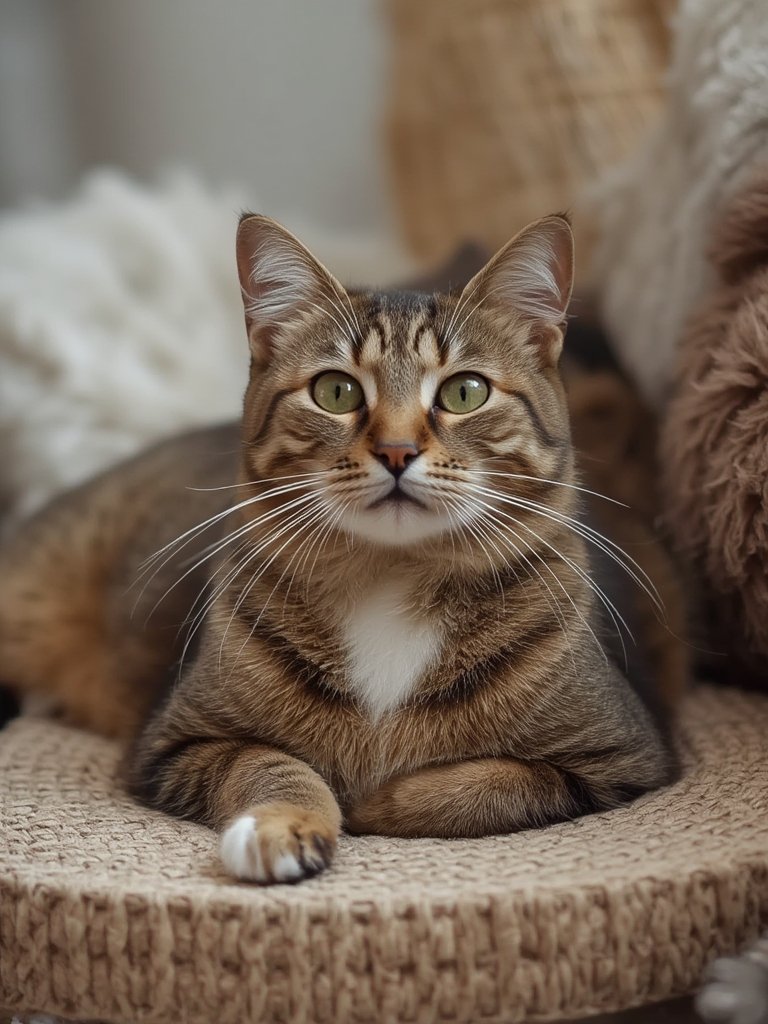
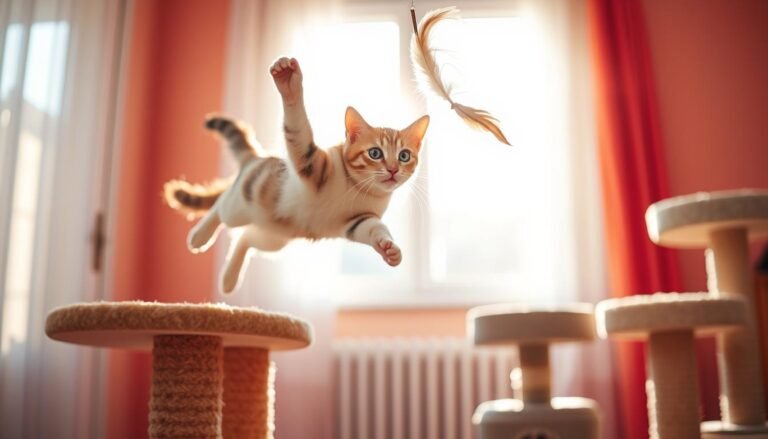
Create a stimulating environment: Place a cat tree near a window for climbing and bird-watching. Add a bird feeder outside to enhance visual stimulation.
Establish a daily play routine: Use wand toys to mimic prey movements, encouraging your cat to stalk, chase, and pounce. End sessions with a small treat to satisfy their hunting instinct completely.
Implement food enrichment: Hide small portions of dry food around your home or use puzzle feeders to make mealtime mentally stimulating.
Rotate toys regularly: Store most toys away and only leave out a few at a time, swapping them every few days to maintain novelty.
Create exploration opportunities: Set up paper bags, cardboard boxes, or tunnels to satisfy curious cats. Rearrange these items periodically to create “new” territories.
Behavioral Benefits
Regular enrichment through cat enrichment solutions can significantly reduce problematic behaviors like excessive meowing, aggression, and inappropriate elimination. Mentally stimulated cats are less likely to develop obesity, depression, and stress-related conditions. Play sessions also strengthen the human-animal bond and provide opportunities to monitor your cat’s physical health and mobility.
Tips and Alternative Methods
For working pet parents, consider automated toys that run on timers or motion sensors. Cats with different personalities respond to different types of play—some prefer chasing, while others enjoy fetching or puzzle-solving. For multi-cat households, ensure each cat has their own resources and spaces to prevent competition and stress. Clicker training is another excellent mental exercise that many cats enjoy once they understand the concept.
Common Mistakes to Avoid
- Overusing laser pointers: Always end laser play with a physical toy the cat can “catch” to prevent frustration
- Forcing interaction: Respect when your cat needs alone time; forced play can create stress
- Using hands as toys: This teaches cats that biting and scratching humans is acceptable play behavior
- Neglecting rotation: Cats lose interest in toys that are always available
- Inconsistent scheduling: Irregular play sessions can lead to attention-seeking behaviors
Maintenance Tips
Keep toys clean by washing fabric items regularly and wiping plastic toys with pet-safe disinfectant. Refresh catnip toys every few months as the potency diminishes. Regularly check toys for damaged parts that could become choking hazards. Maintain scratching posts by occasionally sprinkling with fresh catnip and removing loose material.
Conclusion
Preventing cat boredom doesn’t require expensive toys or elaborate setups—consistency, variety, and understanding your cat’s preferences are the keys to success. By implementing these simple enrichment strategies, you’ll create a stimulating environment that supports your cat’s physical health and emotional wellbeing. Remember that each cat is unique, so observe what engages your particular feline and adapt accordingly.
FAQs
How can I tell if my cat is bored?
Signs include excessive grooming, destructive behavior, increased vocalization, lethargy, overeating, or aggression toward people or other pets.
Can I enrich my cat’s life if I’m on a tight budget?
Absolutely! Homemade toys from paper bags, cardboard boxes, and toilet paper rolls can be just as engaging as store-bought options.
My cat ignores new toys. What should I do?
Try different types of toys that engage different senses. Some cats prefer toys with sounds, while others respond to movement or scent.
Is it okay to let my indoor cat outside for stimulation?
Supervised outdoor time in a secure catio or on a harness can provide enrichment, but free-roaming presents safety risks. Indoor enrichment is a safer alternative.