Cat Biting and Scratching Issues: Solutions
Cat Biting and Scratching Issues: Solutions
Table of Contents
Introduction
Did you know that nearly 70% of cat owners report experiencing some form of biting or scratching behavior from their feline companions? These Cat biting and scratching issues are among the most common concerns for pet parents, yet many don’t realize that these behaviors are often rooted in natural instincts, communication attempts, or unmet needs.
Cat Supplies & Essentials

Addressing biting and scratching behaviors requires the right tools and supplies to redirect your cat’s energy constructively:
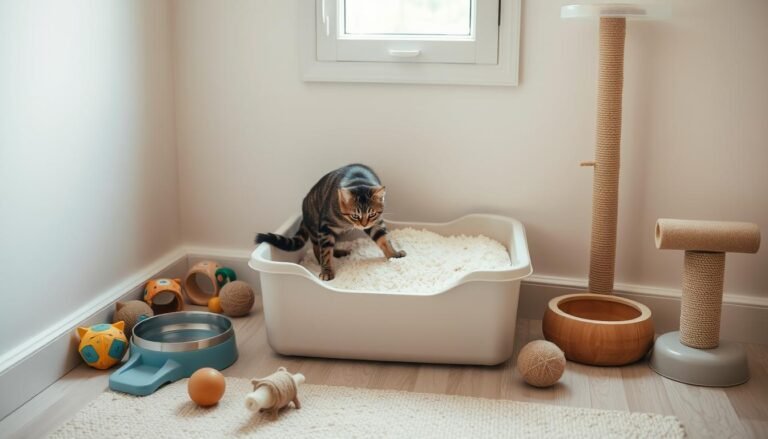
Scratching Posts and Pads: Essential for redirecting scratching away from furniture. Choose tall, sturdy posts covered in sisal rope or corrugated cardboard that can withstand vigorous scratching sessions.
Interactive Toys: Wand toys with feathers or strings help satisfy hunting instincts without involving your hands or feet. Puzzle toys provide mental stimulation that reduces frustration-driven aggression.
Catnip and Silvervine Products: These natural attractants can make scratching posts and toys more appealing, encouraging proper use and positive associations.
Cat Trees and Climbing Structures: Multi-level structures provide vertical territory, reducing stress and offering appropriate outlets for climbing and scratching behaviors.
Soft Paws or Nail Caps: Temporary vinyl caps that cover claws, reducing damage from scratching while you work on behavior modification.
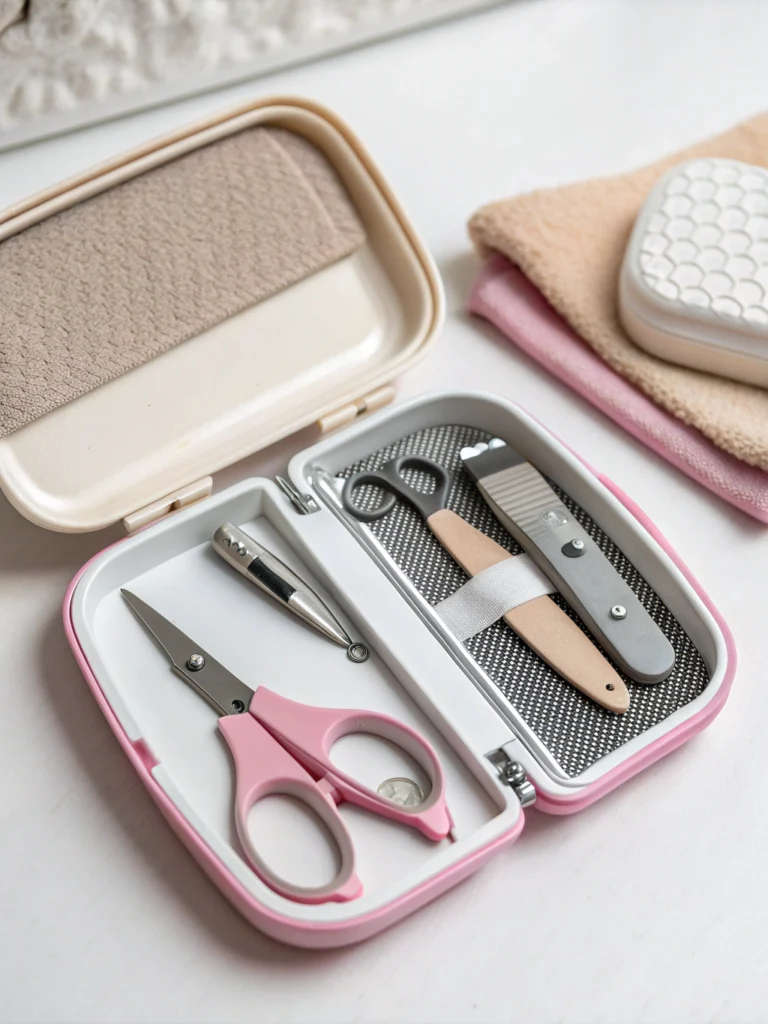
Quality Nail Clippers: Regular nail maintenance reduces the damage caused by scratching and makes interactions safer for everyone.
Calming Pheromone Diffusers: Products like Feliway can reduce stress-related aggression by creating a more secure environment.
Treat Dispensers and Food Puzzles: These redirect energy toward food-motivated activities and provide positive reinforcement opportunities.
Thick Gloves for Training: Protective wear during initial training phases helps prevent injury while you establish boundaries.
Appropriate Cat Toys for Solo Play: Kick toys, mice, and balls keep cats entertained when you’re not available, reducing attention-seeking aggressive behaviors.
Timeline / Progress Expectations
Understanding the timeline for behavioral improvements helps set realistic expectations and maintain consistency in your approach:
Week 1-2: Initial assessment and environment modification. Introduce new scratching posts and toys. Most cats begin showing interest in appropriate scratching surfaces within the first week. Focus on observing triggers for biting and scratching behaviors during this period.
Week 3-4: Active redirection training begins. You should notice a 20-30% reduction in unwanted behaviors as your cat learns acceptable outlets. Consistency in response to inappropriate behavior is critical during this phase.
Month 2-3: Significant behavioral improvements become apparent. Most cats demonstrate 50-70% reduction in problematic biting and scratching when proper techniques are applied consistently. Positive reinforcement should be strong during this consolidation phase.
Month 4-6: Long-term habit formation solidifies. The Scratching and biting cat behaviors should be largely redirected to appropriate targets. Maintenance training and environmental enrichment continue indefinitely.
Daily Routine: Spend 15-20 minutes daily in structured play sessions to burn excess energy. Inspect and reward appropriate scratching post use. Trim nails every 2-3 weeks.
Seasonal Considerations: Indoor cats may show increased energy during winter months when outdoor stimulation decreases, requiring enhanced enrichment during these periods.
Step-by-Step Instructions
Step 1: Identify Triggers and Patterns
Begin by documenting when and why biting or scratching occurs. Keep a behavior journal for one week, noting the time of day, what preceded the behavior, and your cat’s body language. Common triggers include overstimulation during petting, play aggression, fear responses, redirected aggression, or territorial behaviors. Understanding the “why” behind the behavior is essential for selecting the most effective intervention strategy.
Step 2: Never Use Hands or Feet as Toys
This foundational rule prevents your cat from associating your body parts with prey or play objects. Always use toys on strings, wands, or independent play items. If your cat attacks your hands during play, immediately stop all interaction and leave the room for 1-2 minutes. This teaches that biting or scratching results in the end of fun, not more engagement.
Step 3: Provide Appropriate Scratching Surfaces
Place scratching posts near areas where your cat already scratches inappropriately, near sleeping areas, and along pathways they frequently travel. Ensure posts are tall enough for full-body stretching (at least 32 inches for average cats). Reward your cat with treats and praise when they use appropriate surfaces. Rub catnip on posts to increase attraction.
Step 4: Implement Regular Play Sessions
Engage in two 10-15 minute structured play sessions daily, ideally before meals to mimic the hunt-catch-eat-groom-sleep cycle. Use wand toys to simulate prey movements—erratic, stopping, starting, and hiding. Allow your cat to “catch” the prey periodically to prevent frustration. End sessions with a successful catch followed by a small treat.
Step 5: Recognize and Respect Overstimulation Signals
Learn your cat’s body language indicating they’ve had enough: tail twitching, ear flattening, skin rippling, pupil dilation, or sudden stillness. Stop interaction immediately when these signs appear. Most cats can only tolerate 3-5 minutes of petting before becoming overstimulated, though this varies significantly by individual.
Step 6: Use Positive Redirection
When your cat begins to bite or scratch inappropriately, immediately redirect their attention to an appropriate toy. Keep toys readily accessible in every room for quick redirection. Praise and reward when they engage with the appropriate item instead of you.
Step 7: Establish Consistent Consequences
When biting or scratching occurs, use a consistent response: immediately disengage, say “no” in a calm but firm voice, and leave the room or stop interaction for 2-5 minutes. Never yell, hit, or spray your cat, as these create fear and can worsen aggression.
Health Benefits / Cat Advantages
Addressing biting and scratching behaviors properly offers numerous benefits for your cat’s physical and psychological wellbeing:
Stress Reduction: Providing appropriate outlets for natural behaviors reduces cortisol levels and anxiety-related aggression by up to 60%, according to feline behavior studies.
Physical Exercise: Regular play sessions that channel predatory energy improve cardiovascular health, maintain healthy weight, and promote muscle tone, reducing obesity-related health issues that affect over 50% of domestic cats.
Mental Stimulation: Puzzle toys, varied play, and environmental enrichment prevent boredom-related behavioral issues and cognitive decline, particularly important for indoor cats who lack natural environmental variety.
Nail Health: Regular scratching on appropriate surfaces naturally maintains nail length and health, removing the outer sheath and preventing overgrowth that can lead to ingrown nails or mobility issues.
Enhanced Bond: Positive training techniques strengthen the human-animal bond, creating trust and mutual understanding that improves overall quality of life for both cat and owner.
Territorial Security: Scratching deposits scent markers from paw glands, helping cats feel secure in their environment and reducing stress-related behaviors including inappropriate elimination and aggression.
Alternative Methods & Tips
For Small Living Spaces: Utilize vertical territory with wall-mounted cat shelves and compact cat trees. Choose multi-functional furniture like ottomans with built-in scratching surfaces.
For Multi-Cat Households: Provide multiple scratching posts and play resources (minimum one per cat plus one extra) to reduce competition and territorial aggression.
Budget-Friendly Options: Create DIY scratching posts using cardboard, sisal rope wrapped around sturdy posts, or corrugated cardboard scratchers that cost less than commercial options.
For Senior Cats: Choose lower, easier-to-access scratching surfaces. Adjust play intensity to accommodate reduced mobility while still providing mental stimulation.
For High-Energy Breeds: Breeds like Bengals and Abyssinians require 30-40 minutes of daily play divided into multiple sessions. Consider cat wheels or outdoor catios for additional energy outlets.
Clicker Training Method: Use positive reinforcement training with a clicker to reward gentle behavior and appropriate scratching. This technique works particularly well for intelligent, food-motivated cats.
Temporary Deterrents: Apply double-sided tape, aluminum foil, or citrus scents to areas you want to protect while training your cat to use appropriate surfaces.
Common Mistakes to Avoid
Inconsistent Responses: Allowing biting or scratching sometimes but not others confuses cats and delays behavior modification. Every family member must respond identically every time.
Using Hands for Play: This common mistake teaches cats that hands are toys, creating dangerous associations that escalate as cats mature and develop stronger bites.
Punishment-Based Training: Physical punishment, yelling, or spray bottles create fear and anxiety without addressing the underlying cause, often worsening aggressive behaviors.
Insufficient Enrichment: Expecting cats to be calm without adequate mental and physical stimulation is unrealistic. Boredom is a primary driver of destructive and aggressive behaviors.
Ignoring Pain Signals: Sudden onset of biting or scratching may indicate medical issues like dental pain, arthritis, or skin conditions. Always rule out health problems before assuming behavioral causes.
Inadequate Scratching Options: Providing only one small scratching post for an entire home won’t meet your cat’s needs. Multiple locations and surfaces (vertical, horizontal, angled) are necessary.
Rough Play Encouragement: Wrestling with kittens or encouraging aggressive play creates patterns that become problematic as cats mature and their bites become more powerful.
Neglecting Nail Maintenance: Long nails cause more damage and discomfort. Regular trimming every 2-3 weeks is essential for managing scratching impact.
Storage & Maintenance Tips
Scratching Post Care: Vacuum sisal posts weekly to remove loose fibers and debris. Replace cardboard scratchers every 2-3 months or when significantly worn. Rotate between multiple scratching surfaces to maintain interest.
Toy Rotation System: Store toys in three separate bins and rotate weekly to maintain novelty and interest. Toys left out constantly become boring and less effective for redirecting behavior.
Wand Toy Safety: Store wand toys with strings securely in closed containers when not in use. String ingestion is a serious medical emergency requiring immediate veterinary attention.
Catnip Freshness: Store catnip and silvervine in airtight containers in cool, dark places to preserve potency. Replace every 6 months for maximum effectiveness.
Cleaning Protocols: Wash soft toys monthly in fragrance-free detergent. Disinfect hard toys weekly with pet-safe cleaners. Clean scratching posts monthly with enzyme cleaner to refresh scent markers.
Nail Clipper Maintenance: Keep clippers sharp and clean. Disinfect after each use and replace annually or when they become dull, as dull blippers can splinter nails.
Environmental Reset: Deep clean areas with persistent scratching problems using enzyme cleaners that remove scent markers, then block access or apply deterrents while introducing appealing alternatives nearby.
Conclusion
Successfully managing biting and scratching behaviors requires patience, consistency, and understanding of your cat’s natural instincts. By providing appropriate outlets for these hardwired behaviors, maintaining regular enrichment routines, and responding consistently to unwanted actions, you can create a safer and more harmonious home environment. Remember that these behaviors rarely disappear overnight—most cats require 2-3 months of consistent training to establish new patterns.
FAQs
Q: Why does my cat suddenly bite me during petting sessions?
A: This behavior, called “petting-induced aggression,” occurs when cats become overstimulated. Most cats have a threshold for physical contact (typically 3-5 minutes), after which they become uncomfortable. Watch for warning signs like tail twitching, ear flattening, or skin rippling, and stop petting before your cat reaches this threshold. Shorter, more frequent petting sessions work better than extended interactions.
Q: How can I stop my kitten from biting and scratching during play?
A: Never use hands or feet as toys—this is the most critical prevention strategy. Always redirect to appropriate toys like wands with feathers or small mice. When your kitten bites, immediately stop play and leave the room for 1-2 minutes. Consistency teaches that biting ends fun activities. Ensure your kitten has multiple daily play sessions to burn excess energy constructively.
Q: My cat scratches furniture despite having scratching posts. What am I doing wrong?
A: Scratching posts must be strategically placed where your cat naturally wants to scratch—near sleeping areas, along travel routes, and by windows. Posts should be tall enough for full stretching (32+ inches), sturdy enough not to wobble, and covered in appealing materials like sisal. Try different angles (vertical, horizontal, inclined) and materials. Reward scratching post use with treats and apply temporary deterrents to furniture.
Q: Are nail caps safe, and how long do they last?
A: Nail caps (like Soft Paws) are generally safe when properly applied and are an excellent temporary solution while training. They last 4-6 weeks before naturally falling off as the nail grows. They don’t prevent scratching behavior but significantly reduce damage. Ensure caps are sized correctly and never restrict natural toe spreading. They’re ideal for households with vulnerable individuals like infants or elderly people.
Q: When should I consult a veterinarian about aggressive behaviors?
A: Seek veterinary consultation if biting or scratching appears suddenly in a previously gentle cat, seems related to touching specific body areas (indicating potential pain), occurs alongside other behavioral changes like litter box avoidance or appetite changes, or if the aggression is severe and unpredictable. Medical issues including hyperthyroidism, dental disease, arthritis, and neurological conditions can manifest as aggression. Always rule out health problems before assuming purely behavioral causes.