Cat Behavior Problems? Get the Solutions You Need
Cat Behavior Problems? Get the Solutions You Need
Table of Contents
There’s a special moment when your furry companion curls up in your lap, purring contentedly. But what happens when that peaceful scene is interrupted by unexpected actions that leave you feeling confused and frustrated?
If your feline friend has started displaying puzzling habits, you’re not alone. Many pet parents experience similar challenges with their companions. These situations can test your patience and make you question your bond.
Understanding that your pet has unique emotions and needs is the first step toward positive change. The actions you’re seeing often stem from underlying causes like stress, health issues, or environmental factors.
The good news is that most of these challenges can be resolved with the right approach. This guide will help you identify the root causes and provide practical solutions that work for your entire household.
Whether you’re dealing with a new kitten’s energetic play or an older companion’s sudden changes, you’ll find helpful advice tailored to your situation. Addressing these matters early helps prevent them from becoming long-term patterns.
Key Takeaways
- You’re not alone in facing challenges with your pet’s actions
- Understanding your feline’s emotions is crucial for effective solutions
- Most behavioral issues stem from identifiable root causes
- Early intervention prevents patterns from becoming habits
- Practical solutions exist for common household situations
- Patience and consistency lead to positive changes
- Building trust strengthens your bond with your companion
Understanding Feline Behavior and Needs
The secret to a happy household with your pet lies in recognizing their fundamental needs and natural tendencies. Your companion’s daily actions are deeply connected to their ancestral instincts.
Normal Feline Behaviors and Instincts
Your furry friend has specific requirements for physical and mental wellness. These include hunting-like eating patterns, exploration, climbing, perching, and scratching. These activities are essential for their overall health.
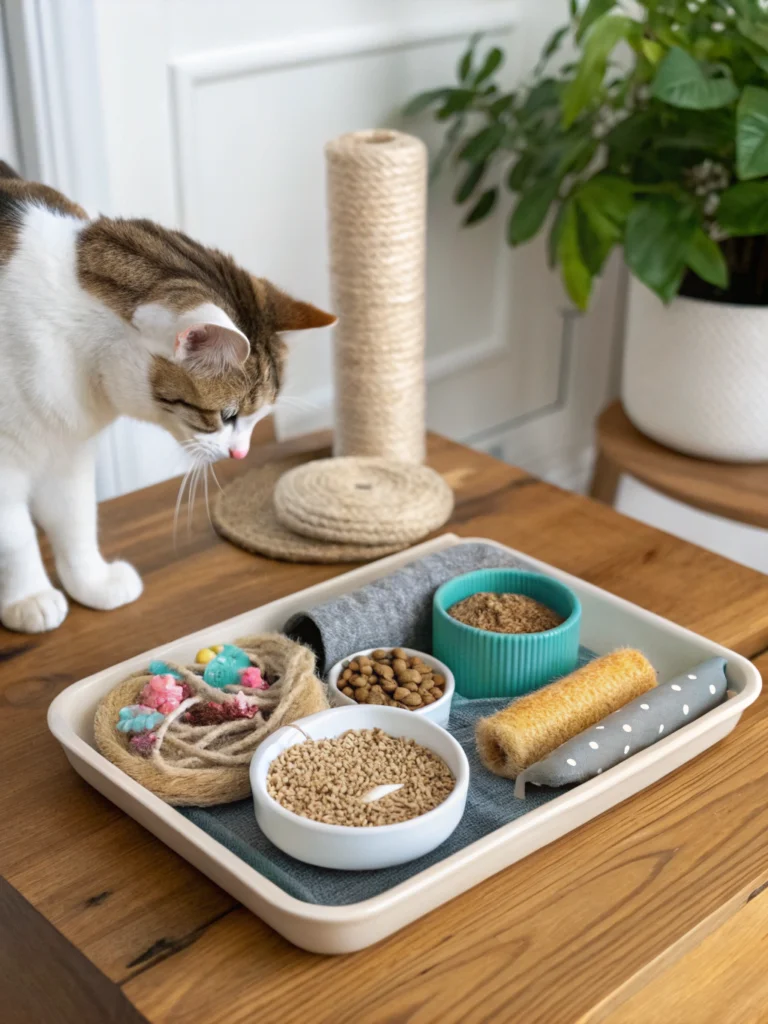
You can satisfy hunting instincts by offering meals in small portions. Puzzle toys that require manipulation work well. Interactive play sessions mimic prey chasing and pouncing.
Provide various toys for batting and chasing. Boxes to explore, climbing structures, and scratching posts give appropriate outlets. About half to three-quarters of felines respond to catnip, which can encourage positive play.
Why Cats Struggle with Change
Your companion thrives on routine and predictability. They need time to adjust to new situations in their surroundings. This could include furniture rearrangements, new people, or schedule changes.
Resistance to change isn’t stubbornness. It’s a natural response rooted in their need for security. Understanding this helps you approach challenges with patience and empathy.
Identifying the Root Causes of Cat Behavior Problems
The journey to resolving your pet’s challenging actions begins with identifying their true origins. What appears as simple misbehavior often has complex underlying triggers.
Environmental and Social Factors
Your companion’s surroundings play a crucial role in their daily conduct. When their environment lacks proper enrichment, they create their own entertainment.
Stress and anxiety from social changes can trigger unwanted actions. This includes new household members or conflicts with other pets.
Inadequate human interaction sometimes leads to attention-seeking conduct. Your furry friend might display aggression toward housemates or engage in excessive play.
When Behavior Signals Deeper Issues
Some conduct changes indicate medical conditions requiring attention. Health issues like hyperthyroidism or arthritis can manifest as unusual actions.
Always rule out physical causes before addressing conduct matters. Undesirable patterns typically need lifelong management rather than quick fixes.
Addressing the root cause proves more effective than simply stopping surface-level symptoms. This approach leads to lasting improvements in your household harmony.
Litter Box Maintenance and Its Impact on Your Cat
The right litter box arrangement prevents many household frustrations before they start. Proper setup addresses the primary reason pets face rehoming situations. Your companion’s bathroom habits depend on several key factors working together.

Choosing the Right Litter and Box
Selecting the appropriate litter type is crucial for your pet’s comfort. Many animals dislike strong perfumes or deodorizers in their bathroom area. Plain clay or clumping litter often works best for most feline friends.
The box itself matters as much as the litter inside it. Some pets prefer uncovered boxes for easy access. Others feel more secure with covered options that provide privacy.
Consider your companion’s age and physical abilities. Older animals need lower-sided boxes for comfortable entry. Kittens require smaller containers they can access easily.
Tips for a Clean and Accessible Litter Area
Cleanliness is non-negotiable for proper litter box use. Scoop waste at least once per day to maintain freshness. Remove both solid waste and urine-soaked litter completely.
Location affects whether your pet will use their designated area. Avoid noisy spots near appliances or high-traffic rooms. Choose quiet, accessible locations that offer some privacy.
If you have multiple pets, provide enough boxes in different locations. The general rule is one more box than the number of animals. This prevents territorial issues and ensures everyone has options.
Aggression and Anxiety: Recognizing Warning Signs
Sometimes your feline friend’s actions can be confusing, especially when they seem upset or defensive. Learning to identify the subtle cues of distress helps you address issues before they escalate. Early recognition of warning signs makes your home more peaceful.
Understanding Aggressive Behaviors and Triggers
Aggression in cats often starts with small signs. Your pet might flatten their ears or twitch their tail. They may stare intently before any physical contact occurs.
Different situations trigger various types of aggression. Territorial disputes happen when another animal enters their space. Fear-based reactions occur with sudden loud noises. Redirected aggression happens when they can’t reach what’s bothering them.
Playful actions can turn intense. Stalking and pouncing are normal during cat play. But when biting becomes hard or scratching draws blood, it needs attention.
Identifying Signs of Anxiety and Stress
Anxiety shows in subtle ways. Your companion might groom themselves excessively. They could hide more often or avoid their favorite spots.
Changes in routine signal stress. Look for reduced appetite or litter box avoidance. Increased vocalization, especially at night, may mean they need reassurance.
Chronic pain often causes anxiety. Conditions like arthritis make touch painful. Your pet might hiss or scratch when you touch sore areas.
| Warning Sign | Possible Cause | Action to Take |
|---|---|---|
| Flattened ears, dilated pupils | Fear or territorial aggression | Give space, remove trigger |
| Excessive grooming, hiding | Chronic stress or anxiety | Create safe spaces, reduce changes |
| Hissing when touched | Pain or discomfort | Veterinary check-up needed |
| Intense stalking, hard biting | Overstimulated play aggression | Redirect to appropriate toys |
Watch for combinations of these signs. Multiple symptoms often indicate deeper issues. Consult your veterinarian if patterns persist despite your efforts. They can rule out medical causes and suggest tailored solutions.
Diagnosing Medical Versus Behavioral Issues
The first step in addressing unusual pet conduct is distinguishing between underlying health issues and behavioral responses. Many pet owners assume their companion’s actions are purely learned when medical conditions could be the real cause.
When to Seek Veterinary Advice
Always consult your veterinarian when sudden changes occur in your pet’s elimination habits. Urinary tract infections, kidney disease, and diabetes can mimic behavioral issues. These conditions often cause pain or discomfort during elimination.
Your veterinarian will perform a complete physical examination and urinalysis. Additional tests like blood work or x-rays may be needed. Medical causes must be ruled out before addressing behavioral components.
Integrating Behavioral History with Medical Evaluation
Provide your veterinarian with a detailed history of your pet’s actions. Note when the issue began and any environmental changes. This information helps create a complete picture.
Even after medical resolution, your companion may continue avoiding the litter box. This requires behavioral therapy to re-establish proper habits. A qualified animal behaviorist can provide tailored solutions.
| Medical Indicators | Behavioral Indicators | Recommended Action |
|---|---|---|
| Sudden onset of symptoms | Gradual pattern development | Veterinary exam first |
| Pain during elimination | Preference for specific surfaces | Medical then behavioral |
| Increased frequency | Location-specific issues | Rule out medical causes |
| Blood in urine/stool | Response to environmental stress | Immediate vet visit |
Effective Behavior-Modification Techniques for Cats
Transforming your pet’s actions starts with understanding how they learn. Positive methods build trust and encourage cooperation.

Your feline friend responds best to encouragement. They want to repeat actions that bring pleasant results.
Positive Reinforcement and Clicker Training
Reward your companion immediately when they do something you like. Use small treats, gentle praise, or a favorite toy. This approach makes learning fun for both of you.
Clicker training works well because it marks the exact moment of success. The sharp sound is clear and consistent. Your pet quickly connects the click with earning a reward.
Always avoid scolding or punishment. These methods damage your bond and only work when you are watching.
Creating a Reward System That Works
Start with short, fun sessions. Keep training under five minutes to maintain interest. Offer high-value rewards your pet loves.
Teach an alternative action to replace unwanted habits. If they scratch furniture, redirect them to a scratching post. Reward them for using the correct spot.
Consistency is crucial. Everyone in your home should use the same commands and rewards. A leash can help guide your pet safely during learning.
Patience and positive reinforcement create lasting change. Celebrate small victories as your companion learns new skills.
Adjusting Your Home Environment for Feline Success
Your home setup plays a crucial role in your feline companion’s daily comfort and conduct. Strategic environmental changes can prevent many common household challenges before they even start.
Creating spaces that meet your pet’s natural instincts leads to happier coexistence. Simple adjustments make a significant difference in your furry friend’s quality of life.
Optimizing Litter Box Location and Accessibility
Proper placement of the litter area is essential for consistent use. Choose quiet, low-traffic locations away from noisy appliances.
Ensure each box is easily accessible throughout your house. Multiple boxes in different areas prevent territorial issues.
Enhancing Enrichment and Reducing Stress
Environmental enrichment keeps your companion mentally stimulated and content. Provide vertical spaces like cat trees and window perches.
Rotating toys and puzzle feeders prevent boredom. Create multiple escape routes to reduce stress in multi-pet households.
| Environmental Adjustment | Purpose | Expected Benefit |
|---|---|---|
| Quiet litter box locations | Privacy and comfort | Consistent bathroom habits |
| Vertical climbing spaces | Exercise and territory | Reduced furniture scratching |
| Multiple resource stations | Peaceful coexistence | Less competition between pets |
| Designated safe rooms | Stress reduction | Improved adjustment periods |
Thoughtful environmental planning creates a harmonious living space for everyone. Small changes yield big improvements in your household dynamics.
How-To Guide: Practical Solutions for Cat Behavior Problems
You don’t need complex methods to see improvement in your companion’s habits. Many situations respond well to straightforward adjustments you can implement immediately. These initial steps often resolve issues before they become entrenched patterns.
Simple Initial Changes You Can Make Today
Start by reviewing recent changes to your pet’s environment. Did you switch litter types or move the box location? Reverting to previous arrangements often solves the issue quickly.
Ensure you have enough boxes available. The general rule is one more box than the number of pets in your home. Place them in different locations for easy access.
Cleanliness matters greatly. Scoop waste daily and do a complete litter change weekly. Many pets avoid dirty boxes, making this a simple fix.
Advanced Strategies for Persistent Issues
If basic changes don’t work within two weeks, try preference testing. Offer different litter types and box styles simultaneously. This helps identify your companion’s preferences.
Consider environmental stressors. New routines, household members, or outdoor animals can cause anxiety. Address these factors to reduce stress-related issues.
For ongoing challenges, consult a certified animal behaviorist. They provide personalized plans that may include environmental modifications and specialized training techniques.
Conclusion
Creating harmony in your home starts with recognizing that your furry friend’s actions often communicate unmet needs. Your patience and consistency in addressing these challenges will strengthen your bond significantly.
Most behavior problems have clear root causes like medical issues or environmental stress. Start with simple solutions like clean litter boxes and proper enrichment. Addressing the underlying cause works better than just stopping unwanted actions.
If basic approaches don’t help, seek professional guidance from your veterinarian. With the right strategy, you can prevent serious issues like litter box avoidance. Your dedication creates a happy home where both you and your feline companion thrive together.
FAQ
Why does my pet suddenly avoid the litter box?
Your furry friend might be avoiding the litter box due to stress, an unclean area, or an underlying medical issue. It’s a common sign that something is wrong.
What can I do if my feline shows aggression toward people?
First, try to identify any triggers, like loud noises or sudden movements. Then, give your pet space and consult a professional for personalized advice.
How can I tell if my pet is anxious or stressed?
Look for changes in habits, like hiding more often, excessive grooming, or loss of appetite. These can be key indicators that your companion isn’t feeling their best.
Are there simple changes I can make to improve my pet’s environment?
Absolutely! Providing vertical spaces, like cat trees, and ensuring quiet, safe zones can greatly reduce stress and promote positive behaviors.
When should I seek help from a veterinarian?
It’s best to schedule a visit if you notice sudden changes in habits, especially those involving the litter area, as these can signal health problems.
What type of litter and box should I use?
Many pets prefer unscented, clumping litter and a large, uncovered box. Experimenting with different types can help you find your pet’s favorite.
How does play help with behavior issues?
A> Regular, interactive play sessions can relieve boredom and reduce aggression. They provide a healthy outlet for your pet’s natural instincts.