Proven way to grow calm cats with 7 cat calming techniques
Proven way to grow calm cats with 7 cat calming techniques
Table of Contents
Proven Way to Grow Calm Cats with 7 Cat Calming Techniques
Introduction
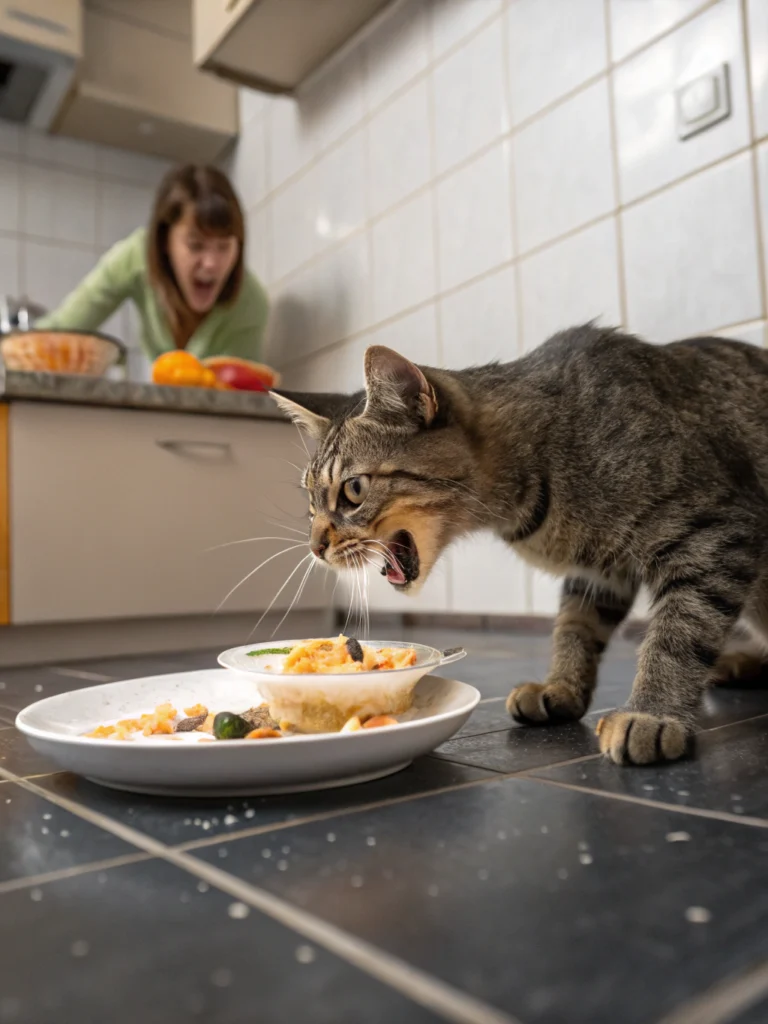
Did you know that nearly 70% of cats experience stress-related behavioral issues at some point in their lives? Whether it’s moving to a new home, introducing a new pet, or even rearranging furniture, our feline companions are highly sensitive to environmental changes. The good news? With the right cat calming techniques, you can transform your anxious feline into a serene, well-adjusted companion. Understanding how to soothe stressed cats isn’t just about comfort—it’s essential for their physical health, emotional wellbeing, and your household harmony.
Cat Supplies & Essentials
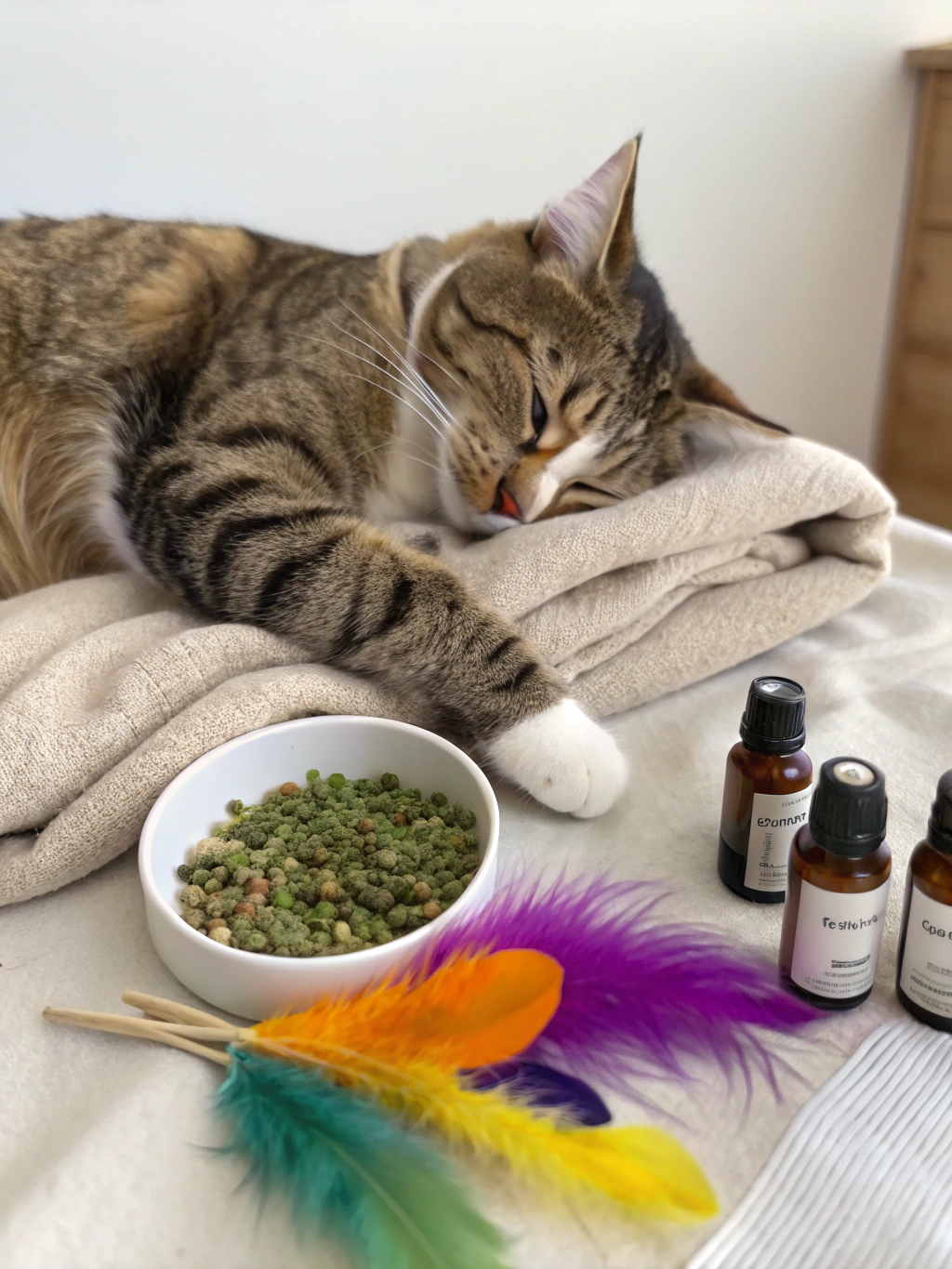
Creating a calming environment starts with having the right supplies on hand. Here’s what you’ll need to establish a stress-free sanctuary for your feline friend:
Essential Items:
Feline pheromone diffuser: Mimics natural calming pheromones that signal safety and security to cats, reducing anxiety by up to 90% in clinical studies.
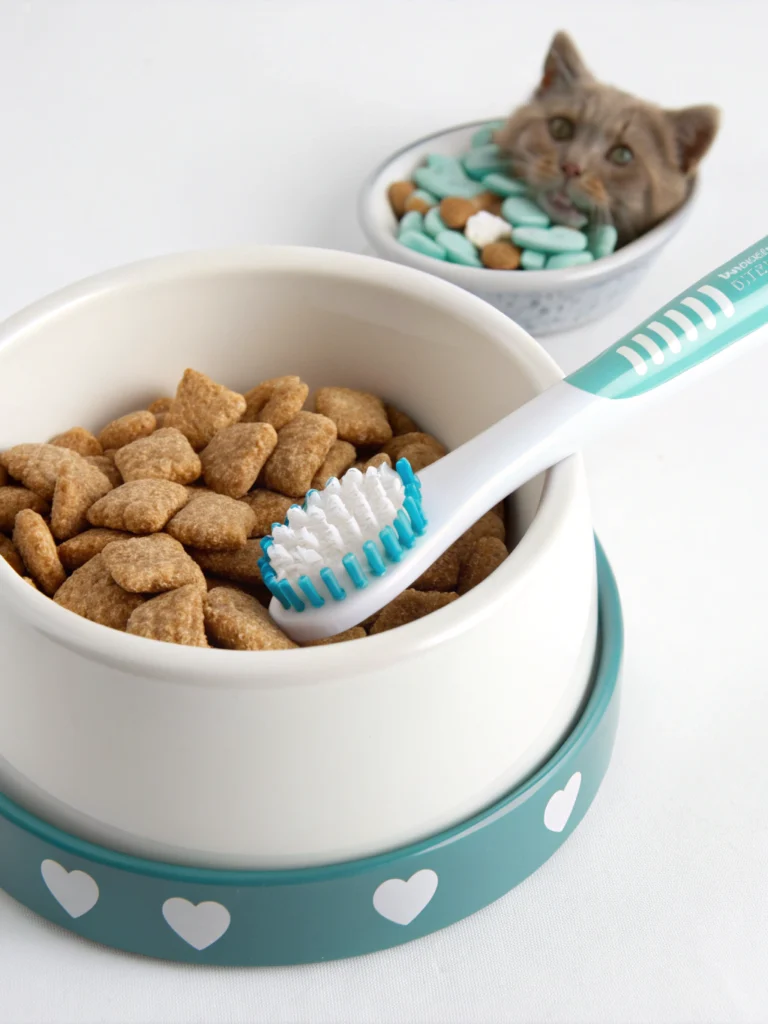
High-quality cat food: Premium nutrition with balanced omega-3 fatty acids supports brain health and stress regulation.
Multiple litter boxes: Follow the “n+1” rule (one box per cat, plus one extra) to prevent territorial stress.
Vertical spaces: Cat trees, wall shelves, or window perches give cats control over their environment and escape routes.
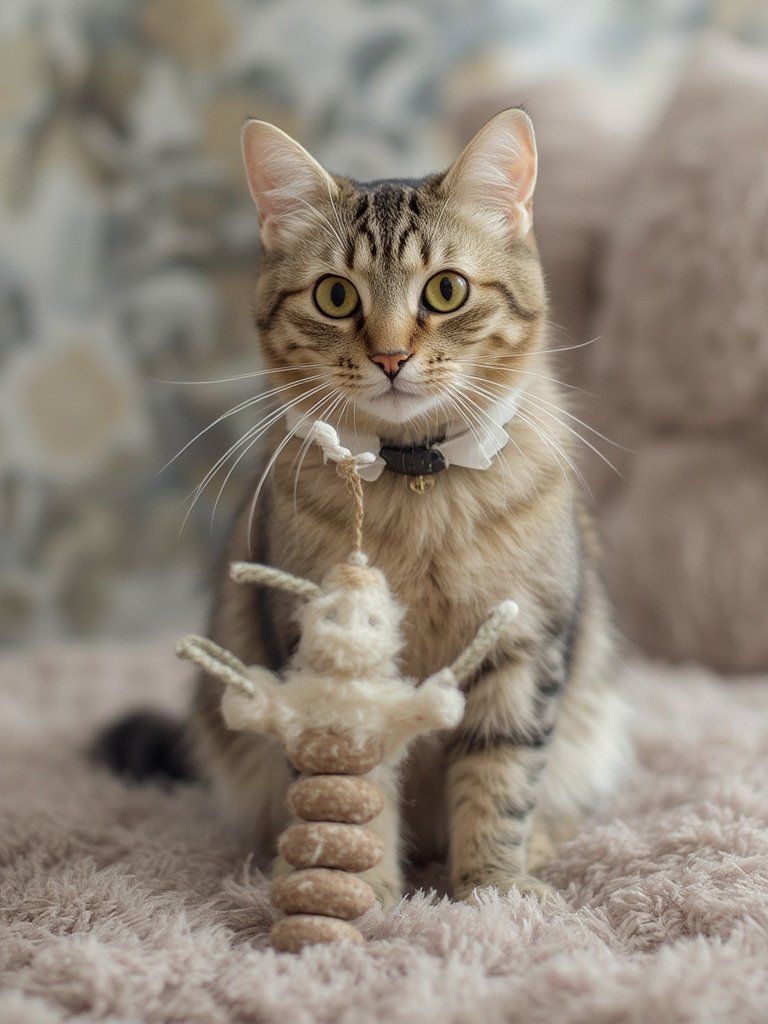
Interactive toys: Puzzle feeders, wand toys, and treat-dispensing balls provide mental stimulation and stress relief.
Hiding spots: Covered beds, cardboard boxes, or cat tunnels offer safe retreat spaces during overwhelming moments.
Scratching posts: Essential for stress release through natural scratching behavior; place near resting areas.
Calming music or white noise machine: Studies show that species-specific music can reduce feline cortisol levels.
Optional but Beneficial:
- Cat grass or catnip for natural anxiety relief
- Slow-feeder bowls to reduce food-related stress
- Grooming tools for bonding and tension release
- Calming collars infused with natural herbs
- Water fountains to encourage hydration during stress
Each item serves a specific purpose in creating a multi-sensory calming environment that addresses your cat’s instinctual needs for safety, territory, and predictability.
Timeline / Progress Expectations
Understanding realistic timelines helps prevent frustration and ensures you stay committed to the calming process:
Days 1-3: Initial Setup
Introduce calming products gradually. Plug in pheromone diffusers 24 hours before behavioral interventions. Most cats notice environmental changes immediately but need time to process them.
Week 1: Adjustment Period
Expect cautious exploration of new items. Anxiety symptoms may persist but should show 10-15% improvement. Maintain consistent routines during this critical foundation phase.
Weeks 2-3: Noticeable Improvement
Most cats display measurably reduced stress behaviors—decreased hiding, improved appetite, more play engagement. Pheromone therapy typically reaches peak effectiveness during this window.
Weeks 4-6: Behavioral Consolidation
Calming techniques become part of your cat’s routine. Expect 60-70% reduction in stress indicators. Continue reinforcing positive associations with calming activities.
Months 2-3: Long-term Stability
Cats develop resilient coping mechanisms. Maintain environmental consistency and continue proven techniques. Some cats achieve complete stress resolution; others require ongoing management.
Seasonal Considerations:
Holiday seasons, summer thunderstorms, or winter confinement may trigger temporary setbacks. Anticipate these challenges and intensify calming protocols 2-3 weeks in advance.
Step-by-Step Instructions
Step 1: Create Safe Spaces Throughout Your Home
Designate at least three quiet zones where your cat can retreat without interruption. Place a comfortable bed, familiar-scented blanket, and a hiding option in each area. Position these spaces away from high-traffic areas, loud appliances, and windows with outdoor cat visibility. Ensure each zone has dim lighting options and remains accessible 24/7.
Step 2: Implement Pheromone Therapy
Install diffusers in rooms where your cat spends the most time—typically bedrooms, main living areas, and near feeding stations. Replace refills every 30 days for continuous effectiveness. For multi-cat households, use one diffuser per 700 square feet. Combine with pheromone sprays on new furniture, carriers, or recently cleaned areas to maximize calming signals.
Step 3: Establish Predictable Daily Routines
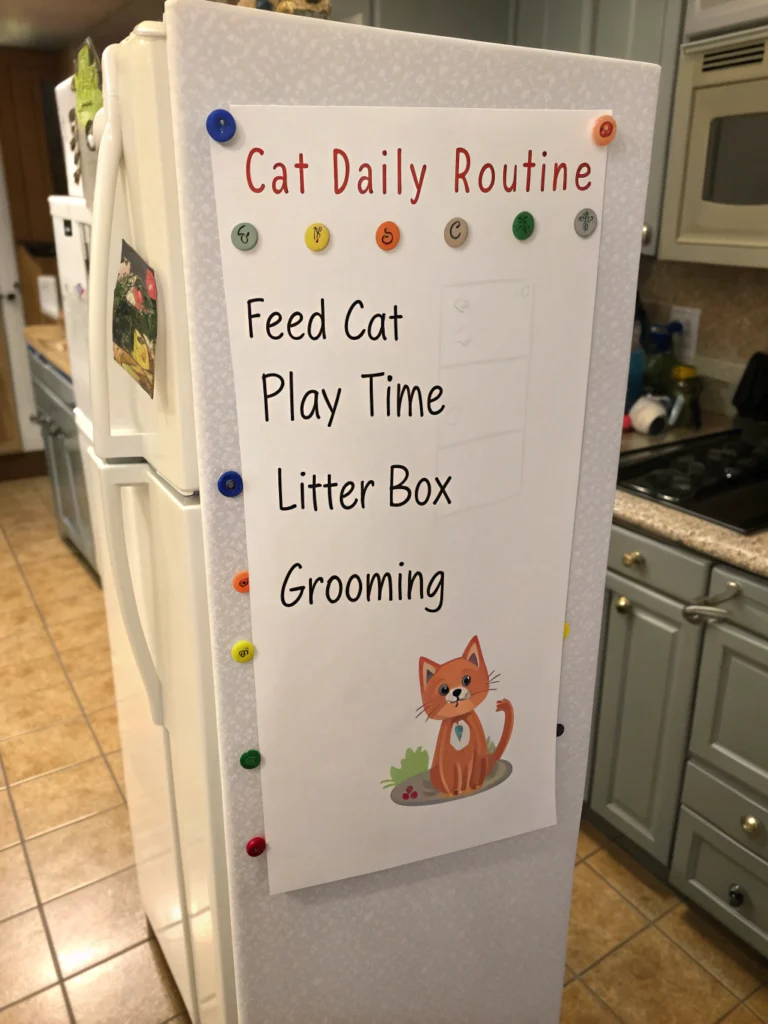
Cats thrive on consistency. Feed at the same times daily, schedule play sessions during your cat’s peak activity hours (typically dawn and dusk), and maintain regular sleep schedules. Use verbal cues before activities: “Time to eat” or “Let’s play” helps cats anticipate and prepare mentally for transitions.
Step 4: Provide Interactive Enrichment
Dedicate 15-20 minutes twice daily to active play using wand toys, laser pointers (always ending with a catchable toy), or feather teasers. Rotate toys weekly to maintain novelty. Introduce puzzle feeders that dispense treats, stimulating hunting instincts and redirecting anxious energy into productive problem-solving.
Step 5: Practice Gentle Desensitization
Gradually expose your cat to stress triggers in controlled, positive contexts. If car rides cause anxiety, start with treats near the carrier, then inside it, then short drives with high-value rewards. Progress slowly—never force interactions. Pair stressors with positive experiences, rewarding calm behavior immediately with treats or affection.
Step 6: Utilize Calming Touch Techniques
Learn feline massage pressure points: gentle circular motions behind ears, under chin, and along the cheeks where scent glands are located. Use slow, deliberate strokes from head to tail during relaxed moments. Never restrain—let your cat control interaction duration. Some cats respond well to gentle brushing as a bonding and calming ritual.
Step 7: Consider Nutritional Support
Consult your veterinarian about supplements containing L-theanine, tryptophan, or chamomile—amino acids and herbs with documented calming properties. Prescription diets formulated for stress management may benefit chronically anxious cats. Always introduce dietary changes gradually over 7-10 days to prevent digestive upset.
Health Benefits / Cat Advantages
Implementing proper cat calming techniques delivers substantial health advantages beyond behavioral improvement:
Physiological Benefits:
Reduced stress lowers cortisol levels, strengthening immune function and decreasing susceptibility to upper respiratory infections—common in stressed cats. Studies show calm cats experience 40% fewer veterinary visits for stress-related illnesses like cystitis, gastritis, and dermatitis.
Mental Wellbeing:
Enriched, stress-managed environments prevent cognitive decline in senior cats and reduce anxiety-driven behaviors like excessive grooming, aggression, or inappropriate elimination. Calm cats demonstrate better problem-solving abilities and adaptability.
Longevity Factors:
Chronic stress accelerates cellular aging. Cats in low-stress environments with consistent calming protocols live an average of 2-3 years longer than those in high-anxiety situations. Reduced stress also minimizes obesity risk by normalizing eating patterns.
Relationship Quality:
Calm cats bond more deeply with their owners, showing increased affection, trust, and social interaction. This strengthens the human-animal bond, enhancing both parties’ mental health through companionship.
Behavioral Stability:
Proper stress management prevents the development of compulsive disorders, redirects destructive behaviors, and creates a harmonious multi-pet household when applicable.
Alternative Methods & Tips
For Small Living Spaces:
Maximize vertical territory with wall-mounted shelves creating “cat highways.” Use furniture risers to create under-bed hiding spaces. Window perches provide outdoor stimulation without space requirements.
Budget-Friendly Options:
Cardboard boxes become instant hiding spots. DIY cat grass from oat or wheat seeds costs pennies. Crumpled paper balls provide free entertainment. Rotate existing toys rather than purchasing new ones constantly.
Multi-Cat Households:
Provide separate resources (food bowls, litter boxes, resting areas) to reduce competition stress. Feed cats in different rooms if tension exists. Use multiple feline pheromone diffusers throughout the home to create overlapping calm zones.
Age-Specific Approaches:
Kittens benefit from socialization windows (3-9 weeks) with gentle handling and varied experiences. Senior cats need easily accessible resources, warmer sleeping areas, and patience with cognitive changes.
Climate Considerations:
Hot climates: Ensure multiple cool resting spots, fresh water availability, and limit activity during peak heat. Cold climates: Provide heated beds, draft-free sleeping areas, and indoor enrichment during confinement periods.
Natural Remedies:
Catnip (for the 70% of cats genetically responsive), silvervine, and valerian root offer temporary calming effects. Always supervise first exposures and discontinue if overstimulation occurs.
Common Mistakes to Avoid
Inconsistent Routines:
Changing feeding times, play schedules, or sleeping arrangements creates unpredictability that heightens anxiety. Maintain consistency even during busy periods or travel.
Punishment-Based Training:
Never yell, spray water, or physically discipline an anxious cat. These methods escalate fear, damage trust, and worsen stress-related behaviors. Focus exclusively on positive reinforcement.
Overwhelming Socialization:
Forcing interaction with visitors, children, or other pets intensifies anxiety. Always provide escape routes and respect your cat’s space preferences. Let cats approach on their terms.
Neglecting Environmental Enrichment:
Boredom amplifies stress. Cats need daily mental and physical stimulation through play, exploration, and problem-solving activities. Static environments create frustrated, anxious cats.
Overusing Treats:
While useful for positive associations, excessive treats cause obesity and diminish their effectiveness as rewards. Limit to 10% of daily caloric intake and use alternative rewards like play or affection.
Ignoring Medical Causes:
Sudden behavioral changes may indicate pain, illness, or cognitive dysfunction. Always rule out medical issues with veterinary examination before assuming purely behavioral causes.
Improper Litter Box Management:
Dirty boxes, wrong litter texture, covered boxes that trap odors, or boxes in high-traffic areas cause elimination stress. Clean daily, use unscented clumping litter, and position boxes in quiet, accessible locations.
Storage & Maintenance Tips
Cat Food Storage:
Store dry food in airtight containers in cool, dark locations to preserve nutritional integrity and prevent rancidity. Refrigerate opened wet food for maximum 48 hours. Check expiration dates monthly and rotate stock.
Litter Box Hygiene:
Scoop daily without exception. Completely empty, scrub with unscented soap, and refill weekly. Replace boxes annually as plastic absorbs odors. Use box liners carefully—some cats dislike the texture.
Toy Maintenance:
Wash fabric toys weekly in hot water. Disinfect hard toys with pet-safe cleaners. Inspect regularly for damage that creates choking hazards. Retire worn items promptly.
Pheromone Diffuser Care:
Refill every 30 days even if liquid remains—effectiveness diminishes over time. Clean diffuser units monthly with dry cloth. Replace diffuser units every 6 months for optimal function.
Bedding & Fabric Items:
Wash cat beds, blankets, and cushion covers weekly in hot water with unscented detergent. Dry thoroughly to prevent mold. Vacuum cat trees and scratching posts weekly to remove dander and shed fur.
Seasonal Deep Cleaning:
Quarterly, deep clean all cat zones—wash walls, vacuum under furniture, clean window perches, and sanitize all surfaces with pet-safe products. This prevents allergen buildup that can stress sensitive cats.
Product Inventory:
Maintain a running list of supplies and reorder 2 weeks before depletion. Stock emergencies like litter, food, or medication ensure routine continuity that reduces stress.
Conclusion
Creating a calm, content cat requires patience, consistency, and understanding of feline psychology. By implementing these seven proven cat calming techniques—from pheromone therapy and environmental enrichment to predictable routines and gentle desensitization—you’ll transform your stressed cat into a confident, relaxed companion. Remember that every cat is unique; what works perfectly for one may need adjustment for another. Monitor your cat’s responses, celebrate small victories, and maintain realistic timelines. The investment you make in your cat’s emotional wellbeing pays dividends in their health, longevity, and the quality of your relationship.
FAQs
How long does it take for cat calming techniques to work?
Most cats show initial improvement within 7-10 days, with significant behavioral changes evident by weeks 2-3. Pheromone diffusers reach peak effectiveness around day 14. However, chronically anxious cats or those with trauma histories may require 6-8 weeks for substantial progress. Consistency is crucial—premature discontinuation resets the process. Severe anxiety cases might benefit from veterinary-prescribed anti-anxiety medications alongside behavioral techniques for faster, more comprehensive results.
Are pheromone diffusers safe for multiple cats and other pets?
Yes, feline facial pheromone analogs are species-specific and completely safe for multi-cat households, dogs, other pets, and humans. They’re undetectable to non-feline species and cause no side effects. In fact, feline pheromone diffusers specifically help reduce tension in multi-cat homes by creating a communal “safe zone” scent. Use one diffuser per large room or per 700 square feet for optimal coverage. Dogs and other animals won’t notice or react to these pheromones.
Can stressed cats become aggressive, and will calming techniques help?
Absolutely—stress-induced aggression is common when cats feel threatened, cornered, or overstimulated. Fear-based aggression manifests as hissing, swatting, or biting. Calming techniques directly address underlying anxiety, typically reducing aggressive episodes by 70-80% within 4-6 weeks. Combine environmental modifications, predictable routines, and increased safe spaces with pheromone therapy. If aggression persists or escalates, consult a veterinary behaviorist—it may indicate pain, medical issues, or require professional intervention beyond standard techniques.
What’s the best calming technique for cats who hate change?
For change-averse cats, start pheromone therapy 2-3 weeks before anticipated changes (moving, renovations, new pets). Create a “safe room” with familiar items where your cat can retreat during transitions. Introduce changes incrementally—one small alteration weekly rather than sudden complete overhauls. Maintain feeding and play schedules rigidly during changeover periods. Use high-value treats to create positive associations with new items. The gradual desensitization method works best for these sensitive individuals.
Do calming techniques work for senior cats with cognitive decline?
Yes, with modifications. Senior cats with cognitive dysfunction syndrome benefit significantly from routine consistency, nightlights for nighttime disorientation, easily accessible resources, and pheromone therapy. However, progress may be slower and results more variable than younger cats. Prescription diets with antioxidants and supplements like SAMe or omega-3 fatty acids support cognitive function. Combine calming techniques with veterinary oversight for age-related conditions. Patience is essential—celebrate small improvements and focus on quality of life rather than complete behavioral resolution.