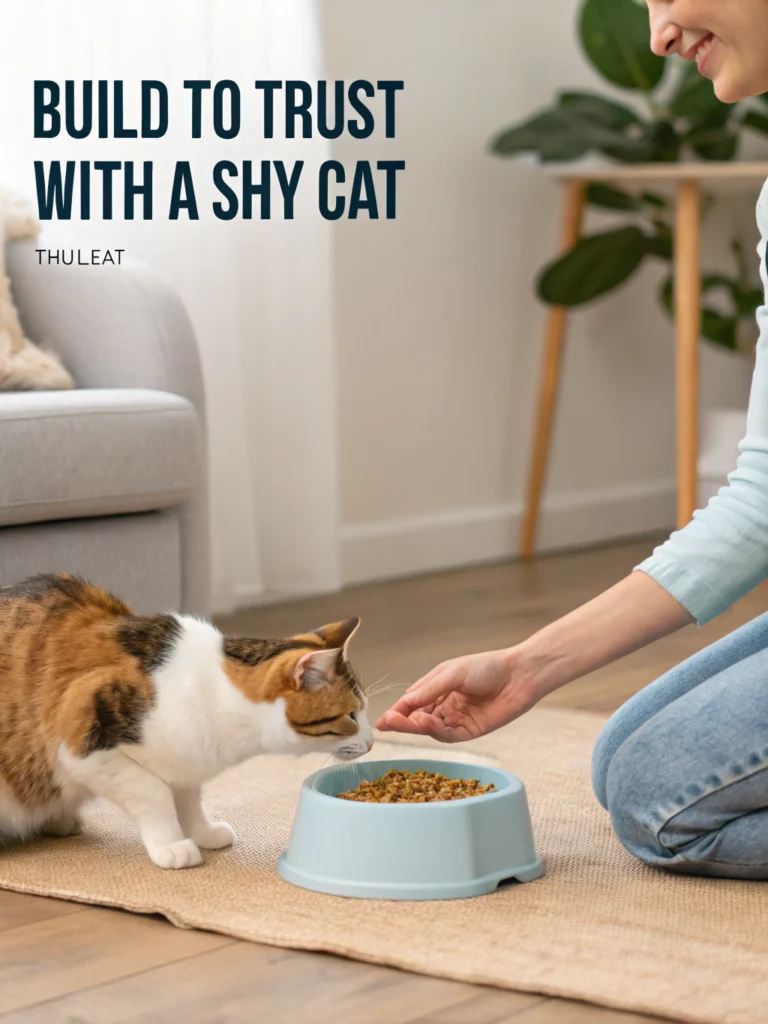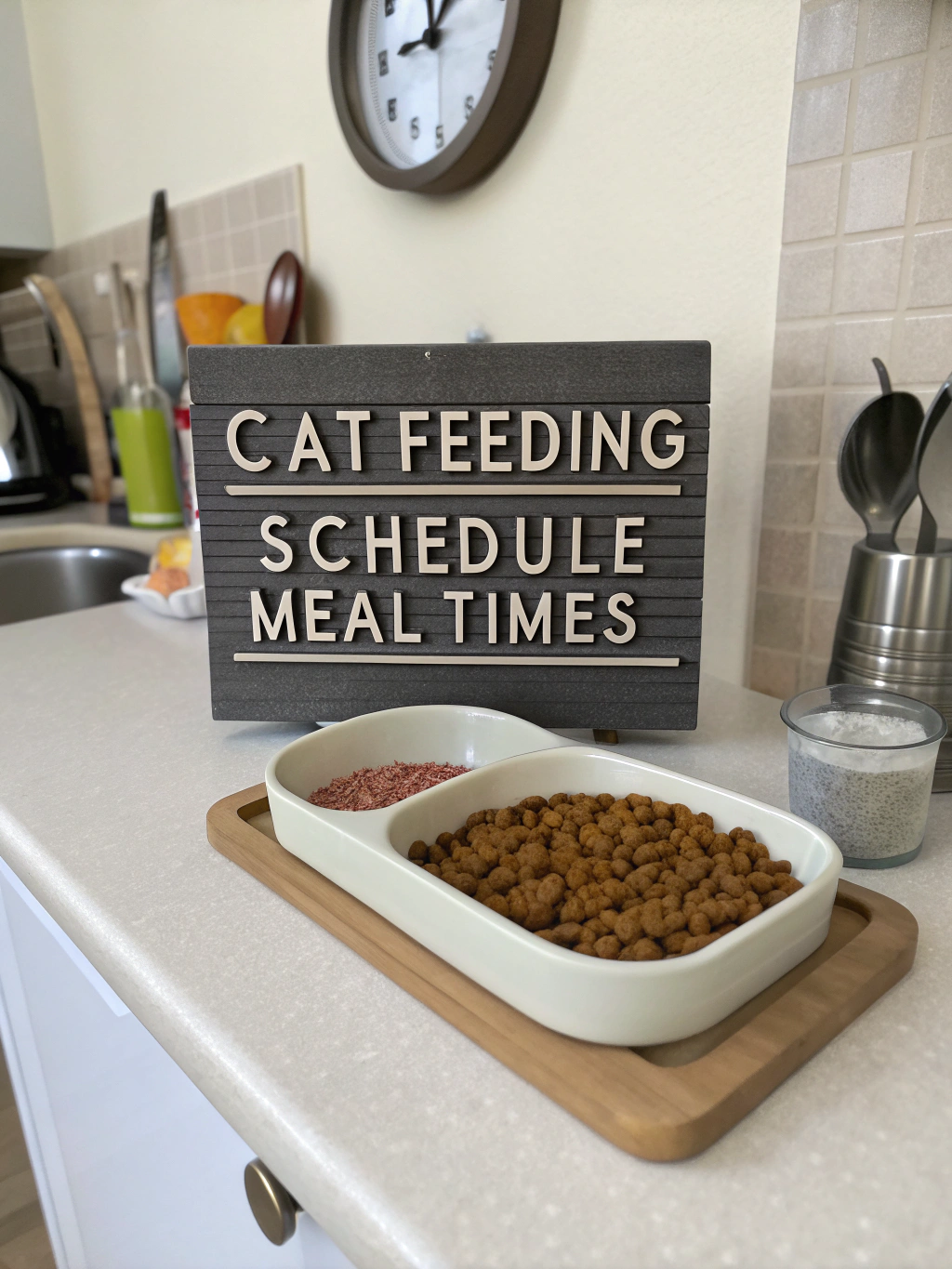
Best Cat Feeding Schedule Explained
Best Cat Feeding Schedule Explained
Table of Contents
Best Cat Feeding Schedule Explained
Introduction
Did you know that over 60% of domestic cats in the United States are overweight or obese, largely due to improper feeding schedules and portion control? Establishing the right cat feeding schedule is one of the most critical aspects of responsible pet ownership, yet it’s often overlooked or misunderstood. Whether you’re raising a playful kitten, caring for an adult cat, or supporting a senior feline, understanding when and how much to feed can dramatically impact their health, energy levels, and longevity. This comprehensive guide will walk you through age-specific feeding recommendations, practical tips, and common mistakes to help you create the perfect feeding routine for your furry companion.
Cat Supplies & Essentials
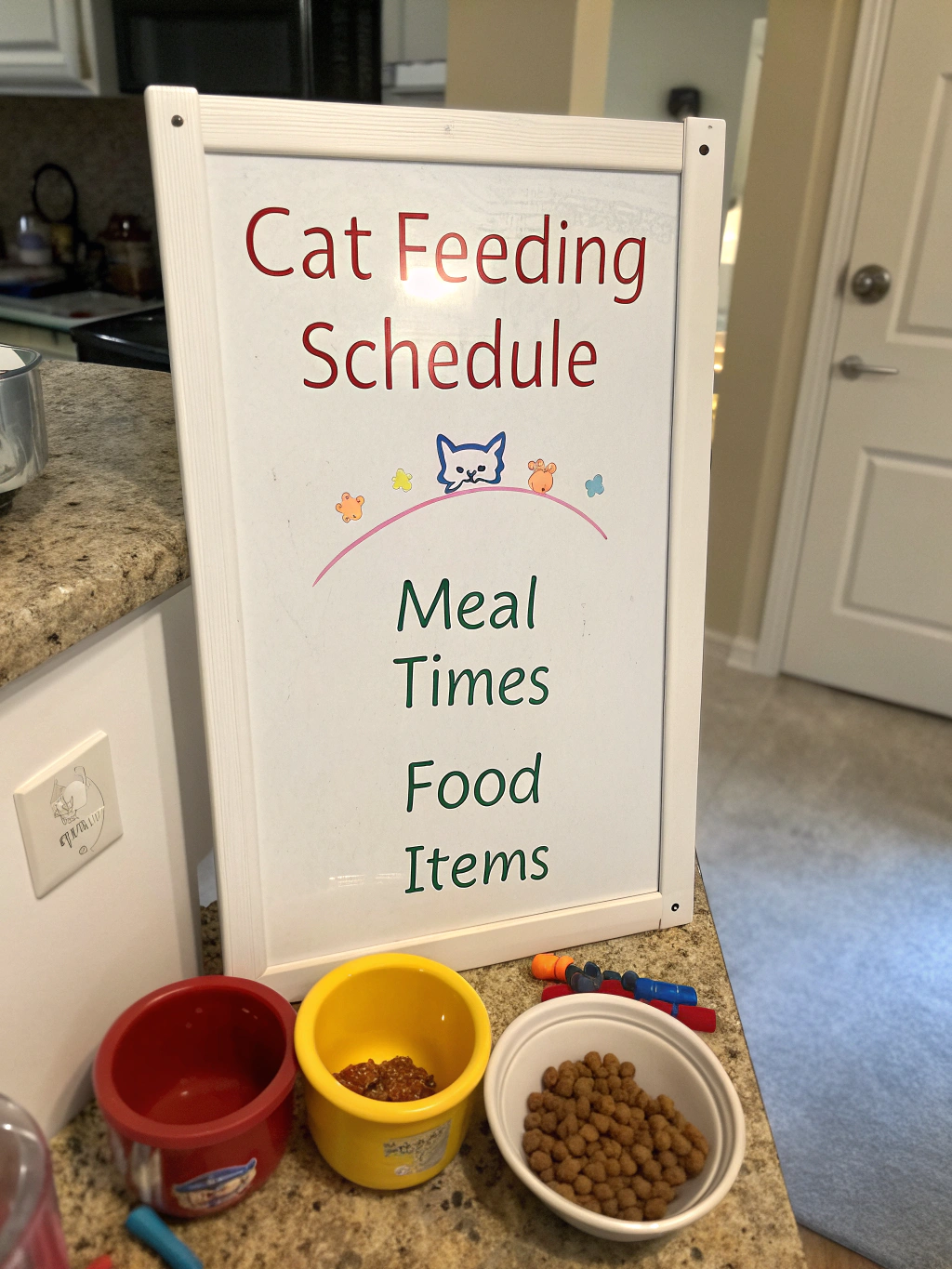
Setting up a proper feeding environment requires the right tools and supplies. Here’s what every cat owner needs:
Feeding Bowls: Invest in stainless steel or ceramic bowls that are easy to clean and won’t harbor bacteria. Elevated bowls can benefit older cats with arthritis or neck pain.
Measuring Cups: Precision matters when portioning food. Use standard measuring cups or a kitchen scale to ensure accurate servings and prevent overfeeding.
Automatic Feeders: Perfect for busy pet parents or cats who need multiple small meals throughout the day. Programmable feeders maintain consistency even when you’re away.
Water Fountains: Cats are naturally drawn to running water. A fountain encourages hydration, which is essential for kidney health and overall wellbeing.
Food Storage Containers: Airtight containers preserve freshness, prevent pest contamination, and maintain nutritional quality of dry and wet cat food.
High-Quality Cat Food: Choose age-appropriate formulas (kitten, adult, senior) with real protein sources listed as the first ingredient. Consider your cat’s specific health needs.
Feeding Mat: Protects floors from spills and makes cleanup easier, especially important for messy eaters or multi-cat households.
Optional Items: Slow-feeder bowls for cats who eat too quickly, puzzle feeders for mental stimulation, and separate bowls for wet and dry food.
Timeline / Progress Expectations
Understanding feeding schedules by age helps set realistic expectations:
Kittens (0-12 months): Require frequent feeding—four meals daily until 6 months, then transition to three meals. Expect gradual growth and high energy levels. Most kittens adjust to new feeding routines within 3-5 days.
Adult Cats (1-7 years): Thrive on two to three meals daily, spaced 8-12 hours apart. When transitioning feeding schedules, allow 1-2 weeks for adjustment. You’ll notice stabilized weight and consistent energy patterns within the first month.
Senior Cats (7+ years): May benefit from smaller, more frequent meals (3-4 times daily) as metabolism slows. Dietary transitions should occur gradually over 2-3 weeks to prevent digestive upset.
Daily Routine: Most cats adapt to scheduled feeding cats daily within one week, showing improved appetite regulation and reduced begging behaviors.
Weight Management Progress: Expect gradual changes when adjusting portions. Healthy weight loss should occur at 1-2% of body weight per week, typically showing visible results within 2-3 months.
Step-by-Step Instructions
Step 1: Determine Your Cat’s Caloric Needs
Calculate daily caloric requirements based on age, weight, and activity level. Typical adult cats need 20 calories per pound of body weight daily. Kittens require up to twice this amount, while senior cats may need 15-20% fewer calories.
Step 2: Choose the Right Food Type
Select between dry food, wet food, or a combination. Wet food provides hydration and is often more palatable; dry food supports dental health. Many veterinarians recommend a mixed-feeding approach for balanced nutrition.
Step 3: Establish Consistent Feeding Times
Set specific times for meals and stick to them. Cats thrive on routine, and consistency helps regulate their metabolism and digestive system. Morning and evening feedings work well for most households.
Step 4: Measure Portions Accurately
Use manufacturer guidelines as a starting point, adjusting based on your cat’s body condition. Divide daily portions across all meals to prevent overeating and maintain steady energy levels throughout the day.
Step 5: Monitor and Adjust
Weigh your cat monthly and observe body condition. You should feel ribs easily but not see them prominently. Adjust portions by 10% increments if weight gain or loss occurs.
Step 6: Transition Gradually
When changing foods or schedules, mix new with old in increasing ratios over 7-10 days. Start with 25% new food, then 50%, then 75%, before complete transition to prevent digestive issues.
Health Benefits / Cat Advantages
Implementing a structured feeding schedule offers numerous health advantages:
Weight Management: Scheduled meals prevent free-feeding obesity, which affects over 50% of domestic cats. Proper portion control reduces diabetes risk by up to 40% according to veterinary studies.
Digestive Health: Regular feeding times optimize digestive enzyme production, reducing vomiting, diarrhea, and constipation issues common in irregularly-fed cats.
Behavioral Stability: Predictable mealtimes reduce anxiety-driven behaviors like excessive vocalization, aggression, and destructive scratching. Cats feel more secure with routine.
Better Monitoring: Scheduled feeding allows you to notice appetite changes quickly—often the first sign of illness. Early detection can be lifesaving.
Metabolic Efficiency: Timed meals align with cats’ natural circadian rhythms, improving nutrient absorption and energy utilization throughout the day.
Dental Health: Structured feeding, especially with dry food, provides dental benefits through mechanical cleaning action, reducing tartar buildup by up to 30%.
Alternative Methods & Tips
Small Space Solutions: Wall-mounted feeding stations save floor space while providing comfortable dining areas. Vertical feeders work excellently in apartments.
Multi-Cat Households: Feed cats in separate rooms to prevent food aggression and ensure each cat receives proper portions. Microchip-activated feeders are ideal for cats on different diets.
Budget-Friendly Options: Batch-cook homemade cat food using vet-approved recipes, or buy quality food in bulk. Store-brand premium foods often match name-brand nutrition at lower prices.
Picky Eaters: Warm wet food slightly to enhance aroma. Rotate protein sources weekly to prevent boredom. Add small amounts of low-sodium chicken broth for extra appeal.
Outdoor/Indoor Cats: Outdoor cats may need 20-30% more calories to compensate for increased activity. Monitor weight closely and adjust accordingly.
Senior Cat Modifications: Soften dry food with warm water for cats with dental issues. Elevate bowls to reduce neck strain. Consider highly digestible senior formulas.
Climate Considerations: Cats in warmer climates may eat less during peak heat. Offer smaller, more frequent meals in summer months.
Common Mistakes to Avoid
Free-Feeding Dry Food: Leaving food available 24/7 leads to obesity, food obsession, and makes health monitoring difficult. Transition to scheduled meals gradually.
Inconsistent Portions: Eyeballing amounts or changing quantities daily prevents proper weight management. Always measure accurately.
Feeding Only Once Daily: Large single meals can cause vomiting and don’t align with cats’ natural eating patterns of multiple small prey captures.
Ignoring Life Stage Needs: Feeding kitten food to adults or adult food to kittens creates nutritional imbalances. Use age-appropriate formulas always.
Treats Exceeding 10% of Daily Calories: Overuse of treats contributes to obesity and nutritional imbalance. Factor treat calories into daily totals.
Sudden Diet Changes: Abrupt switches cause digestive upset, food refusal, and stress. Always transition gradually over 7-10 days.
Feeding Human Food Regularly: Many human foods are toxic to cats (onions, garlic, grapes) or nutritionally inadequate. Stick to species-appropriate diets.
Neglecting Fresh Water: Dehydration impacts kidney function and overall health. Change water daily and provide multiple sources throughout your home.
Storage & Maintenance Tips
Dry Food Storage: Keep in original bags inside airtight containers to preserve freshness and prevent oxidation. Store in cool, dry locations away from sunlight. Use within 6 weeks of opening.
Wet Food Handling: Refrigerate opened cans immediately, using within 2-3 days. Bring to room temperature before serving to enhance palatability and prevent stomach upset.
Bowl Cleaning: Wash feeding bowls with hot, soapy water daily. Dishwasher-safe stainless steel or ceramic bowls simplify maintenance and prevent bacterial growth.
Water Fountain Maintenance: Clean fountains weekly with vinegar solution to prevent biofilm buildup. Replace filters monthly according to manufacturer specifications.
Feeding Area Hygiene: Wipe feeding mats daily and wash weekly. Vacuum surrounding areas to remove scattered kibble that attracts pests.
Seasonal Considerations: Check stored food for signs of moisture or pest intrusion monthly. In humid climates, consider smaller food bags to ensure freshness.
Organization Systems: Create a feeding station with supplies in one location—food, bowls, measuring tools, and treats—for efficient daily routines.
Conclusion
Creating the ideal cat feeding schedule isn’t complicated, but it does require consistency, attention to individual needs, and willingness to adjust as your cat ages. By implementing structured mealtimes, measuring portions accurately, and choosing age-appropriate nutrition, you’re investing in your cat’s long-term health and happiness. Remember that every cat is unique—what works perfectly for one may need modification for another. Monitor your feline friend’s weight, energy levels, and overall condition regularly, adjusting as needed. Ready to transform your cat’s health through better feeding practices? Start implementing these strategies today, and don’t hesitate to consult your veterinarian for personalized recommendations. Share your feeding success stories in the comments below, and explore our other guides on feline nutrition and wellness!
FAQs
How many times a day should I feed my cat?
Adult cats typically thrive on two meals daily, spaced 8-12 hours apart. Kittens under 6 months need 3-4 meals, while senior cats often benefit from 3 smaller meals to aid digestion and maintain steady energy levels.
Is it better to feed cats wet or dry food?
Both have advantages—wet food provides hydration and is often more appealing, while dry food supports dental health and offers convenience. Most veterinarians recommend a combination approach, offering both types to ensure balanced nutrition and hydration.
Can I leave dry food out all day for my cat?
Free-feeding typically isn’t recommended as it contributes to obesity, makes health monitoring difficult, and can lead to food obsession behaviors. Scheduled meals provide better portion control and allow you to notice appetite changes that may indicate health issues.
How do I know if I’m feeding my cat the right amount?
You should be able to feel your cat’s ribs easily without seeing them prominently, and they should have a visible waist when viewed from above. Monthly weigh-ins help track trends. Consult your vet if you’re unsure about your cat’s ideal body condition.
What should I do if my cat begs for food between meals?
Ensure you’re feeding adequate calories for their age and activity level first. If portions are appropriate, resist giving in to begging as it reinforces the behavior. Offer playtime instead, or consider splitting daily food into three smaller meals to reduce hunger between feedings.