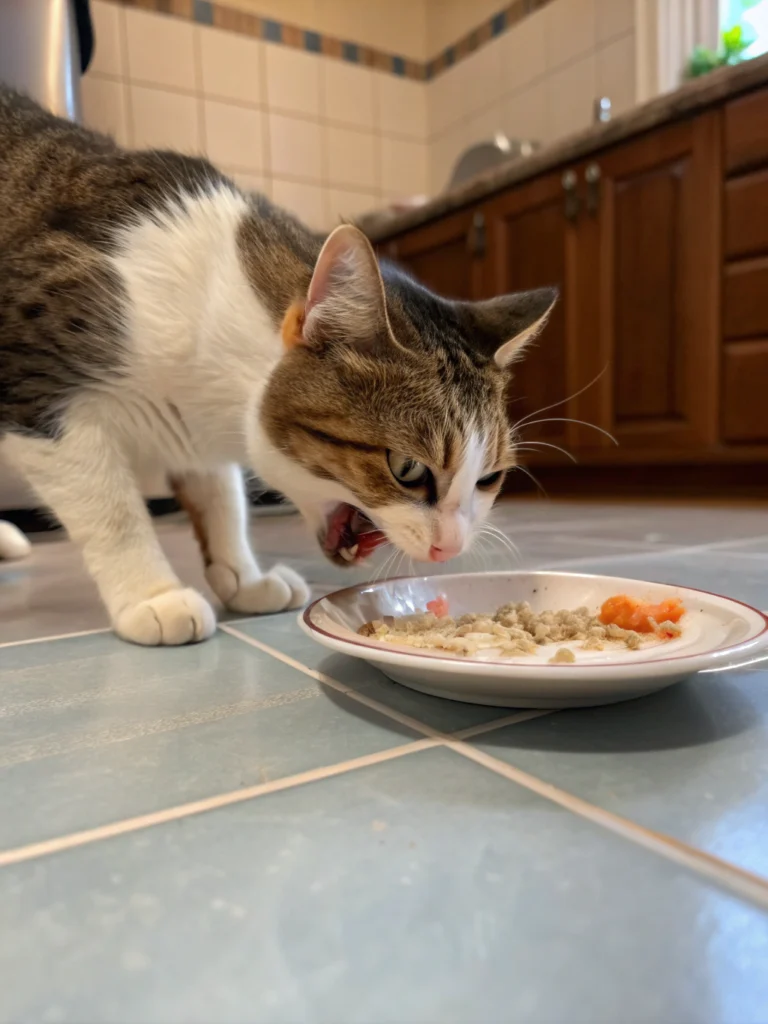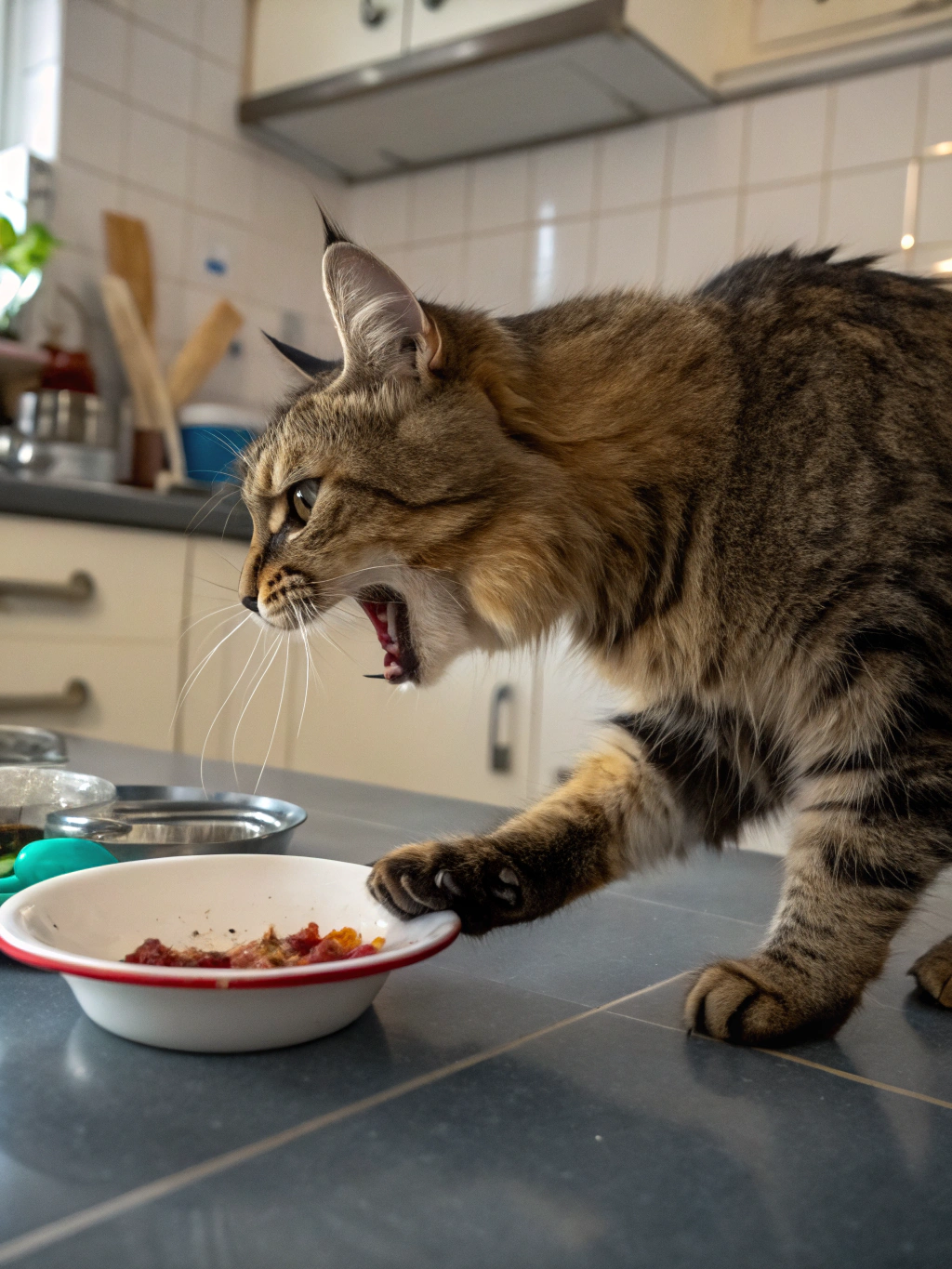
Aggressive Cat Towards Owners: What to Do
Aggressive Cat Towards Owners: What to Do
Table of Contents
Introduction
Did you know that approximately 1 in 3 cat owners experience some form of aggression from their feline companions at least once during their pet’s lifetime? Understanding and managing Aggressive cat towards owners is not just about protecting yourself—it’s about addressing underlying issues that affect your cat’s wellbeing. Whether it’s sudden swatting, biting during petting, or full-blown attacks, aggressive behavior often stems from fear, overstimulation, redirected anxiety, or medical conditions. The good news? With the right approach, patience, and understanding, most cases of feline aggression can be significantly improved or completely resolved. This comprehensive guide will walk you through practical strategies for handling aggressive cat behavior towards owners safely, helping you restore harmony to your household while strengthening the bond with your feline friend.
Cat Supplies & Essentials
Managing aggressive behavior requires having the right tools and supplies on hand. Here’s what every cat owner dealing with aggression should consider:
Interactive Toys and Wands: Essential for redirecting aggressive energy safely. Feather wands, laser pointers, and fishing-pole style toys allow you to engage your cat from a safe distance while burning off excess energy. These toys help establish appropriate play boundaries.
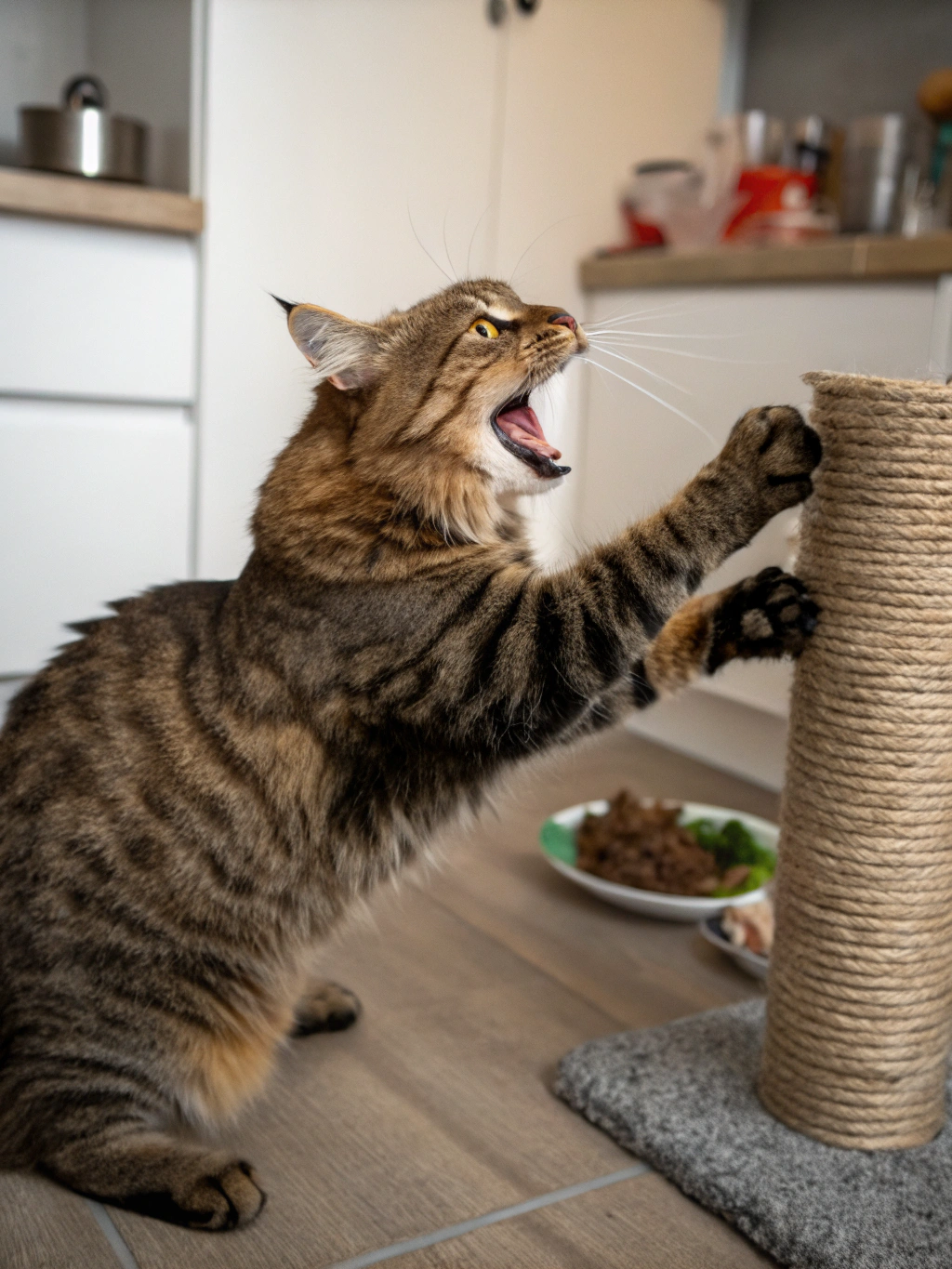
Cat Scratching Posts and Trees: Crucial for providing appropriate outlets for natural scratching and climbing instincts. Multiple posts placed strategically throughout your home can reduce territorial aggression and provide safe escape routes.
Calming Pheromone Diffusers: Products like Feliway release synthetic feline facial pheromones that create a calming environment, reducing stress-related aggression by up to 70% according to veterinary studies.
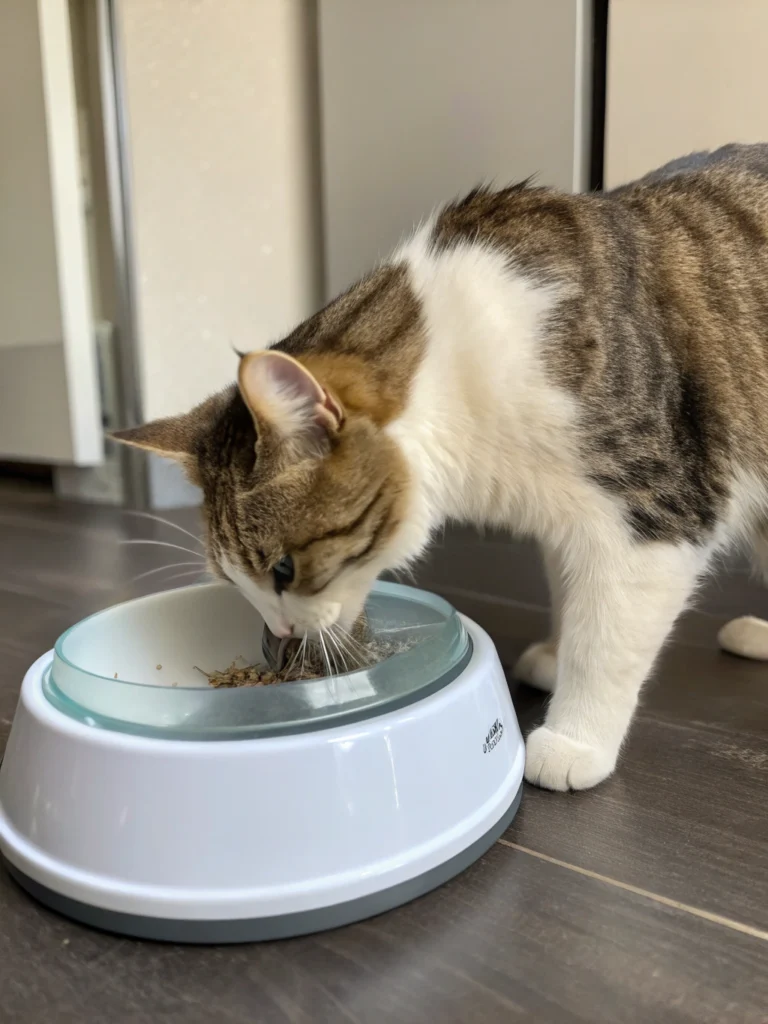
Puzzle Feeders and Treat-Dispensing Toys: These provide mental stimulation and slow down eating, which can reduce frustration-based aggression. They transform feeding time into an enriching activity.
Cat-Safe Hiding Spaces: Covered beds, cardboard boxes, or cat caves give anxious cats secure retreat options. Every aggressive cat should have multiple safe spaces where they won’t be disturbed.
Heavy-Duty Gloves: Thick leather or bite-resistant gloves protect hands during training sessions or when administering medication to aggressive cats.
Cat Carrier: A sturdy, well-ventilated carrier is essential for safe transport to veterinary appointments, especially when dealing with Cat attacking owner situations.
Clicker Training Kit: Includes a clicker and training treats, invaluable for positive reinforcement training that redirects aggressive behavior.
Cat Grass and Catnip: Natural enrichment items that provide sensory stimulation and can help reduce stress in some cats (note: approximately 30% of cats don’t respond to catnip).
Timeline / Progress Expectations
Understanding the timeline for behavioral improvement helps set realistic expectations and maintain consistency:
Days 1-3: Focus on observation and documentation. Track when aggression occurs, what triggers it, and your cat’s body language beforehand. Schedule a veterinary examination to rule out medical causes like hyperthyroidism, dental pain, or arthritis.
Week 1-2: Begin implementing environmental modifications and establishing new routines. Most cats show initial signs of reduced stress within 10-14 days of environmental enrichment and pheromone therapy.
Week 3-4: Start structured play therapy sessions twice daily, lasting 10-15 minutes each. Many cats begin showing improved impulse control and reduced aggressive outbursts around the 3-week mark.
Month 2-3: Continue consistent training and positive reinforcement. Approximately 60% of cats demonstrate significant behavioral improvement by the 8-week point when protocols are followed consistently.
Month 4-6: Fine-tune approaches based on progress. Most cases of manageable aggression show substantial improvement within 3-6 months of dedicated behavior modification.
Long-term Maintenance: Some cats require ongoing management strategies. Seasonal changes, household disruptions, or aging can trigger regression, requiring renewed attention to environmental management.
Step-by-Step Instructions
Step 1: Conduct a Thorough Health Assessment
Schedule a comprehensive veterinary examination before assuming behavioral causes. Pain from dental disease, arthritis, hyperthyroidism, or neurological conditions can trigger sudden aggression. Request bloodwork and a physical examination focusing on painful areas. Studies show that up to 80% of cats over age 12 have arthritis, which can cause pain-related aggression when touched.
Step 2: Identify and Document Triggers
Keep a detailed aggression journal for at least two weeks. Record the date, time, location, what happened immediately before the incident, your cat’s body language, and the severity of the response. This documentation reveals patterns that might not be immediately obvious, such as specific times of day, particular handling techniques, or environmental factors that trigger aggressive responses.
Step 3: Modify the Environment
Create vertical territory with cat trees and wall-mounted shelves, providing escape routes and reducing territorial stress. Install pheromone diffusers in rooms where aggression commonly occurs. Ensure resources (litter boxes, food stations, water sources) are distributed throughout the home—the general rule is one per cat plus one extra. Eliminate visual stressors like outdoor cats visible through windows by using privacy film or closing blinds temporarily.
Step 4: Implement Structured Play Therapy
Schedule two 15-minute interactive play sessions daily, preferably before mealtimes. Use wand toys that keep your hands at a safe distance. Follow the “hunt, catch, kill, eat” sequence: let your cat stalk, chase, pounce, and “capture” the toy, then follow with a small meal. This satisfies predatory instincts and reduces redirected aggression. Never use hands or feet as toys, as this teaches cats that human body parts are appropriate targets.
Step 5: Practice Positive Reinforcement Training
Use clicker training to reward calm behavior and appropriate responses. Click and treat whenever your cat remains calm during potentially triggering situations. Start with low-intensity versions of triggers and gradually increase difficulty. For example, if petting triggers aggression, start by simply placing your hand near your cat and clicking/treating for calm acceptance before progressing to brief, single strokes.
Step 6: Establish Consistent Body Language Reading
Learn to recognize early warning signs before aggression escalates. Watch for dilated pupils, ears flattened backward, twitching tail, tense body posture, or skin rippling along the back. When you notice these signs, immediately stop whatever you’re doing and give your cat space. This prevents escalation and teaches your cat that they can communicate discomfort without resorting to aggression.
Step 7: Implement “Time-Out” Protocols
If aggression occurs, calmly leave the room without saying anything or making eye contact. This removes the “reward” of attention (even negative attention can reinforce behavior). Return after 5-10 minutes once your cat has calmed. Never punish, yell, or physically correct aggressive behavior, as this increases fear and worsens aggression in 90% of cases.
Step 8: Gradually Rebuild Trust
Once aggressive episodes decrease, slowly rebuild positive interactions. Start with low-intensity activities your cat enjoys—perhaps sitting near them while reading or offering treats from a distance. Gradually decrease distance and increase interaction duration as trust rebuilds. Let your cat initiate and control interactions initially, respecting their boundaries while consistently rewarding calm, friendly behavior.
Health Benefits / Cat Advantages
Addressing aggressive behavior creates profound benefits for your cat’s overall health and quality of life:
Reduced Stress Hormones: Cats living in chronic stress produce elevated cortisol levels, which suppress immune function and increase disease susceptibility. Effective aggression management can reduce stress biomarkers by up to 65% within 8 weeks.
Improved Cardiovascular Health: Chronic anxiety and aggression elevate heart rate and blood pressure. Calmer cats show improved cardiovascular markers and reduced risk of stress-related conditions.
Enhanced Mental Wellbeing: Proper enrichment, play therapy, and reduced conflict improve cognitive function and emotional stability. Studies indicate that mentally enriched cats show 40% less cognitive decline as they age.
Better Social Relationships: Reducing aggression improves relationships not only with humans but also with other household pets, creating a more harmonious multi-pet environment.
Increased Lifespan: Cats with well-managed stress and appropriate behavioral outlets typically live 2-3 years longer than chronically stressed cats, according to longitudinal veterinary studies.
Reduced Risk of Relinquishment: Successfully managing aggression prevents the heartbreak of rehoming, which is traumatic for both cats and owners. Approximately 25% of cats relinquished to shelters cite aggression as a primary reason.
Alternative Methods & Tips
For Small Living Spaces: Maximize vertical territory with wall-mounted shelves and window perches. Use door-mounted cat trees and multi-functional furniture with built-in hiding spots. Even small apartments can be enriched effectively with creative use of vertical space.
For Multi-Cat Households: Ensure territorial resources are abundant and distributed. Use baby gates to create separate zones when needed. Feed cats separately to reduce competition-based aggression. Introduce calming music or white noise to reduce tension.
For Senior Cats: Provide ramps or steps to elevated areas for cats with arthritis. Use heated beds to soothe joint pain. Consider pain management medication if arthritis contributes to aggression. Place resources on the same level to reduce climbing requirements.
For High-Energy Breeds: Breeds like Bengals, Abyssinians, and Siamese require significantly more play and mental stimulation. Invest in cat wheels, advanced puzzle toys, and consider harness training for supervised outdoor exploration.
Budget-Friendly Options: DIY enrichment using cardboard boxes, paper bags (handles removed), and homemade puzzle feeders. Rotate existing toys weekly to maintain novelty. Use YouTube videos featuring birds or fish as inexpensive visual enrichment.
Climate Considerations: In hot climates, provide multiple cool resting spots and ensure aggressive behavior isn’t heat-stress related. In cold climates, ensure cats aren’t defending warm spots due to insufficient heating.
Common Mistakes to Avoid
Punishing Aggressive Behavior: Physical punishment, yelling, or spray bottles increase fear and worsen aggression in the vast majority of cases. Cats don’t understand punishment and will only learn to fear you, potentially escalating aggressive responses.
Inconsistent Responses: Different family members responding differently to aggression confuses cats and slows progress. Ensure everyone in the household follows the same protocols consistently.
Forcing Interactions: Restraining or forcing an aggressive cat to tolerate petting, grooming, or handling damages trust and reinforces the need for defensive aggression. Always respect your cat’s boundaries and let them control interaction intensity.
Ignoring Medical Causes: Assuming aggression is purely behavioral without veterinary assessment misses underlying pain or illness in approximately 30% of cases. Always rule out medical issues first.
Insufficient Environmental Enrichment: Boredom and frustration contribute significantly to aggression. Cats need daily play, mental challenges, and environmental complexity. A static, boring environment increases aggressive behavior by up to 45%.
Rough Play with Kittens: Allowing kittens to play-attack hands and feet teaches inappropriate targets for predatory behavior. This “cute” behavior in kittens becomes dangerous aggression in adult cats.
Overstimulation: Not recognizing petting-induced aggression signs leads to repeated negative interactions. Learn your cat’s tolerance limits and stop petting before reaching the threshold.
Delayed Intervention: Waiting to address aggression allows the behavior to become deeply ingrained. Early intervention produces faster, more complete resolution in 85% of cases.
Storage & Maintenance Tips
Cat Food Storage: Store dry food in airtight containers to maintain freshness and prevent rancidity, which can cause dietary-related behavioral changes. Refrigerate opened wet food and use within 3 days. Check expiration dates monthly.
Litter Box Maintenance: Scoop boxes at least once daily—twice for multi-cat households. Completely change litter and wash boxes with unscented soap weekly. Dirty litter boxes contribute to stress and can trigger aggression in some cats.
Toy Rotation and Cleaning: Wash toys monthly with pet-safe cleaners to remove bacteria and saliva buildup. Rotate toys weekly, storing half away to maintain novelty. Inspect toys for damage that could injure your cat.
Scratching Post Maintenance: Replace worn posts before they become ineffective. The sisal or carpet should provide resistance—once it’s shredded, cats lose interest and may redirect scratching to inappropriate surfaces.
Diffuser Replacement: Replace pheromone diffuser refills every 4 weeks as directed. Clean diffusers monthly to prevent clogging and ensure consistent pheromone distribution.
Seasonal Deep Cleaning: Quarterly, wash all cat bedding, vacuum thoroughly (including vertical spaces), and clean window perches. This removes accumulated stress pheromones and creates a fresh environment.
Document Storage: Keep aggression journals, veterinary records, and progress notes organized in one location. This documentation proves invaluable for veterinary behaviorists if specialist intervention becomes necessary.
Conclusion
Managing an aggressive cat towards owners requires patience, consistency, and a multi-faceted approach addressing medical, environmental, and behavioral factors. By implementing proper enrichment, structured play therapy, positive reinforcement training, and environmental modifications, most cases of feline aggression can be significantly improved or resolved within 3-6 months. Remember that every cat is unique—what works for one may require adjustment for another. The key is consistent application of proven principles while respecting your cat’s individual personality and boundaries. If you’re struggling with severe or dangerous aggression, don’t hesitate to consult a veterinary behaviorist for specialized guidance. Start implementing these strategies today, document your progress, and celebrate small victories along the way. Your commitment to understanding and helping your cat will strengthen your bond and create a safer, happier home for everyone. Share your experiences in the comments below, and explore our related posts on feline behavior and enrichment for more cat care insights.
FAQs
Q: How can I tell the difference between play aggression and real aggression in cats?
A: Play aggression typically occurs during interactive sessions, involves less intensity, includes play behaviors like pouncing and batting without extended claws, and ends when play stops. Real aggression involves flattened ears, hissing, growling, fully extended claws, serious biting that breaks skin, and continues even after the trigger is removed. Play aggression can be redirected with appropriate toys, while real aggression requires behavioral intervention and often professional assessment.
Q: Can an aggressive cat ever be completely “cured”?
A: While some cats can completely overcome aggressive tendencies, others require ongoing management strategies. Success depends on the underlying cause—pain-related aggression often resolves completely once medical issues are addressed, while fear-based or territorial aggression may require permanent environmental modifications. Most cats show 70-90% improvement with consistent behavior modification, making them safe and enjoyable companions even if occasional management is needed.
Q: Should I rehome my aggressive cat if nothing seems to work?
A: Before considering rehoming, ensure you’ve: 1) completed thorough veterinary evaluation including bloodwork, 2) worked with a certified veterinary behaviorist, 3) consistently applied behavior modification for at least 3-6 months, and 4) considered medication-assisted behavior modification. If aggression poses serious safety risks despite these interventions, rehoming to a specialized sanctuary or experienced handler may be appropriate. However, approximately 85% of cases improve substantially before reaching this point.
Q: How long should I wait after an aggressive incident before interacting with my cat again?
A: Wait at least 15-30 minutes after an aggressive incident before attempting any interaction. Cats remain physiologically aroused for 20-45 minutes after aggression, and attempting to interact during this period often triggers another episode. Use this time to let your cat completely calm down in a separate space. When you do interact again, keep it low-key and positive, avoiding the trigger that caused the initial incident.
Q: Are certain cat breeds more prone to aggression than others?
A: While individual personality matters more than breed, some breeds show different aggression patterns. Siamese and other oriental breeds may show more territorial or play aggression due to high energy levels. However, mixed-breed cats and any breed can develop aggression. Early socialization (weeks 2-7 of life), handling, and environmental enrichment matter significantly more than breed in determining adult aggression levels. Focus on individual behavioral needs rather than breed stereotypes when addressing aggression.