Cat Hiding Problems & Solutions
Cat Hiding Problems & Solutions
Table of Contents
Cat Hiding Problems & Solutions
Introduction
Did you know that nearly 60% of cat owners report that their feline companions hide regularly, often leaving them worried about their pet’s wellbeing? Cat hiding problems are among the most common behavioral concerns for cat parents, yet they’re frequently misunderstood. While hiding is a natural instinct for cats—stemming from their wild ancestry as both predators and prey—excessive hiding can signal stress, illness, or environmental discomfort.
Cat Supplies & Essentials
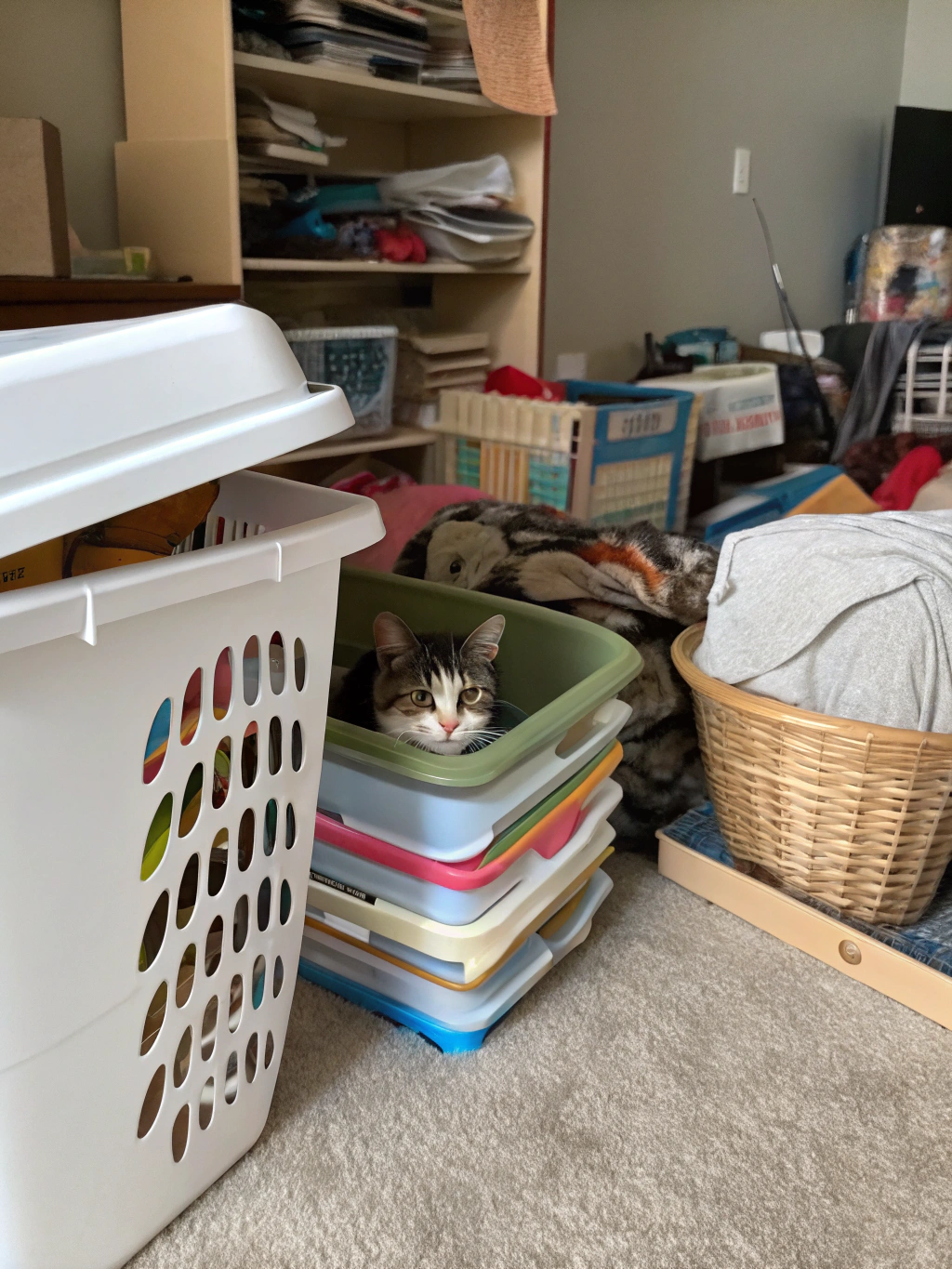
Addressing Cat hiding in the house requires creating an environment where your cat feels comfortable and secure. Here are the essential supplies you’ll need:
Hiding Spots & Safe Spaces: Invest in cat caves, enclosed beds, or cardboard boxes strategically placed in quiet areas. These provide controlled hiding options where you can still monitor your cat’s wellbeing while respecting their need for privacy.
Interactive Toys: Feather wands, puzzle feeders, and motorized mice help build confidence and reduce anxiety-driven hiding by encouraging positive engagement with their environment.
Pheromone Diffusers: Products containing synthetic feline facial pheromones (like Feliway) create a calming atmosphere and can reduce stress-related hiding behaviors within 2-4 weeks of consistent use.
Quality Litter Boxes: Provide one litter box per cat plus one extra, placed in easily accessible yet private locations. Covered boxes can offer security but may trap odors—monitor your cat’s preference.
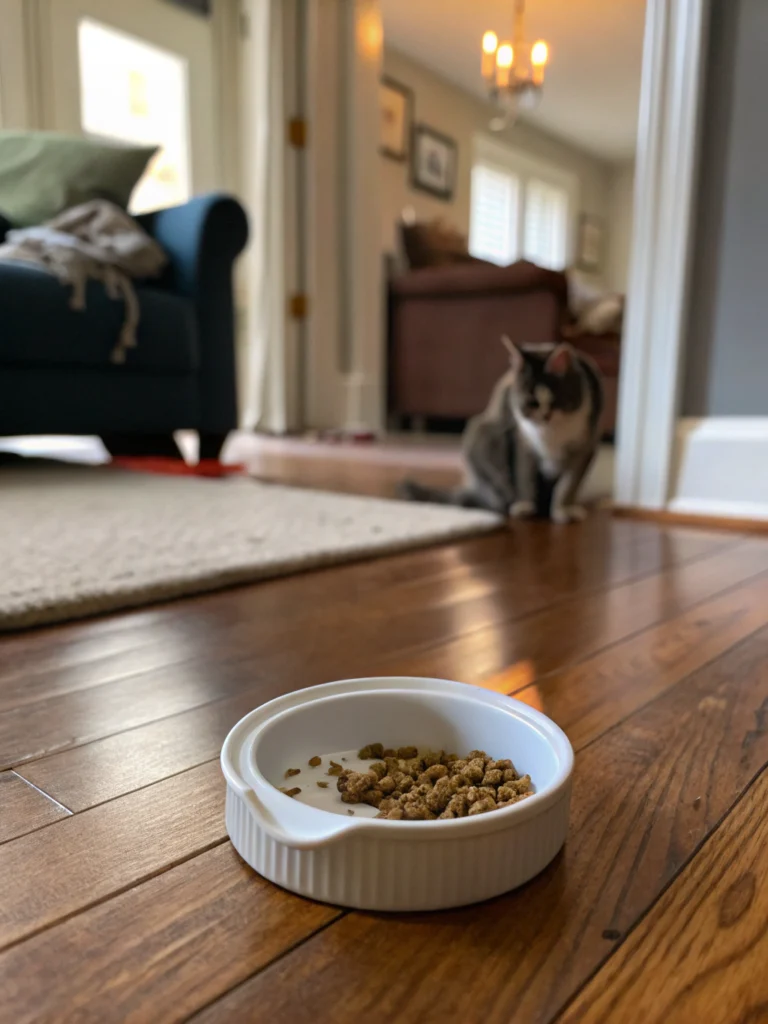
Nutritious Cat Food: High-quality, protein-rich food supports overall health and reduces stress. Consider puzzle feeders to make mealtime an enrichment activity.
Scratching Posts & Cat Trees: Vertical spaces allow cats to survey their territory from elevated positions, increasing confidence and reducing the need to hide at ground level.
Grooming Tools: Regular brushing sessions build trust and help you identify health issues that might cause hiding behavior.
Water Fountains: Fresh, flowing water encourages hydration and creates a positive focal point in your cat’s environment.
Cat Carrier: A comfortable, always-accessible carrier doubles as a safe hiding spot and reduces stress during necessary vet visits.
Timeline / Progress Expectations
Understanding the timeline for behavioral improvements helps set realistic expectations when addressing hiding problems:
Days 1-3: Begin environmental modifications and observe your cat’s hiding patterns without forcing interaction. Document when, where, and how long your cat hides.
Week 1: Most cats show slight improvement with consistent pheromone diffuser use and access to appropriate hiding spots. Expect gradual curiosity about new toys or enrichment items.
Weeks 2-3: With daily positive reinforcement and predictable routines, cats typically reduce excessive hiding by 30-40%. They may begin spending more time in common areas during quiet periods.
Weeks 4-6: Significant behavioral improvements become evident. Cats often establish new, healthier patterns of alternating between social time and private retreats.
Months 2-3: Most cats achieve stable, balanced hiding behavior where they use safe spaces appropriately rather than remaining hidden excessively.
Long-term maintenance: Continue daily play sessions (15-20 minutes), maintain environmental consistency, and monitor for regression during stressful events like moving or introducing new pets.
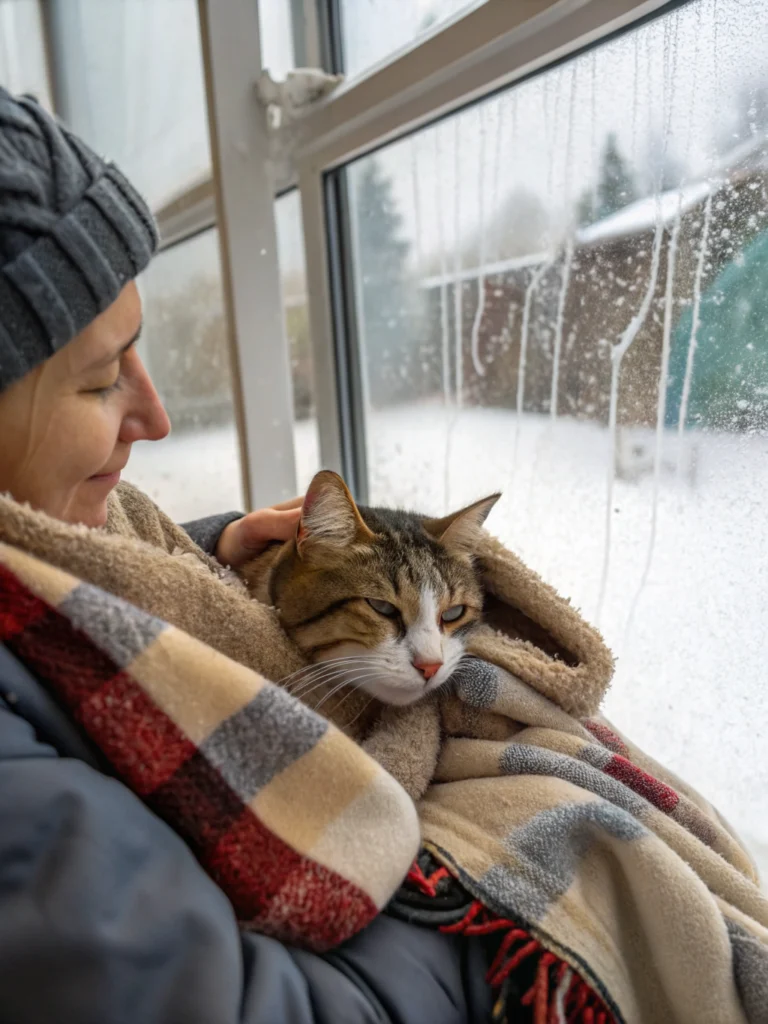
Seasonal considerations: Cats may hide more during extreme weather, fireworks seasons, or holiday periods with increased household activity. Plan additional enrichment during these times.
Step-by-Step Instructions
Step 1: Identify Hiding Triggers
Observe your cat carefully to determine what prompts hiding behavior. Common triggers include loud noises, unfamiliar visitors, other pets, schedule changes, or medical discomfort. Keep a journal noting the time, duration, and circumstances surrounding each hiding episode. This data helps you address root causes rather than symptoms.
Step 2: Create Strategic Safe Zones
Designate 2-3 “official” hiding spots in quiet, low-traffic areas. Place comfortable bedding, familiar scented items, and ensure each spot has multiple exit routes (cats feel trapped in dead-ends). Position these zones away from litter boxes and feeding areas to establish clear territorial boundaries.
Step 3: Implement Gradual Desensitization
If specific triggers cause hiding, slowly desensitize your cat using positive associations. For noise sensitivity, play recordings at very low volume while offering treats or engaging play. Gradually increase volume over weeks as your cat builds tolerance and associates the sound with positive experiences.
Step 4: Establish Predictable Routines
Feed, play, and interact with your cat at consistent times daily. Predictability reduces anxiety and helps cats feel secure enough to emerge from hiding. Use distinctive cues like specific phrases or sounds before feeding or play sessions.
Step 5: Use Positive Reinforcement
Never forcibly remove a hiding cat—this reinforces fear. Instead, reward emergence with high-value treats, gentle praise, or favorite activities. Place treats progressively closer to hiding spots, then gradually further away, encouraging voluntary exploration.
Step 6: Increase Environmental Enrichment
Rotate toys weekly to maintain novelty. Create vertical pathways using cat trees and wall-mounted shelves. Introduce window perches for outdoor viewing. Hide treats or kibble around the house for foraging activities that build confidence through rewarding exploration.
Step 7: Schedule Regular Play Sessions
Engage in interactive play twice daily using wand toys that mimic prey movements. Allow your cat to “catch” the prey regularly to prevent frustration. End sessions with a small meal to satisfy the hunt-catch-eat instinct, promoting contentment and reducing anxiety.
Step 8: Monitor Health Indicators
Schedule a veterinary examination to rule out medical causes like dental pain, arthritis, or urinary issues that could prompt hiding. Cats often conceal illness, making professional evaluation essential when behavior changes suddenly.
Health Benefits / Cat Advantages
Properly managing hiding behavior delivers significant health and wellness benefits:
Reduced Stress Levels: Cats with appropriate hiding options and predictable environments show 45% lower cortisol levels compared to those in unpredictable settings, according to feline behavior research.
Improved Immune Function: Chronic stress suppresses immune response. Cats who feel secure demonstrate better resistance to infections and faster recovery from illness.
Enhanced Mental Stimulation: Addressing hiding through enrichment rather than restriction keeps cats mentally engaged, reducing depression and cognitive decline, particularly in senior cats.
Better Weight Management: Confident cats engage more actively with their environment, maintaining healthier body composition through natural activity rather than sedentary hiding.
Stronger Human-Cat Bond: Addressing hiding concerns with patience and positive methods builds trust, resulting in more affectionate, interactive relationships.
Decreased Behavioral Problems: Cats who feel safe exhibit fewer destructive behaviors, inappropriate elimination, and aggression—problems often rooted in insecurity.
Longer Lifespan: Studies indicate that cats in low-stress environments with appropriate enrichment live an average of 2-3 years longer than those in chronically stressful situations.
Alternative Methods & Tips
Different situations call for adapted approaches:
Small Living Spaces: Maximize vertical territory with wall-mounted shelves and tall cat trees. Use furniture strategically to create secluded nooks without dedicating floor space.
Multi-Cat Households: Ensure each cat has individual resources (food, water, litter, hiding spots) to prevent competition-driven hiding. Place resources on different levels and in separate areas.
Budget-Friendly Options: Cardboard boxes with cut-out entrances make excellent hiding spots. Paper bags (handles removed), empty shipping boxes, and homemade blanket tents provide free or low-cost alternatives.
Indoor-Only Cats: Compensate for reduced stimulation with catios (enclosed outdoor patios), window bird feeders, and nature videos designed for cats. Rotate scents using safe herbs like catnip or silvervine.
Senior Cats: Provide low-entry hiding spots accessible without jumping. Consider heated beds for arthritic cats and place resources on a single level to reduce mobility challenges.
Timid Personality Types: Accept that some cats naturally prefer solitude. Focus on ensuring their hiding is choice-based rather than fear-driven by providing multiple comfortable options.
Climate Considerations: In hot climates, ensure hiding spots remain cool with adequate airflow. In cold regions, provide enclosed, insulated options away from drafts.
Common Mistakes to Avoid
Sidestepping these frequent errors accelerates progress:
Forcing Interaction: Pulling cats from hiding spots damages trust and intensifies fear. Always allow voluntary emergence using positive incentives.
Insufficient Hiding Options: Ironically, providing appropriate hiding spots reduces excessive hiding. Cats without sanctioned options find inappropriate or inaccessible places.
Inconsistent Routines: Irregular feeding, cleaning, or interaction schedules create uncertainty that triggers defensive hiding behavior.
Overlooking Medical Issues: Assuming all hiding is behavioral risks missing pain, illness, or sensory decline that requires veterinary intervention.
Punishment-Based Training: Scolding or spraying water when cats hide reinforces anxiety and worsens the underlying problem.
Single-Strategy Approach: Effective management combines environmental modification, enrichment, routine consistency, and positive reinforcement rather than relying on one technique.
Neglecting Gradual Introduction: When adding new pets, furniture, or household members, rushed introductions overwhelm cats and trigger extended hiding.
Inadequate Litter Box Maintenance: Dirty litter boxes cause stress that manifests as hiding. Scoop daily and completely change litter weekly.
Overstimulation: While enrichment is crucial, excessive noise, activity, or forced handling can overwhelm sensitive cats. Balance stimulation with quiet time.
Storage & Maintenance Tips
Maintaining a healthy environment supports long-term behavioral success:
Cat Food Storage: Keep dry food in airtight containers in cool, dark locations to preserve freshness. Store opened wet food in the refrigerator for no more than 2-3 days. Spoiled food can cause illness that triggers hiding.
Litter Box Hygiene: Scoop boxes twice daily minimum. Completely empty, wash with mild soap, and refill with fresh litter weekly. Deep clean the area monthly to eliminate odor buildup that might cause avoidance.
Toy Rotation & Cleaning: Wash fabric toys weekly in hot water without fabric softener (which can irritate cats). Disinfect hard toys with pet-safe cleaners. Rotate toys every 4-5 days to maintain novelty.
Bedding Maintenance: Wash cat beds, blankets, and hiding spot liners every 1-2 weeks using unscented, hypoallergenic detergent. Always air-dry thoroughly before returning to use.
Pheromone Diffuser Care: Replace diffuser refills every 4 weeks and clean the unit monthly following manufacturer instructions to ensure consistent effectiveness.
Scratching Post Upkeep: Inspect posts weekly for stability and wear. Replace sisal rope or cardboard inserts when significantly frayed to maintain appeal and safety.
Seasonal Deep Cleaning: Conduct thorough environmental cleaning quarterly, addressing hidden dust, dander, or mold that might affect respiratory health and trigger stress-related hiding.
Supply Organization: Designate specific storage for cat supplies, keeping frequently used items accessible. This streamlines routine maintenance and prevents oversight that could affect your cat’s comfort.
Conclusion
Addressing cat hiding behavior requires patience, environmental awareness, and commitment to understanding your feline companion’s unique needs. By implementing the strategies outlined—from creating appropriate safe spaces and establishing predictable routines to providing enrichment and using positive reinforcement—you’ll transform excessive hiding into healthy, balanced behavior. Remember that some hiding is normal and beneficial; the goal isn’t elimination but management that ensures your cat’s emotional and physical wellbeing.
FAQs
Q: How long should I wait before being concerned about my cat hiding?
A: Occasional hiding for a few hours is normal, especially after stressful events. However, if your cat hides continuously for more than 24 hours, refuses food or water, or shows other behavioral changes, consult your veterinarian immediately. Sudden, prolonged hiding often indicates illness or pain requiring professional evaluation.
Q: Is it okay to let my cat hide all day if they seem comfortable?
A: While respecting your cat’s need for alone time is important, hiding all day suggests either insufficient enrichment or underlying anxiety. Cats should balance rest with active periods totaling 3-4 hours daily. Gradually increase environmental engagement using the step-by-step methods described to encourage healthier patterns.
Q: Can I create a hiding spot that’s also accessible for medication or monitoring?
A: Yes! Choose partially enclosed options like cat caves with large openings or covered beds with removable tops. This allows your cat to feel secure while enabling you to check on them or administer care without causing additional stress through forced extraction.
Q: Will getting a second cat help my shy cat come out of hiding?
A: This depends entirely on your cat’s personality. Some cats gain confidence from feline companionship, while others experience increased stress from territorial competition. If considering a second cat, conduct slow, supervised introductions and ensure you can provide separate resources and spaces for each cat.
Q: How can I tell if hiding is behavioral versus medical?
A: Medical hiding typically appears suddenly, accompanies physical symptoms (reduced appetite, lethargy, vocalization, litter box changes), and persists despite environmental improvements. Behavioral hiding usually has identifiable triggers and responds to management strategies. When in doubt, always consult your veterinarian to rule out health issues before assuming behavioral causes.