How to Stop Cat Clawing Furniture
How to Stop Cat Clawing Furniture
Table of Contents
How to Stop Cat Clawing Furniture
Introduction
Did you know that up to 85% of cat owners report furniture damage as one of their top frustrations? If you’ve ever come home to find your favorite couch shredded or your curtains hanging by a thread, you’re not alone. Cats have a natural instinct to scratch, and understanding why they do it is the first step in protecting your furniture. Learning How to stop cat clawing furniture doesn’t mean suppressing your cat’s instincts—it means redirecting them effectively. In this comprehensive guide, we’ll explore proven strategies, essential supplies, and expert tips to help you Prevent cat claw damage while keeping your feline friend happy and healthy.
Cat Supplies & Essentials
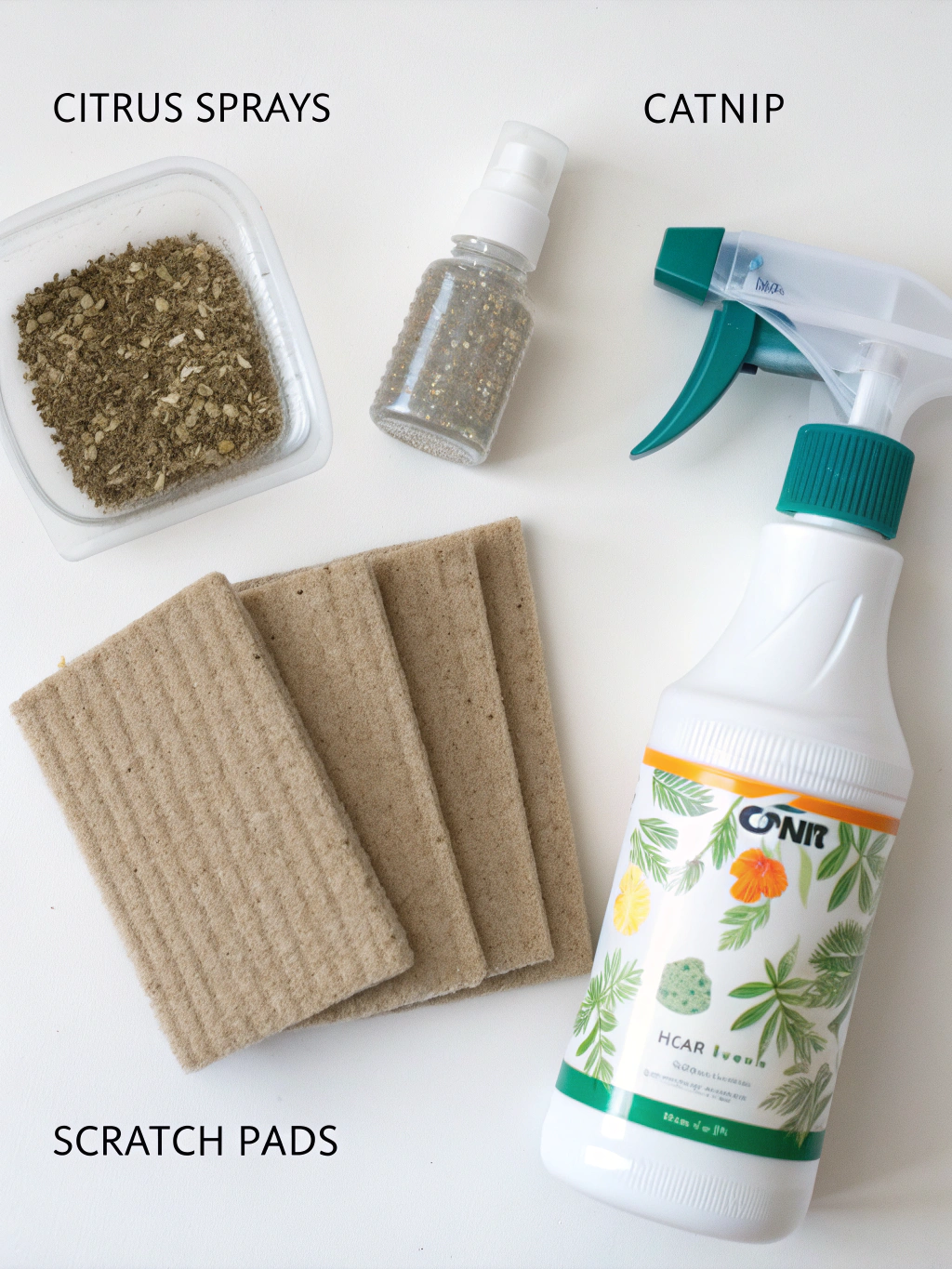
To effectively redirect your cat’s scratching behavior, you’ll need the right tools and supplies:
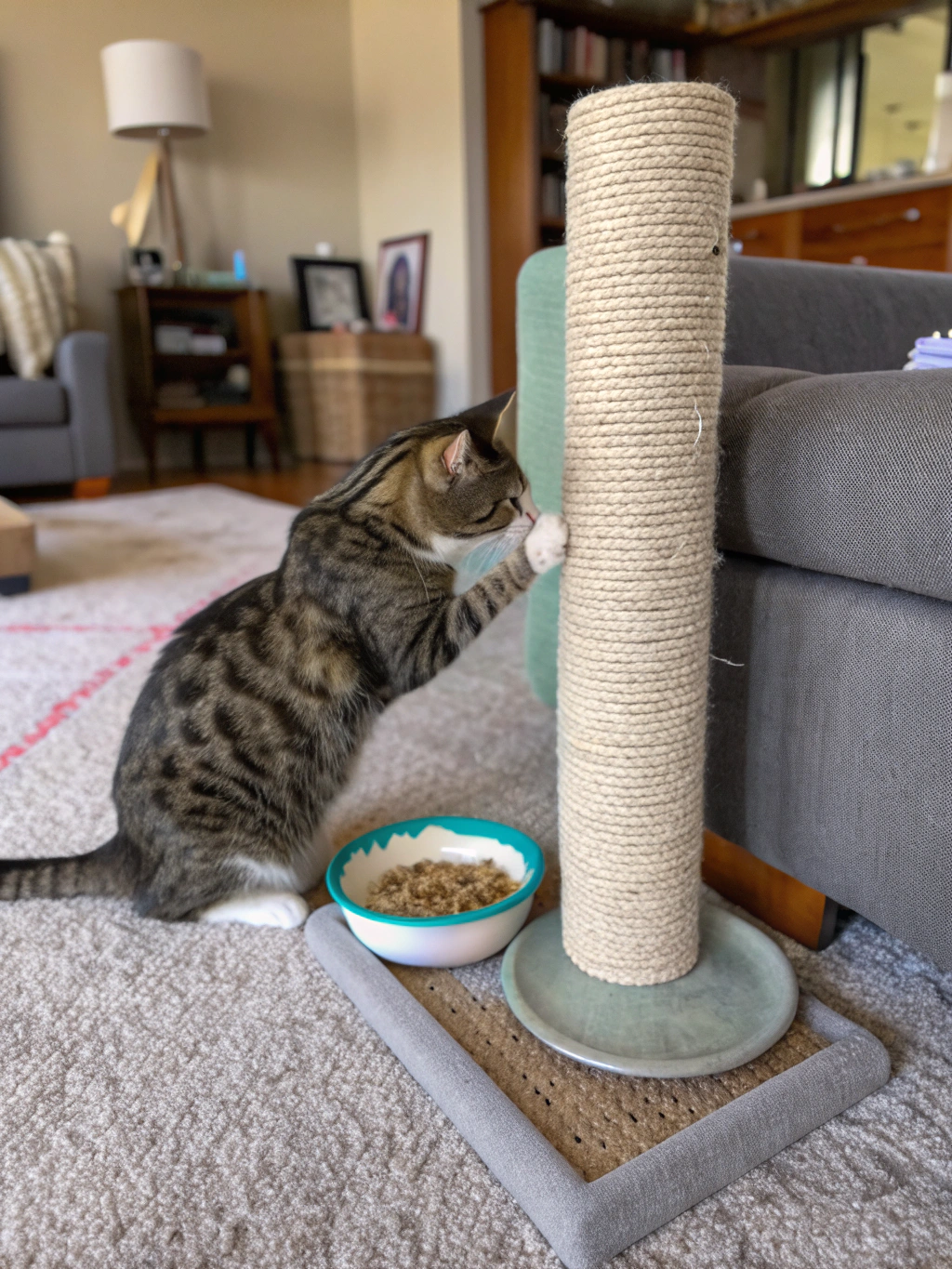
Scratching Posts & Pads: These are non-negotiable essentials. Choose tall, sturdy posts covered in sisal rope or corrugated cardboard. Cats need to stretch fully when scratching, so opt for posts at least 30 inches tall.
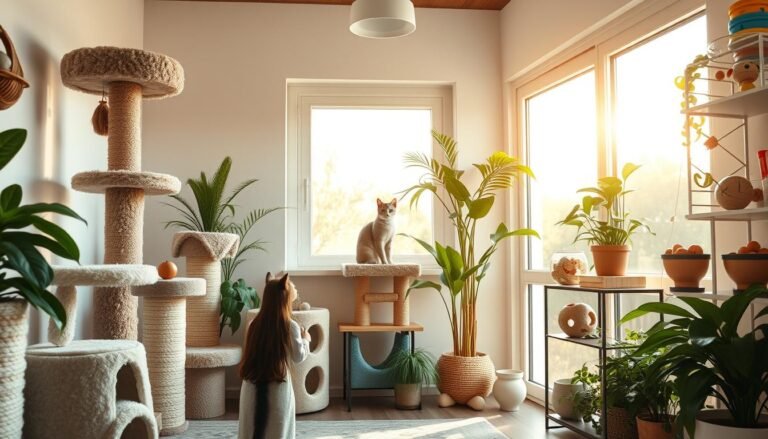
Cat Trees & Climbing Structures: Multi-level cat trees provide both scratching surfaces and climbing opportunities, satisfying multiple instinctive behaviors simultaneously.
Horizontal Scratchers: Some cats prefer horizontal scratching surfaces. Cardboard scratchers or flat sisal mats placed on the floor can be excellent alternatives.
Scratch Deterrent Sprays: Citrus-scented or commercial deterrent sprays make furniture less appealing without harming your cat.
Double-Sided Tape or Furniture Guards: Sticky Paws or similar products create an unpleasant texture that discourages scratching on furniture.
Nail Clippers & Files: Regular nail maintenance reduces the damage potential. Cat-specific clippers ensure safe, comfortable trimming.
Soft Nail Caps: Products like Soft Claws provide a temporary solution by covering sharp claws with soft plastic caps.
Interactive Toys: Feather wands, laser pointers, and puzzle toys help burn excess energy that might otherwise be directed at furniture.
Catnip or Silvervine: These natural attractants encourage cats to use designated scratching areas.
Cat Treats: Positive reinforcement treats reward good scratching behavior.
Timeline / Progress Expectations
Understanding the timeline for behavioral change helps set realistic expectations:
Week 1-2: Introduction phase. Place new scratching posts near furniture your cat typically targets. Most cats will investigate new items within 24-48 hours. Use catnip to increase initial interest.
Week 3-4: Redirection period. Actively redirect your cat to appropriate scratching surfaces 3-5 times daily. You should see 30-40% reduction in furniture scratching during this period.
Week 5-8: Habit formation. With consistent reinforcement, most cats establish new scratching preferences. Expect 60-80% reduction in unwanted scratching behavior.
Month 3+: Maintenance phase. By this point, 90% of cats will have fully transitioned to appropriate scratching surfaces, though occasional reminders may be necessary.
Daily Routine: Spend 5-10 minutes each day engaging your cat with scratching posts through play. This builds positive associations.
Weekly Check-ins: Inspect scratching posts for wear and replace or repair as needed. Trim your cat’s nails every 2-3 weeks.
Seasonal Considerations: Indoor cats may scratch more during winter months due to decreased outdoor stimulation. Increase interactive play sessions during these periods.
Step-by-Step Instructions
Step 1: Identify Scratching Preferences
Observe where and how your cat scratches. Do they prefer vertical surfaces like couch arms, or horizontal surfaces like carpets? Note the texture and location. This information guides your choice of scratching alternatives.
Step 2: Strategic Placement of Scratching Posts
Place scratching posts directly in front of or next to the furniture your cat targets. Cats often scratch after waking up, so position posts near sleeping areas. Place at least one post in each room your cat frequents.
Step 3: Make Furniture Unappealing
Apply double-sided tape, aluminum foil, or deterrent sprays to furniture surfaces. These create unpleasant sensations without harming your cat. Combine with positive alternatives for best results.
Step 4: Introduce and Encourage Alternative Scratching
Gently place your cat’s paws on the new scratching post, but never force them. Mimic scratching motions with your fingers to demonstrate. Sprinkle catnip on posts to increase appeal.
Step 5: Reward Appropriate Scratching
Immediately praise and treat your cat when they use approved scratching surfaces. Verbal encouragement, treats, and petting create positive associations. Consistency is crucial—reward every time during the training phase.
Step 6: Regular Nail Maintenance
Trim your cat’s nails every 2-3 weeks using proper cat clippers. Remove only the sharp tip, avoiding the pink quick. This reduces damage potential while you’re establishing new habits.
Step 7: Increase Environmental Enrichment
Bored cats are more likely to engage in destructive scratching. Provide 15-20 minutes of active play twice daily using interactive toys. Rotate toys weekly to maintain interest.
Step 8: Consider Temporary Nail Caps
If damage continues during training, apply soft nail caps. These last 4-6 weeks and significantly reduce scratching damage while you work on behavioral changes.
Health Benefits / Cat Advantages
Proper scratching behavior offers numerous benefits for your cat’s physical and mental wellbeing:
Physical Exercise: Scratching provides full-body stretching that maintains muscle tone and flexibility. Cats who scratch regularly show 25% better joint mobility compared to those who don’t.
Claw Health: Natural scratching removes dead outer nail layers, promoting healthy claw growth and preventing painful ingrown nails.
Stress Reduction: Scratching releases feel-good endorphins and marks territory through scent glands in paw pads, reducing anxiety by up to 40% in multi-cat households.
Mental Stimulation: The act of choosing where and when to scratch provides cognitive engagement and decision-making opportunities that combat boredom.
Territorial Confidence: Visual and scent marking through scratching helps cats feel secure in their environment, reducing behavioral problems associated with insecurity.
Energy Outlet: Regular scratching sessions burn calories and provide healthy energy release, particularly important for indoor cats with limited activity options.
Alternative Methods & Tips
Small Space Solutions: Wall-mounted scratchers save floor space while providing vertical scratching opportunities. Corner-mounted posts protect furniture edges effectively.
Budget-Friendly Options: DIY cardboard scratchers cost pennies to make. Simply stack corrugated cardboard pieces tightly and secure with non-toxic glue.
Multi-Cat Households: Provide one scratching post per cat plus one extra to prevent territorial conflicts. Place posts in different rooms to reduce competition.
Senior Cat Adaptations: Older cats may prefer lower, more accessible horizontal scratchers. Arthritis can make tall posts uncomfortable—offer varied height options.
Temperature Considerations: In warm climates, place scratchers near air vents or cool tiles. Cats seek comfortable scratching locations and will use posts positioned in preferred temperature zones.
Breed-Specific Approaches: Larger breeds like Maine Coons need extra-sturdy, taller posts. Active breeds like Bengals benefit from multi-level scratching trees.
Scent Marking Alternatives: For cats who scratch primarily for scent marking, provide additional territory markers like cat-safe plants or designated rubbing posts.
Common Mistakes to Avoid
Inconsistent Redirection: Redirecting your cat sometimes but not always confuses them. Be consistent every single time you catch inappropriate scratching.
Punishment: Never yell at, spray, or physically punish a scratching cat. This creates fear and anxiety, worsening behavioral problems rather than solving them.
Insufficient Scratching Options: One scratching post for multiple cats or large homes isn’t enough. Provide abundant, varied options throughout your space.
Wrong Post Specifications: Short, wobbly posts won’t satisfy scratching instincts. Cats need tall, stable structures that don’t tip during vigorous scratching.
Removing Posts Too Soon: Once your cat uses a post regularly, keep it there permanently. Moving or removing established scratching areas can trigger regression.
Neglecting Nail Maintenance: Long, sharp claws cause more damage. Regular trimming is essential throughout the training process and beyond.
Ignoring Location Preferences: Placing posts in convenient human spots rather than cat-preferred locations reduces effectiveness. Observe where your cat naturally scratches.
Impatience: Behavioral change takes time. Expecting immediate results within days leads to frustration and abandoned training efforts.
Storage & Maintenance Tips
Scratching Post Care: Vacuum sisal posts weekly to remove loose fibers and debris. Replace heavily worn sections every 6-12 months to maintain appeal.
Cardboard Scratcher Maintenance: Shake out loose cardboard pieces daily. Replace cardboard scratchers every 4-6 weeks or when significantly worn.
Cleaning Deterrent Products: Reapply furniture deterrent sprays weekly or after cleaning furniture. Store sprays in cool, dark locations to maintain potency.
Nail Cap Management: Keep spare nail caps and adhesive on hand. Check caps weekly for loosening and replace as they naturally shed.
Toy Rotation System: Store unused interactive toys in sealed containers with fresh catnip to maintain novelty. Rotate weekly for continued engagement.
Catnip Storage: Keep catnip in airtight containers in the freezer to preserve potency. Fresh catnip is significantly more attractive to cats.
Seasonal Deep Cleaning: Every three months, thoroughly clean all scratching surfaces with enzyme cleaners to remove accumulated oils and maintain texture appeal.
Supply Organization: Designate a specific storage area for all cat supplies including nail clippers, treats, toys, and replacement scratching materials for easy access during training.
Conclusion
Successfully stopping your cat from clawing furniture requires patience, consistency, and understanding of feline behavior. By providing appropriate scratching alternatives, making furniture less appealing, and rewarding desired behaviors, you can protect your belongings while respecting your cat’s natural instincts. Remember that scratching isn’t a behavioral problem—it’s a normal cat need that simply requires proper redirection. Start implementing these strategies today, and within 6-8 weeks, you’ll likely see dramatic improvements. Have you tried any of these techniques? Share your experiences in the comments below, and explore our related posts on cat behavior and training for more helpful insights!
FAQs
Q: How long does it take to stop a cat from scratching furniture?
A: Most cats show significant improvement within 6-8 weeks with consistent training. However, individual results vary based on the cat’s age, personality, and how long the unwanted behavior has been established. Cats with years of furniture-scratching habits may take 3-4 months to fully retrain.
Q: Are nail caps safe for cats?
A: Yes, when properly applied, soft nail caps are safe and humane. They don’t interfere with normal claw retraction and typically cause no discomfort. However, they require replacement every 4-6 weeks and should be considered a temporary solution while establishing proper scratching habits.
Q: Will declawing solve the furniture scratching problem?
A: Declawing is an amputation procedure that’s considered inhumane and is banned in many countries and U.S. cities. It causes permanent pain, behavioral changes, and doesn’t address the underlying scratching instinct. The methods outlined in this article are effective, humane alternatives.
Q: Why does my cat scratch furniture right after I redirect them?
A: This behavior often indicates insufficient appeal of the alternative scratching surface or strong territorial marking instincts. Try making the scratching post more attractive with fresh catnip, placing it in a more desirable location, or increasing the deterrents on the furniture itself.
Q: Can older cats learn to stop scratching furniture?
A: Absolutely! While older cats may take slightly longer to change established habits, they can definitely learn new scratching preferences. The key is patience, consistency, and ensuring the alternative scratching surfaces accommodate any age-related physical limitations like arthritis.