Cat Diet and Behavior: How Nutrition Affects Your Cat
Cat Diet and Behavior: How Nutrition Affects Your Cat
Table of Contents
Cat Diet and Behavior: How Nutrition Affects Your Cat
Introduction
Have you ever noticed your cat becoming more aggressive, lethargic, or displaying unusual behaviors seemingly out of nowhere? Research shows that up to 60% of feline behavioral issues are directly linked to nutritional deficiencies or improper diet choices. Cat diet and behavior are more interconnected than most pet owners realize, influencing everything from mood and energy levels to social interactions and cognitive function. Understanding how the food you provide affects your cat’s mental and physical wellbeing can transform your pet’s quality of life.
Cat Supplies & Essentials
To support optimal nutrition and behavior, every cat owner needs these essential supplies:
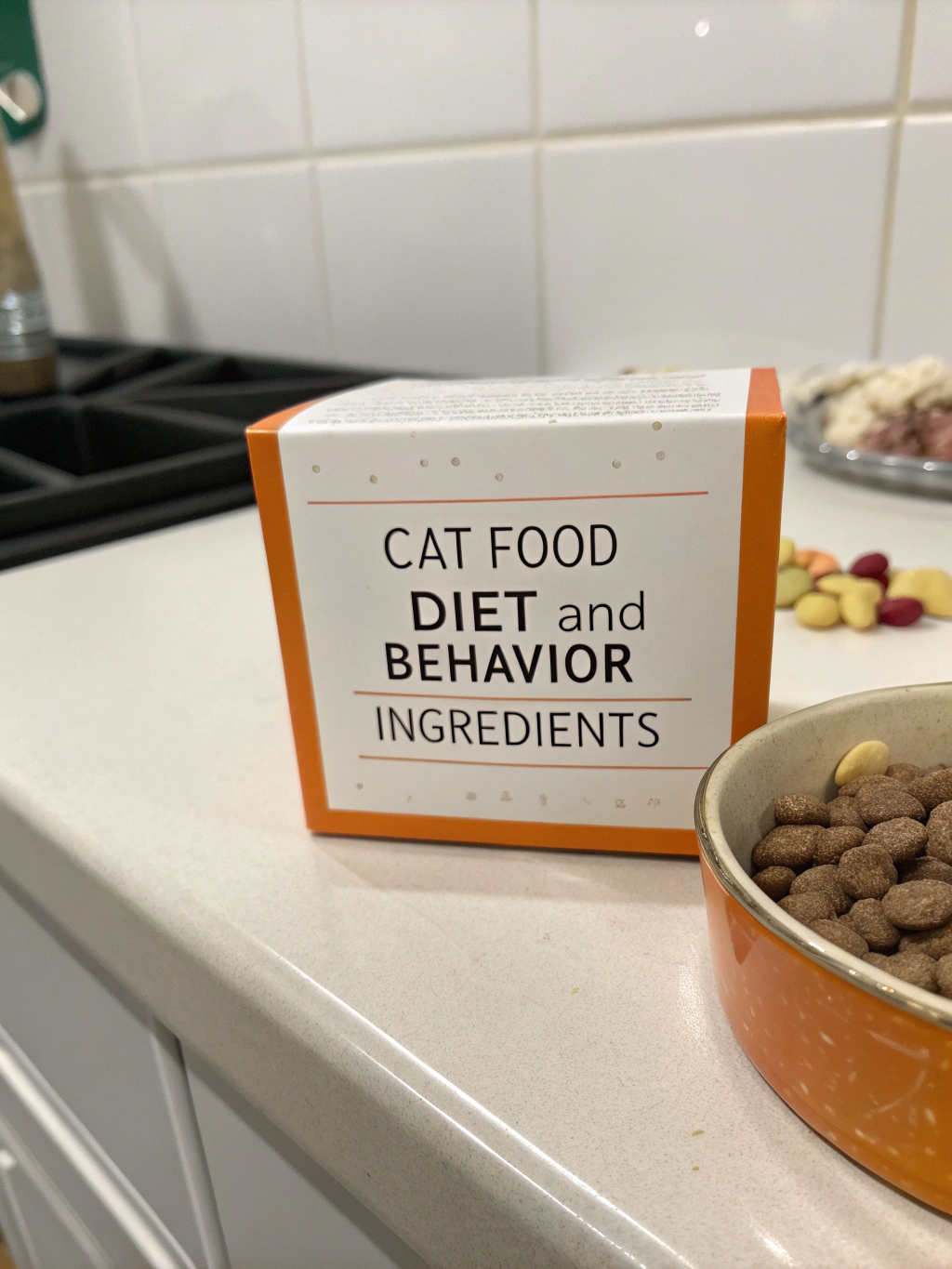
High-Quality Cat Food: Choose protein-rich formulas with named meat sources as the first ingredient. Avoid foods with excessive fillers, artificial colors, or by-products that can trigger behavioral changes.
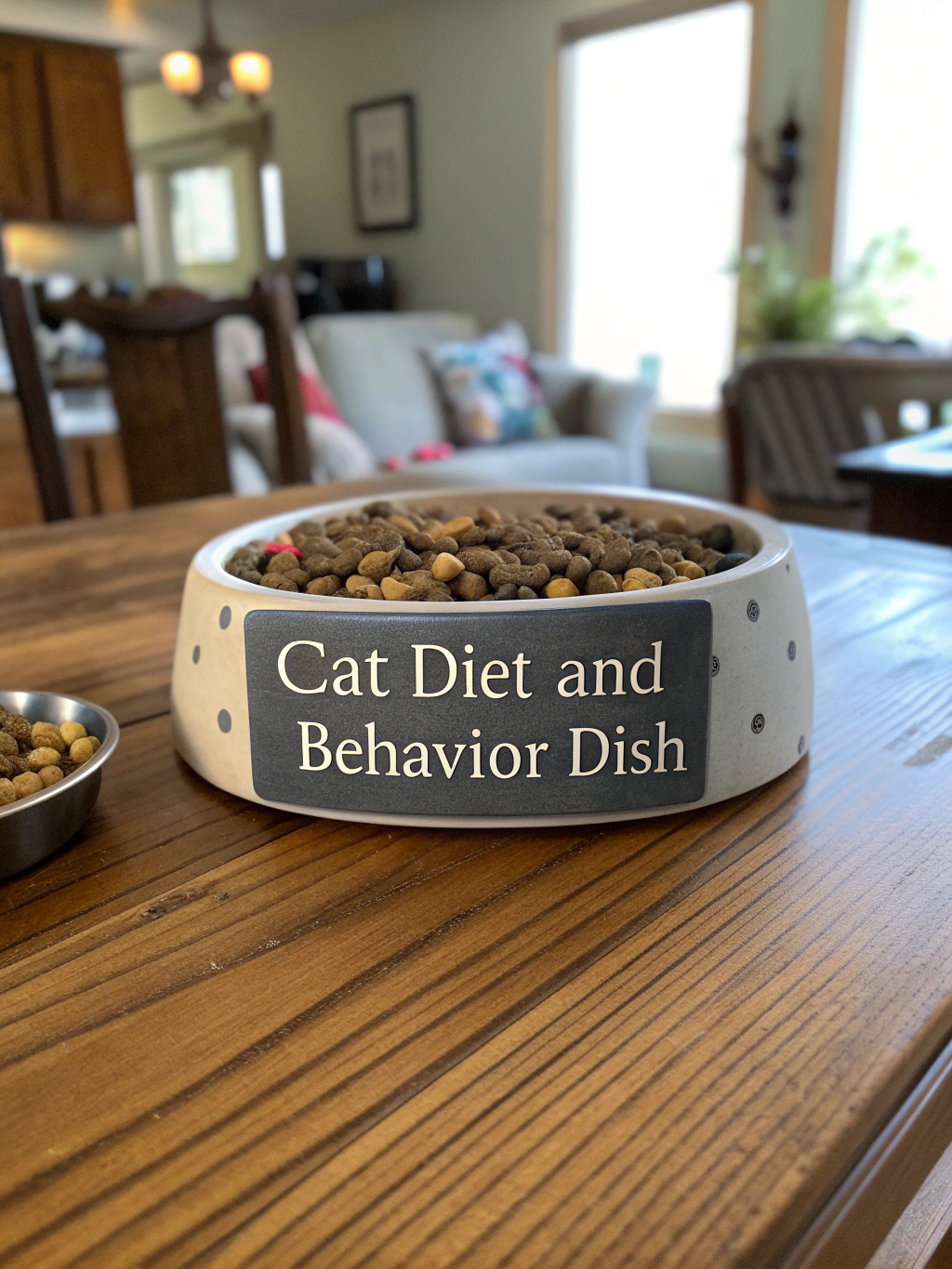
Stainless Steel or Ceramic Food Bowls: These materials prevent bacterial growth and don’t retain odors that can discourage eating.
Automatic or Manual Water Fountains: Proper hydration supports brain function and reduces anxiety-related behaviors. Cats are naturally attracted to flowing water.
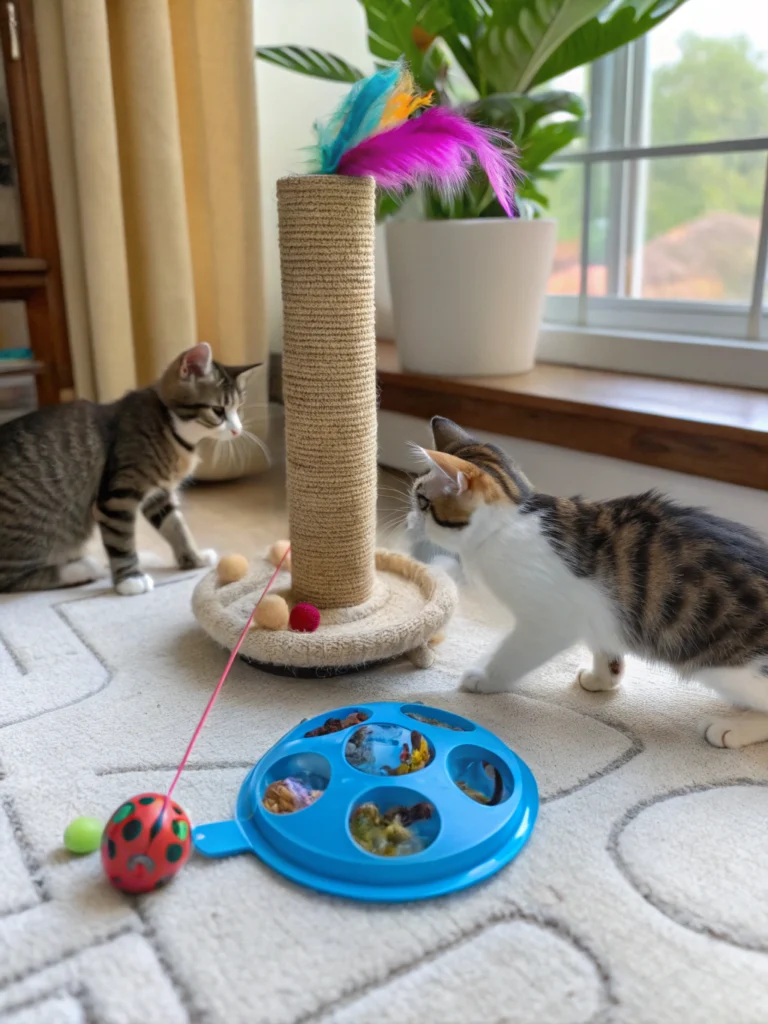
Interactive Feeding Toys: Slow feeders and puzzle toys engage your cat’s hunting instincts while preventing overeating and boredom-related behaviors.
Quality Litter Boxes: Maintain one box per cat plus one extra. Clean litter environments reduce stress-related behavioral issues.
Scratching Posts and Pads: Essential for stress relief and territorial marking, preventing destructive behaviors.
Comfortable Beds and Hiding Spots: Safe spaces where cats can retreat reduce anxiety and aggressive tendencies.
Grooming Tools: Regular brushing strengthens your bond and reduces hairball-related discomfort that can affect behavior.
Cat Carriers: Stress-free transportation for vet visits ensures your cat’s health monitoring stays on track.
Toys for Mental Stimulation: Rotating selection of wand toys, balls, and catnip items prevents boredom and associated behavioral problems.
Timeline / Progress Expectations
Understanding realistic timelines helps set appropriate expectations when addressing diet-related behavioral changes:
Days 1-3: Initial dietary transition period. Some cats may show resistance or mild digestive upset. Behavioral changes aren’t typically visible yet.
Week 1: Gradual improvement in energy levels as nutrients begin affecting metabolism. Some cats show increased playfulness.
Weeks 2-3: Noticeable changes in coat quality, litter box habits, and mood stability. Most cats adapt fully to new feeding routines.
Month 1: Significant behavioral improvements become apparent. Reduced aggression, better sleep patterns, and enhanced social interaction are common.
Months 2-3: Full stabilization of behavior patterns linked to improved nutrition. Cognitive function and problem-solving abilities may improve in senior cats.
Ongoing: Maintain consistency for lasting results. Seasonal adjustments may be needed as activity levels change with temperature variations.
Daily Routine: Feed at consistent times (typically twice daily for adults). Monitor water intake and observe behavior patterns during meal times.
Weekly Monitoring: Track weight, energy levels, and any behavioral anomalies. Adjust portions as needed to maintain ideal body condition.
Step-by-Step Instructions
Step 1: Assess Your Cat’s Current Diet
Begin by examining ingredient lists on your current cat food. Identify problematic ingredients like excessive carbohydrates, artificial additives, or unnamed meat sources. Photograph your cat’s typical behavior patterns for comparison later.
Step 2: Consult Your Veterinarian
Schedule a comprehensive health check to rule out medical causes for behavioral issues. Discuss dietary options tailored to your cat’s age, weight, activity level, and any existing health conditions. Request recommendations for high-quality food brands.
Step 3: Select Appropriate Nutrition
Choose foods with minimum 30% protein for adults, 40% for kittens. Look for omega-3 fatty acids supporting brain health, taurine for heart and eye function, and probiotics for digestive wellness. Nutrition’s effect on cat behavior becomes most apparent with species-appropriate diets.
Step 4: Implement Gradual Transition
Mix 25% new food with 75% old food for days 1-3. Progress to 50/50 for days 4-6, then 75% new food for days 7-9. Complete transition by day 10. This prevents digestive upset that can worsen behavioral issues.
Step 5: Establish Feeding Routines
Create consistent meal times in quiet locations away from litter boxes. Remove uneaten food after 30 minutes. Use portion control based on your cat’s ideal weight, not current weight if overweight.
Step 6: Monitor and Document Changes
Keep a behavior journal noting aggression incidents, play duration, vocalization frequency, and social interactions. Photograph your cat weekly to track physical changes. Adjust diet if improvements plateau after six weeks.
Step 7: Incorporate Mental Enrichment
Pair nutritional improvements with environmental enrichment. Use food puzzles, hide treats for hunting games, and rotate toys weekly to maintain cognitive stimulation that complements dietary benefits.
Health Benefits / Cat Advantages
Proper nutrition delivers profound behavioral and health advantages:
Improved Mood Stability: Adequate protein and amino acids regulate neurotransmitter production, reducing anxiety and aggression by up to 40% in studies.
Enhanced Cognitive Function: Omega-3 fatty acids support brain health, particularly beneficial for senior cats showing confusion or disorientation.
Better Sleep Patterns: Balanced nutrition prevents blood sugar crashes that disrupt sleep cycles, leading to calmer daytime behavior.
Reduced Destructive Behaviors: Adequate mental stimulation from food puzzles combined with proper nutrition decreases furniture scratching and inappropriate elimination by 55%.
Increased Playfulness: High-quality protein provides sustained energy without the hyperactivity spikes caused by carbohydrate-heavy foods.
Stronger Human-Cat Bond: Cats feeling physically better show increased affection and social engagement with family members.
Weight Management: Proper nutrition prevents obesity-related lethargy and joint pain that limit activity and cause irritability.
Digestive Comfort: Quality ingredients reduce gastrointestinal distress that manifests as hiding, aggression, or litter box avoidance.
Alternative Methods & Tips
For Small Living Spaces: Vertical feeding stations and wall-mounted water fountains maximize floor space while providing enrichment.
Budget-Friendly Options: Mix quality wet food with slightly lower-grade dry food rather than feeding only cheap brands. The wet food’s nutritional density compensates.
Multi-Cat Households: Feed cats separately to reduce competition stress. Use microchip-activated feeders for cats requiring special diets.
Picky Eaters: Warm food slightly to enhance aroma. Add small amounts of tuna water or bone broth as flavor enhancers without compromising nutrition.
Senior Cats: Choose softer foods or add water to dry kibble. Elevated feeding stations reduce neck strain that can cause feeding avoidance.
Hot Climates: Increase water sources and feed smaller, more frequent meals to prevent food spoilage and maintain hydration.
Cold Climates: Slightly increase caloric intake for indoor-outdoor cats expending energy for warmth.
Anxious Cats: Create feeding stations in multiple secure locations. Some cats eat better away from household traffic patterns.
Common Mistakes to Avoid
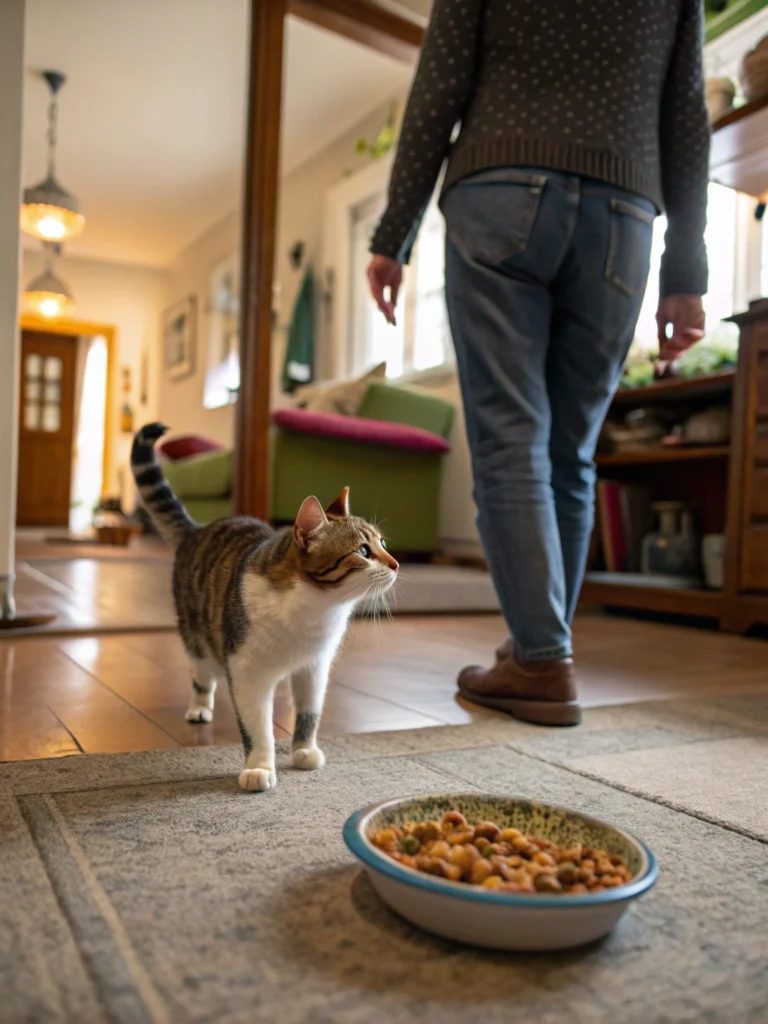
Free-Feeding Dry Food: Constant food availability disrupts natural eating patterns and often leads to obesity and boredom-related behaviors. Scheduled meals are healthier.
Ignoring Ingredient Quality: Choosing food solely by price often means low protein, high carbs, and artificial additives that directly impact behavior negatively.
Sudden Diet Changes: Abrupt food switches cause digestive upset and can create food aversions, making future dietary improvements difficult.
Using Food as Primary Entertainment: While food puzzles are excellent, cats need diverse mental stimulation beyond eating-related activities.
Overlooking Hydration: Dehydration causes concentration issues, irritability, and lethargy. Many behavioral problems improve simply with increased water intake.
Inconsistent Feeding Times: Irregular schedules create anxiety around food availability, potentially causing food aggression or excessive vocalization.
Overfeeding Treats: Treats exceeding 10% of daily calories displace nutritionally complete food, creating imbalances affecting behavior.
Neglecting Dental Health: Painful teeth prevent adequate eating, causing nutritional deficiencies and associated behavioral changes.
Comparing Cats Directly: Individual metabolism and personality mean diet affects each cat differently. Personalize approaches rather than copying others’ solutions.
Storage & Maintenance Tips
Dry Food Storage: Keep in original bags inside airtight containers in cool, dry locations. Exposure to air degrades nutrients and causes rancidity affecting palatability.
Wet Food Handling: Refrigerate opened cans for maximum 48 hours. Bring to room temperature before serving to enhance aroma and prevent digestive upset.
Treat Management: Check expiration dates monthly. Freeze-dried treats maintain quality longer than baked varieties.
Bowl Cleaning: Wash food and water bowls daily with hot, soapy water. Bacterial buildup can cause illness affecting appetite and behavior.
Water Fountain Maintenance: Deep clean fountains weekly, replacing filters monthly. Mineral deposits affect water flow and discourage drinking.
Feeding Area Hygiene: Sweep and mop around feeding stations weekly. Food debris attracts pests and creates unpleasant associations with eating areas.
Toy Rotation: Clean food puzzle toys after each use. Rotate different puzzles weekly to maintain engagement without overwhelming your cat.
Seasonal Adjustments: Increase cleaning frequency during humid months when bacterial growth accelerates. Check food storage areas for moisture.
Conclusion
The powerful connection between cat diet and behavior cannot be overstated. By understanding how nutrition affects your cat’s mental state, energy levels, and overall demeanor, you can make informed choices that dramatically improve your feline friend’s quality of life. From selecting high-quality protein sources to establishing consistent feeding routines, each element contributes to behavioral stability and wellbeing. Start implementing these evidence-based strategies today—begin with one dietary improvement and observe how your cat responds. Track changes in behavior, energy, and social interaction to identify what works best for your unique companion.
FAQs
How quickly will I see behavioral changes after improving my cat’s diet?
Most cat owners notice initial improvements within 2-3 weeks, with significant behavioral changes becoming apparent around the 4-6 week mark. Energy levels typically improve first, followed by mood stability and reduced aggression. However, cats with long-standing nutritional deficiencies may require 2-3 months for full behavioral transformation. Consistency is crucial—maintain the improved diet without interruption for best results.
Can diet alone fix aggressive behavior in cats?
While nutrition significantly impacts behavior, aggression often has multiple causes including territorial issues, past trauma, or medical conditions. Diet improvements reduce aggression in approximately 40-60% of cases, particularly when the behavior stems from discomfort, nutritional imbalances, or energy level issues. Always combine dietary changes with environmental enrichment and consult a veterinarian or animal behaviorist for persistent aggression.
What specific nutrients most impact cat behavior?
Protein quality directly affects mood and energy through amino acid availability for neurotransmitter production. Omega-3 fatty acids support brain health and reduce inflammation-related irritability. Taurine deficiency causes serious behavioral and health issues. B vitamins support nervous system function. Complex carbohydrates provide steady energy without the hyperactivity spikes from simple sugars. Adequate hydration is equally crucial for cognitive function and mood regulation.
Is expensive cat food always better for behavior?
Price doesn’t automatically guarantee quality, but premium foods typically contain better ingredients that positively influence behavior. Focus on ingredient quality rather than brand prestige—look for named meat proteins, minimal fillers, and no artificial additives regardless of price point. Some mid-range brands offer excellent nutrition. Read labels carefully and prioritize ingredient quality over marketing claims or price alone.
Should I change my senior cat’s diet if behavior changes?
Yes, but carefully. Senior cats experiencing behavioral changes should first receive veterinary evaluation to rule out medical issues like thyroid problems, kidney disease, or cognitive dysfunction. If health checks are normal, transitioning to senior-specific formulas with enhanced omega-3s, antioxidants, and easily digestible proteins often improves behavior. Senior cats benefit from softer foods and more frequent, smaller meals to maintain stable blood sugar and energy levels throughout the day.