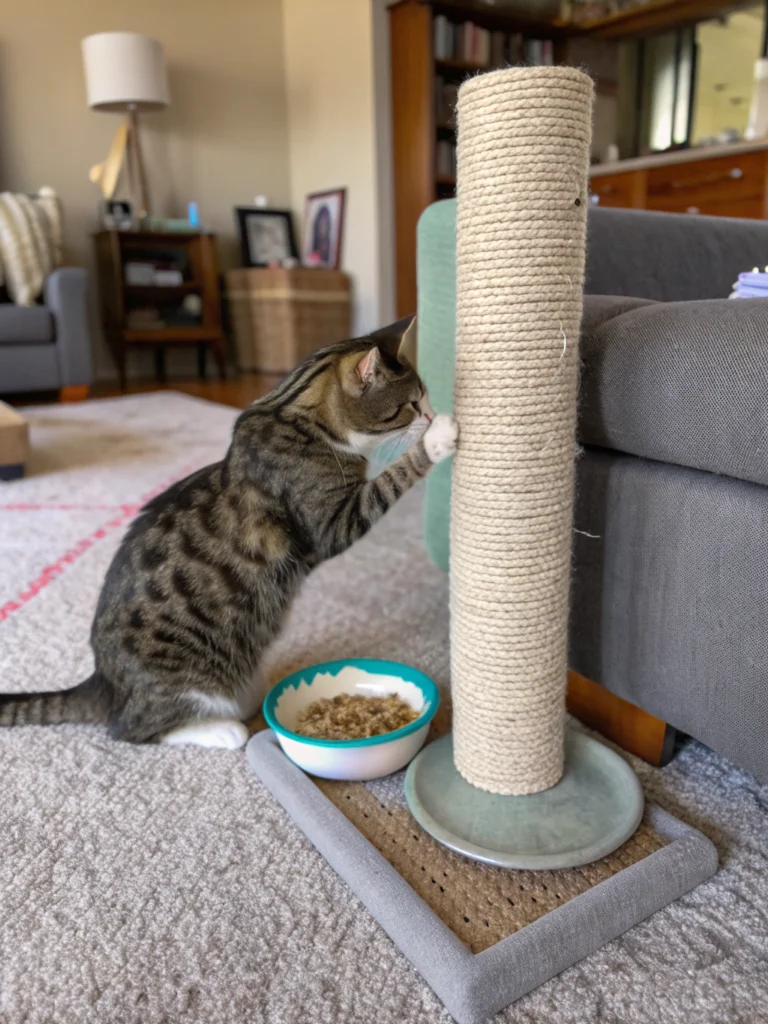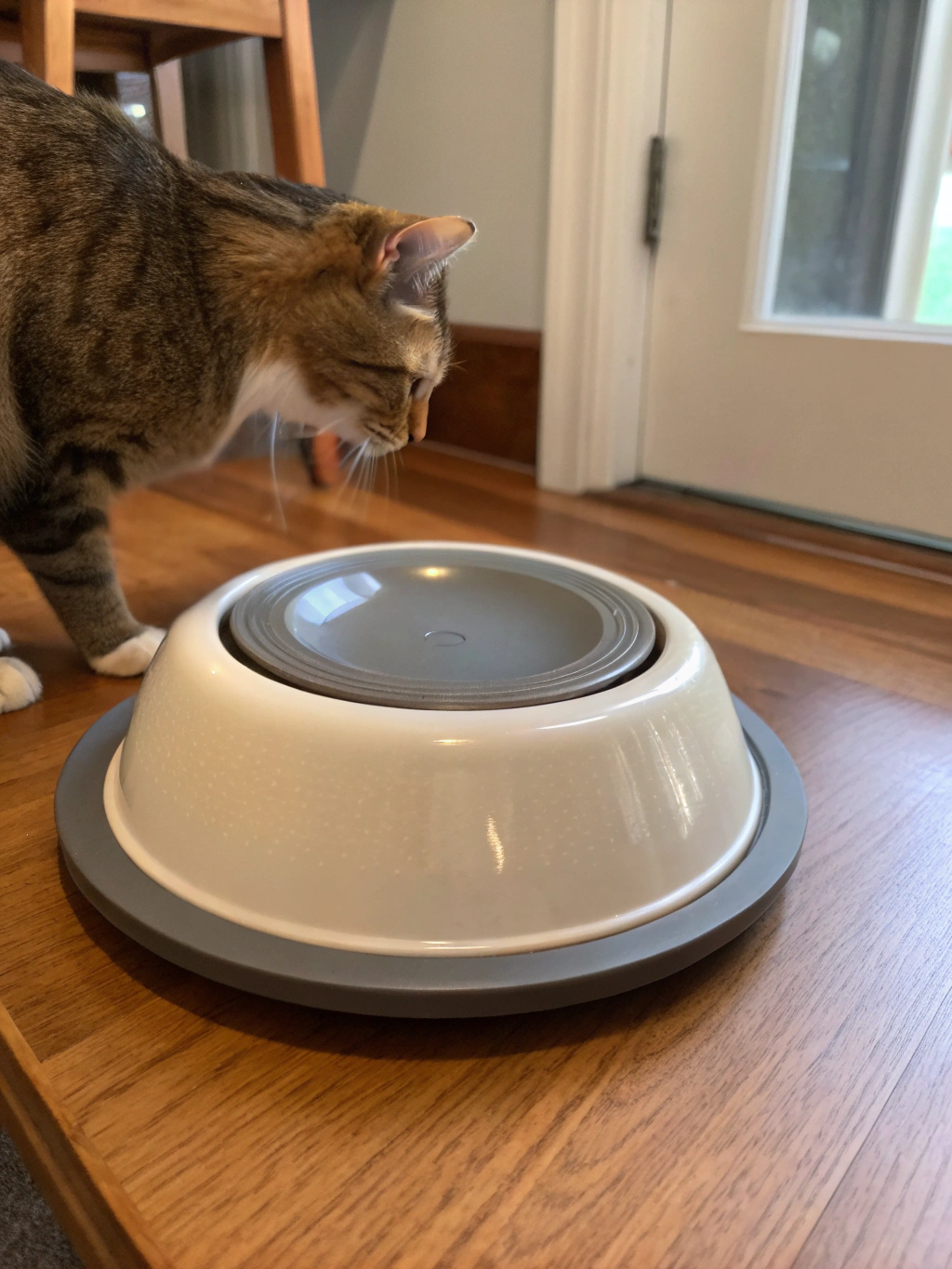
Preventing Cat Scratching Damage
Preventing Cat Scratching Damage
Table of Contents
Preventing Cat Scratching Damage: Save Your Furniture and Keep Your Cat Happy
Introduction
Did you know that approximately 75% of cat owners report furniture damage due to scratching, making it one of the most common behavioral complaints among feline guardians? Preventing cat scratching damage isn’t about stopping a natural behavior—it’s about redirecting it effectively. Scratching serves essential purposes for cats: it maintains claw health, marks territory, stretches muscles, and relieves stress. Understanding this instinct is the first step toward protecting your furniture while keeping your feline companion mentally and physically satisfied. With the right strategies, supplies, and consistency, you can create a harmonious home where both your belongings and your cat’s needs are respected.
Cat Supplies & Essentials
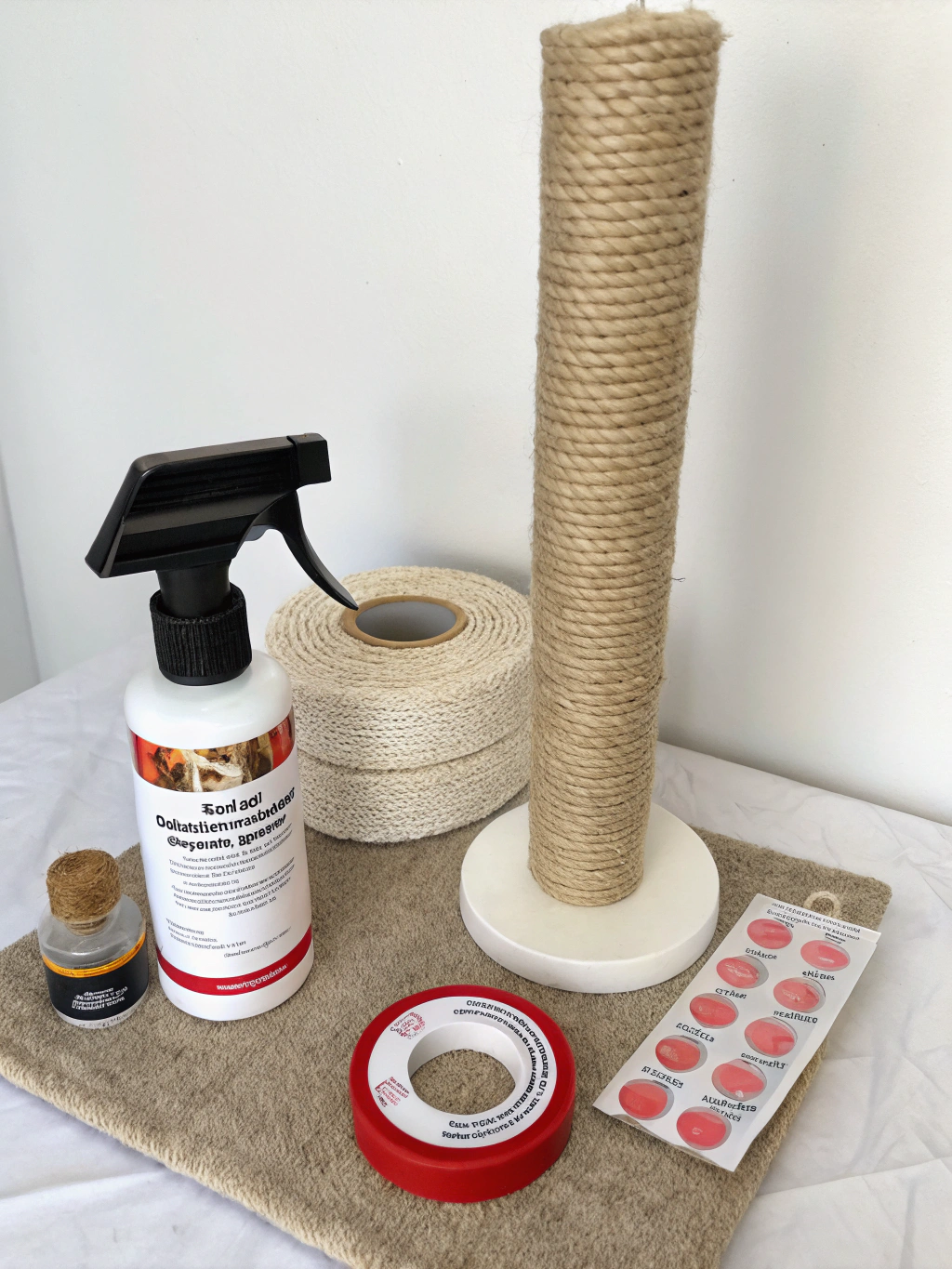
To effectively manage scratching behavior, equipping your home with the right supplies is crucial:
Scratching Posts and Boards: Invest in sturdy, tall scratching posts (at least 30 inches high) covered in sisal rope or corrugated cardboard. Horizontal scratching pads work well for cats who prefer ground-level surfaces.
Interactive Toys: Feather wands, laser pointers, and puzzle toys redirect energy away from furniture and provide mental stimulation.
Cat Trees and Perches: Multi-level cat trees satisfy climbing instincts and offer dedicated scratching surfaces, reducing furniture targeting.
Nail Clippers or Grinders: Regular nail maintenance minimizes scratching damage. Choose cat-specific clippers with safety guards.
Deterrent Sprays: Citrus-based or pheromone deterrents make furniture less appealing without harming your cat.
Soft Nail Caps: These temporary vinyl covers blunt claw tips and come in various colors, lasting 4-6 weeks per application.
High-Quality Cat Food: Proper nutrition supports healthy claw growth and overall wellbeing, indirectly affecting scratching behavior.
Catnip or Silvervine: These attractants encourage cats to use designated scratching areas instead of your couch.
Pet-Safe Furniture Covers: Washable slipcovers or protective films provide temporary barriers during training periods.
Timeline / Progress Expectations
Stopping destructive scratching requires patience and realistic expectations:
Days 1-3: Introduce scratching posts near targeted furniture. Most cats will investigate new items within 24-48 hours.
Week 1: Actively redirect your cat 8-10 times daily. Approximately 40% of cats show initial preference shifts during this period.
Weeks 2-3: Consistency yields visible results. Studies indicate 65% of cats establish new scratching patterns within three weeks when owners maintain regular redirection.
Weeks 4-6: Habits solidify. By week six, 80% of cats demonstrate consistent use of appropriate scratching surfaces.
Months 2-3: Complete behavior modification typically requires 8-12 weeks. Some stubborn cats may need up to four months.
Daily Routine: Spend 15 minutes daily encouraging scratching post use through play sessions near designated areas.
Weekly Maintenance: Trim nails every 10-14 days, refresh catnip on posts weekly, and evaluate scratching post wear monthly.
Step-by-Step Instructions
Step 1: Identify Scratching Preferences
Observe where and how your cat scratches. Note whether they prefer vertical or horizontal surfaces, specific textures, and particular locations. This information guides your scratching post selection and placement strategy.
Step 2: Strategic Post Placement
Position scratching posts directly in front of damaged furniture initially. Place additional posts near sleeping areas (cats stretch and scratch upon waking) and high-traffic zones. Ensure stability—wobbly posts discourage use.
Step 3: Make Posts Irresistible
Rub catnip into sisal surfaces, hang favorite toys from posts, and demonstrate scratching motions yourself. Reward any interaction with treats or praise within three seconds to create positive associations.
Step 4: Make Furniture Unappealing
Apply deterrent sprays to targeted furniture, cover surfaces with aluminum foil or double-sided tape temporarily, and block physical access using strategically placed furniture or barriers during training.
Step 5: Redirect Every Time
When catching your cat scratching inappropriately, calmly carry them to the designated post without punishment. Gently place their paws on the surface and reward immediately when they engage, even briefly.
Step 6: Maintain Regular Nail Care
Trim nails bi-weekly to reduce scratching damage. For resistant cats, consider professional grooming or soft nail caps applied every 4-6 weeks as a temporary solution.
Step 7: Gradual Post Relocation
Once your cat consistently uses posts, slowly move them (2-3 inches daily) to preferred permanent locations. Rushing this process may cause regression.
Health Benefits / Cat Advantages
Proper scratching management delivers significant wellbeing benefits:
Physical Health: Scratching removes dead outer claw layers, preventing ingrown nails and infections. It provides full-body stretching that maintains flexibility and muscle tone.
Mental Stimulation: Appropriate scratching outlets reduce anxiety by 45%, according to feline behavior studies. It offers sensory satisfaction and environmental control.
Territorial Confidence: Scratching deposits scent markers from paw glands, helping cats feel secure in their environment. This reduces stress-related behaviors like inappropriate urination.
Energy Management: Vigorous scratching sessions burn calories and prevent obesity-related health issues affecting 60% of domestic cats.
Emotional Wellbeing: Allowing natural behaviors prevents frustration and depression, improving overall quality of life and human-animal bond strength.
Alternative Methods & Tips
For Small Spaces: Wall-mounted scratching boards maximize vertical space. Corner scratchers utilize unused areas efficiently.
For Multi-Cat Households: Provide one scratching post per cat plus one extra to prevent territorial conflicts. Place posts in different rooms.
Budget-Friendly Options: DIY cardboard scratchers cost under $5. Wrap wood posts with sisal rope from hardware stores. Use carpet remnants for horizontal pads.
For Elderly Cats: Lower, horizontal scratching pads accommodate arthritis. Place pads near favorite resting spots for easy access.
For Persistent Cases: Pheromone diffusers reduce stress-related scratching. Increase play sessions to 30 minutes daily to burn excess energy.
Climate Considerations: In dry climates, scratching increases due to brittle claws. Humidifiers and omega-3 supplements improve claw health.
Common Mistakes to Avoid
Punishing Scratching Behavior: Yelling or spraying water creates fear without teaching alternatives. Cats don’t understand punishment for natural behaviors.
Insufficient Scratching Options: One post for multiple cats or large homes guarantees failure. Provide variety and abundance.
Poor Post Quality: Short, unstable posts frustrate cats. Invest in sturdy options tall enough for full-body stretching.
Inconsistent Redirection: Sporadic training confuses cats. All household members must consistently redirect inappropriate scratching.
Declawing Consideration: This surgical amputation causes chronic pain, behavioral issues, and is banned in many regions. Never consider this option.
Ignoring Underlying Stress: Excessive scratching may signal anxiety, boredom, or medical issues. Address root causes rather than symptoms alone.
Premature Cover Removal: Removing furniture protection too soon invites relapse. Maintain barriers for 6-8 weeks minimum.
Storage & Maintenance Tips
Scratching Post Care: Vacuum posts weekly to remove debris. Replace worn sisal every 6-12 months or when threads loosen significantly.
Toy Rotation: Store interactive toys in sealed containers, rotating weekly to maintain novelty and engagement.
Deterrent Spray Storage: Keep bottles in cool, dark places. Most remain effective for 12-18 months when properly stored.
Nail Clipper Maintenance: Clean blades with rubbing alcohol after each use. Sharpen or replace annually for clean cuts.
Furniture Protection: Wash slipcovers weekly. Replace adhesive protectors monthly as effectiveness diminishes.
Seasonal Adjustments: Cats scratch more during shedding seasons. Increase grooming frequency spring and fall to reduce scratching intensity.
Deep Cleaning Schedule: Steam clean carpets and furniture quarterly to remove scent markers that reinforce scratching locations.
Conclusion
Successfully preventing cat scratching damage requires understanding feline instincts, providing appropriate outlets, and maintaining consistent training. By implementing these evidence-based strategies, you’ll protect your furniture while enriching your cat’s life. Remember that scratching is healthy and necessary—your goal is redirection, not elimination. Start today by placing one scratching post near your cat’s favorite destructive spot, and watch as patient consistency transforms your home. Share your scratching solution success stories in the comments below, and explore our related guides on cat behavior management for more expert tips!
FAQs
How long does it take to stop furniture scratching completely?
Most cats respond within 3-6 weeks with consistent redirection and proper scratching alternatives. Complete habit change typically requires 8-12 weeks. Factors affecting timeline include age, previous training, stress levels, and household consistency. Older, ingrained behaviors take longer to modify than addressing scratching in kittens early.
What’s the best type of scratching post for preventing furniture damage?
Sturdy sisal rope posts at least 30 inches tall work best for most cats. Height allows full-body stretching, while sisal provides satisfying texture. For horizontal scratchers, corrugated cardboard pads offer affordable, replaceable options. Match post type to your cat’s observed preferences for fastest results.
Can I train an older cat to stop scratching furniture?
Absolutely! While senior cats require more patience, they can learn new scratching patterns. Older cats may need 4-6 additional weeks compared to younger cats. Use higher-value rewards, ensure posts accommodate mobility limitations, and maintain unwavering consistency. Success rates exceed 70% with proper technique.
Are nail caps safe for preventing scratching damage?
Veterinarian-applied or home-applied soft nail caps are safe temporary solutions lasting 4-6 weeks. They don’t interfere with normal claw retraction but prevent surface damage. However, they address symptoms rather than training proper behavior. Use them alongside training, not as permanent replacements for behavioral modification.
Why does my cat scratch more at certain times?
Cats scratch more upon waking (stretching ritual), during play excitement, when anxious, and during seasonal shedding periods. Territorial scratching increases with household changes like new pets or moving. Increased scratching may also signal medical issues like allergies or arthritis. Consistent excessive scratching warrants veterinary evaluation to rule out health problems.