Cat Territory Marking: Causes & Solutions
Cat Territory Marking: Causes & Solutions
Table of Contents
Introduction
Did you know that nearly 10% of all cats will engage in some form of urine marking behavior during their lifetime, and that number increases significantly in multi-cat households? Cat territory marking is one of the most misunderstood and frustrating behaviors cat owners face. Unlike simple litter box accidents, territory marking is a complex communication method rooted in your cat’s natural instincts. Whether your feline friend is spraying vertical surfaces, scratching furniture, or rubbing their scent glands on doorways, understanding why cats mark their territory and how to manage it is essential for maintaining a harmonious home.
Cat Supplies & Essentials
Managing territory marking requires having the right supplies on hand. Here’s what every cat owner should consider:
Litter Boxes: Provide at least one litter box per cat, plus one extra. Uncovered boxes are often preferred as they don’t trap odors and allow escape routes. Place them in quiet, accessible locations away from food and water.
High-Quality Cat Food: Proper nutrition supports overall health and can reduce stress-related behaviors. Choose age-appropriate formulas with adequate protein and minimal fillers.
Enzymatic Cleaners: Essential for removing urine odors completely. Regular cleaners mask smells, but cats can still detect traces, encouraging repeat marking in the same spots.
Feliway or Calming Diffusers: These synthetic pheromone products mimic natural facial pheromones, creating a sense of security and reducing the urge to mark territory.
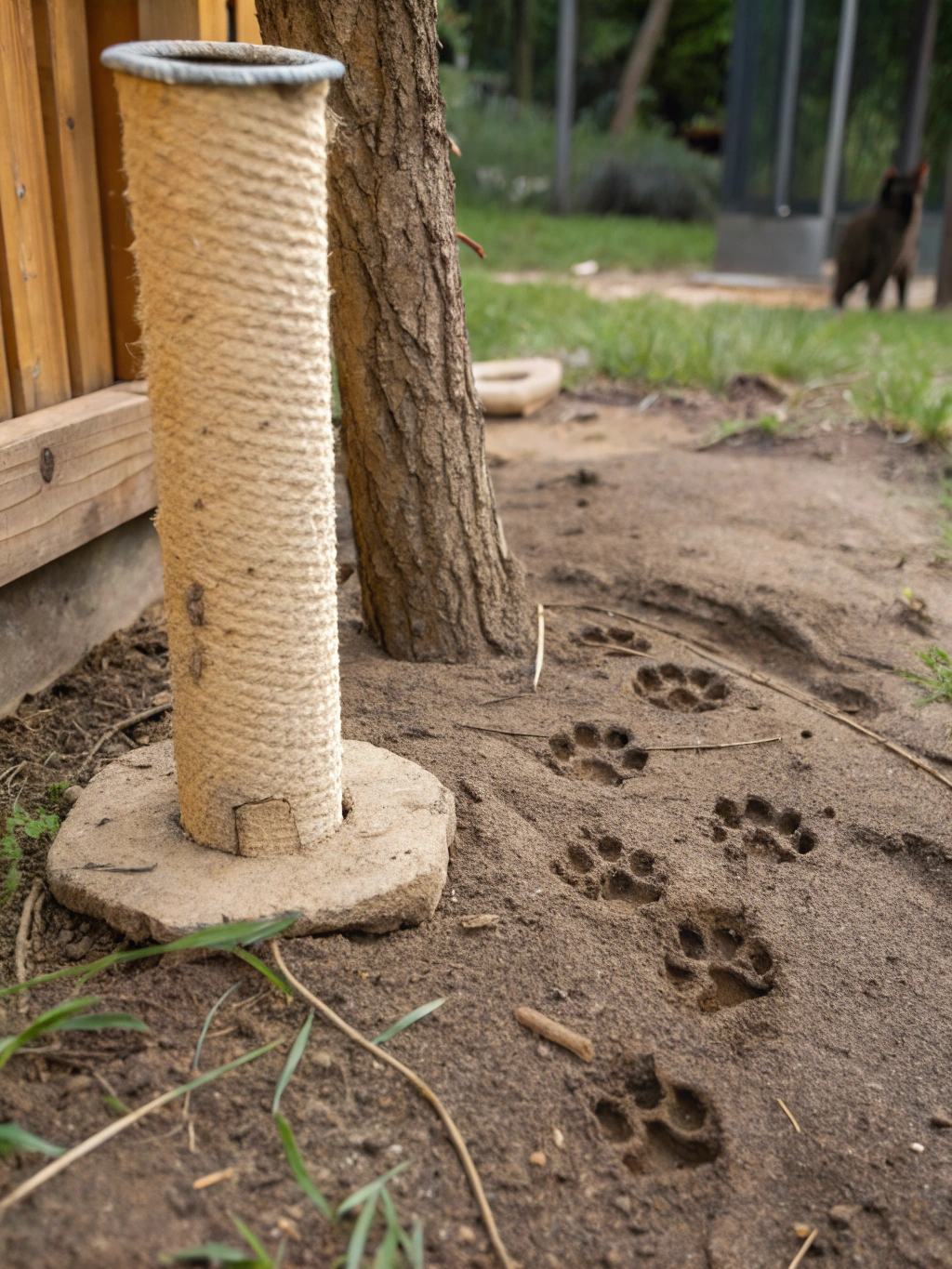
Scratching Posts and Pads: Multiple scratching surfaces help cats mark visibly and through scent glands in their paws, satisfying marking instincts appropriately.
Interactive Toys: Mental stimulation reduces anxiety and boredom, two common triggers for marking behavior. Puzzle feeders and wand toys are excellent choices.
Cat Trees and Vertical Spaces: Cats feel safer with elevated vantage points. These spaces help establish territory boundaries peacefully in multi-cat homes.
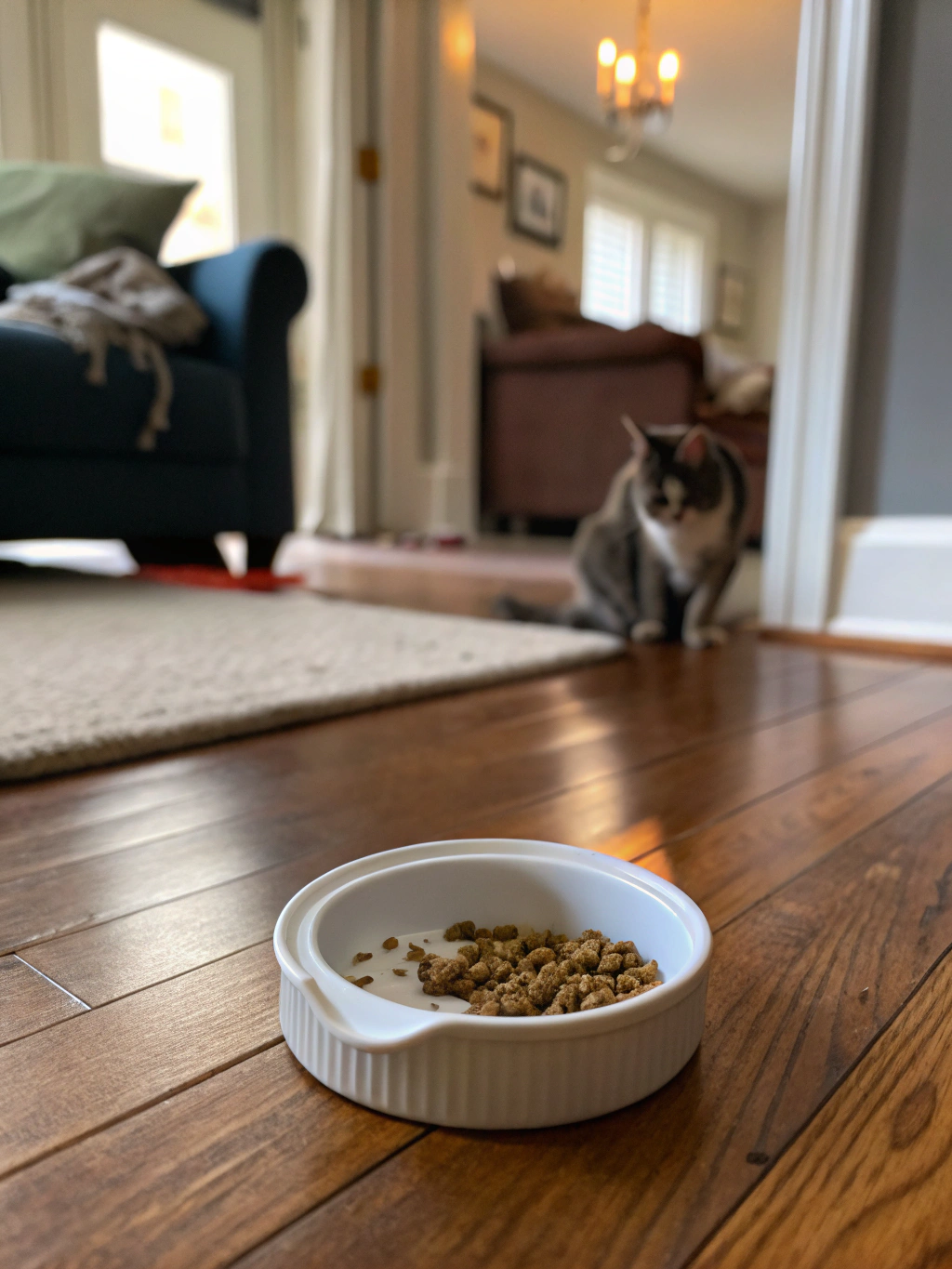
Separate Food and Water Stations: In multi-cat households, resource competition triggers marking. Provide multiple feeding areas to reduce tension.
Cat Carriers: Necessary for vet visits, which help rule out medical causes of marking like urinary tract infections.
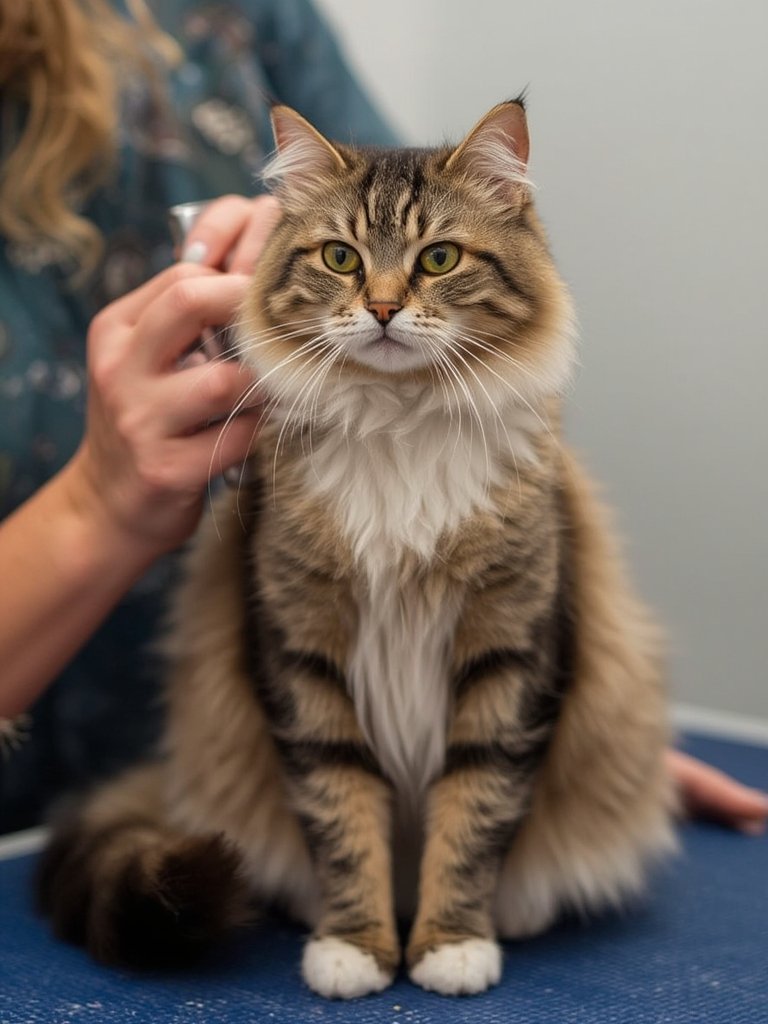
Grooming Tools: Regular brushing strengthens your bond and distributes natural scents, reducing the need for excessive marking.
Timeline / Progress Expectations
Understanding realistic timelines helps maintain patience during the management process:
Week 1-2: Focus on environmental assessment and implementing initial changes. Clean all marked areas thoroughly with enzymatic cleaners. Most cats won’t show behavioral changes yet, but you’re establishing the foundation.
Week 3-4: Begin noticing subtle improvements if medical issues have been ruled out. Cats may mark less frequently as pheromone diffusers take effect and environmental stressors decrease.
Month 2-3: Significant behavioral improvements typically emerge. Spraying and marking cat behaviors should reduce by 60-70% with consistent management strategies.
Month 4-6: Most cats show substantial improvement or complete resolution. Multi-cat household dynamics stabilize as territories become established.
Daily Routine: Scoop litter boxes twice daily, engage in 15-20 minutes of interactive play, and maintain consistent feeding schedules.
Weekly Maintenance: Deep clean litter boxes, refresh pheromone diffusers, and rotate toys to prevent boredom.
Seasonal Considerations: Spring and fall may trigger increased marking as outdoor cats become more active, affecting indoor cats’ stress levels through windows.
Step-by-Step Instructions
Step 1: Rule Out Medical Causes
Schedule a veterinary examination immediately. Urinary tract infections, bladder stones, kidney disease, and diabetes can cause inappropriate urination that mimics marking behavior. Blood work and urinalysis provide definitive answers. Never assume marking is purely behavioral without medical clearance.
Step 2: Identify Marking Triggers
Observe your cat’s behavior patterns carefully. Note when, where, and what circumstances precede marking incidents. Common triggers include new pets, outdoor cats visible through windows, household changes, construction noise, or altered routines. Keep a marking diary for two weeks to identify patterns.
Step 3: Clean Marked Areas Thoroughly
Use enzymatic cleaners specifically designed for pet urine. Avoid ammonia-based products, which smell similar to urine and attract repeat marking. Apply cleaner generously, allowing it to penetrate surfaces completely. Consider using a blacklight to locate all marked areas, including those you might have missed.
Step 4: Implement Environmental Modifications
Block visual access to outdoor cats using window films or strategic furniture placement. Create additional vertical territory with cat trees. Ensure adequate resources—one litter box per cat plus one extra, multiple water stations, and separate feeding areas. These changes reduce competition and territorial insecurity.
Step 5: Introduce Pheromone Products
Install Feliway Classic diffusers in rooms where marking occurs most frequently. These diffusers cover approximately 700 square feet and require monthly refills. Pheromone products work gradually, typically showing effects within 2-4 weeks of continuous use.
Step 6: Provide Appropriate Marking Alternatives
Place scratching posts near marked areas. Cats naturally mark through scratching, which deposits scent from paw glands. Encourage use with catnip or treats. This redirects marking behavior to acceptable outlets.
Step 7: Increase Interactive Play
Engage in two 10-15 minute play sessions daily using wand toys. Physical activity reduces stress hormones and builds confidence. Successful hunting sequences (stalk, chase, pounce, catch) satisfy natural instincts, decreasing marking motivation.
Step 8: Consider Temporary Confinement
For severe cases, temporarily confine your cat to a small, comfortable room with all necessities. Once marking stops in this controlled environment, gradually expand access while maintaining stress-free conditions. This resets behavioral patterns.
Health Benefits / Cat Advantages
Successfully managing territory marking provides numerous health and wellbeing advantages:
Reduced Stress Levels: Research shows that cats living in environments with appropriate resources and minimal territorial disputes have 40% lower cortisol levels, the primary stress hormone.
Improved Urinary Health: Cats who feel secure use litter boxes appropriately, maintaining healthy urination patterns and reducing urinary tract infection risks.
Enhanced Mental Wellbeing: Proper environmental enrichment and reduced anxiety improve overall quality of life, leading to more confident, social cats.
Stronger Human-Animal Bond: Successfully addressing marking behavior without punishment strengthens trust between cats and owners, improving relationship quality.
Better Multi-Cat Dynamics: Properly managed territories allow peaceful coexistence, reducing aggressive encounters and creating harmonious households.
Preventative Health Benefits: Regular veterinary checkups required for ruling out medical causes catch other health issues early, extending lifespan and quality of life.
Alternative Methods & Tips
Small Living Spaces: Maximize vertical territory with wall-mounted shelves and cat trees. Even studio apartments can accommodate multiple cats with strategic space utilization.
Indoor/Outdoor Considerations: Keep indoor cats away from windows where outdoor cats congregate. Use motion-activated deterrents in yards to discourage neighborhood cats from approaching your home.
Budget-Friendly Solutions: Create DIY scratching posts using carpet remnants and cardboard. Make homemade puzzle feeders from egg cartons or toilet paper rolls.
Senior Cats: Older cats may mark due to cognitive decline. Ensure litter boxes have low entry points and provide additional nighttime lighting to reduce confusion.
Anxious Personalities: Timid cats benefit from hiding spaces like covered beds or cardboard boxes. Create “safe zones” where they can retreat without encountering other pets.
Multi-Cat Households: Feed cats separately to prevent resource guarding. Use baby gates to create temporary separate territories during adjustment periods.
Climate Adaptations: In hot climates, ensure adequate hydration stations throughout the home. Cold climates may require additional cozy resting spots away from drafts.
Common Mistakes to Avoid
Punishment: Never punish marking behavior. Cats don’t understand delayed consequences, and punishment increases anxiety, worsening the problem. This includes yelling, spraying with water, or physical corrections.
Inadequate Litter Boxes: Using too few boxes, placing them in high-traffic areas, or infrequent cleaning are primary marking triggers. Clean boxes twice daily minimum.
Ignoring Medical Causes: Assuming marking is behavioral without veterinary examination delays treatment for potentially serious conditions like kidney disease or diabetes.
Insufficient Resources: In multi-cat homes, shared resources create competition and insecurity. Provide separate everything—food bowls, water dishes, litter boxes, and resting areas.
Inconsistent Routine: Cats thrive on predictability. Irregular feeding times, frequent furniture rearrangement, or unpredictable schedules increase stress-related marking.
Using Wrong Cleaners: Regular household cleaners don’t eliminate urine’s protein-based components. Only enzymatic cleaners break down these molecules completely.
Rushing Introductions: Introducing new pets too quickly triggers territorial insecurity. Follow gradual introduction protocols over 2-4 weeks minimum.
Overlooking Window Triggers: Outdoor cats visible through windows are powerful marking triggers. Don’t dismiss environmental factors outside your home’s walls.
Storage & Maintenance Tips
Litter Box Hygiene: Scoop twice daily, completely change litter weekly, and wash boxes monthly with hot water and mild soap. Replace plastic boxes annually as scratches harbor bacteria and odors.
Food Storage: Keep dry food in airtight containers to maintain freshness and prevent pests. Store in cool, dry locations away from litter areas. Rotate stock using oldest products first.
Toy Rotation: Store toys in sealed containers, rotating them weekly to maintain novelty. Wash fabric toys monthly in unscented detergent. Discard damaged toys that could pose choking hazards.
Cleaning Supply Organization: Keep enzymatic cleaners, paper towels, and blacklight in an easily accessible location for immediate response to marking incidents.
Pheromone Diffuser Maintenance: Mark calendar dates for monthly refill replacements. Diffusers should run continuously for maximum effectiveness.
Scratching Post Care: Vacuum posts weekly to remove loose fibers. Replace posts when bases become unstable or surfaces are completely shredded.
Seasonal Deep Cleaning: Perform comprehensive cleaning twice yearly, including washing cat beds, sanitizing food and water bowls in the dishwasher, and wiping down cat trees.
Conclusion
Cat territory marking doesn’t have to be a permanent source of frustration. By understanding the natural instincts driving this behavior and implementing evidence-based management strategies, you can create a peaceful environment where your cat feels secure without resorting to inappropriate marking. Remember that patience and consistency are essential—most cats show significant improvement within 2-3 months when proper protocols are followed. Start by ruling out medical causes, then systematically address environmental stressors while providing appropriate marking alternatives. Your commitment to understanding and addressing your cat’s needs will strengthen your bond and result in a happier, healthier household.
FAQs
Q1: Is cat territory marking the same as a litter box accident?
No, territory marking differs from inappropriate elimination. Marking typically involves small amounts of urine sprayed on vertical surfaces like walls or furniture, while litter box accidents involve larger volumes on horizontal surfaces. Marking is communicative behavior; accidents often indicate litter box aversion or medical issues. Cats who mark usually continue using their litter box normally for regular elimination.
Q2: Will neutering or spaying stop territory marking?
Neutering reduces marking in approximately 90% of male cats, especially if performed before marking behavior becomes established. Spaying is similarly effective for females, though they mark less frequently overall. However, neutering isn’t guaranteed to stop marking in all cases, particularly if the behavior is stress-related rather than hormone-driven. The procedure is most effective when combined with environmental management strategies.
Q3: How can I tell if my cat is marking or has a medical problem?
Medical issues typically cause increased frequency of urination, straining, blood in urine, or vocalization during elimination. Marking involves small amounts of urine deposited deliberately on vertical surfaces, often near doors, windows, or new objects. A veterinary examination including urinalysis is essential to definitively rule out medical causes. Never assume marking is purely behavioral without medical clearance.
Q4: Can I use essential oils instead of pheromone diffusers?
No, essential oils are not safe alternatives to pheromone products for cats. Many essential oils are toxic to cats, causing liver damage, respiratory issues, or neurological problems. Cats lack specific liver enzymes needed to metabolize many compounds found in essential oils. Only use products specifically formulated and tested for feline safety, such as Feliway or Comfort Zone pheromone diffusers.
Q5: How long should I wait before introducing a new cat to prevent marking?
Follow a gradual introduction protocol lasting 2-4 weeks minimum. Start with scent swapping, then visual contact through barriers, followed by supervised interactions, and finally unsupervised access. Rushing introductions is a leading cause of territorial marking. Even after successful introduction, monitor for marking behavior and maintain adequate resources for all cats. Some households may require longer adjustment periods depending on individual cat personalities and previous experiences.