Cat Sleeping Habits: How Cats Sleep
Cat Sleeping Habits: How Cats Sleep
Table of Contents
Introduction
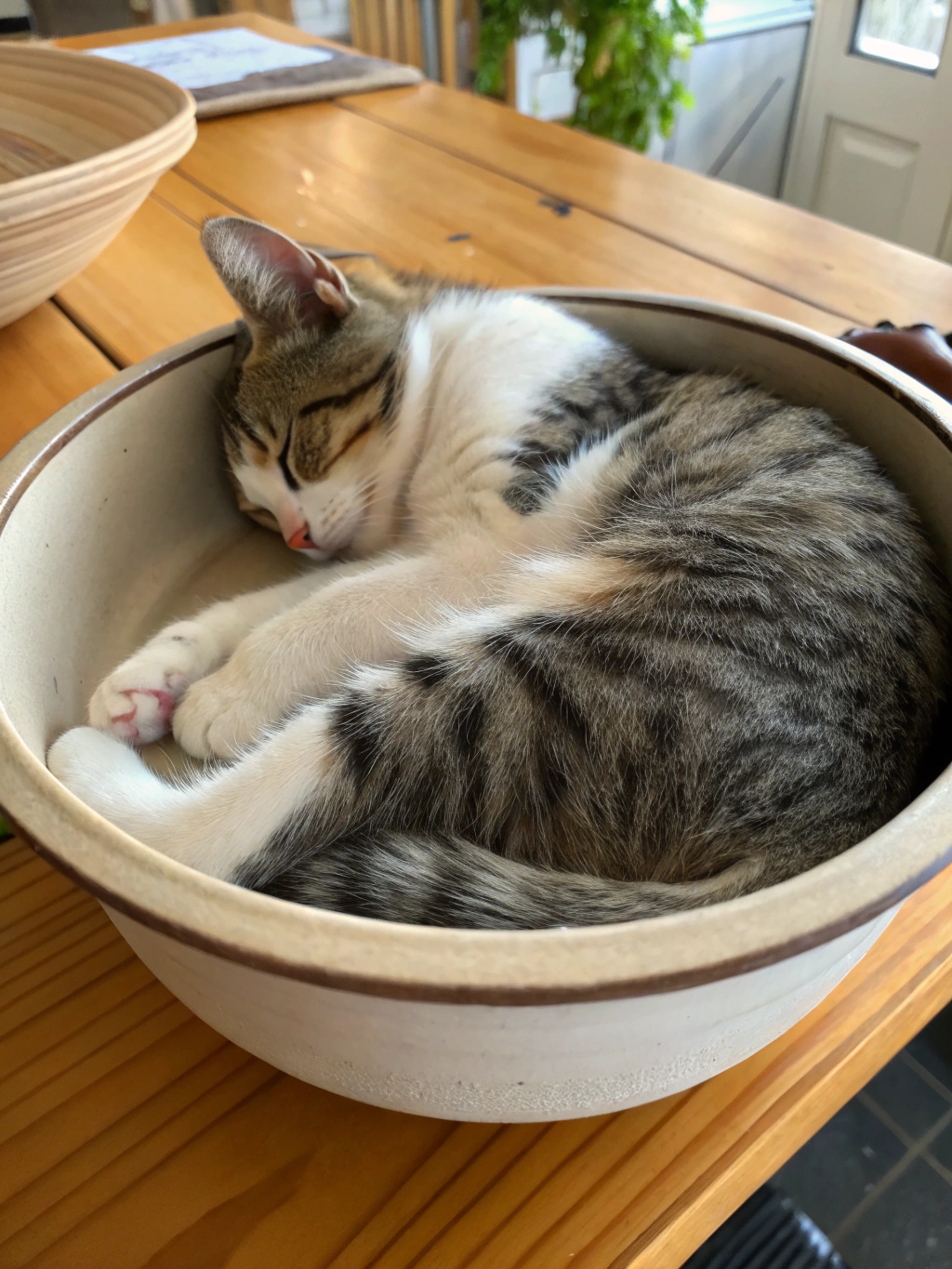
Did you know that cats spend approximately 12 to 16 hours per day sleeping—nearly two-thirds of their entire lives? This astonishing statistic often surprises cat owners who wonder whether their feline companions are simply lazy or if there’s a deeper biological reason behind this behavior. Understanding Cat sleeping habits is essential for every cat owner because these patterns directly influence your cat’s mood, energy levels, hunting instincts, and overall health.
Cat Supplies & Essentials
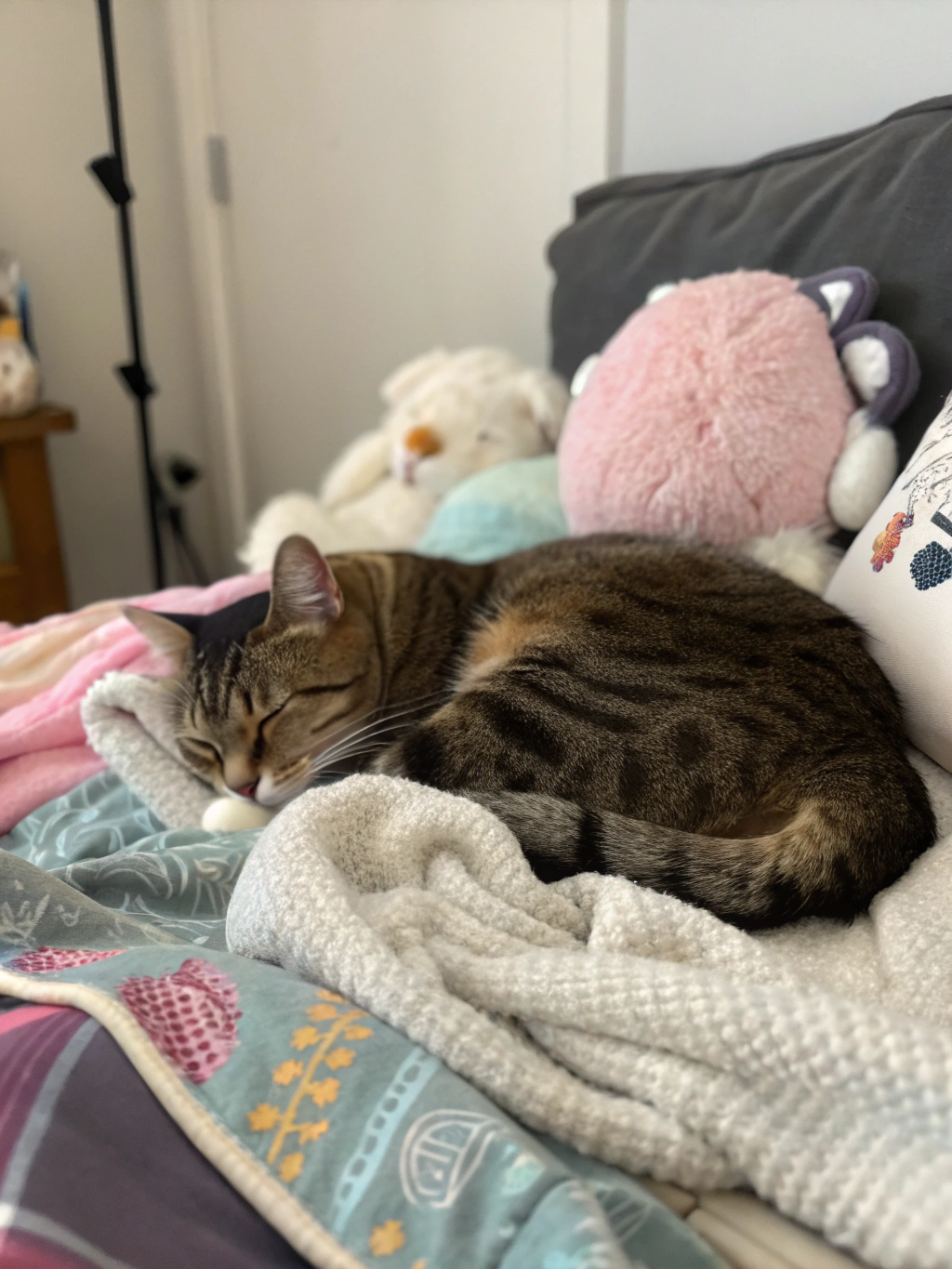
Creating a sleep-friendly environment for your cat requires thoughtful selection of essential supplies that cater to their comfort and security needs:
Cat Beds and Sleeping Areas: Invest in soft, cushioned beds placed in quiet, low-traffic areas. Consider heated beds for senior cats or those in colder climates. Window perches provide sunbathing spots that cats naturally gravitate toward for daytime naps.
Scratching Posts and Cat Trees: These vertical structures offer elevated sleeping platforms where cats feel safe and can survey their territory. The height provides security, which promotes deeper, more restful sleep.
Quality Cat Food: Nutrition directly impacts sleep quality. High-protein, grain-free diets support natural energy cycles and prevent digestive discomfort that might disrupt rest.
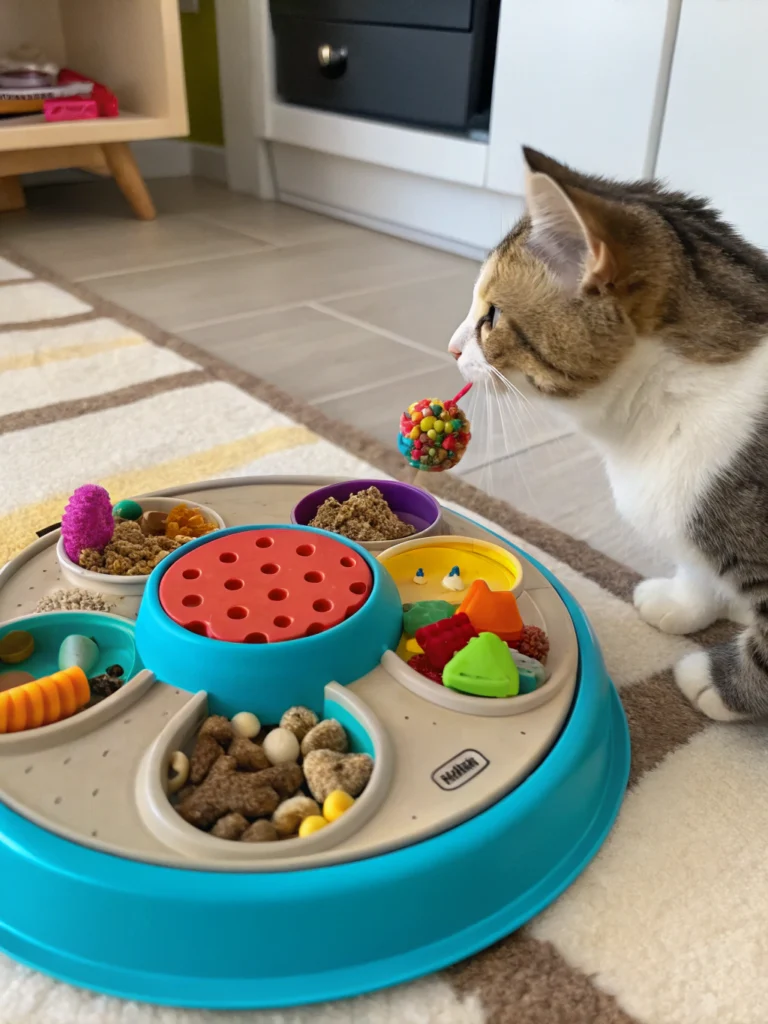
Interactive Toys: Puzzle feeders, feather wands, and laser pointers help expend energy during active periods, leading to more satisfying sleep sessions afterward.
Litter Boxes: Clean, accessible litter boxes (one per cat plus one extra) prevent nighttime stress and interruptions to sleep routines.
Calming Aids: Consider pheromone diffusers, calming collars, or soft music designed for cats to reduce anxiety and promote relaxation.
Water Fountains: Fresh, flowing water encourages hydration, which supports overall health and comfortable sleep.
Carriers and Safe Spaces: Covered carriers or enclosed cat caves provide den-like environments that appeal to cats’ instinctive need for protected sleeping spots.
Timeline / Progress Expectations
Understanding the timeframe for establishing healthy sleep routines helps set realistic expectations:
Week 1-2: Your cat will begin adjusting to environmental changes such as new bed locations or sleep schedules. You may notice initial resistance or curiosity as they explore new sleeping areas.
Week 3-4: Most cats establish preferences for specific sleeping spots and times. Consistent feeding and play schedules will start synchronizing with their natural crepuscular rhythms.
Month 2: Behavioral improvements become evident—reduced nighttime activity, less attention-seeking during your sleep hours, and more predictable nap patterns throughout the day.
Month 3 and Beyond: Your cat’s sleep habits should stabilize into a healthy routine. Senior cats may require 18-20 hours of sleep daily, while kittens need similar amounts to support rapid growth and development.
Daily Routine: Expect 3-4 major sleep sessions interspersed with brief active periods for eating, grooming, and play. Each sleep cycle typically lasts 15-30 minutes.
Seasonal Adjustments: Cats may sleep more during winter months and show increased activity during spring and summer when daylight hours extend their crepuscular active periods.
Step-by-Step Instructions
Step 1: Establish a Consistent Daily Routine
Feed your cat at the same times each day—ideally morning and evening—to align with their natural hunting instincts. This predictability helps regulate their internal clock and sleep patterns.
Step 2: Create Engaging Play Sessions
Schedule two intensive 15-minute play sessions daily, preferably before feeding times. This mimics the hunt-eat-sleep cycle and exhausts excess energy that might otherwise manifest as nighttime disturbances.
Step 3: Optimize the Sleep Environment
Place beds in multiple locations offering different conditions—warm sunny spots, cool dark corners, and elevated perches. Cats rotate sleeping locations based on temperature, security needs, and time of day.
Step 4: Respect Their Sleep Cycles
Avoid disturbing cats during deep sleep phases, characterized by twitching whiskers, paw movements, and rapid eye movement. These REM periods are crucial for neurological health and memory processing.
Step 5: Monitor and Adjust
Track sleep duration and quality using a journal or pet monitoring app. Note changes in patterns that might indicate health issues such as hyperthyroidism, arthritis pain, or cognitive dysfunction.
Health Benefits / Cat Advantages
Understanding and supporting proper Feline sleep patterns offers numerous health advantages:
Enhanced Immune Function: Quality sleep strengthens immune response, helping cats fight infections and recover from illnesses more effectively. Studies show well-rested cats demonstrate 30% better immune markers.
Improved Cognitive Function: REM sleep consolidates hunting memories and learned behaviors. Cats that achieve adequate deep sleep show better problem-solving abilities and environmental adaptation.
Reduced Stress and Anxiety: Proper rest regulates cortisol levels, reducing stress-related behaviors such as excessive grooming, aggression, or inappropriate elimination.
Better Weight Management: Sleep-deprived cats show increased appetite and reduced activity, contributing to obesity. Adequate rest supports healthy metabolism and energy balance.
Cardiovascular Health: Regular sleep cycles support heart health by allowing blood pressure to normalize and reducing cardiovascular strain.
Pain Management: Senior cats with arthritis or chronic conditions experience better pain tolerance when well-rested, as sleep facilitates natural anti-inflammatory processes.
Behavioral Stability: Well-rested cats display fewer behavioral problems including aggression, attention-seeking, and destructive tendencies. Sleep deprivation can intensify territorial disputes in multi-cat households.
Alternative Methods & Tips
For Small Living Spaces: Utilize vertical territory with wall-mounted shelves and compact cat trees that provide elevated sleeping areas without consuming floor space.
Indoor-Only Cats: Compensate for lack of outdoor stimulation with window bird feeders, cat TV videos, and rotating toy selections to prevent boredom-related sleep disruptions.
Multi-Cat Households: Provide multiple sleeping locations to prevent competition and territorial stress. Some cats prefer communal sleeping while others need solitary spaces.
Budget-Friendly Options: Repurpose cardboard boxes with soft blankets, use heating pads wrapped in towels, or create DIY elevated perches using sturdy shelving units.
Climate Considerations: In hot climates, offer cooling mats and shaded rest areas. In cold regions, provide thermal beds and enclosed sleeping spaces that retain body heat.
Senior Cat Adaptations: Lower bed edges for arthritic cats, place beds near litter boxes and food to minimize travel, and consider orthopedic memory foam options.
Active Breeds: Bengal, Siamese, and Abyssinian cats require more intensive play sessions to achieve satisfying sleep. Invest in automated toys that engage them during your absence.
Common Mistakes to Avoid
Inconsistent Schedules: Irregular feeding and play times disrupt circadian rhythms, leading to erratic sleep patterns and nighttime activity.
Disturbing Sleeping Cats: Frequently waking cats, especially during REM sleep, causes stress and may lead to sleep deprivation and behavioral issues.
Inadequate Mental Stimulation: Bored cats don’t expend enough energy during waking hours, resulting in restless sleep and nighttime hyperactivity.
Poor Sleep Environment: Placing beds in noisy, high-traffic areas prevents deep sleep. Cats need quiet, secure locations for quality rest.
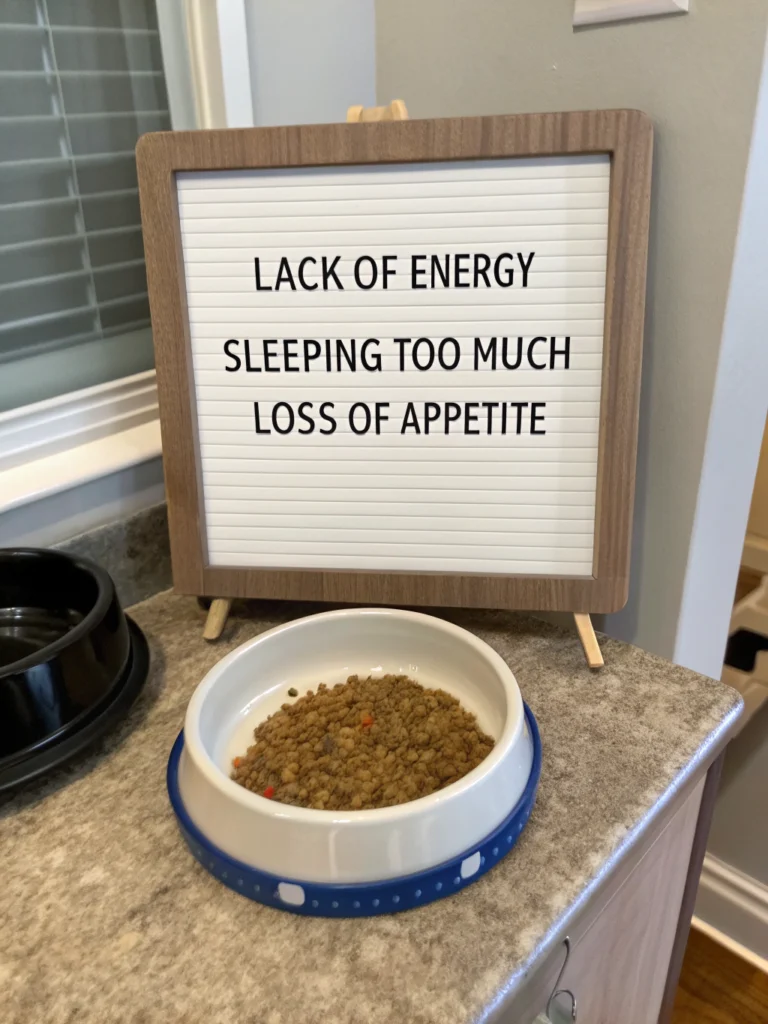
Ignoring Sleep Changes: Sudden increases or decreases in sleep duration may indicate health problems such as diabetes, thyroid issues, or kidney disease. Consult your veterinarian promptly.
Overfeeding Before Bedtime: Large meals cause digestive discomfort and restlessness. Distribute calories throughout the day with smaller, more frequent meals.
Neglecting Senior Needs: Older cats require more sleep and may develop arthritis affecting comfort. Failure to adapt sleeping arrangements causes pain and disrupted rest.
Punishment for Nighttime Activity: Never punish nocturnal behavior—it’s instinctive. Instead, redirect with appropriate play schedules and environmental enrichment.
Storage & Maintenance Tips
Cat Bed Hygiene: Wash bedding weekly in hot water to eliminate allergens, parasites, and odors. Rotate multiple bed covers to ensure continuous availability during laundry cycles.
Food Storage: Keep dry food in airtight containers to maintain freshness and prevent pests. Store in cool, dark locations away from sleeping areas to avoid attracting attention during rest periods.
Toy Rotation: Store toys in sealed containers and rotate weekly to maintain novelty and engagement. Clean toys monthly with pet-safe disinfectants to prevent bacterial buildup.
Litter Box Maintenance: Scoop daily and completely replace litter weekly. Clean boxes with enzyme cleaners monthly to eliminate residual odors that might disturb sleep.
Seasonal Deep Cleaning: Quarterly, vacuum sleeping areas thoroughly, including under beds and furniture where dust and dander accumulate. Steam clean fabric surfaces to eliminate allergens.
Supply Inventory: Monthly, assess and replace worn scratching posts, damaged toys, and flattened bed cushions that no longer provide adequate comfort.
Pheromone Products: Replace diffuser refills every 30 days as directed. These products lose effectiveness over time and won’t properly support relaxation.
Conclusion
Understanding Cat sleeping habits empowers you to create an environment that honors your feline companion’s natural rhythms while promoting optimal health and happiness. By providing appropriate sleeping areas, maintaining consistent routines, engaging in strategic play sessions, and avoiding common pitfalls, you support the 12-16 hours of daily rest your cat needs for physical recovery, cognitive function, and emotional wellbeing. Remember that sleep patterns vary by age, breed, and individual personality—observe your cat’s unique preferences and adjust accordingly.
FAQs
Q: Why does my cat sleep so much during the day?
A: Cats are crepuscular, meaning they’re naturally programmed to be most active during dawn and dusk when their prey is most vulnerable. Daytime sleeping conserves energy for these prime hunting periods, even though domestic cats no longer need to hunt for survival. This instinctive behavior remains deeply embedded in their biology.
Q: Is it normal for my cat to twitch and make noises while sleeping?
A: Yes, these behaviors indicate your cat is experiencing REM (rapid eye movement) sleep, the deepest and most restorative sleep phase. During REM, cats process memories, consolidate learned behaviors, and may dream about hunting or playing. Twitching whiskers, paws, and soft vocalizations are completely normal and healthy.
Q: How can I tell if my cat is sleeping too much?
A: While 12-16 hours is normal, sleeping significantly more (18+ hours for adult cats) may indicate health issues such as depression, obesity, diabetes, or thyroid problems. Conversely, sleeping less than 10 hours might signal pain, anxiety, or hyperthyroidism. Monitor for accompanying symptoms like appetite changes, lethargy during waking hours, or behavioral shifts, and consult your veterinarian.
Q: Why does my cat wake me up at 3 AM every night?
A: This behavior stems from misaligned energy cycles. Your cat likely hasn’t expended enough energy during natural active periods. Implement intensive play sessions before bedtime, provide puzzle feeders for mental stimulation, and avoid feeding immediately when awakened, which reinforces the behavior. Gradually, your cat’s schedule will sync with yours.
Q: Should I wake my cat if they’re sleeping all day and active all night?
A: Never forcefully wake a sleeping cat, as this causes stress and won’t effectively reset their schedule. Instead, encourage wakefulness during your active hours through play, training sessions, and interactive feeding. Gradually shift their schedule by engaging them more during daylight and providing satisfying activities that naturally induce sleep during your rest hours.