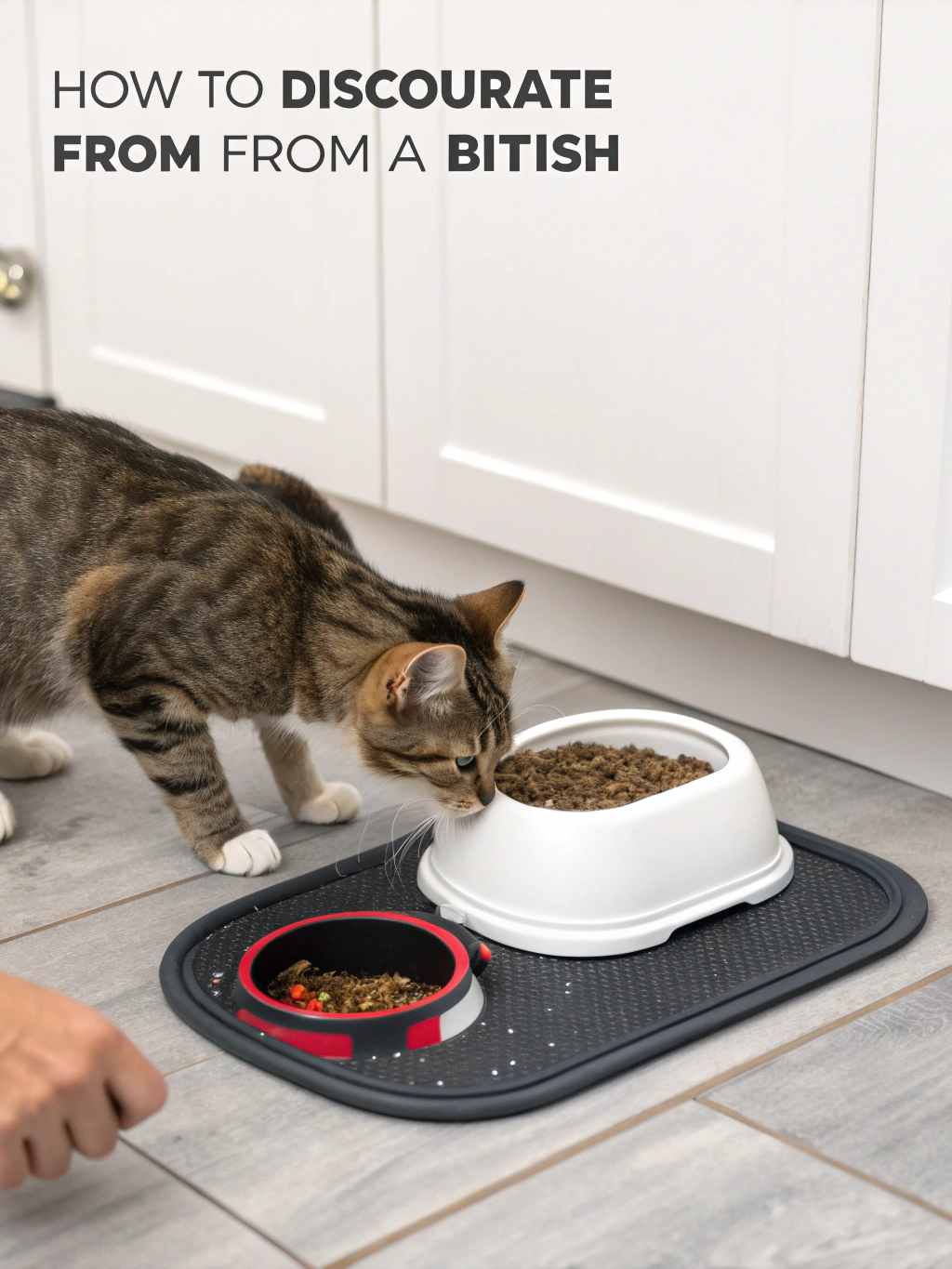
How to Discourage Cat Biting
How to Discourage Cat Biting
Table of Contents
Introduction
Did you know that approximately 75% of cat bites occur during play sessions that escalate too quickly? Understanding How to discourage cat biting is crucial for every cat owner who wants to maintain a harmonious household while ensuring their feline friend develops healthy interaction habits. Cat biting behavior, whether playful or aggressive, can stem from various causes including overstimulation, fear, territorial instincts, or learned behavior from kittenhood. While some level of mouthing is natural during a cat’s developmental stages, persistent biting can become problematic and even dangerous. This comprehensive guide will walk you through proven strategies to reduce biting behavior in cats safely, helping you transform those sharp encounters into positive interactions. By understanding the root causes and implementing consistent training techniques, you can successfully teach your cat appropriate ways to communicate and play without resorting to teeth.
Cat Supplies & Essentials

To effectively Discourage biting cat behavior, having the right supplies is fundamental to redirecting their natural hunting and biting instincts toward appropriate outlets:
Interactive Toys: Wand toys with feathers, ribbons, or small plush attachments allow your cat to satisfy their prey drive without using your hands as targets. These tools create distance between you and your cat’s teeth while providing essential exercise.
Plush Kick Toys: Large stuffed toys (approximately 10-12 inches) filled with catnip encourage cats to bite and kick them during play, channeling aggressive energy appropriately.
Puzzle Feeders: These mentally stimulating devices reduce boredom-related biting by engaging your cat’s problem-solving abilities during meal times.
Scratching Posts: Vertical and horizontal scratching surfaces provide outlets for territorial marking and stress relief, reducing frustration that can lead to biting.
Cat Tunnels and Hideaways: Safe retreat spaces help anxious cats feel secure, minimizing fear-based aggressive behaviors.
Treat Pouches: Used for positive reinforcement training, these make rewarding good behavior convenient and timely.
Chew Toys: Rubber or dental chew toys designed specifically for cats can satisfy oral fixation needs, particularly beneficial for teething kittens.
Calming Pheromone Diffusers: Products containing synthetic feline facial pheromones can reduce anxiety-driven biting in multi-cat households or during stressful transitions.
Timeline / Progress Expectations
Understanding the timeline for behavioral modification helps set realistic expectations when implementing strategies to reduce biting behavior in cats safely:
Week 1-2: Initial awareness phase where you’ll identify biting triggers and begin consistent redirection techniques. Your cat may seem confused by new boundaries, and biting incidents might temporarily persist or even increase as they test limits.
Week 3-4: Early progress becomes visible as your cat starts recognizing acceptable play behaviors. Expect approximately 30-40% reduction in biting frequency if consistently applying training methods.
Week 5-8: Significant improvement phase with 60-70% reduction in unwanted biting. Your cat begins choosing appropriate toys over hands and shows better impulse control during interactive play.
Month 3-4: Consolidation period where new behaviors become habitual. Most cats demonstrate substantial improvement, though occasional regression during high-excitement moments is normal.
Month 5-6: Long-term behavior modification solidifies. Well-trained cats typically exhibit 85-95% improvement in biting behavior.
Daily Routine: Implement 2-3 scheduled 15-minute play sessions using appropriate toys to burn energy and prevent overstimulation-related biting.
Weekly Assessment: Track progress in a journal, noting biting incidents, triggers, and successful interventions to refine your approach.
Remember that kittens typically respond faster (4-6 weeks) than adult cats (8-12 weeks) due to behavioral plasticity, while previously traumatized or feral cats may require 6+ months of patient, consistent training.
Step-by-Step Instructions
Step 1: Identify Biting Triggers and Patterns
Observe your cat carefully for 3-5 days, documenting when biting occurs, what preceded it, and your cat’s body language. Common triggers include petting-induced overstimulation (watch for tail twitching, ear flattening, or skin rippling), play that becomes too rough, hunger-related frustration, or territorial responses. Take notes on time of day, environmental factors, and your cat’s energy levels to identify patterns that will inform your intervention strategy.
Step 2: Immediately Stop Interaction When Biting Occurs
The moment your cat’s teeth make contact with your skin, say “No” in a firm but calm voice, withdraw your hand slowly (quick movements trigger chase instinct), and immediately cease all interaction. Stand up and walk away for 5-10 minutes without looking at your cat. This teaches that biting results in the immediate loss of attention—the opposite of what they want. Consistency is critical; every family member must respond identically.
Step 3: Redirect to Appropriate Biting Targets
Keep interactive toys accessible throughout your home. When your cat shows signs of wanting to bite (dilated pupils, crouching, bottom wiggling), quickly offer a wand toy or kick toy instead of your hand. Enthusiastically engage them with the toy, praising them when they bite it. This positive redirection satisfies their natural hunting drive through appropriate channels.
Step 4: Never Use Hands as Toys
Completely eliminate any play that involves your hands directly—no wiggling fingers under blankets, no rough-housing with bare hands, no encouraging pouncing on hands or feet. Your hands should only be associated with gentle petting and positive touch. This clear boundary helps cats distinguish between acceptable and unacceptable biting targets.
Step 5: Implement Positive Reinforcement
Reward gentle behavior immediately with treats, praise, or continued play. When your cat licks instead of bites, or pulls their punch during play, acknowledge this with enthusiasm. Positive reinforcement strengthens desired behaviors more effectively than punishment, which can increase fear and aggression.
Step 6: Establish Scheduled Play Sessions
Conduct 2-3 vigorous 15-minute play sessions daily, preferably before meals and at times when your cat typically exhibits biting behavior. Use wand toys to simulate prey movements—erratic, unpredictable motions followed by hiding. Tire your cat out completely, ending sessions by allowing them to “catch” the toy. Exhausted cats bite less frequently.
Step 7: Recognize and Respect Overstimulation Signals
Learn your cat’s individual tolerance for petting. Most cats show warning signs before biting: tail lashing, ears rotating backward, skin twitching, or body stiffening. When you notice these signals, immediately stop interaction before biting occurs. This prevents the behavior from happening while teaching you to respect your cat’s boundaries.
Step 8: Provide Environmental Enrichment
Boredom significantly contributes to inappropriate biting. Offer window perches for bird watching, rotate toys weekly to maintain novelty, introduce puzzle feeders, and consider cat TV videos. A mentally stimulated cat has less pent-up energy to direct toward biting behaviors.
Health Benefits / Cat Advantages
Successfully implementing strategies to reduce biting behavior in cats safely provides numerous benefits beyond simply avoiding painful bites:
Improved Human-Animal Bond: Cats who interact without biting develop deeper trust with their owners, leading to more positive interactions, better socialization, and increased affection. Studies show that well-socialized cats experience lower stress hormones (cortisol) and demonstrate more confident, relaxed behaviors.
Enhanced Mental Stimulation: The enrichment activities and appropriate play required to discourage biting provide essential cognitive exercise, reducing anxiety and depression while preventing obesity-related health issues.
Better Physical Health: Regular interactive play sessions burn 20-30 calories per 15-minute session, helping maintain optimal weight and cardiovascular health while building muscle tone and joint flexibility.
Reduced Stress and Anxiety: Cats with appropriate outlets for natural behaviors experience significantly lower stress levels, which strengthens immune function and may reduce risks of stress-related conditions like cystitis or overgrooming.
Safer Multi-Pet Households: Cats trained not to bite humans typically exhibit better impulse control with other pets, reducing inter-animal aggression and creating a more harmonious home environment.
Dental Health Awareness: Providing appropriate chew toys and monitoring biting behavior helps owners notice dental problems earlier, as changes in biting patterns often indicate oral pain or disease.
Alternative Methods & Tips
Different living situations and cat personalities require tailored approaches to discourage biting:
For Small Apartments: When space limits vigorous play, utilize vertical territory with cat trees and wall-mounted perches. Engage in shorter, more frequent play sessions (5-10 minutes, 4-5 times daily) to prevent pent-up energy without requiring large running spaces.
For Multiple Cat Households: Ensure each cat has individual play time to prevent competition-driven aggression. Provide multiple feeding stations and litter boxes (one per cat plus one extra) to reduce territorial stress that can manifest as biting.
For Single-Cat Homes: Consider adopting a second compatible cat for mutual play, which naturally teaches bite inhibition through peer feedback. Alternatively, increase human interaction time and environmental enrichment to prevent loneliness-driven behavior issues.
For Different Life Stages: Kittens require gentler corrections and more patience, as they’re learning bite inhibition they would normally learn from littermates. Senior cats may bite due to pain; schedule veterinary exams to rule out arthritis or dental disease before assuming behavioral causes.
Budget-Friendly Options: Create DIY toys from paper bags, cardboard boxes, and crumpled paper balls. Rotate these regularly for novelty. Use a simple stick with a string and paper feather as an effective wand toy alternative.
Climate Considerations: In extreme weather when outdoor enrichment isn’t possible, increase indoor environmental complexity with hiding treats around the home, creating obstacle courses, or teaching trick training to maintain mental engagement.
Common Mistakes to Avoid
Even well-intentioned cat owners make errors that inadvertently reinforce biting behavior:
Inconsistent Responses: Allowing biting sometimes but not others confuses cats and prolongs training. Every bite must receive the same consequence—immediate withdrawal of attention—regardless of circumstances or whether it hurt.
Using Punishment: Yelling, hitting, or spraying water creates fear and anxiety, which actually increases aggression. Cats don’t understand punishment after the fact and will only associate negative experiences with you, damaging trust.
Pulling Away Quickly: Jerking your hand away rapidly triggers your cat’s prey drive, intensifying the bite. Instead, push gently toward the bite before slowly withdrawing, which counterintuitively discourages further biting.
Insufficient Exercise: A single brief play session daily is inadequate for most cats. Insufficient physical activity leads to excess energy that manifests as inappropriate biting and other behavior problems.
Ignoring Medical Issues: Pain, dental disease, hyperthyroidism, or neurological conditions can cause sudden biting. If behavior changes suddenly or training isn’t effective after 6-8 weeks, consult your veterinarian.
Anthropomorphizing Behavior: Interpreting biting as “meanness” or “spite” leads to inappropriate responses. Cats bite for specific reasons—identifying and addressing the root cause is essential for successful modification.
Over-Petting: Many people ignore subtle signs that their cat has reached stimulation limits. Respect your cat’s individual tolerance for physical contact to prevent overstimulation biting.
Rough Play Encouragement: Wrestling with kittens seems adorable but teaches them that biting humans is acceptable. Establishing appropriate boundaries from the beginning prevents problematic behaviors from developing.
Storage & Maintenance Tips
Properly maintaining your cat’s environment and supplies supports long-term success in discouraging biting:
Toy Rotation System: Store toys in three separate containers, rotating them weekly. This maintains novelty and prevents boredom without constantly purchasing new items. Wash fabric toys monthly in pet-safe detergent to remove accumulated saliva and bacteria.
Interactive Toy Inspection: Check wand toys weekly for loose strings, broken components, or worn attachments that could be swallowed. Replace damaged toys immediately to prevent intestinal obstruction emergencies.
Environmental Reset: Rearrange furniture and enrichment items monthly to create novelty and mental stimulation. Cats are territorial but benefit from environmental complexity that prevents boredom-related behaviors.
Litter Box Maintenance: Scoop daily and completely change litter weekly. Dirty boxes cause stress that can manifest as biting and other behavior problems. Wash boxes monthly with mild soap, avoiding harsh chemicals.
Food Storage: Keep dry food in airtight containers to maintain freshness and prevent spoilage that could cause digestive upset and irritability. Store opened wet food no longer than 2-3 days refrigerated.
Scratching Post Placement: Position scratching posts near sleeping areas and in socially significant locations. Replace sisal rope or cardboard inserts when worn to maintain their appeal and effectiveness.
Seasonal Deep Cleaning: Quarterly, wash all bedding, vacuum under furniture, and clean high perches to maintain a hygienic environment that supports your cat’s overall health and mood stability.
Conclusion
Successfully implementing strategies to reduce biting behavior in cats safely requires patience, consistency, and understanding of feline psychology. By providing appropriate outlets for natural behaviors, establishing clear boundaries, and using positive reinforcement rather than punishment, you can transform a biting cat into a gentle companion. Remember that behavioral modification is a gradual process—most cats show significant improvement within 8-12 weeks of consistent training. The investment you make in understanding and addressing your cat’s needs pays dividends in the form of a stronger bond, reduced stress for both you and your cat, and a more harmonious household. Start implementing these techniques today, document your progress, and celebrate small victories along the way. If you found these strategies helpful, explore our other cat behavior guides or share your success stories in the comments to help fellow cat owners navigate similar challenges.
FAQs
How long does it take to stop a cat from biting?
Most cats show noticeable improvement within 3-4 weeks of consistent training, with significant behavior change occurring by 8-12 weeks. Kittens typically respond faster (4-6 weeks) than adult cats due to greater behavioral flexibility. Previously traumatized or feral cats may require 6+ months of patient work. Success depends heavily on consistency—every family member must respond identically to biting, and all interactions must reinforce the same boundaries.
Why does my cat bite me unprovoked?
What appears unprovoked usually has subtle triggers you’re missing. Common causes include overstimulation during petting (watch for tail twitching or ear position changes), redirected aggression from seeing outdoor cats, pain from underlying medical conditions, or play aggression when your cat has excess energy. Observe your cat’s body language carefully for 3-5 days before biting incidents to identify patterns and triggers.
Should I hiss back at my cat when they bite?
No, hissing at your cat is generally ineffective and may increase anxiety. While some trainers suggest mimicking cat communication, human hissing doesn’t sound authentic to cats and can confuse or frighten them. The most effective response is calmly saying “No,” immediately withdrawing attention, and leaving for 5-10 minutes. This teaches that biting results in loss of social interaction—the consequence cats naturally understand.
Is it normal for cats to bite during play?
Gentle mouthing during play is relatively normal, especially in young cats learning appropriate bite inhibition. However, breaking skin or causing pain is not acceptable and should be immediately addressed. Kittens separated from their mothers and littermates before 12 weeks often missed critical socialization lessons about bite pressure control and require extra training to learn appropriate limits.
Can I use bitter spray to stop my cat from biting me?
Bitter sprays designed for pets can help deter biting when applied to hands or frequently targeted areas, but they address symptoms rather than causes. These products work best as part of comprehensive training that includes identifying triggers, providing appropriate outlets, and positive reinforcement. Some cats are undeterred by bitter tastes, and sprays lose effectiveness if underlying causes like boredom, fear, or insufficient exercise aren’t addressed simultaneously.