Redirecting Cat Aggression: Safe Techniques
Redirecting Cat Aggression: Safe Techniques
Table of Contents
Introduction
Did you know that approximately 27% of cats surrendered to shelters exhibit aggressive behaviors, many of which could have been prevented with proper intervention? Understanding and managing feline aggression is crucial for maintaining a harmonious home and ensuring the safety of both your cat and family members. Redirecting cat aggression is not about suppressing your cat’s natural instincts but rather channeling them into appropriate outlets. Whether your feline friend displays territorial behavior, play aggression, or fear-based reactions, implementing safe and effective techniques can transform challenging behaviors into manageable ones while strengthening your bond with your pet.
Cat Supplies & Essentials
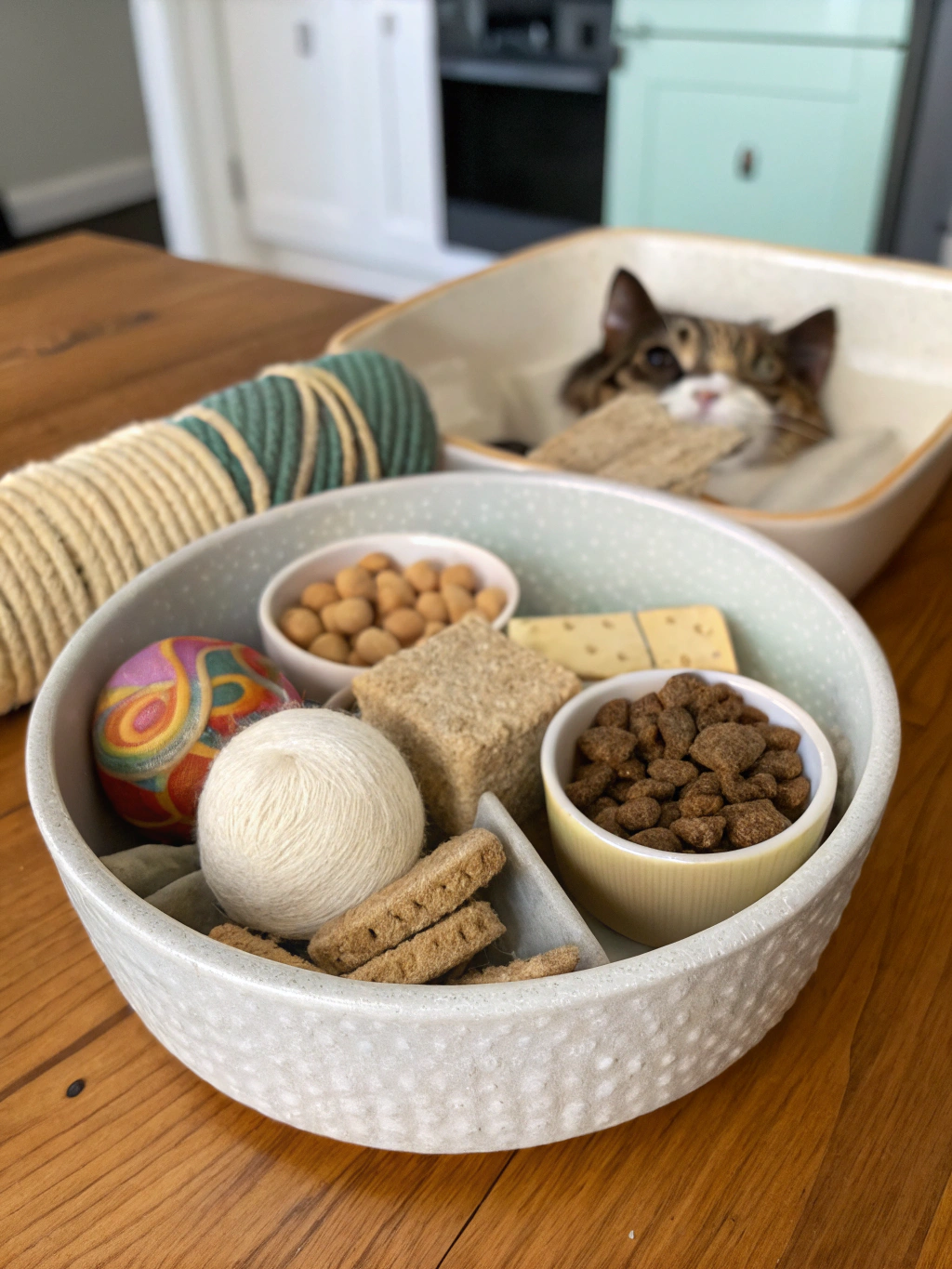
Managing aggressive behavior requires the right tools and environment. Here are essential supplies to help redirect your cat’s energy safely:
Interactive Toys: Wand toys with feathers or ribbons allow you to engage your cat from a distance, preventing direct hand contact during play. These simulate prey movement and provide appropriate outlets for hunting instincts.
Puzzle Feeders: These mentally stimulating devices slow down eating while challenging your cat’s problem-solving abilities, reducing boredom-related aggression.
Scratching Posts: Tall, sturdy scratching posts covered in sisal rope help cats release pent-up energy and mark territory appropriately. Place multiple posts throughout your home.
Cat Trees and Perches: Vertical spaces provide escape routes and vantage points, reducing stress and territorial conflicts in multi-cat households.
Pheromone Diffusers: Products like Feliway release calming pheromones that can reduce anxiety-triggered aggression by up to 70% according to veterinary studies.
Tunnel Systems and Hideaways: These provide safe retreat spaces where cats can decompress when overstimulated.
Treat-Dispensing Toys: These reward positive behavior while keeping cats engaged in constructive activities.
Clicker Training Kit: Essential for positive reinforcement training, helping establish clear communication between you and your cat.
Optional Items: Window perches for environmental enrichment, calming collars, and cat grass for natural stimulation.
Timeline / Progress Expectations
Understanding the timeline for behavioral changes helps set realistic expectations when working on aggression issues.
Week 1-2: Focus on establishing safety protocols and identifying triggers. Most owners can recognize patterns in aggressive behavior within 10-14 days of careful observation. Begin introducing calming environmental changes and pheromone diffusers.
Week 3-4: Implement basic redirection techniques. You should notice your cat beginning to respond to alternative outlets for aggression. Approximately 40% of cats show measurable improvement in this timeframe with consistent intervention.
Month 2-3: Behavioral patterns become more established. Most cats demonstrate significant progress, with aggressive episodes decreasing by 50-60% when proper techniques are maintained consistently.
Month 4-6: Long-term behavioral modification solidifies. Research indicates that 75% of cats with aggression issues show substantial improvement within six months of dedicated training and environmental management.
Daily Routine: Engage in two 15-minute play sessions daily to expend excess energy. Weekly grooming sessions help desensitize cats to handling, reducing touch-related aggression.
Step-by-Step Instructions
Step 1: Identify Aggression Triggers
Maintain a behavior journal documenting when, where, and what precedes aggressive episodes. Note time of day, activities, environmental factors, and your cat’s body language. Common triggers include overstimulation, territorial disputes, fear, redirected frustration, or pain. This information is crucial for developing a targeted intervention plan.
Step 2: Create Safe Spaces
Designate quiet areas throughout your home where your cat can retreat when stressed. These spaces should include comfortable bedding, water, and elevated perches. In multi-cat households, ensure each cat has individual resources to prevent competition-based aggression.
Step 3: Implement Interactive Play Sessions
Schedule structured play sessions before typical aggression episodes occur. Use wand toys to simulate prey movement, allowing your cat to stalk, chase, pounce, and “capture” the toy. Always let your cat “win” occasionally to prevent frustration. End sessions gradually with slower movements, then offer a small treat.
Step 4: Practice Positive Reinforcement
Use clicker training to reward calm behavior. When your cat displays relaxed body language or redirects away from aggressive behavior, immediately click and reward. This creates positive associations with appropriate responses.
Step 5: Avoid Physical Punishment
Never use physical discipline, which escalates fear and aggression. Instead, Redirect aggression in cats by interrupting the behavior with a neutral sound (like a gentle “shh”), then redirecting attention to an appropriate toy or activity.
Step 6: Desensitization and Counter-Conditioning
Gradually expose your cat to triggers at low intensity while pairing the experience with positive rewards. For example, if your cat becomes aggressive during petting, limit touch to three strokes, reward, and gradually increase duration over weeks.
Step 7: Establish Predictable Routines
Cats thrive on consistency. Feed, play, and interact with your cat at regular times daily. Predictability reduces anxiety-related aggression by creating a secure environment.
Health Benefits / Cat Advantages
Properly addressing aggressive behavior provides numerous health and wellness advantages for your feline companion.
Reduced Stress Levels: Studies show that cats with managed aggression exhibit 45% lower cortisol levels, indicating decreased chronic stress that can compromise immune function.
Improved Mental Stimulation: Redirecting energy into interactive play and puzzle toys provides cognitive enrichment that prevents boredom and depression, common in indoor cats.
Enhanced Physical Health: Regular play sessions associated with aggression management provide cardiovascular exercise, helping maintain healthy weight and muscle tone. Active cats have a 30% lower risk of obesity-related conditions.
Strengthened Human-Animal Bond: Successfully managing aggression through positive techniques builds trust and deepens your relationship, leading to a more affectionate and confident cat.
Prevention of Self-Harm: Cats with outlet-appropriate aggressive tendencies are less likely to develop compulsive behaviors like excessive grooming or self-mutilation, which affect approximately 15% of stressed cats.
Better Social Integration: Cats whose aggression is properly redirected integrate more successfully into multi-pet households, reducing rehoming rates and improving quality of life.
Alternative Methods & Tips
For Small Living Spaces: Maximize vertical territory with wall-mounted shelves and tall cat trees. Rotate toys weekly to maintain novelty without requiring storage space for numerous items simultaneously.
For Multi-Cat Households: Provide resources in a 1+1 ratio (one per cat plus one extra). Place litter boxes, food stations, and resting areas in separate locations to minimize territorial disputes.
For Senior Cats: Aggression may indicate pain from arthritis or other age-related conditions. Consult your veterinarian and provide easily accessible resources, orthopedic bedding, and gentler play options.
Budget-Friendly Options: DIY toys from cardboard boxes, paper bags, and crumpled paper provide excellent enrichment. Toilet paper tubes stuffed with treats create effective puzzle feeders.
For Different Climates: In hot climates, schedule play sessions during cooler morning or evening hours. Cold climate cats may exhibit more energy and require additional activity outlets during winter months.
For Shy or Fearful Cats: Use passive play techniques with automated toys that don’t require direct human interaction initially. Gradually increase involvement as trust develops.
Common Mistakes to Avoid
Using Hands as Toys: Never encourage kittens or cats to attack hands or feet during play. This establishes dangerous patterns that intensify as cats mature and bite force increases.
Inconsistent Responses: Allowing aggressive behavior sometimes while correcting it other times confuses cats and delays progress. Consistency is crucial for effective behavior modification.
Punishment-Based Approaches: Yelling, spraying water, or physical corrections increase fear and anxiety, typically worsening aggressive behavior rather than improving it.
Ignoring Medical Causes: Approximately 30% of sudden aggression stems from underlying medical issues including pain, hyperthyroidism, or neurological conditions. Always rule out health problems with veterinary examination.
Insufficient Environmental Enrichment: Boredom significantly contributes to aggression. Cats require daily interactive play, environmental variation, and mental challenges to remain behaviorally healthy.
Overwhelming Socialization: Forcing interactions when cats show stress signals (flattened ears, tail lashing, dilated pupils) teaches them that warnings don’t work, leading to escalated aggression without warning.
Neglecting Individual Personality: Cookie-cutter approaches fail because each cat has unique triggers, preferences, and learning styles. Tailor techniques to your specific cat’s needs.
Storage & Maintenance Tips
Toy Rotation System: Store toys in labeled containers and rotate weekly to maintain novelty. This prevents boredom while extending toy lifespan. Wash fabric toys monthly and inspect for damage that could pose choking hazards.
Food Storage: Keep dry food in airtight containers in cool, dry locations to prevent spoilage and maintain nutritional value. Puzzle feeders should be cleaned weekly to prevent bacterial growth.
Litter Box Maintenance: Scoop daily and completely change litter weekly. Territorial aggression often increases with inadequate litter box hygiene. Wash boxes monthly with unscented soap.
Scratching Post Care: Vacuum or brush posts weekly to remove loose fibers and dander. Replace worn surfaces when cats stop using them, as effectiveness depends on satisfying texture.
Pheromone Diffuser Management: Replace diffuser refills monthly and units every six months for optimal effectiveness. Position diffusers in areas where aggressive episodes commonly occur.
Environmental Reset: Weekly, rearrange toys and rotate enrichment items to prevent environmental stagnation. Cats appreciate novelty and environmental complexity.
Seasonal Maintenance: Deep clean cat areas quarterly, washing bedding, disinfecting surfaces, and inspecting all equipment for wear or safety concerns.
Conclusion
Successfully managing feline aggression transforms challenging behaviors into opportunities for deeper connection with your cat. By implementing the safe redirection techniques outlined above—from proper environmental enrichment to consistent positive reinforcement—you can address aggressive behaviors at their root while respecting your cat’s natural instincts. Remember that behavioral change requires patience, consistency, and understanding. Most cats show significant improvement within 2-3 months of dedicated intervention. Start today by identifying your cat’s triggers, establishing structured play routines, and creating safe spaces throughout your home. Share your success stories in the comments below, and explore our related articles on cat behavior for additional insights into creating a harmonious multi-species household.
FAQs
How can I tell the difference between play aggression and real aggression?
Play aggression typically involves inhibited bites, relaxed body posture, and playful behavior like pouncing without injury intent. Real aggression features flattened ears, hissing, dilated pupils, rigid body posture, and uninhibited bites that break skin. Play aggression occurs during interactive moments, while serious aggression often relates to fear, territory, or pain. Context and body language are key differentiators.
Can aggressive cats ever become completely non-aggressive?
While many cats dramatically improve with proper intervention, some retain lower-level aggressive tendencies, especially those with traumatic backgrounds or neurological issues. Approximately 80% of cats with behavioral aggression can achieve significant improvement where episodes become rare and manageable. The goal is safe coexistence and reduced frequency, not necessarily complete elimination of all natural aggressive instincts.
What should I do during an active aggressive episode?
Never physically intervene with your hands, which risks serious injury. Instead, create distance by calmly leaving the room or placing a barrier (pillow, cushion) between you and the cat. Make a neutral interrupting sound, then ignore the cat until they calm completely. Once calm, redirect to an appropriate activity. If attacks are unprovoked and severe, consult a veterinary behaviorist immediately.
How long should play sessions be to prevent aggression?
Most cats benefit from two 15-20 minute interactive play sessions daily, ideally before feeding times. Sessions should continue until your cat shows signs of tiring (slower movements, lying down, decreased interest). For high-energy cats, three shorter 10-minute sessions may work better. Consistency matters more than duration—daily engagement prevents buildup of excess energy that manifests as aggression.
When should I seek professional help for cat aggression?
Consult your veterinarian immediately if aggression appears suddenly, intensifies rapidly, or causes injuries requiring medical attention. Seek a certified animal behaviorist if home interventions show no improvement after 6-8 weeks, if aggression threatens household safety, or if multiple cats display serious conflict. Professional guidance is especially important for aggression linked to medical conditions, severe fear, or complex multi-cat dynamics that require specialized intervention strategies.