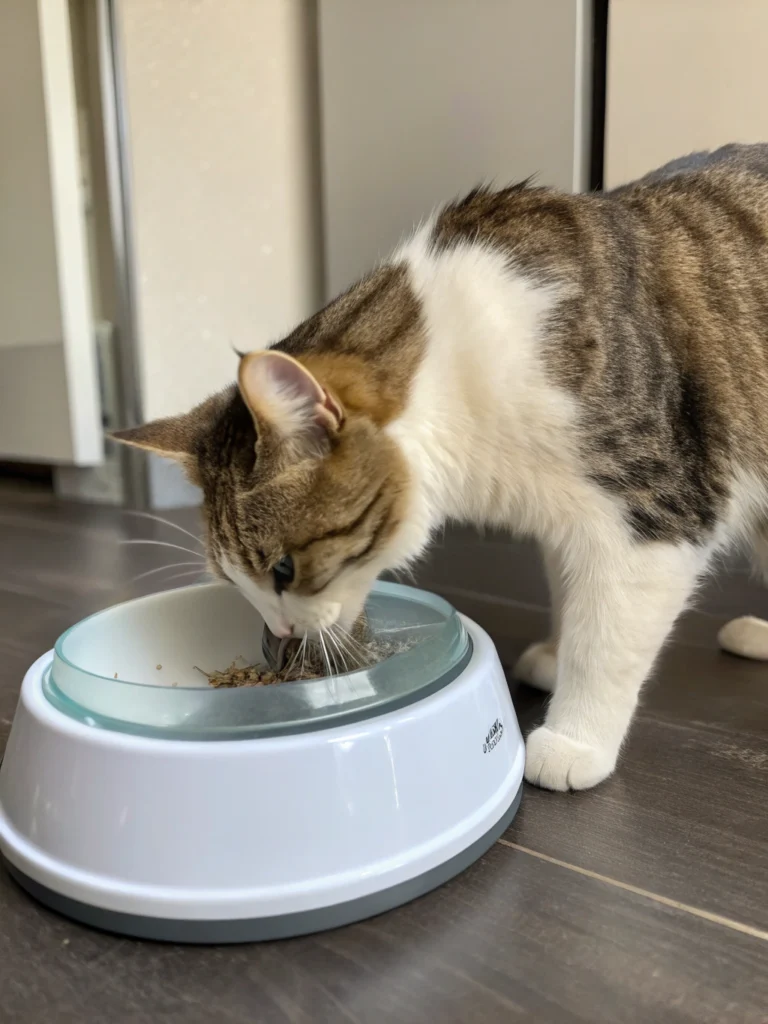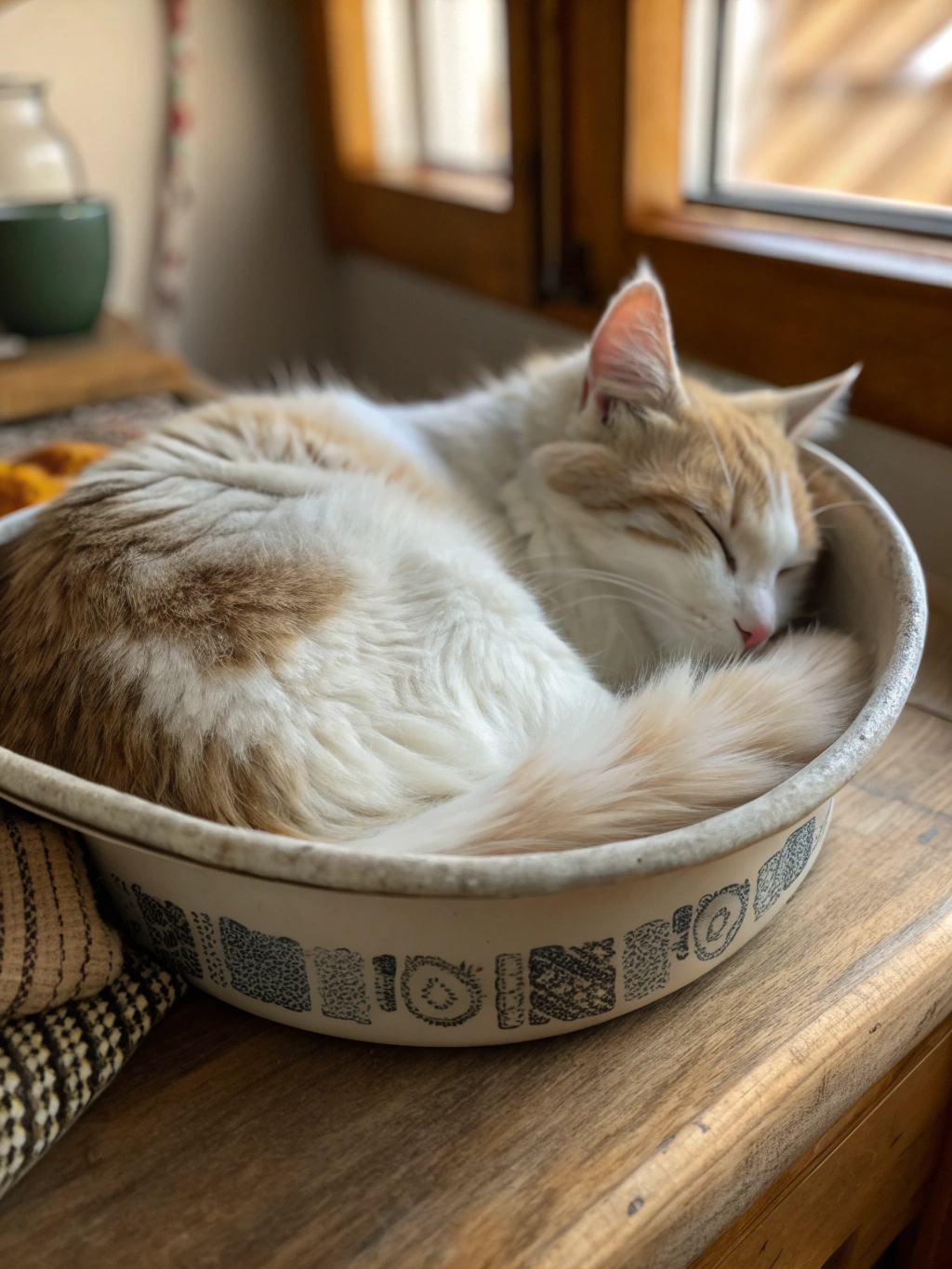
Cat Sleeping Habits: How Cats Sleep
Cat Sleeping Habits: How Cats Sleep
Table of Contents
Introduction
Have you ever wondered why your cat spends up to 70% of their life sleeping? According to veterinary research, the average cat sleeps between 12 to 16 hours per day, with some senior cats or kittens sleeping even more. Understanding Cat sleeping habits is essential for any cat owner who wants to ensure their feline friend remains healthy, happy, and behaviorally balanced. While it may seem like your cat is just being lazy, their sleep patterns are actually deeply connected to their natural hunting instincts, energy conservation, and overall wellbeing. In this comprehensive guide, we’ll explore how cats sleep, why they sleep so much, and what their sleeping behavior reveals about their health and happiness.
Cat Supplies & Essentials

To support your cat’s healthy sleeping habits and overall wellbeing, consider these essential supplies:
Cat Beds: Provide multiple comfortable sleeping spots, including elevated perches, enclosed cave-style beds, and soft cushions. Cats prefer having options based on temperature and security needs.
Scratching Posts: Essential for stretching after sleep and maintaining claw health. Place near sleeping areas to encourage natural wake-up routines.
Interactive Toys: Feather wands, laser pointers, and puzzle feeders help expend energy during waking hours, promoting better sleep quality.
Quality Cat Food: High-protein, species-appropriate nutrition supports energy levels and healthy sleep-wake cycles. Choose age-appropriate formulas for kittens, adults, or seniors.
Litter Boxes: Maintain one box per cat plus one extra. Clean boxes reduce nighttime disturbances and stress-related sleep disruption.
Water Fountains: Encourages hydration, which supports overall health and can prevent urinary issues that might disturb sleep.
Window Perches: Provides mental stimulation during waking hours and comfortable napping spots with sunlight exposure.
Grooming Tools: Regular brushing prevents hairballs that can disrupt sleep and discomfort.
Cat Carriers: Essential for veterinary visits to monitor health issues that might affect sleep patterns.
Optional Items: Calming pheromone diffusers, heated beds for senior cats, and blackout curtains for cats sensitive to light during sleep.
Timeline / Progress Expectations
Understanding the timeline for establishing healthy sleep routines helps set realistic expectations:
Days 1-7: New cats or kittens may experience disrupted sleep while adjusting to your home. Expect nighttime activity and frequent wake-ups.
Weeks 2-3: Most cats begin establishing regular sleep-wake patterns aligned with household routines. Behavioral improvements become noticeable.
Weeks 4-6: Sleep patterns stabilize. Adult cats typically develop 2-3 longer sleep periods interspersed with short active phases throughout 24 hours.
Months 2-3: Fully adapted cats demonstrate consistent sleep habits. Senior cats gradually increase total sleep time by 1-2 hours.
Daily Routine: Cats naturally experience two peak activity periods—dawn and dusk—reflecting their crepuscular hunting nature. Plan interactive play sessions during these times.
Weekly Maintenance: Monitor sleep location preferences, observe any changes in sleep duration, and maintain consistent feeding schedules to support circadian rhythms.
Seasonal Adjustments: Cats may sleep more during winter months and become more active during summer. Indoor temperature control affects comfort and sleep quality.
Step 1: Establish a Consistent Daily Routine
Create predictable feeding, play, and quiet times. Feed your cat at the same times daily, schedule two 15-minute interactive play sessions before dawn and dusk peak activity periods, and establish quiet evening routines that signal bedtime. Consistency helps regulate your cat’s internal clock.
Step 2: Create Multiple Comfortable Sleep Zones
Position beds in quiet, elevated, and warm locations throughout your home. Cats feel safest when they can observe their territory from above. Provide at least 3-4 sleeping options, including enclosed spaces for security and open perches for surveillance.
Step 3: Encourage Pre-Sleep Activity
Engage in vigorous play sessions 30-60 minutes before your bedtime. Use interactive toys that mimic hunting behaviors—chase, pounce, catch. This mimics the natural hunt-eat-groom-sleep cycle and promotes deeper, longer sleep periods.
Step 4: Provide Post-Play Feeding
After intense play, offer a small meal or substantial snack. This replicates the natural sequence of hunting followed by eating, which triggers grooming and then sleep. This biological pattern encourages your cat to sleep through the night.
Step 5: Monitor Sleep Quality and Changes
Observe your cat’s breathing during sleep (normal rate: 20-30 breaths per minute), note any excessive vocalization or movement suggesting distress, and track total sleep duration. Sudden changes in sleep patterns may indicate health issues requiring veterinary attention.
Health Benefits / Cat Advantages
Proper sleep is fundamental to feline health and offers numerous benefits:
Physical Restoration: During sleep, cats repair tissues, build muscle, and strengthen their immune system. Adequate rest reduces inflammation and supports cardiovascular health.
Cognitive Function: Sleep consolidates memories and supports learning. Cats who sleep well demonstrate better problem-solving abilities and adapt more readily to environmental changes.
Energy Conservation: As obligate carnivores designed for short, intense hunting bursts, cats conserve energy through extended sleep periods. This evolutionary adaptation remains essential even for well-fed domestic cats.
Stress Reduction: Quality sleep regulates cortisol levels and reduces anxiety. Cats with consistent sleep patterns show fewer behavioral problems and less aggression.
Metabolism Regulation: Sleep affects hunger hormones and helps maintain healthy weight. Sleep-deprived cats may overeat or become lethargic when awake.
Behavioral Balance: Well-rested cats engage in more appropriate play, show greater affection, and exhibit fewer destructive behaviors like inappropriate scratching or excessive vocalization.
Research indicates that cats experiencing chronic sleep disruption show increased risk for obesity, diabetes, and behavioral disorders. Prioritizing healthy sleep habits significantly improves overall quality of life.
Alternative Methods & Tips
Adapt sleep support strategies to your specific situation:
Small Living Spaces: Utilize vertical space with wall-mounted perches and shelves. Multi-level cat trees provide sleeping, playing, and observation areas without consuming floor space.
Multi-Cat Households: Provide individual sleeping areas for each cat plus extras to prevent resource guarding. Some cats prefer sleeping together while others require solitude.
Indoor-Only Cats: Increase environmental enrichment with window bird feeders, cat TV videos, and rotating toy selection to prevent boredom-related sleep disruption.
Different Age Groups: Kittens need 18-20 hours of sleep; provide safe, enclosed spaces. Senior cats benefit from orthopedic beds and easily accessible low-height sleeping spots.
Budget-Friendly Options: Cardboard boxes with soft towels, repurposed furniture cushions, and DIY window perches offer comfortable sleep spaces without significant expense.
Temperature Considerations: In cold climates, provide heated beds or thermal blankets. In warm areas, ensure access to cool tile floors or elevated mesh beds for air circulation.
Anxious Cats: Use pheromone diffusers, maintain strict routines, and create hiding spots. Some cats benefit from calming music or white noise machines.
Common Mistakes to Avoid
Prevent these frequent errors that disrupt healthy sleep patterns:
Inconsistent Schedules: Irregular feeding and play times confuse cats’ biological clocks. Maintain consistent daily routines even on weekends.
Insufficient Pre-Sleep Activity: Cats without adequate exercise won’t be tired at bedtime, leading to nighttime disruptions. Always provide vigorous evening play.
Disturbing Sleep: Never wake a sleeping cat unnecessarily. Interrupted sleep cycles cause stress and behavioral problems. Respect their rest periods.
Inadequate Sleep Options: Single sleeping locations don’t accommodate cats’ varying temperature and security needs. Provide multiple choices throughout your home.
Ignoring Sleep Changes: Sudden increases or decreases in sleep duration may indicate illness, pain, or stress. Consult your veterinarian promptly.
Overfeeding Before Bed: Large meals cause discomfort. Offer moderate portions that satisfy without causing digestive distress.
Noisy Sleep Environments: Loud televisions, music, or household activity near sleeping areas prevent deep rest. Create quiet zones for undisturbed sleep.
Inadequate Litter Box Maintenance: Dirty boxes cause stress and nighttime disturbances. Scoop daily and completely change litter weekly.
Storage & Maintenance Tips
Maintain optimal sleeping environments with these practices:
Weekly Cleaning: Wash cat beds in hot water weekly to eliminate parasites, dander, and odors. Have backup beds available during washing.
Monthly Inspections: Check beds for wear, tears, or damaged filling that could pose safety hazards. Replace deteriorating items promptly.
Seasonal Rotation: Store heavy winter beds during summer and lightweight options during winter. This maintains freshness and extends product life.
Toy Maintenance: Clean interactive toys weekly with pet-safe disinfectants. Rotate toy selection to maintain novelty and interest.
Food Storage: Keep dry food in airtight containers in cool, dark locations. This preserves nutritional quality and prevents spoilage that could affect health and sleep.
Litter Management: Store litter in sealed containers away from sleeping areas. Strong odors can deter cats from using boxes, disrupting nighttime routines.
Environmental Control: Vacuum sleeping areas twice weekly to reduce allergens. Change HVAC filters monthly to maintain air quality supporting respiratory health during sleep.
Documentation: Keep a simple log noting sleep pattern changes, especially useful for multi-cat households or when communicating concerns to veterinarians.
Conclusion
Understanding Feline sleep patterns empowers you to support your cat’s health, behavior, and happiness. By providing appropriate sleeping environments, establishing consistent routines, and recognizing when sleep changes signal health concerns, you become a more effective and caring cat owner. Remember that sleep isn’t laziness—it’s a biological necessity that affects every aspect of your cat’s wellbeing. Start implementing these strategies today, observe how your cat responds, and adjust based on their individual preferences. Share your experiences with other cat owners and explore additional resources about cat behavior and health. Your commitment to understanding your cat’s sleep needs will strengthen your bond and ensure many happy, healthy years together.
FAQs
How many hours should a cat sleep per day?
Most adult cats sleep 12-16 hours daily, while kittens and senior cats may sleep 18-20 hours. This is completely normal and reflects their evolutionary adaptation as predators who conserve energy between hunting opportunities.
Why does my cat sleep so much during the day?
Cats are crepuscular, meaning they’re naturally most active during dawn and dusk. Daytime sleeping conserves energy for these peak activity periods. If your cat seems excessively lethargic or shows other symptoms, consult your veterinarian.
Is it normal for my cat to sleep in different positions?
Yes! Sleeping positions indicate comfort and security levels. Curled positions conserve heat, stretched-out poses indicate relaxation and trust, and belly-up positions show complete security in their environment.
Can I train my cat to sleep through the night?
Yes, by establishing consistent routines with vigorous evening play sessions followed by feeding. This mimics the natural hunt-eat-groom-sleep cycle, encouraging longer nighttime sleep periods aligned with your schedule.
When should I worry about my cat’s sleeping habits?
Contact your veterinarian if you notice sudden changes in sleep duration, difficulty breathing during sleep, excessive vocalization while sleeping, disorientation after waking, or if increased sleep accompanies appetite changes, weight loss, or behavioral shifts. These may indicate underlying health issues requiring professional evaluation.