Understanding Kitten Behavior: A Guide for New Owners
Understanding Kitten Behavior: A Guide for New Owners
Table of Contents
Introduction
Did you know that 70% of cat behavior problems stem from misunderstandings during the crucial kitten phase? Understanding kitten behavior is essential for new owners who want to build a strong, positive relationship with their feline companions from day one. Kittens go through rapid developmental stages that shape their adult personalities, and recognizing these behaviors early can prevent future challenges. Whether you’re dealing with midnight zoomies, playful biting, or litter box confusion, learning what behaviors to expect from kittens and how to encourage good habits will transform your experience as a cat parent. This comprehensive guide will walk you through everything you need to know about raising a well-adjusted, happy kitten.
Cat Supplies & Essentials
Setting up your home with the right supplies creates a foundation for positive behavior patterns. Here’s what every new kitten owner needs:
Litter Boxes: Provide one box per kitten plus one extra. Choose low-sided boxes for young kittens (under 3 months) to ensure easy access. Covered boxes may intimidate shy kittens initially.
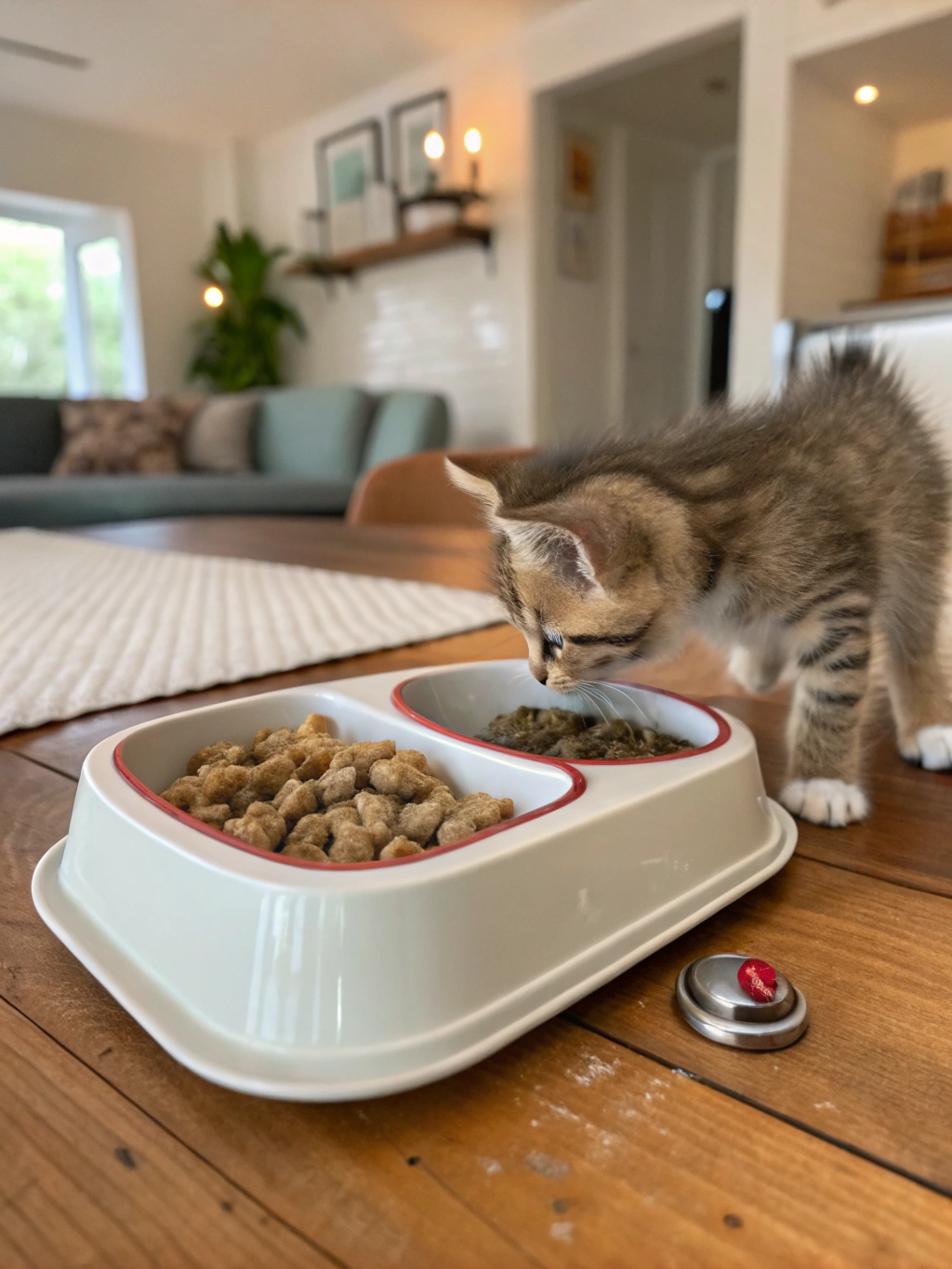
Kitten Food: High-protein, age-appropriate wet and dry food formulated specifically for kittens supports their growth and energy needs. Look for AAFCO-certified products.
Interactive Toys: Wand toys, feather teasers, and small balls encourage natural hunting behaviors and prevent boredom-related misbehavior. Rotate toys weekly to maintain interest.
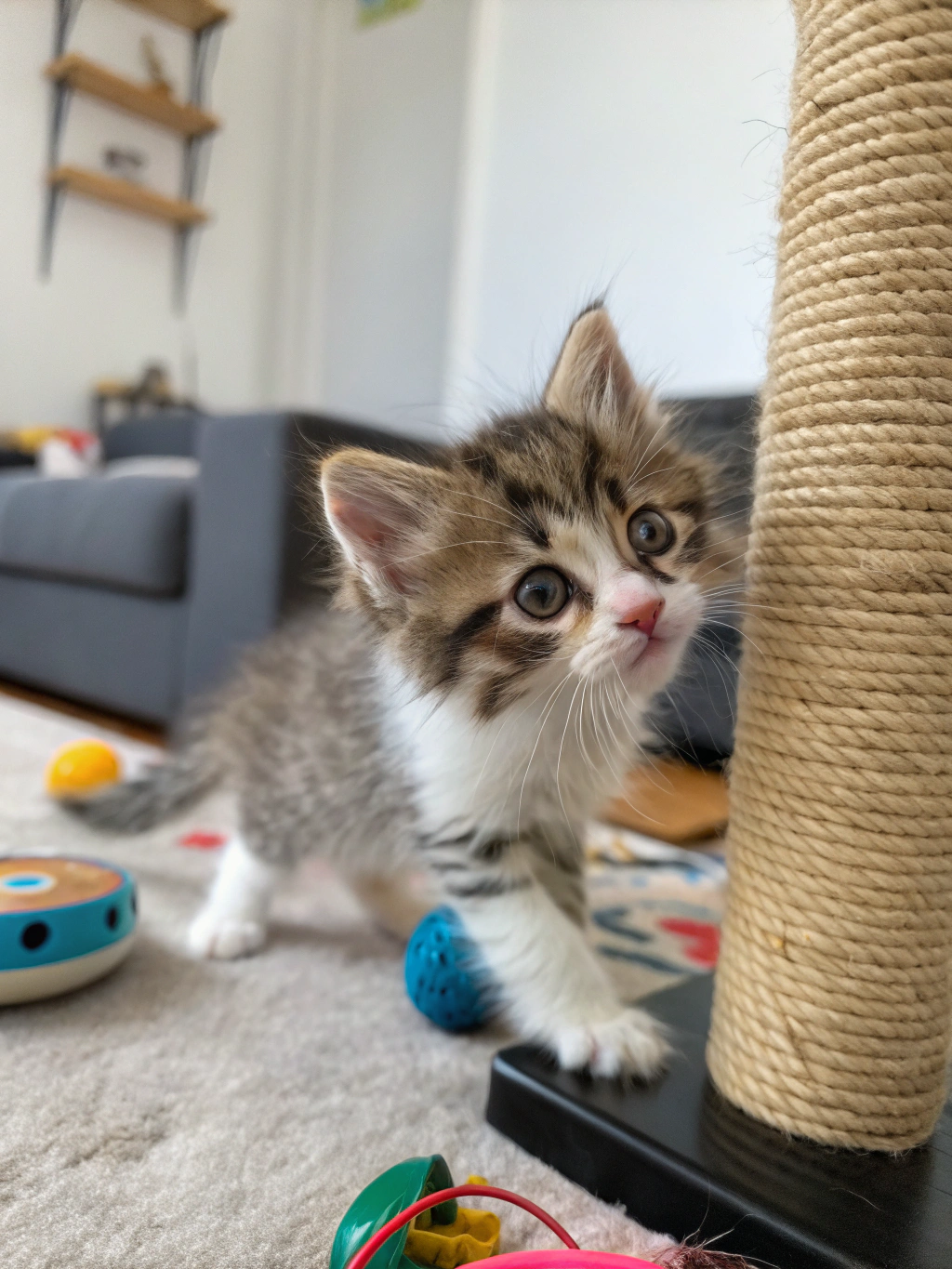
Scratching Posts: Essential for claw health and territorial marking. Offer both vertical posts (24+ inches) and horizontal scratchers in different textures like sisal and cardboard.
Comfortable Beds: Kittens sleep 18-20 hours daily. Provide warm, enclosed beds in quiet areas to support their rest and security needs.
Carriers: A sturdy, well-ventilated carrier makes vet visits less stressful. Practice positive associations by leaving it open with treats inside.
Water Fountains: Encourages hydration, which is critical for urinary health. Many kittens prefer running water to still bowls.
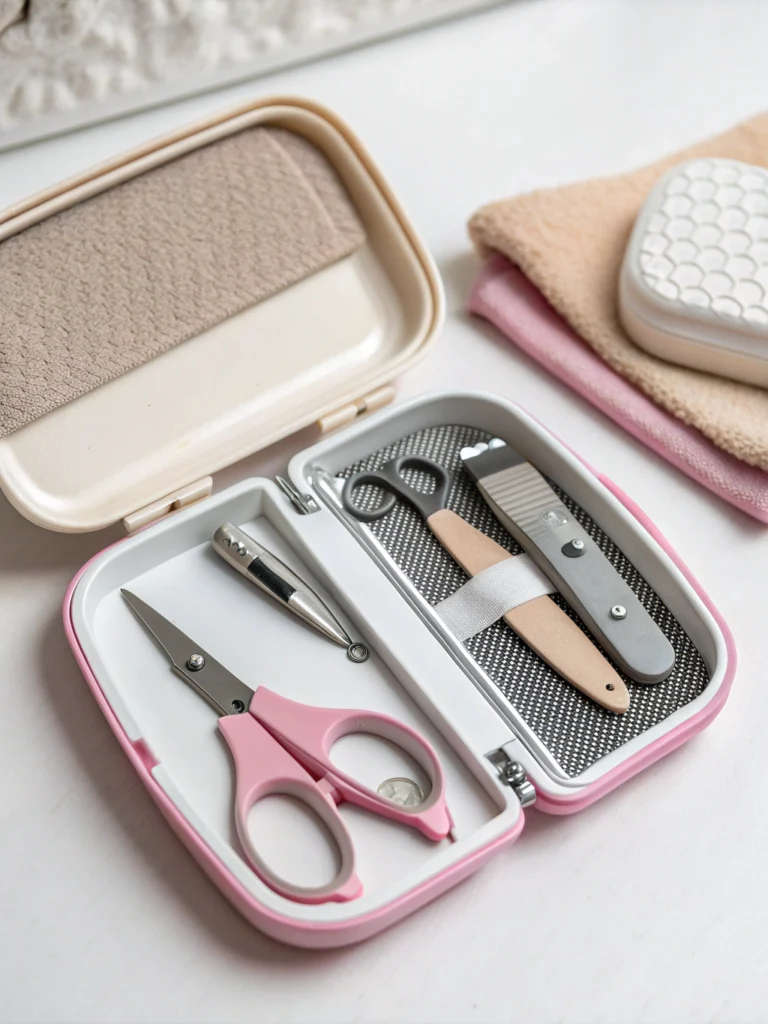
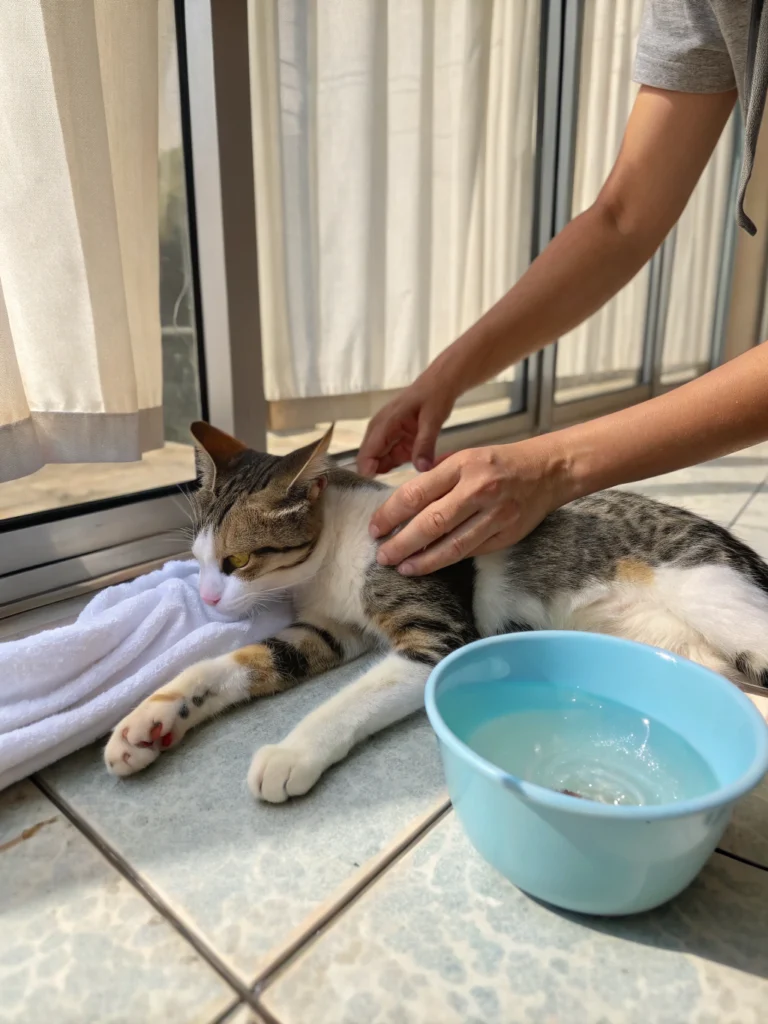
Grooming Tools: Soft brushes, nail clippers, and kitten-safe shampoo help establish grooming routines early.
Optional Items: Cat trees, puzzle feeders, calming pheromone diffusers, and window perches enhance environmental enrichment.
Timeline / Progress Expectations
Kitten behavior development follows predictable patterns, though individual variation exists:
Weeks 1-8: Kittens learn basic social skills from their mother and littermates. Separation before 8 weeks often leads to behavioral issues.
Weeks 8-12: Your kitten learns house rules. Expect litter box accidents and exploration. Most kittens master litter box use within 2-3 weeks with consistent placement and positive reinforcement.
Weeks 12-16: Teething phase begins. Increased biting and chewing behavior is normal. Redirecting to appropriate toys takes 3-4 weeks of consistency.
Months 4-6: Energy peaks and play aggression may intensify. Daily structured play sessions (2-3 times, 15 minutes each) typically reduce unwanted behaviors within 2-3 weeks.
Months 6-12: Sexual maturity arrives. Spaying/neutering around 5-6 months prevents marking behaviors and reduces aggression.
Daily Routine: Feed 3-4 times daily, play sessions morning and evening, litter box cleaning twice daily.
Weekly Routine: Nail trimming, grooming sessions, toy rotation, and deep cleaning of food/water stations.
Seasonal Adjustments: Increased shedding in spring/fall requires more frequent grooming. Winter may reduce activity levels.
Step-by-Step Instructions
Teaching Appropriate Play Behavior
Kittens naturally use teeth and claws during play, but you can redirect this energy positively:
Never use hands as toys – Always use wand toys or interactive objects to create distance between your skin and their claws.
Establish play sessions – Schedule 3-4 daily play periods lasting 10-15 minutes to exhaust their hunting drive.
End play when biting occurs – Immediately stop interaction and walk away when your kitten bites, teaching that biting ends fun.
Provide acceptable alternatives – Offer plush toys, kick pillows, and stuffed prey alternatives when aggressive play starts.
Use positive reinforcement – Reward gentle behavior with treats and praise, reinforcing calm interactions.
Litter Box Training
Most kittens instinctively use litter, but proper setup ensures success:
Choose the right location – Place boxes in quiet, accessible areas away from food and water.
Select appropriate litter – Unscented, clumping litter with fine granules mimics natural soil and is gentle on kitten paws.
Show them the box – After meals and naps, gently place your kitten in the box and let them explore.
Keep it clean – Scoop twice daily and completely change litter weekly to prevent avoidance behaviors.
Address accidents properly – Clean with enzyme cleaners to eliminate odors and never punish, which creates fear.
Socialization and Confidence Building
Early socialization prevents fear and aggression in adulthood:
Introduce varied experiences – Expose kittens to different sounds, surfaces, people, and gentle handling during weeks 3-9.
Practice positive associations – Pair new experiences with treats and calm praise.
Handle regularly – Touch paws, ears, and mouth daily to prepare for grooming and vet exams.
Gradual exposure – Start with low-intensity stimuli and slowly increase difficulty as confidence builds.
Monitor stress signals – Watch for flattened ears, hiding, or hissing and reduce intensity if overwhelmed.
Health Benefits / Cat Advantages
Proper kitten care establishes lifelong wellness patterns with measurable benefits:
Behavioral Stability: Kittens receiving adequate play show 60% fewer behavior problems in adulthood, including reduced aggression and destructive behaviors.
Cognitive Development: Interactive toys and puzzle feeders stimulate mental development, improving problem-solving abilities and reducing anxiety-related issues.
Physical Health: High-quality kitten nutrition supports proper bone development, immune function, and healthy weight maintenance, reducing obesity risk by 40%.
Emotional Wellbeing: Consistent routines and positive reinforcement create secure attachments, leading to more confident, social adult cats.
Stress Reduction: Environmental enrichment lowers cortisol levels, reducing stress-related health issues like urinary problems and overgrooming.
Longevity: Cats with proper early socialization and care live an average of 2-3 years longer than those without structured kitten care.
Better Human-Animal Bond: Understanding natural kitten behaviors and responding appropriately strengthens trust and communication, creating harmonious households.
Alternative Methods & Tips
Different living situations require adapted approaches:
Small Spaces: Utilize vertical territory with wall-mounted shelves and tall cat trees. Rotate toys more frequently to prevent boredom in limited square footage.
Multi-Cat Households: Provide resources (litter boxes, food stations, perches) in multiple locations to reduce competition and territorial stress.
Budget-Friendly Enrichment: DIY toys using cardboard boxes, paper bags, and crumpled paper balls provide effective stimulation. Toilet paper rolls make excellent puzzle toys.
Climate Considerations: In warm climates, provide cooling mats and ensure fresh water access. Cold climates may require heated beds for comfort.
Personality Adaptations: Shy kittens benefit from quiet hiding spots and gradual socialization. Bold kittens need more challenging enrichment and structured outlets for energy.
Working Owner Solutions: Automatic feeders, timed toys, and companion pets help provide stimulation during long absences.
Feeding Alternatives: If wet food isn’t feasible, ensure high-quality dry food and consider adding water to kibble for hydration.
Common Mistakes to Avoid
Even well-intentioned owners make errors that complicate kitten development:
Inconsistent Rules: Allowing behaviors sometimes but not others (like jumping on counters) confuses kittens. Establish clear, consistent boundaries from day one.
Punishment-Based Training: Yelling, spraying water, or physical corrections create fear without teaching appropriate alternatives. Always use positive reinforcement instead.
Inadequate Play: Failing to provide sufficient outlets for hunting behaviors leads to destructive actions and aggression. Minimum 30 minutes daily interactive play is essential.
Overfeeding Treats: Treats should comprise no more than 10% of daily calories. Excessive treats cause obesity and nutritional imbalances.
Litter Box Neglect: Dirty boxes are the primary cause of elimination problems. Clean regularly and provide sufficient boxes (one per cat plus one).
Delayed Socialization: Missing the critical 3-9 week socialization window makes behavioral adjustments significantly harder later.
Ignoring Body Language: Misreading stress signals (tail twitching, flattened ears, dilated pupils) leads to bites and scratches. Learn feline communication cues.
Solo Kitten Syndrome: Adopting single kittens under 12 weeks old can result in poor bite inhibition and social skills. Consider adopting pairs when possible.
Storage & Maintenance Tips
Proper maintenance ensures supplies remain effective and hygienic:
Food Storage: Keep dry food in airtight containers to preserve freshness and prevent pest access. Store unopened cans in cool, dry places and refrigerate opened wet food for maximum 3 days.
Litter Box Maintenance: Empty completely and wash with mild soap weekly. Replace boxes annually as scratches harbor bacteria. Keep cleaning supplies nearby for quick access.
Toy Hygiene: Wash plush toys monthly in hot water. Wipe hard toys with pet-safe disinfectant weekly. Discard toys with loose parts that pose choking hazards.
Bedding Care: Wash cat beds every 2 weeks in hot water to eliminate parasites and allergens. Have backup beds to rotate during cleaning.
Carrier Cleanliness: Wipe down after each use and deep clean monthly. Leave open between uses with comfortable bedding to maintain positive associations.
Seasonal Deep Cleaning: Quarterly, wash all fabric items, clean behind furniture where toys accumulate, and inspect all supplies for wear.
Organization Systems: Dedicate specific storage areas for cat supplies. Label containers and keep daily-use items easily accessible.
Conclusion
Understanding kitten behavior transforms the challenging early months into an enriching experience for both you and your feline companion. By providing appropriate supplies, following developmental timelines, and implementing consistent training methods, you’ll encourage good habits that last a lifetime. Remember that patience and positive reinforcement are your greatest tools—kittens are learning constantly, and your guidance shapes their adult personality. Start implementing these strategies today and watch your kitten develop into a confident, well-adjusted cat. Share your kitten behavior experiences in the comments below, and explore our related posts on cat enrichment and training techniques for more expert guidance!
FAQs
How long does it take for a kitten to adjust to a new home?
Most kittens adapt within 2-4 weeks, though shy personalities may need 6-8 weeks. Provide hiding spots, maintain consistent routines, and allow them to explore at their own pace. Gradual introduction to household members and spaces reduces stress and accelerates adjustment.
Is it normal for kittens to be aggressive during play?
Yes, play aggression is completely normal in kittens under 6 months as they learn hunting skills. However, you must redirect this behavior to appropriate toys rather than hands or feet. Without proper redirection, play aggression can continue into adulthood and become problematic.
How often should I play with my kitten?
Kittens require 3-4 interactive play sessions daily, each lasting 10-15 minutes. High-energy kittens may need more. These sessions should mimic hunting sequences: stalking, chasing, catching, and “killing” toy prey, ending with a small treat to simulate eating the catch.
When should I start training my kitten?
Begin immediately upon arrival, typically around 8-12 weeks old. This critical period is when kittens are most receptive to learning. Start with basic habits like litter box use, gentle play, and accepting handling. Simple clicker training can begin as early as 8 weeks.
Why does my kitten suddenly run around at night?
These “zoomies” are normal bursts of energy, especially in kittens. The behavior stems from their crepuscular nature (most active at dawn/dusk) combined with excess energy. Increase daytime play sessions and establish a pre-bedtime play routine followed by feeding to encourage nighttime sleep.