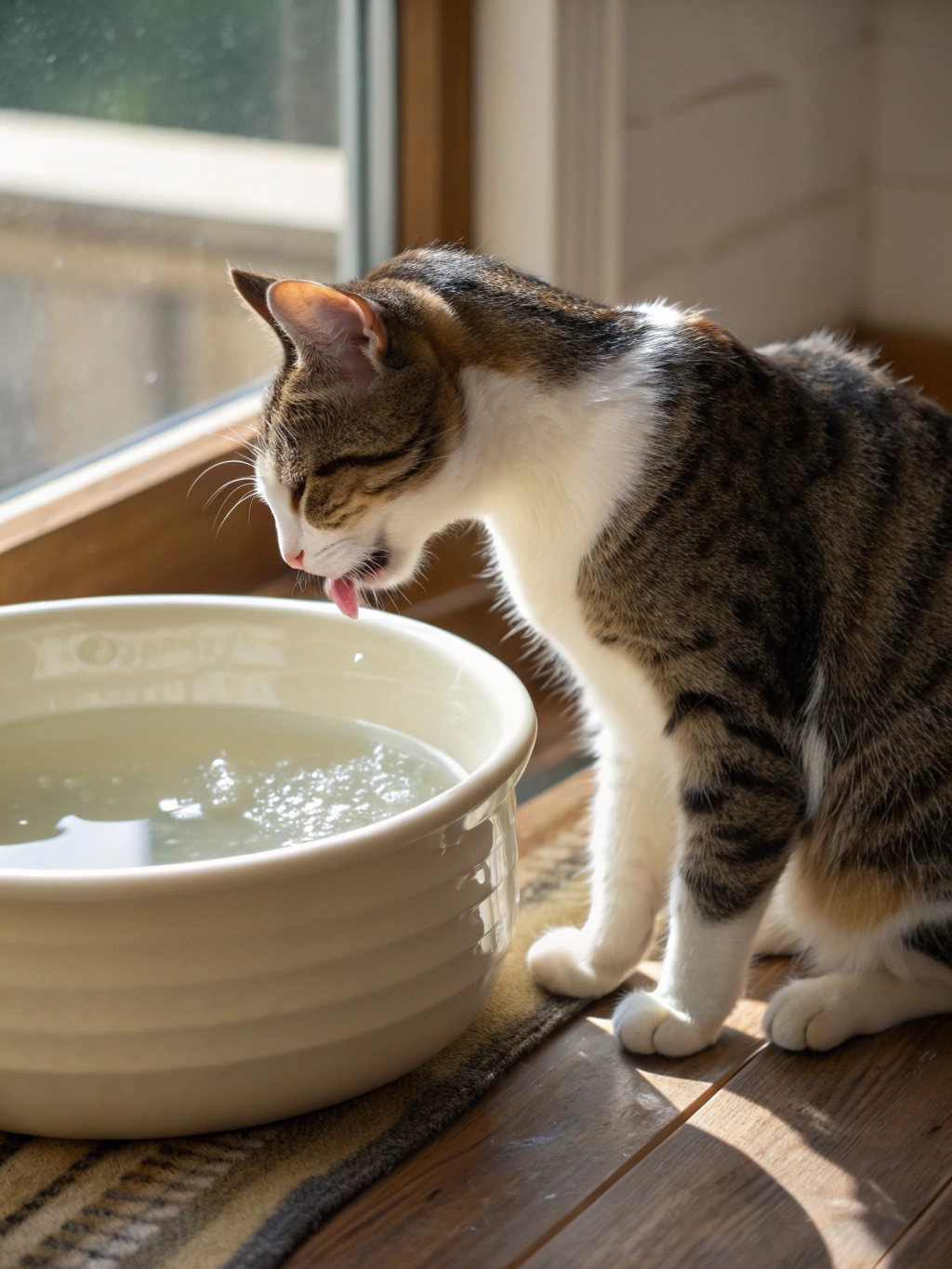
Cat Grooming Behavior: What’s Normal
Cat Grooming Behavior: What’s Normal
Table of Contents
Introduction
Did you know that cats spend nearly 30-50% of their waking hours grooming themselves? This astonishing statistic reveals just how critical grooming is to feline health and happiness. Understanding Cat grooming behavior is essential for every cat owner because it helps you distinguish between normal self-care routines and warning signs of potential health issues.
Cat Supplies & Essentials
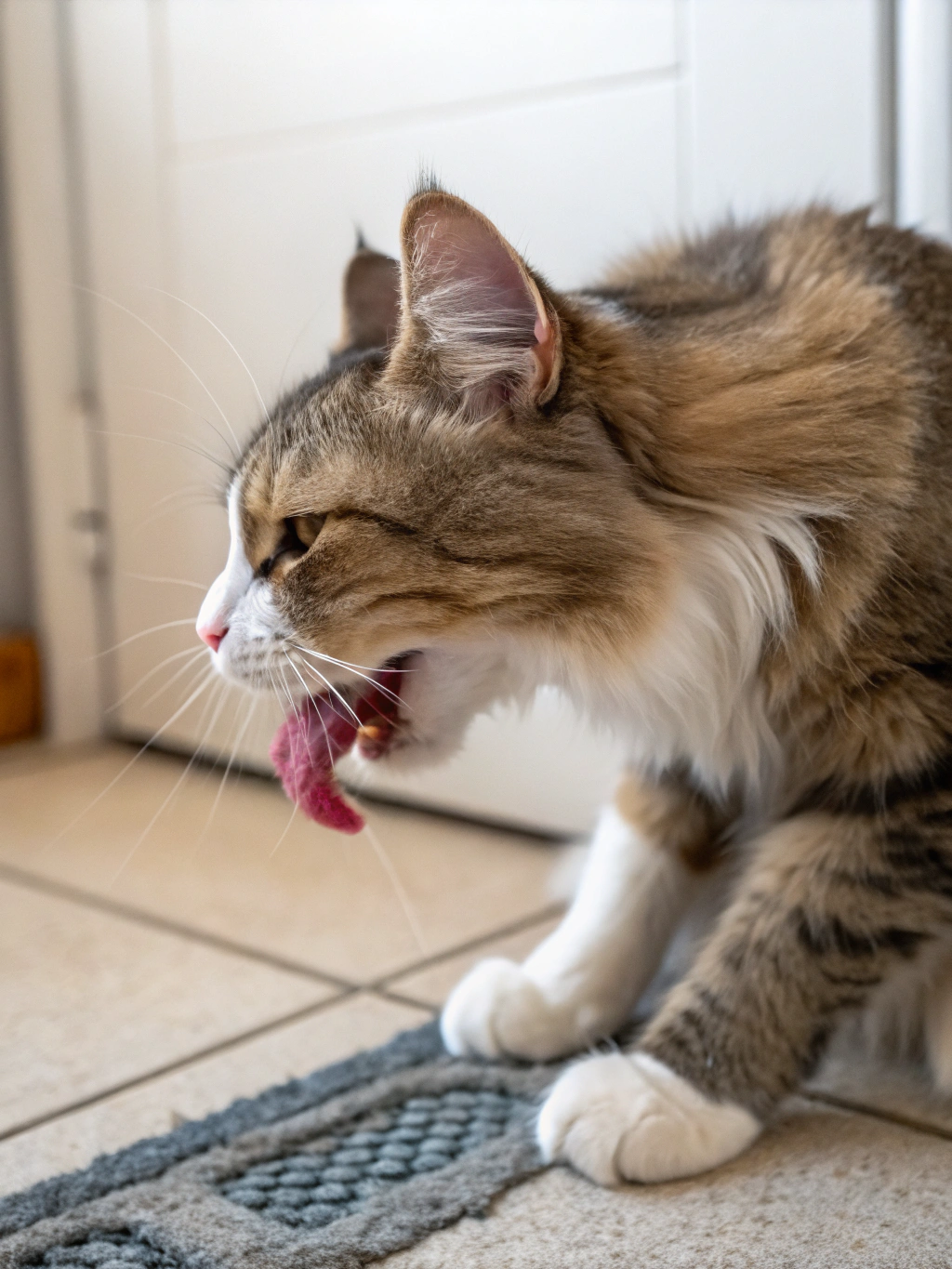
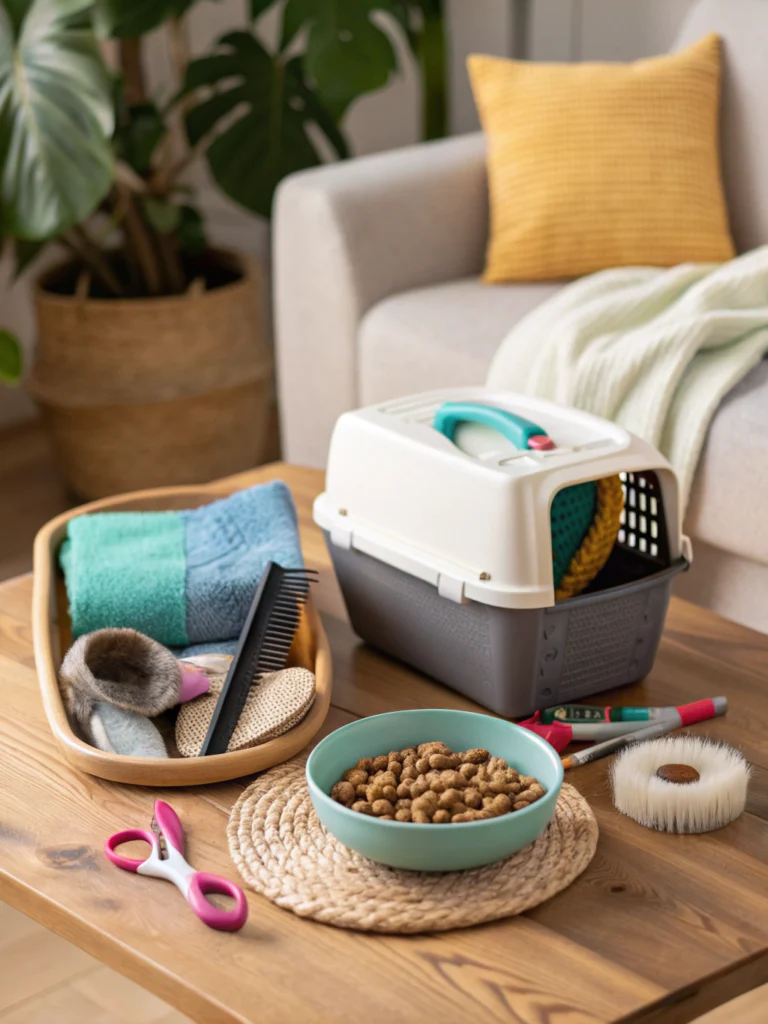
To support your cat’s natural grooming instincts and overall health, you’ll need several essential supplies:
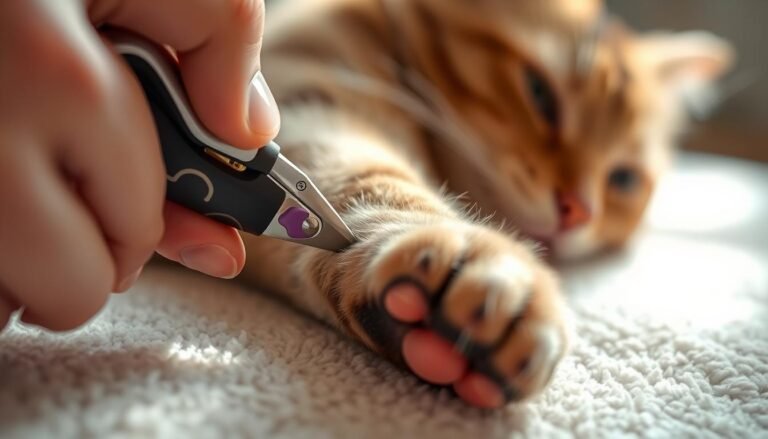
Grooming Tools: A quality slicker brush, metal comb, and nail clippers help you assist with coat maintenance, especially for long-haired breeds. These tools remove loose fur, prevent matting, and reduce hairballs.
High-Quality Cat Food: Nutrition directly impacts coat health. Premium foods rich in omega-3 and omega-6 fatty acids promote shiny, healthy fur that’s easier for cats to groom naturally.
Clean Litter Boxes: Maintaining 1-2 litter boxes per cat ensures hygiene and reduces stress-related over-grooming. Cats are meticulous creatures who prefer pristine bathroom facilities.
Interactive Toys: Feather wands, puzzle feeders, and laser pointers provide mental stimulation that prevents stress-induced grooming behaviors.
Cat Water Fountain: Adequate hydration supports skin health and proper grooming. Fountains encourage increased water intake compared to static bowls.
Scratching Posts: Essential for nail maintenance and stress relief, which indirectly supports normal grooming routines by keeping cats calm and content.
Comfortable Cat Bed: A cozy resting space reduces anxiety that might trigger compulsive grooming behaviors.
Pet Carrier: Necessary for veterinary visits when grooming behavior changes warrant professional evaluation.
Optional items include grooming wipes for quick cleanups, enzyme cleaners for accidents, and calming pheromone diffusers for anxious cats.
Timeline / Progress Expectations
Understanding Grooming habits in cats requires patience as you observe patterns over time.
Daily Observations (Days 1-7): Monitor how frequently your cat grooms throughout the day. Normal cats typically have 5-8 grooming sessions lasting 5-15 minutes each. Note any areas receiving excessive attention.
Weekly Patterns (Weeks 1-2): Track consistency in grooming routines. Most cats establish predictable patterns, grooming after meals, waking, or using the litter box. Document any changes in coat quality or appearance.
Monthly Assessment (Weeks 3-4): By the end of the first month, you’ll recognize your cat’s baseline grooming behavior. Healthy cats maintain clean, glossy coats without bald patches, excessive hairballs, or skin irritation.
Seasonal Variations: Expect increased grooming during shedding seasons (spring and fall). Cats naturally groom more frequently to manage loose fur, which is completely normal.
Behavioral Adjustments: If introducing grooming assistance, most cats adapt within 2-3 weeks with consistent, gentle sessions. Stressed cats showing over-grooming may require 4-8 weeks of intervention to return to normal patterns.
Step-by-Step Instructions
Step 1: Establish Your Cat’s Baseline
Spend one week simply observing without intervention. Note the frequency, duration, and preferred grooming times. Record which body parts receive the most attention—typically the face, paws, and flanks are groomed most frequently.
Step 2: Check for Normal Grooming Indicators
Examine your cat’s coat for signs of effective grooming: clean ears, bright eyes, no matted fur, smooth coat texture, and pink skin without redness or scabs. A well-groomed cat should smell neutral, not dirty or overly oily.
Step 3: Introduce Assisted Grooming
Start with 5-minute brushing sessions 2-3 times weekly. Use gentle strokes following fur direction. Reward cooperation with treats to create positive associations. Gradually increase duration as your cat becomes comfortable.
Step 4: Monitor for Abnormal Patterns
Watch for red flags: grooming the same spot repeatedly, creating bald patches, excessive hairballs (more than one weekly), skin lesions, or complete grooming avoidance. Document changes with photos and dates.
Step 5: Address Environmental Stressors
Identify and minimize stress triggers like household changes, new pets, or loud noises that might cause over-grooming. Provide safe spaces, maintain routines, and consider calming supplements if needed.
Step 6: Maintain Regular Veterinary Checkups
Schedule annual wellness exams to catch skin conditions, parasites, or allergies early. Bring grooming behavior concerns to your veterinarian’s attention promptly.
Health Benefits / Cat Advantages
Proper grooming behavior delivers numerous health advantages for cats:
Temperature Regulation: Grooming distributes natural oils and provides evaporative cooling during warm weather, helping cats maintain optimal body temperature.
Stress Reduction: Normal grooming releases endorphins, promoting relaxation and emotional wellbeing. It’s a natural coping mechanism for minor stressors.
Parasite Detection: Regular grooming helps cats identify and remove fleas, ticks, and other external parasites before infestations develop.
Hairball Prevention: Adequate grooming removes loose fur before it’s ingested excessively, reducing dangerous hairball formation that can cause intestinal blockages.
Skin Health: Grooming stimulates blood circulation to the skin, promotes oil distribution, and removes dead skin cells, maintaining a healthy skin barrier.
Social Bonding: When you assist with grooming or observe your cat’s habits, it strengthens your bond and increases your awareness of their overall health status.
Research shows that cats with consistent grooming routines experience fewer skin infections, maintain healthier weights, and demonstrate better psychological health compared to cats with disrupted grooming patterns.
Alternative Methods & Tips
For Small Living Spaces: Vertical cat trees and window perches provide enrichment that reduces stress-related grooming issues without consuming floor space. Regular play sessions in compact areas maintain mental stimulation.
Indoor-Only Cats: Increase environmental enrichment with puzzle feeders, rotating toys, and scheduled interactive play to prevent boredom-induced over-grooming. Consider cat TV videos or aquarium viewing.
Senior Cats: Older cats may groom less due to arthritis or dental pain. Provide grooming assistance with soft brushes, ensure easy litter box access, and consult your veterinarian about pain management.
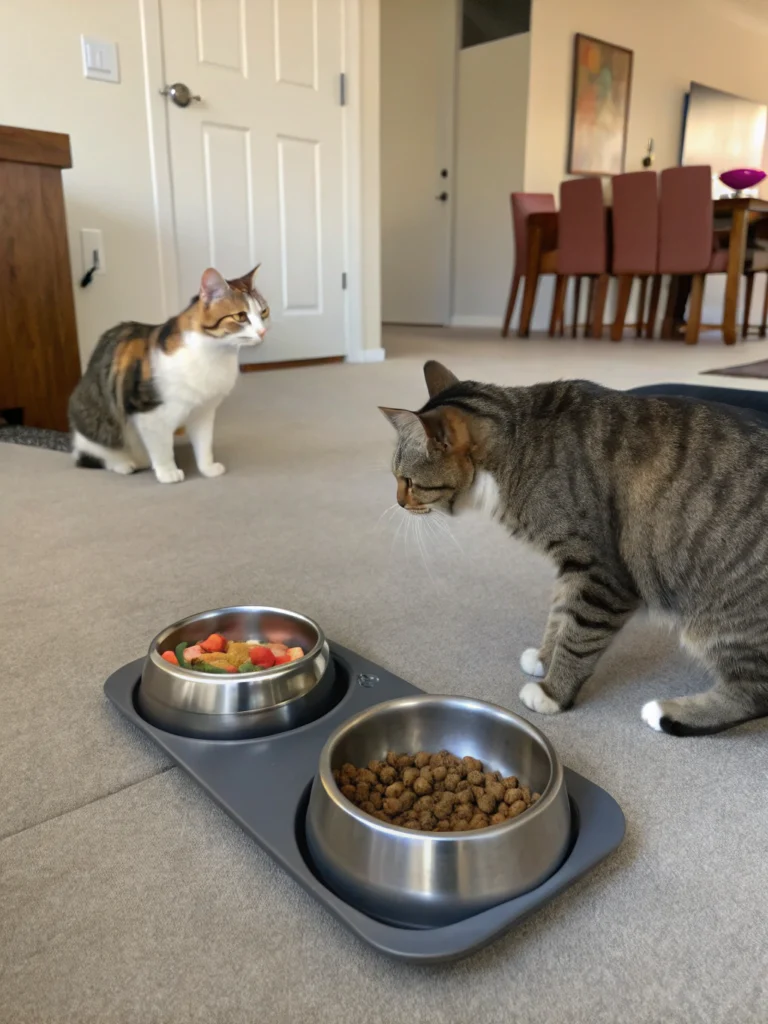
Multi-Cat Households: Cats often groom each other (allogrooming), which is normal social behavior. However, ensure each cat has personal space to prevent stress-related grooming problems.
Budget-Friendly Options: Use a damp washcloth for quick grooming assistance, create DIY puzzle feeders from cardboard boxes, and make homemade toys from safe household items like paper bags.
Climate Considerations: In humid environments, monitor for fungal skin conditions that might trigger excessive grooming. In dry climates, use humidifiers to prevent itchy skin that prompts over-grooming.
Common Mistakes to Avoid
Ignoring Sudden Changes: Dismissing abrupt increases or decreases in grooming as “just a phase” can delay diagnosis of medical issues. Always investigate significant behavioral shifts.
Over-Bathing: Cats rarely need baths unless specifically recommended by a veterinarian. Excessive bathing strips natural oils and can actually worsen grooming behaviors.
Punishment for Over-Grooming: Never scold cats for excessive grooming, as this increases stress and worsens the problem. Address underlying causes instead.
Inconsistent Grooming Assistance: Sporadic brushing confuses cats and prevents establishment of helpful routines. Maintain consistent schedules for best results.
Neglecting Dental Health: Dental disease causes pain that reduces facial grooming. Schedule regular dental checkups and cleanings as recommended.
Using Wrong Grooming Tools: Harsh brushes or inappropriate combs can hurt your cat and create negative associations. Invest in species-appropriate, quality tools.
Delaying Veterinary Care: Waiting too long to address abnormal grooming can allow conditions to worsen significantly. Early intervention improves outcomes dramatically.
Storage & Maintenance Tips
Grooming Tool Care: Clean brushes and combs weekly by removing trapped fur and washing with mild soap. Disinfect monthly to prevent bacterial growth. Store in dry locations to prevent rust.
Food Storage: Keep cat food in airtight containers in cool, dark places to maintain nutritional quality that supports healthy coats. Check expiration dates regularly.
Litter Box Hygiene: Scoop daily and perform complete litter changes weekly. Clean boxes monthly with pet-safe cleaners to eliminate odors that might stress cats and trigger over-grooming.
Toy Rotation: Wash fabric toys weekly in hot water. Inspect all toys monthly for damage and replace worn items. Rotate toys every few days to maintain interest and reduce stress-boredom.
Bedding Maintenance: Wash cat beds weekly in unscented detergent. Having backup beds allows continuous availability during cleaning cycles.
Seasonal Deep Cleaning: Quarterly, thoroughly clean all cat areas including behind furniture, window sills, and vertical spaces. This removes allergens that might trigger excessive grooming.
Record Keeping: Maintain a simple journal tracking grooming observations, veterinary visits, and any behavioral changes. This documentation proves invaluable when discussing concerns with your veterinarian.
Conclusion
Understanding normal cat grooming behavior empowers you to provide optimal care while catching potential problems early. Remember that cats are individuals—what’s normal for one may differ slightly for another.
FAQs
How often should cats groom themselves normally?
Healthy adult cats typically groom 30-50% of their waking hours, distributed across 5-8 sessions daily. Each session lasts approximately 5-15 minutes. Kittens and senior cats may groom slightly less, while anxious cats might groom more frequently.
What does it mean when my cat suddenly stops grooming?
Sudden grooming cessation often indicates pain (dental issues, arthritis), illness (fever, nausea), obesity preventing reach to certain areas, or severe stress/depression. Schedule a veterinary examination promptly to identify the underlying cause.
Is it normal for cats to groom each other?
Yes! Allogrooming (mutual grooming) is normal social behavior among bonded cats. They typically groom each other’s heads, necks, and ears—areas difficult to self-groom. This strengthens social bonds and distributes the grooming workload.
How can I tell if my cat is over-grooming?
Warning signs include bald patches, red or irritated skin, excessive hairballs (more than one weekly), constant licking of the same area, and visible skin lesions. Over-grooming often results from allergies, parasites, pain, or psychological stress.
When should I help my cat with grooming?
Assist long-haired cats with daily brushing to prevent mats. Senior or overweight cats struggling to reach certain areas benefit from gentle grooming help. Always assist if you notice declining coat condition, but let healthy cats handle their own grooming primarily.