Why Does My Cat Hide? Understanding Hiding Behavior
Why Does My Cat Hide? Understanding Hiding Behavior
Table of Contents
Introduction
Have you ever wondered why your beloved feline suddenly vanishes under the bed or retreats into the depths of your closet? Studies show that approximately 60% of cat owners report their cats hiding regularly, yet many don’t understand the underlying causes. Why does my cat hide is one of the most frequently asked questions among pet parents, and understanding this behavior is crucial for ensuring your cat’s emotional and physical wellbeing.
Cat Supplies & Essentials

Understanding your cat’s hiding behavior starts with providing the right environment and essential supplies:
Hiding Spots and Cat Caves: Invest in dedicated cat caves, tunnels, or enclosed beds that offer security. These spaces allow cats to retreat safely while still feeling part of the household.
Litter Boxes: Maintain at least one litter box per cat plus one extra. Hidden litter box placement in quiet areas reduces stress and encourages regular use.
High-Quality Cat Food: Premium nutrition supports overall health and reduces stress-related behaviors. Look for protein-rich formulas with minimal fillers.
Interactive Toys: Puzzle feeders, wand toys, and treat-dispensing balls encourage play and reduce anxiety by providing mental stimulation.
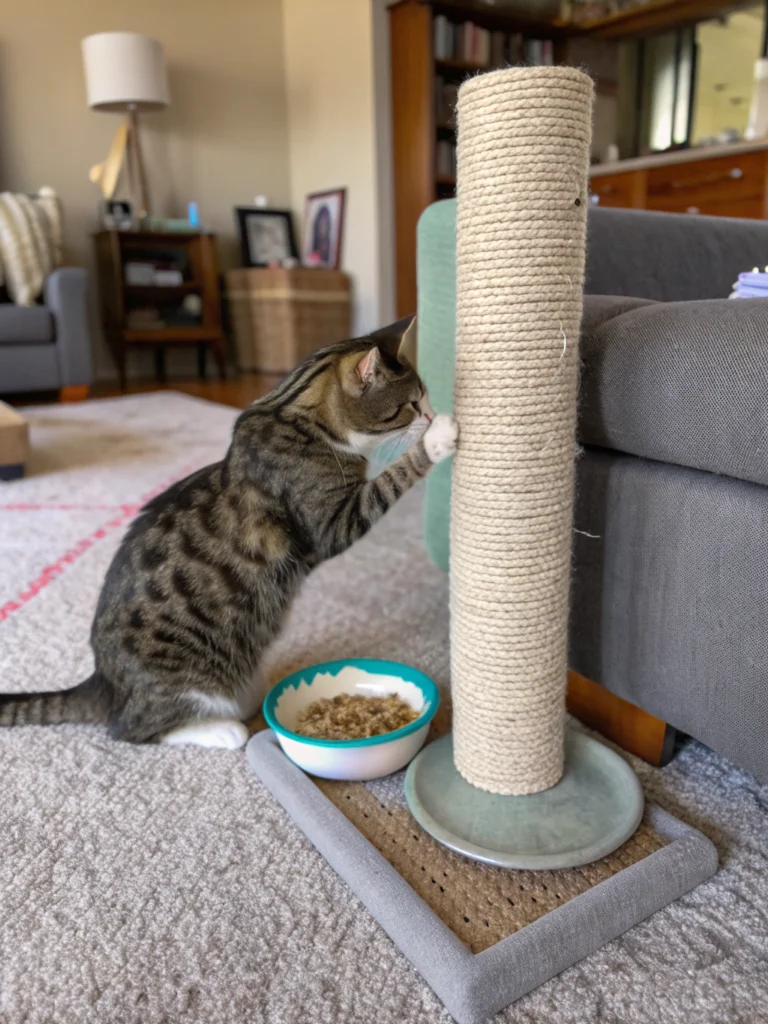
Scratching Posts: Multiple scratching surfaces throughout your home help cats mark territory and feel secure in their environment.
Comfortable Beds: Provide several sleeping options in various locations—some visible, others tucked away—to accommodate different moods.
Cat Carriers: A familiar carrier left open in the home can serve as a safe hiding spot while normalizing its presence for vet visits.
Water Fountains: Running water sources encourage hydration and create calming ambient sounds that can reduce anxiety.
Pheromone Diffusers: Products like Feliway release calming pheromones that help reduce stress-induced hiding behaviors.
Cat Trees: Multi-level structures offer both high perches for observation and enclosed spaces for hiding, satisfying multiple instincts.
Timeline / Progress Expectations
Understanding the timeline for addressing Hiding cat behavior helps set realistic expectations:
Days 1-3 (New Cats): Expect significant hiding as your cat acclimates to new surroundings. Provide quiet spaces and minimal interaction pressure.
Week 1-2: Most cats gradually emerge for longer periods, especially during feeding times. Curiosity typically overcomes initial fear within 7-10 days.
Weeks 2-4: Socialization progress becomes evident. Cats begin exploring more rooms and spending less time in hiding spots, averaging 4-6 hours of hiding daily versus 12+ hours initially.
Weeks 4-8: For stressed or rescued cats, behavioral improvements accelerate during this period. Consistent routines reduce hiding by approximately 50-70%.
Month 3+: Long-term hiding patterns stabilize. If excessive hiding persists beyond 12 weeks, veterinary consultation is recommended to rule out medical issues.
Daily Routine Establishment: Implement feeding schedules at the same times daily. Cats typically adapt to routines within 2-3 weeks, reducing anxiety-driven hiding.
Seasonal Considerations: Cats may hide more during holidays, parties, or weather changes. Plan accommodations during these high-stress periods.
Step-by-Step Instructions to Help Your Hiding Cat
Step 1: Identify the Trigger
Observe when and where your cat hides. Keep a journal noting times, duration, and preceding events. Common triggers include loud noises, new people, other pets, or changes in routine. Understanding patterns is essential for addressing root causes.
Step 2: Create Multiple Safe Spaces
Designate 3-5 hiding spots throughout your home. Include cardboard boxes, open carriers with soft bedding, and cat caves in quiet corners. Ensure these spaces are always accessible and never disturbed.
Step 3: Establish Predictable Routines
Feed your cat at identical times daily. Schedule play sessions, cleaning, and quiet time consistently. Predictability reduces anxiety by up to 65% according to feline behavior studies.
Step 4: Use Positive Reinforcement
Never force your cat out of hiding. Instead, place treats progressively closer to hiding spots, rewarding voluntary emergence. Use high-value treats like freeze-dried chicken or tuna.
Step 5: Minimize Environmental Stressors
Reduce loud noises, sudden movements, and household chaos. Use white noise machines during construction or parties. Create vertical escape routes using cat trees and shelves.
Step 6: Gradual Socialization
If hiding stems from fear of people, implement controlled exposure. Have visitors ignore your cat initially, allowing the cat to approach when ready. Progress typically takes 4-6 weeks.
Step 7: Interactive Play Therapy
Engage your cat in 15-20 minute play sessions twice daily using wand toys. Physical activity reduces stress hormones and builds confidence, decreasing hiding frequency.
Step 8: Monitor and Adjust
Track behavioral changes weekly. If hiding increases or your cat shows signs of illness (reduced appetite, lethargy), consult your veterinarian immediately.
Health Benefits / Cat Advantages
Addressing hiding behavior and creating a secure environment offers numerous health advantages:
Stress Reduction: Cats with adequate hiding options show 40% lower cortisol levels, reducing stress-related illnesses including urinary problems and digestive issues.
Improved Mental Health: Environmental security decreases anxiety and depression in cats, particularly rescues with traumatic histories.
Enhanced Immune Function: Reduced chronic stress strengthens immune response, decreasing susceptibility to infections and illness.
Better Socialization: Cats that feel safe gradually become more confident and social, improving human-animal bonds and overall quality of life.
Increased Activity Levels: As hiding decreases due to confidence building, cats engage in more physical activity, maintaining healthy weight and muscle tone.
Longer Lifespan: Studies indicate that cats in low-stress environments with appropriate enrichment live 2-3 years longer on average than chronically stressed cats.
Improved Litter Box Habits: Secure cats experience fewer elimination problems, as stress is a leading cause of inappropriate urination.
Alternative Methods & Tips
For Small Living Spaces: Maximize vertical territory using wall-mounted shelves and tall cat trees. Even compact apartments can accommodate hiding needs through creative furniture arrangement.
Budget-Friendly Options: Cardboard boxes with cut entrances make excellent hiding spots. Repurpose furniture—space under beds or inside unused cabinets—as safe zones.
Multi-Cat Households: Provide separate hiding areas for each cat to prevent resource guarding. Ensure multiple escape routes to avoid territorial conflicts.
For Indoor/Outdoor Cats: Create transitional spaces like catios or screened porches that offer security while allowing outdoor stimulation.
Senior Cat Considerations: Older cats may hide due to pain or cognitive decline. Provide easily accessible, low-entry hiding spots with orthopedic bedding.
Climate Adaptations: In hot climates, ensure hiding spots have adequate ventilation. In cold regions, provide insulated options with heating pads.
For Anxious Personalities: Combine hiding spaces with calming music or species-specific audio designed to reduce feline anxiety.
Common Mistakes to Avoid
Forcing Interaction: Never pull a hiding cat out forcibly. This intensifies fear and damages trust, potentially extending hiding behavior by weeks or months.
Punishing Hiding: Hiding is not misbehavior. Punishment increases anxiety and worsens the problem significantly.
Inconsistent Routines: Erratic feeding or play schedules maintain stress levels, preventing behavioral improvement.
Overcrowding Spaces: Too many hiding spots in small areas can encourage permanent isolation. Balance security with socialization opportunities.
Ignoring Medical Issues: Sudden hiding changes may indicate pain or illness. Don’t assume it’s purely behavioral—consult your veterinarian.
Inadequate Litter Box Management: Dirty or poorly placed litter boxes cause stress-related hiding. Clean daily and position boxes in quiet, accessible locations.
Excessive Household Chaos: Constant noise, frequent visitors, or aggressive pets create chronic stress. Establish cat-only quiet zones.
Using Hiding Spots for Medication: Never associate safe spaces with negative experiences like pill administration, which destroys their sanctuary status.
Storage & Maintenance Tips
Cat Food Storage: Store dry food in airtight containers in cool, dry locations. Opened wet food lasts 48 hours refrigerated. Proper storage prevents spoilage that could cause digestive stress.
Litter Box Maintenance: Scoop daily, complete changes weekly for clumping litter, twice weekly for non-clumping. Deep clean monthly with enzyme cleaners to eliminate odor-causing bacteria.
Toy Rotation: Maintain toy freshness by rotating selection weekly. Store unused toys in sealed containers to preserve scent interest.
Hiding Spot Cleaning: Vacuum and wipe cat caves monthly. Wash fabric hideaways every 2-3 weeks to prevent parasite buildup and maintain hygiene.
Scratching Post Care: Replace or recover scratching surfaces when worn. Most posts need replacement every 12-18 months depending on usage intensity.
Seasonal Adjustments: Deep clean all cat areas seasonally. Spring and fall are ideal for thorough sanitization and environmental reassessment.
Carrier Maintenance: Keep carriers clean and odor-free with monthly wipe-downs. Leave familiar bedding inside to maintain positive associations.
Conclusion
Understanding why your cat hides is fundamental to providing exceptional care and building a strong, trusting relationship with your feline companion. Whether your cat seeks solitude due to stress, fear, or simply their natural instinct, recognizing the underlying causes empowers you to create a supportive environment where they feel genuinely safe. By implementing the strategies outlined in this guide—from providing appropriate hiding spaces and maintaining consistent routines to using positive reinforcement and avoiding common mistakes—you’ll help your cat develop confidence and security. Remember that patience is key; behavioral changes take time, but the reward of a happy, well-adjusted cat is immeasurable.
FAQs
Q: How long should I wait before being concerned about my new cat hiding?
A: Most new cats hide for 3-7 days during initial adjustment. If your cat remains completely hidden beyond two weeks, eating minimally or not using the litter box, consult your veterinarian. However, some shy personalities may take 4-6 weeks to fully adjust, which is normal if they’re eating, drinking, and using facilities during quiet times.
Q: Is it normal for my cat to hide when visitors come over?
A: Yes, this is completely normal feline behavior. Cats are territorial and often perceive strangers as threats. Provide accessible hiding spots during social gatherings and never force interaction. Most cats emerge when comfortable, though some prefer to wait until guests leave.
Q: Can hiding indicate my cat is sick?
A: Absolutely. Sudden hiding behavior changes, especially accompanied by reduced appetite, lethargy, vocalization, or litter box avoidance, often signal illness or pain. Cats instinctively hide when vulnerable. Schedule a veterinary examination promptly if hiding patterns change dramatically without environmental explanation.
Q: Should I provide a hiding spot in every room?
A: Ideally, yes. Multiple hiding options throughout your home allow cats to feel secure wherever they are, reducing overall stress. This is especially important in multi-level homes or households with children, other pets, or frequent activity.
Q: How can I tell if my cat’s hiding is normal or excessive?
A: Normal hiding includes brief retreats during stressful moments, napping in enclosed spaces, or seeking solitude for 2-4 hours daily. Excessive hiding involves remaining hidden most of the day (16+ hours), avoiding food/water, or showing fear during routine activities. When in doubt, consult a veterinarian or certified animal behaviorist for professional assessment.