Behavioral Enrichment for Cats: Tips for Happy Cats
Behavioral Enrichment for Cats: Tips for Happy Cats
Table of Contents
Introduction
Did you know that indoor cats can sleep up to 16 hours a day, often due to boredom rather than genuine tiredness? This startling statistic reveals a common challenge many cat owners face: keeping their feline companions mentally stimulated and physically active indoors. Behavioral enrichment for cats isn’t just about entertainment—it’s a crucial component of feline health that prevents obesity, reduces anxiety, and curbs destructive behaviors.
Cat Supplies & Essentials
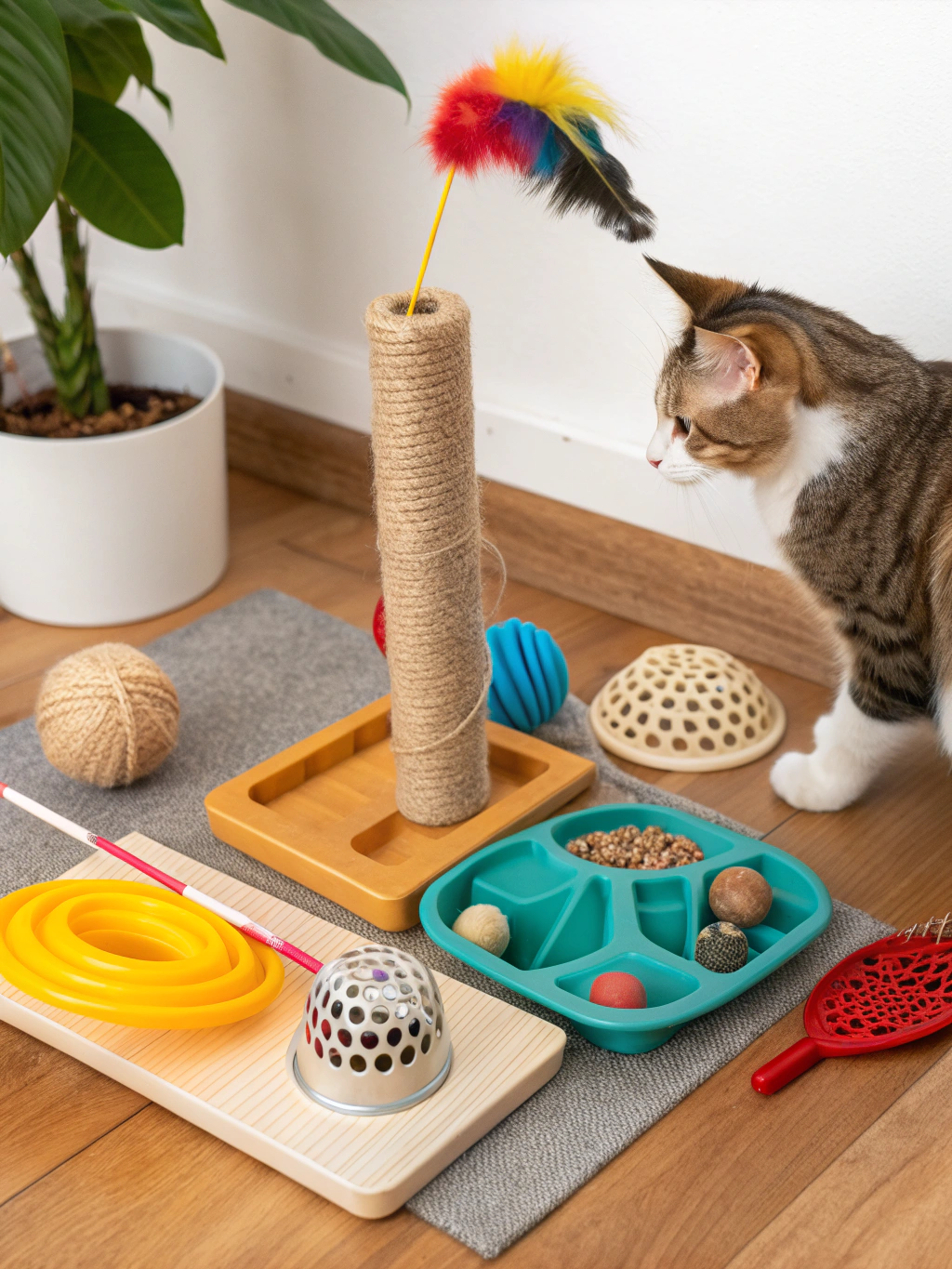
Creating an enriching environment for your indoor cat starts with having the right supplies. Here’s a comprehensive list of essential items that support behavioral enrichment:
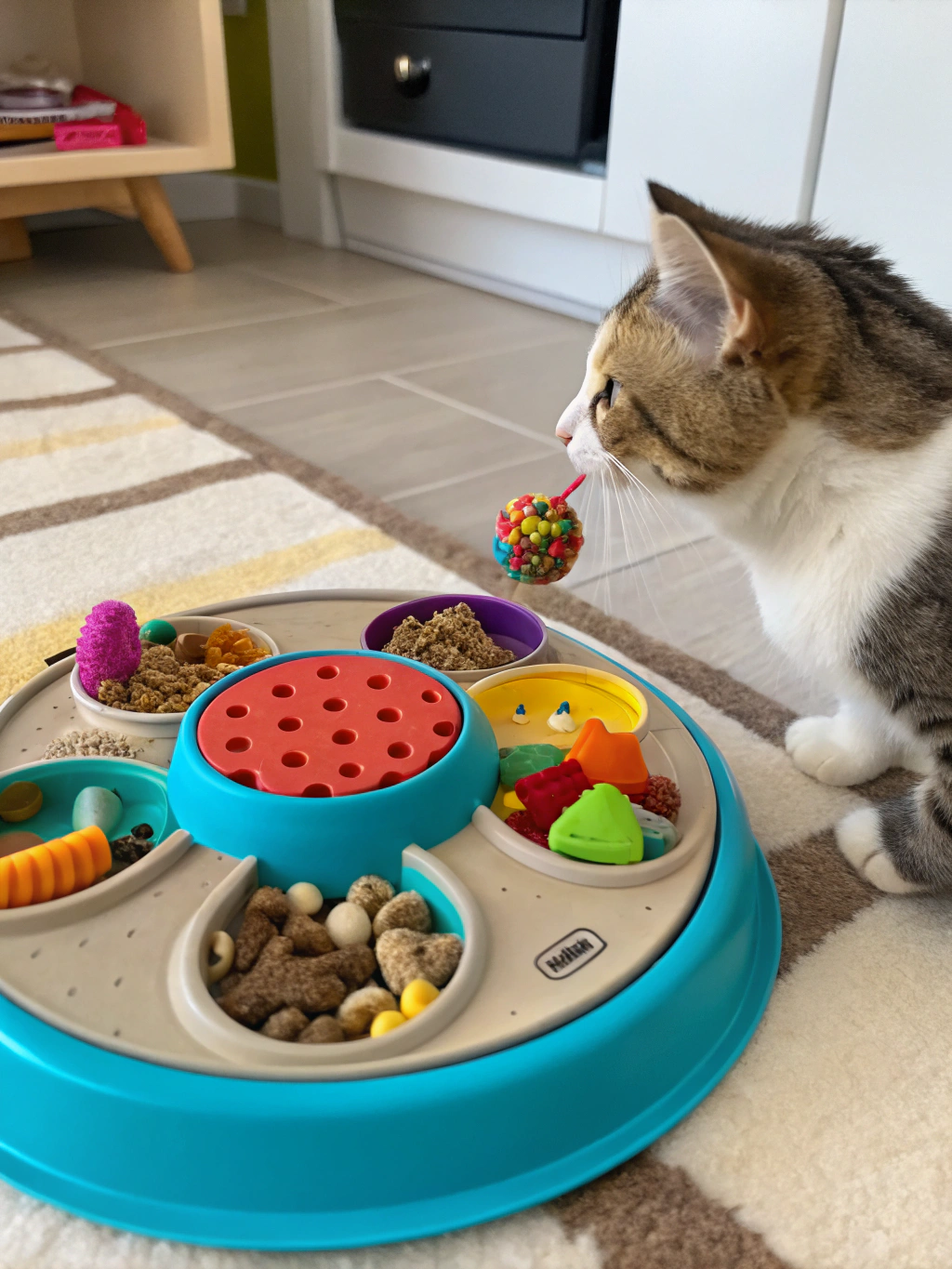
Interactive Toys: Puzzle feeders, treat-dispensing balls, and wand toys stimulate hunting instincts and provide mental challenges. These toys encourage problem-solving and physical activity simultaneously.
Scratching Posts: Multiple scratching surfaces in various textures (sisal, cardboard, carpet) satisfy natural scratching behavior and prevent furniture damage. Position them near sleeping areas and high-traffic zones.
Cat Trees and Perches: Vertical spaces allow cats to survey their territory from elevated positions, fulfilling their need for security and territorial awareness. Multi-level structures offer exercise opportunities.
Litter Boxes: The general rule is one box per cat plus one extra. Clean, accessible litter boxes prevent stress and behavioral issues related to elimination.
Quality Cat Food: High-protein, species-appropriate nutrition supports energy levels and overall health, making cats more receptive to enrichment activities.
Window Perches: These provide entertainment through “cat TV”—watching birds, squirrels, and outdoor activity stimulates natural curiosity without safety risks.
Hiding Spots: Cat tunnels, boxes, and enclosed beds offer security and comfort, essential for stress reduction and confident exploration.
Water Fountains: Running water encourages hydration and adds an interesting sensory element to the environment.
Grooming Tools: Brushes and nail clippers maintain physical health and strengthen the human-animal bond through positive interaction.
Carriers: Essential for vet visits and travel, proper carrier training reduces stress during necessary outings.
Optional items include catnip toys, motion-activated toys, and cat grass for safe nibbling. Substitutions work well—cardboard boxes can replace expensive hiding spots, and homemade puzzle feeders created from toilet paper rolls offer budget-friendly alternatives.
Timeline & Progress Expectations
Understanding realistic timelines helps set appropriate expectations for Enriching indoor cats through behavioral programs:
Week 1-2: Introduction Phase
Introduce new toys and enrichment items gradually. Most cats show curiosity within 2-3 days, though shy cats may take up to two weeks to investigate new objects. Rotate toys every 3-4 days to maintain novelty.
Week 3-4: Engagement Building
Cats typically establish preferred play patterns and favorite activities. You’ll notice increased activity levels and more confident exploration. Interactive play sessions should show noticeable enthusiasm by week four.
Month 2-3: Behavior Modification
Destructive behaviors like excessive scratching or nighttime zoomies often decrease by 40-60% as cats redirect energy into appropriate outlets. Training exercises show measurable progress, with most cats mastering simple commands within 6-8 weeks.
Ongoing Maintenance
Long-term enrichment becomes routine by month four. Cats adapt to daily play schedules, typically preferring 2-3 interactive sessions of 10-15 minutes each. Seasonal rotations of toys and activities prevent boredom plateaus.
Daily Routine: Morning play (15 minutes), midday puzzle feeding, evening interactive hunt games, and pre-bedtime calm activities establish healthy circadian rhythms.
Weekly Tasks: Introduce one new enrichment element, rotate toy selection, deep-clean litter boxes, and assess engagement levels.
Monthly Goals: Try new food puzzles, rearrange vertical spaces, introduce novel scents or textures, and evaluate overall behavioral improvements.
Step-by-Step Instructions
Step 1: Assess Your Cat’s Personality and Preferences
Observe your cat’s natural behaviors for 3-5 days. Note when they’re most active, which toys they prefer, and whether they’re motivated by food, play, or social interaction. This baseline assessment guides personalized enrichment strategies.
Step 2: Create Vertical Territory
Install cat trees or wall-mounted shelves at varying heights. Place the highest perch near windows for optimal viewing. Ensure stability and safety—cats should access each level comfortably without dangerous jumps.
Step 3: Implement Feeding Enrichment
Transition from bowl feeding to puzzle feeders gradually. Start with easy puzzles, placing some kibble in traditional bowls while introducing 25% through puzzles. Increase difficulty as your cat masters each level, eventually using puzzles for 75-100% of meals.
Step 4: Establish Interactive Play Routines
Schedule two 15-minute play sessions daily using wand toys that mimic prey movements. Incorporate the hunt sequence: stalk, chase, pounce, catch, and “kill.” Always end sessions with a successful catch followed by a small treat.
Step 5: Rotate Environmental Stimulation
Change your cat’s environment weekly by rotating toys, rearranging furniture slightly, introducing new scents (cat-safe herbs), or providing different textures. This prevents habituation and maintains curiosity.
Step 6: Train Simple Behaviors
Use clicker training or marker words to teach commands like “sit,” “high-five,” or target training. Keep sessions short (5 minutes), positive, and reward-based. This mental stimulation is as tiring as physical exercise.
Step 7: Create Sensory Experiences
Introduce safe sensory elements: bird-watching videos for visual stimulation, crinkly toys for auditory interest, catnip or silvervine for olfactory enrichment, and varied textures for tactile exploration.
Health Benefits & Cat Advantages
Proper behavioral enrichment delivers measurable health benefits backed by veterinary research:
Weight Management: Active cats maintain healthier body conditions. Studies show enriched environments reduce obesity risk by up to 35% compared to sedentary indoor cats.
Stress Reduction: Mental stimulation decreases cortisol levels, reducing stress-related behaviors like over-grooming, aggression, and inappropriate elimination by approximately 50-70%.
Cognitive Health: Puzzle-solving and novel experiences support brain health, potentially slowing cognitive decline in senior cats. Enriched environments have been linked to improved memory and learning capabilities.
Behavioral Stability: Cats with adequate enrichment display 60% fewer behavior problems, including reduced nighttime activity, decreased destructive scratching, and less attention-seeking vocalization.
Physical Fitness: Regular play sessions improve cardiovascular health, maintain muscle tone, and enhance coordination and agility. Active cats show better joint health and mobility as they age.
Emotional Wellbeing: Enriched cats demonstrate increased confidence, better social skills with humans and other pets, and more positive emotional states measured through behavioral indicators.
Immune Function: Reduced stress from proper enrichment correlates with improved immune response, potentially decreasing illness frequency and improving recovery times.
Longevity: While difficult to measure directly, the combined benefits of enrichment—healthy weight, reduced stress, physical fitness—contribute to longer, higher-quality lives for indoor cats.
Alternative Methods & Tips
Small Space Solutions: Focus on vertical rather than horizontal space. Wall-mounted shelves, over-door cat trees, and window perches maximize enrichment in apartments. Rotate toys more frequently to compensate for limited variety.
Budget-Friendly Options: Cardboard boxes become instant hiding spots, paper bags (handles removed) create exploration tunnels, and DIY puzzle feeders made from muffin tins or egg cartons cost virtually nothing. Toilet paper rolls stuffed with treats offer inexpensive food puzzles.
Multi-Cat Households: Provide duplicate resources in separate locations to prevent competition. Create multiple pathways and escape routes so subordinate cats can avoid confrontation. Individual play sessions ensure each cat receives adequate attention.
Senior Cat Adaptations: Lower perch heights, provide easier access to elevated spaces with ramps or steps, and use softer, less intense play styles. Cognitive enrichment becomes especially important—scent games and gentle puzzle feeders work well.
High-Energy Cats: Increase play intensity and frequency. Consider cat wheels for running, more challenging puzzle feeders, and outdoor catios or supervised harness walks for additional stimulation.
Shy or Anxious Cats: Progress slowly with enrichment introductions. Provide extra hiding spots and safe spaces. Use calming pheromone diffusers and reward small confidence-building steps generously.
Climate Considerations: In hot climates, schedule active play during cooler morning/evening hours. Cold climates benefit from cozy heated beds near window perches for comfortable bird-watching.
Common Mistakes to Avoid
Mistake #1: Inconsistent Routines
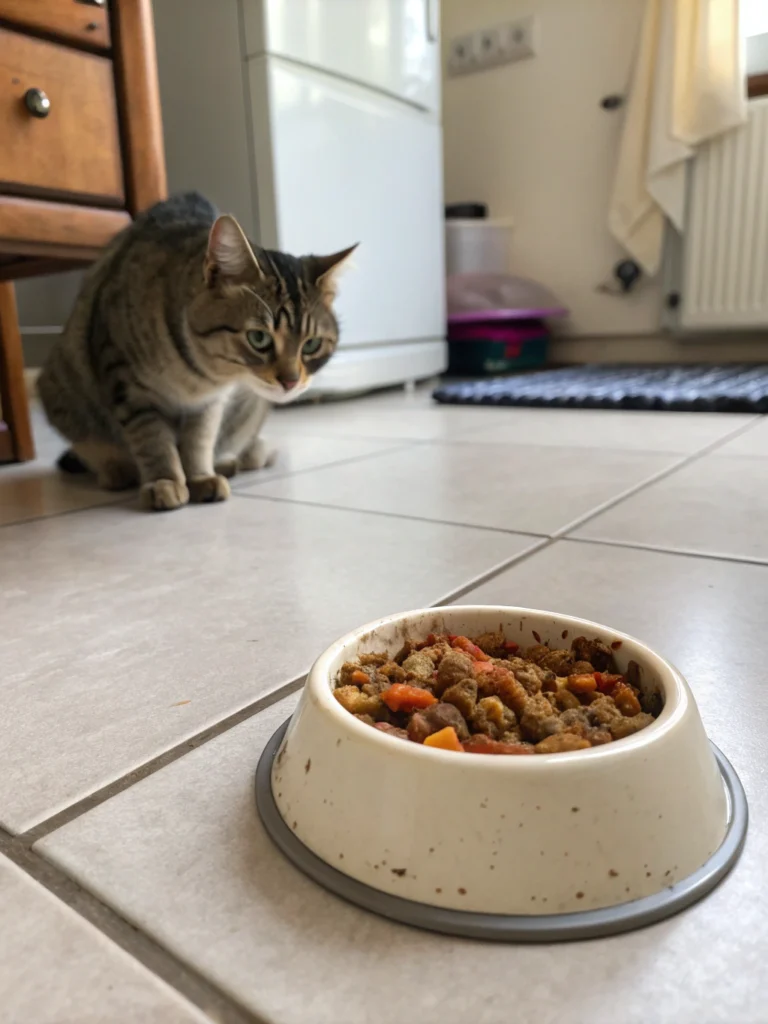
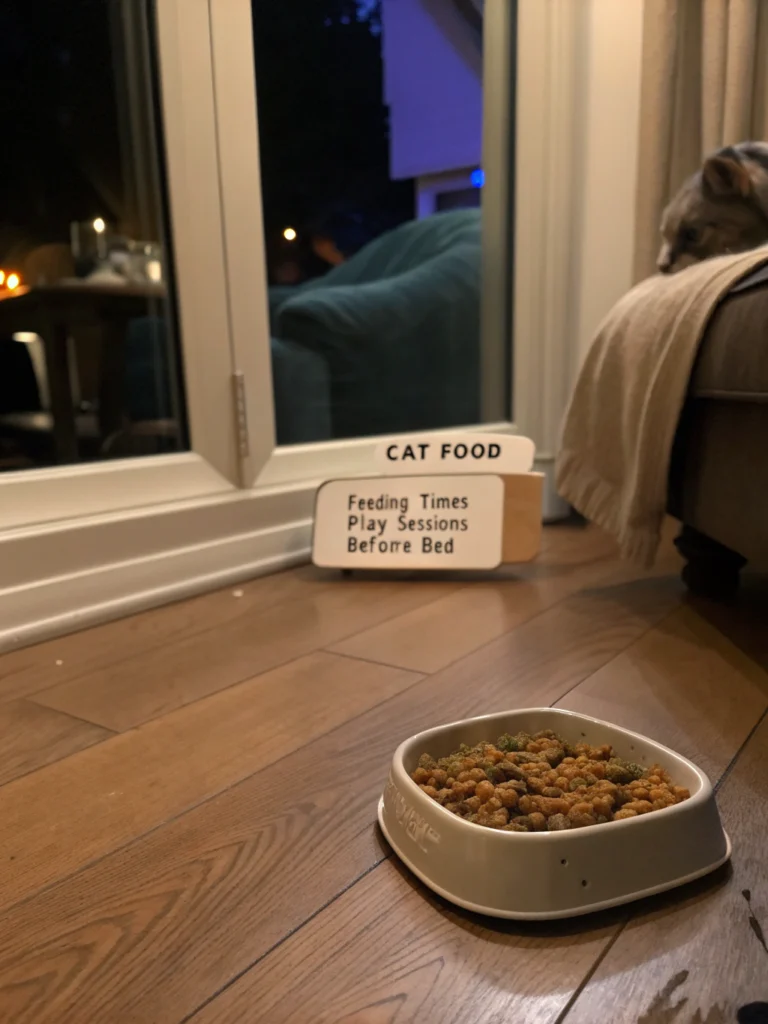
Cats thrive on predictability. Irregular feeding times, inconsistent play schedules, or sporadic enrichment efforts create stress rather than reducing it. Solution: Establish and maintain daily routines for feeding, play, and interaction.
Mistake #2: Over-Reliance on Passive Toys
Simply providing toys without interaction rarely engages cats long-term. Solution: Combine passive toys with regular interactive play sessions where you control toy movements to simulate prey behavior.
Mistake #3: Neglecting Individual Preferences
Assuming all cats enjoy the same activities leads to failed enrichment efforts. Solution: Observe your specific cat’s preferences and tailor enrichment accordingly rather than following generic advice.
Mistake #4: Too Many Changes at Once
Overwhelming cats with numerous new items, routines, or environmental changes simultaneously causes stress. Solution: Introduce changes gradually, one element at a time, allowing adjustment periods.
Mistake #5: Insufficient Toy Rotation
Leaving the same toys available constantly leads to habituation and boredom. Solution: Rotate toy selection every 3-4 days, storing unused toys out of sight to restore novelty.
Mistake #6: Punishing Natural Behaviors
Scolding cats for scratching, climbing, or hunting instincts damages the human-animal bond. Solution: Redirect natural behaviors to appropriate outlets rather than suppressing them.
Mistake #7: Ignoring Litter Box Basics
Dirty, inadequately sized, or poorly located litter boxes undermine all enrichment efforts. Solution: Maintain one box per cat plus one extra, scoop daily, and place boxes in quiet, accessible locations.
Mistake #8: Using Food as the Only Motivation
While food puzzles are valuable, over-reliance on treats can lead to weight gain. Solution: Balance food-based enrichment with play, exploration, and social interaction rewards.
Storage & Maintenance Tips
Toy Storage: Keep unused toys in sealed containers to preserve scents and freshness. Organize by category (interactive, solo, catnip toys) for easy rotation. Store catnip toys in airtight bags in the freezer to maintain potency.
Food Storage: Store dry cat food in airtight containers away from heat and humidity. Check expiration dates monthly. Refrigerate opened wet food for maximum three days. Clean puzzle feeders after each use to prevent bacterial growth.
Litter Box Maintenance: Scoop daily, completely change litter weekly, and deep-clean boxes with unscented soap monthly. Replace boxes annually as scratches harbor bacteria. Keep backup supplies accessible for consistent maintenance.
Scratching Post Care: Vacuum loose fibers weekly. Replace severely worn surfaces—cats avoid scratchers that no longer provide satisfying texture. Reapply catnip monthly to maintain interest.
Cat Tree Cleaning: Vacuum platforms weekly to remove hair and dander. Spot-clean stains immediately with pet-safe enzymatic cleaners. Inspect stability monthly, tightening connections as needed.
Grooming Tool Maintenance: Clean brushes after each use, removing collected hair. Sanitize metal combs monthly. Replace worn nail clippers that crush rather than cut cleanly.
Seasonal Deep Cleaning: Quarterly, wash all fabric toys and bedding in hot water. Disinfect hard surfaces with diluted pet-safe cleaners. Inspect all equipment for wear, replacing damaged items before they become safety hazards.
Weekly Routine Checklist:
- Rotate toy selection
- Deep-clean at least one litter box
- Wash food and water bowls
- Inspect scratching posts and cat trees
- Vacuum cat areas thoroughly
- Check toy condition and discard damaged items
Conclusion
Creating an enriching environment for your indoor cat transforms their daily experience from mundane to mentally stimulating and physically satisfying. By implementing the strategies outlined in this guide—from essential supplies and interactive play routines to feeding enrichment and environmental rotation—you’re investing in your cat’s long-term health, happiness, and behavioral stability. Remember that successful enrichment is personalized, consistent, and evolves with your cat’s changing needs and preferences.
FAQs
How much daily playtime do indoor cats actually need?
Most adult cats benefit from 20-30 minutes of interactive play divided into 2-3 sessions daily. Kittens and high-energy breeds may require 45-60 minutes, while senior cats might be satisfied with 15-20 minutes. Quality matters more than quantity—focused, prey-simulating play provides better enrichment than passive toy availability. Watch for signs of satisfaction: your cat should appear pleasantly tired rather than overstimulated or still restless after play sessions.
Can I provide too much enrichment for my cat?
While rare, overstimulation is possible, especially with anxious or shy cats. Signs include hiding, decreased appetite, aggressive behavior, or seeming overwhelmed. The solution is gradual introduction of enrichment elements with adequate rest periods between activities. Cats need 12-16 hours of sleep daily, so balance stimulation with quiet time. If your cat seems stressed, reduce enrichment intensity and complexity, then rebuild slowly based on their comfort level.
What’s the best enrichment for cats who ignore toys?
Food-motivated cats respond well to puzzle feeders and treat-dispensing toys that engage their hunting instincts. For cats indifferent to both toys and food puzzles, try sensory enrichment: safe outdoor scents on towels, bird-watching opportunities, cat-safe plants like cat grass, or even calming music designed for felines. Sometimes the issue is toy type—experiment with different textures, sounds, and movements. Remote-controlled toys or battery-operated options that move unpredictably often succeed where static toys fail.
How do I enrich my cat’s environment in a small apartment?
Maximize vertical space with wall-mounted shelves, tall cat trees, and over-door perches. Use furniture creatively—bookcases can become climbing structures with added platforms. Rotate enrichment items more frequently to compensate for limited variety. Window perches provide entertainment without floor space. Consider a cat wheel for physical exercise in confined areas. DIY enrichment like cardboard boxes, paper bags, and homemade puzzle feeders offer variety without requiring significant space investment.
Do indoor cats really need behavioral enrichment if they seem content sleeping all day?
Yes—excessive sleeping often indicates boredom rather than contentment. While cats naturally sleep 12-16 hours daily, lack of enrichment can push this to 20+ hours, contributing to obesity, muscle loss, and cognitive decline. Even seemingly content cats benefit from enrichment that prevents health problems before they develop. Think of enrichment as preventive healthcare rather than entertainment. Cats with adequate mental and physical stimulation maintain better weight, demonstrate fewer behavior problems, and often live longer, healthier lives than their under-enriched counterparts.